

Spanish rice, NS as to fat
Common food

Photo: Wikipedia
Spanish rice is a savory, tomato-infused rice dish with a soft yet slightly chewy texture, often studded with onions and peppers. It's a comforting, aromatic side that's a staple in many Latin American and Tex-Mex meals. Nutritionally, it's a moderate source of energy, primarily from carbohydrates.
Calorie split: 10% protein · 69% carbs · 21% fat
↓ Full nutrition💚 Why it's loved
People love Spanish rice for its comforting, savory flavor that perfectly complements tacos, enchiladas, and grilled meats. Its vibrant color and ability to absorb surrounding flavors make it a beloved and versatile staple.
⚠️ Watch-outs & how to enjoy it better
The primary concern is its high glycemic index, which can cause rapid blood sugar spikes, especially if made with white rice and minimal fiber or protein. To counteract this, pair it with a source of protein (like beans or chicken) and healthy fat, or use brown rice for a slower, steadier energy release.
Key benefits
- Provides quick energy from complex carbs
- Contains a small amount of plant-based protein
- Low in fat per serving
- Can be a source of fiber if made with whole grain rice
- Versatile base for adding vegetables or lean protein
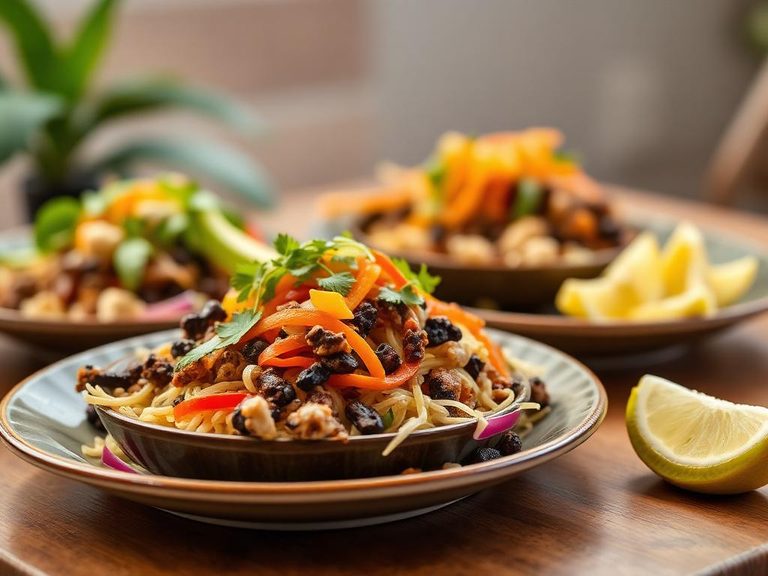
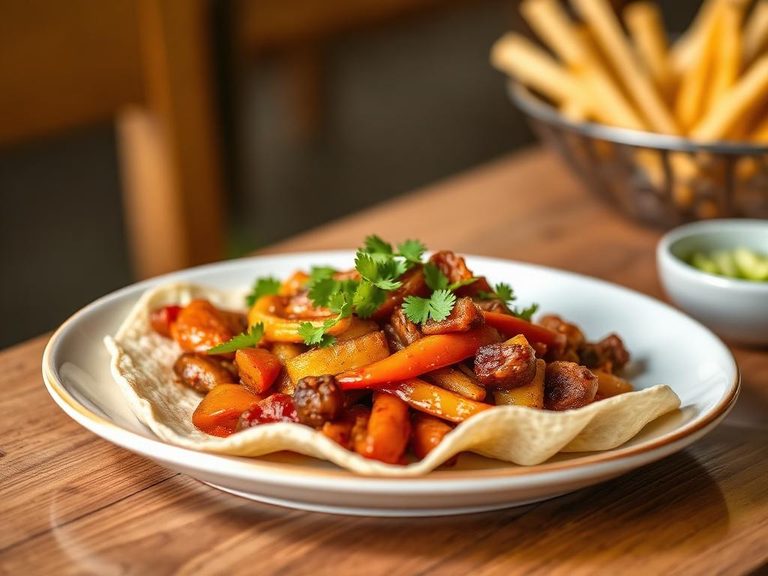
🍽️ Popular dishes
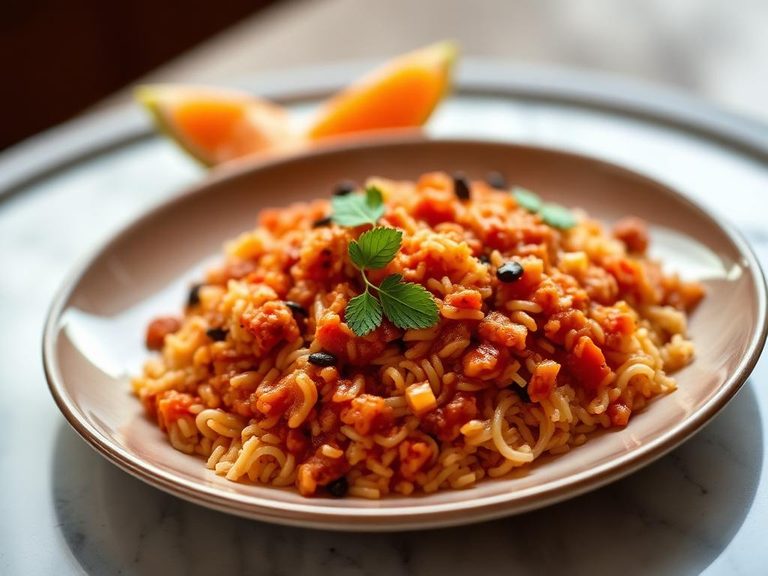
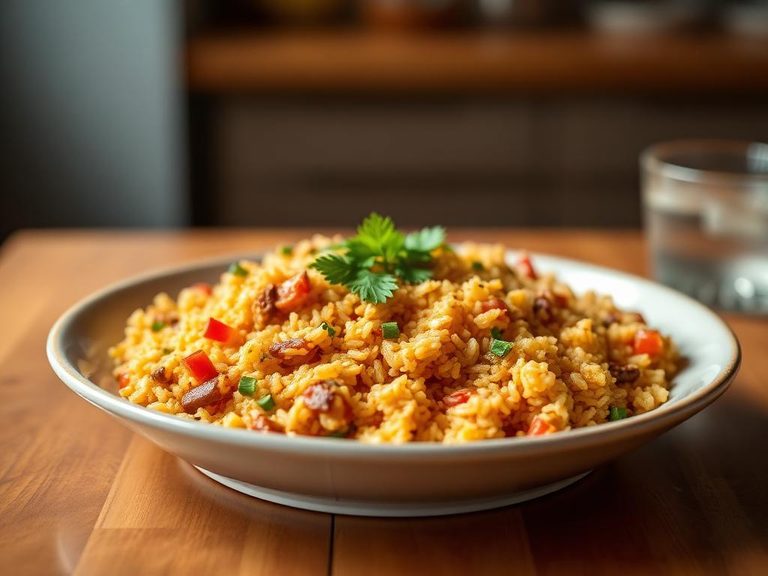
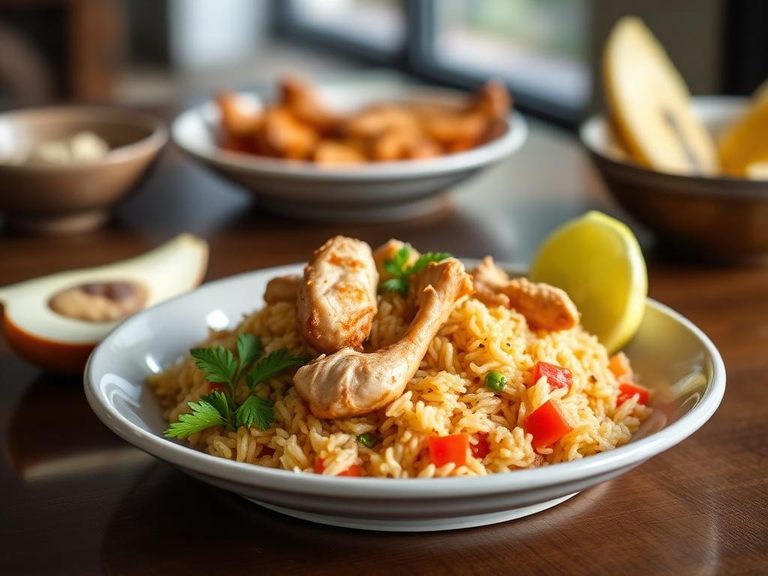
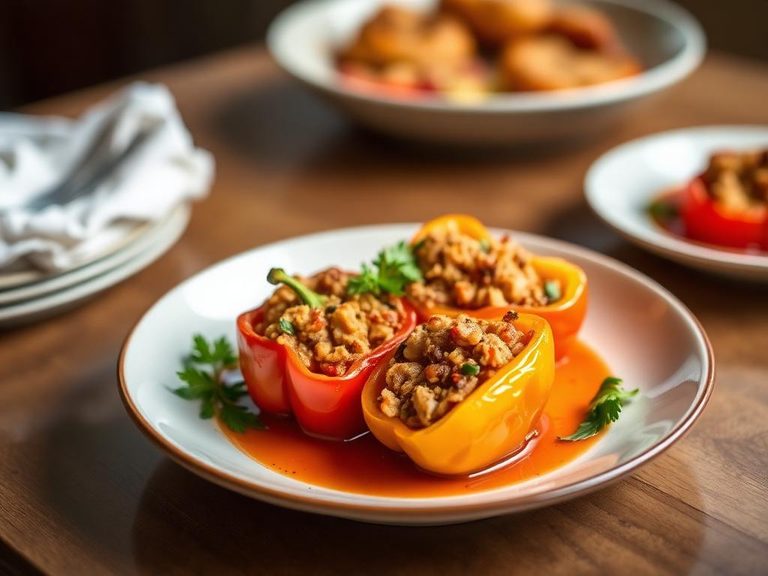
🌍 Where it's eaten
💡 Did you know?
Despite its name, 'Spanish rice' as commonly known in the U.S. is not a traditional dish from Spain; it's a Mexican-American creation. In Spain, a similar rice dish is called 'arroz rojo' or 'arroz a la cubana'.
Full nutrition (USDA data · scales with serving)
| Water | 73.8 g |
| Energy | 115 kcal |
| Protein | 2.9 g |
| Total lipid (fat) | 2.6 g |
| Carbohydrate, by difference | 19.6 g |
| Fiber, total dietary | 1.1 g |
| Total Sugars | 1.6 g |
| Calcium, Ca | 21.0 mg |
| Iron, Fe | 1.1 mg |
| Magnesium, Mg | 11.0 mg |
| Phosphorus, P | 41.0 mg |
| Potassium, K | 123 mg |
| Sodium, Na | 310 mg |
| Zinc, Zn | 0.38 mg |
| Copper, Cu | 0.08 mg |
| Selenium, Se | 4.6 ug |
| Vitamin C, total ascorbic acid | 11.2 mg |
| Thiamin | 0.27 mg |
| Riboflavin | 0.07 mg |
| Niacin | 1.4 mg |
| Vitamin B-6 | 0.11 mg |
| Folate, total | 34.0 ug |
| Folic acid | 28.0 ug |
| Folate, food | 6.0 ug |
| Folate, DFE | 54.0 ug |
| Choline, total | 6.0 mg |
| Vitamin B-12 | 0.03 ug |
| Vitamin B-12, added | 0.00 ug |
| Vitamin A, RAE | 10.0 ug |
| Retinol | 0.00 ug |
| Carotene, beta | 112 ug |
| Carotene, alpha | 2.0 ug |
| Cryptoxanthin, beta | 8.0 ug |
| Lycopene | 665 ug |
| Lutein + zeaxanthin | 70.0 ug |
| Vitamin E (alpha-tocopherol) | 0.59 mg |
| Vitamin E, added | 0.00 mg |
| Vitamin D (D2 + D3) | 0.00 ug |
| Vitamin K (phylloquinone) | 3.1 ug |
| Alcohol, ethyl | 0.00 g |
| Caffeine | 0.00 mg |
| Theobromine | 0.00 mg |
Fat & fatty acid profile (per 100g)
| Fatty acids, total saturated | 0.50 g |
| SFA 4:0 | 0.00 g |
| SFA 6:0 | 0.00 g |
| SFA 8:0 | 0.00 g |
| SFA 10:0 | 0.00 g |
| SFA 12:0 | 0.00 g |
| SFA 14:0 | 0.01 g |
| SFA 16:0 | 0.35 g |
| SFA 18:0 | 0.12 g |
| Fatty acids, total monounsaturated | 1.0 g |
| MUFA 16:1 | 0.02 g |
| MUFA 18:1 | 0.99 g |
| MUFA 20:1 | 0.02 g |
| MUFA 22:1 | 0.00 g |
| Fatty acids, total polyunsaturated | 0.82 g |
| PUFA 18:2 | 0.72 g |
| PUFA 18:3 | 0.08 g |
| PUFA 18:4 | 0.00 g |
| PUFA 20:4 | 0.00 g |
| PUFA 20:5 n-3 (EPA) | 0.00 g |
| PUFA 22:5 n-3 (DPA) | 0.00 g |
| PUFA 22:6 n-3 (DHA) | 0.00 g |
| Cholesterol | 3.0 mg |
Amino acid profile (per 100g)
Estimated from Restaurant, Mexican, spanish rice — USDA does not publish this profile for Spanish rice.
| Tryptophan | 0.04 g |
| Threonine | 0.10 g |
| Isoleucine | 0.11 g |
| Leucine | 0.24 g |
| Lysine | 0.13 g |
| Methionine | 0.07 g |
| Cystine | 0.07 g |
| Phenylalanine | 0.15 g |
| Tyrosine | 0.10 g |
| Valine | 0.14 g |
| Arginine | 0.26 g |
| Histidine | 0.07 g |
| Alanine | 0.17 g |
| Aspartic acid | 0.27 g |
| Glutamic acid | 0.61 g |
| Glycine | 0.14 g |
| Proline | 0.14 g |
| Serine | 0.15 g |
| Hydroxyproline | 0.00 g |
FAQ
What makes Spanish rice red?
The red color primarily comes from tomato sauce, tomato paste, or diced tomatoes added during cooking, often combined with spices like paprika or chili powder.
Is Spanish rice gluten-free?
The base ingredients (rice, tomatoes, spices) are naturally gluten-free. However, always check any pre-made seasoning mixes or broths used, as they may contain gluten additives.
How does it differ from Mexican rice?
The terms are often used interchangeably in the U.S. In authentic Mexican cuisine, 'arroz rojo' (red rice) is the standard, which is essentially what is called Spanish rice in many American contexts.
Nutrient density (calculated · NRF9.3)
Nutrient Rich Foods index: beneficial nutrients (protein, fiber, vitamins, minerals) minus saturated fat, added sugar & sodium, per 100 kcal.
NRF9.3 index — Fulgoni, Keast & Drewnowski, 2009. Computed from USDA nutrients.
Weight-loss friendliness (composite index)
Energy density 1.15 kcal/g · 10% calories from protein · 1.1 g fiber · 1.6 g sugar per 100 g.
Composite of energy density (Rolls et al., 1999), protein & fiber satiety, minus sugar. A calculated heuristic — ranks satiety-per-calorie, not a clinical measure.
Dietary load (calculated from USDA values)
Potential renal acid load. Positive = acid-forming, negative = alkaline-forming.
Sodium-to-potassium ratio: 2.52 (lower is better — aim for ≤ 1)
Sodium:potassium per WHO potassium guidance. Computed from USDA nutrients.