

Soy sauce, reduced sodium
Common food

Photo: Wikipedia
Reduced-sodium soy sauce is a savory, umami-rich condiment made from fermented soybeans, roasted grain, and salt, with about 30-40% less sodium than traditional varieties. It delivers a deep, complex saltiness with a hint of sweetness and a thin, watery texture that coats food evenly. Nutritionally, it's a surprisingly good source of plant-based protein for a condiment, providing over 9 grams per 100 grams.
Calorie split: 59% protein · 37% carbs · 4% fat
↓ Full nutrition💚 Why it's loved
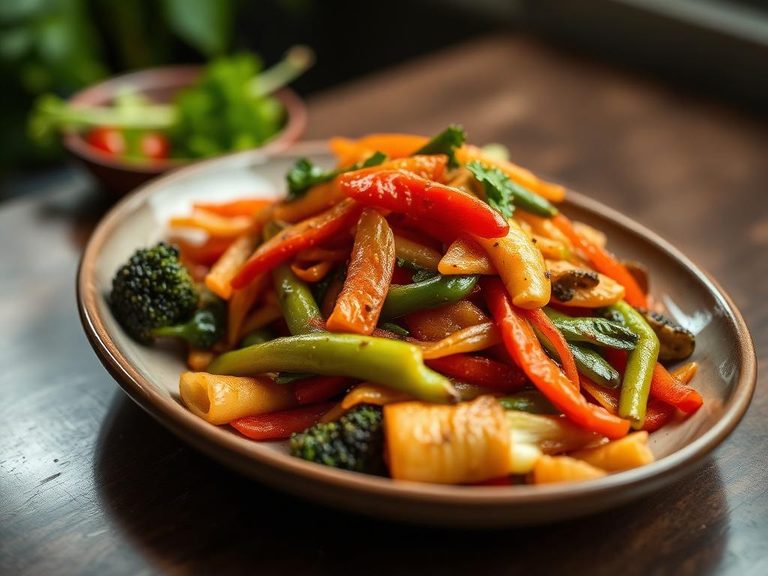
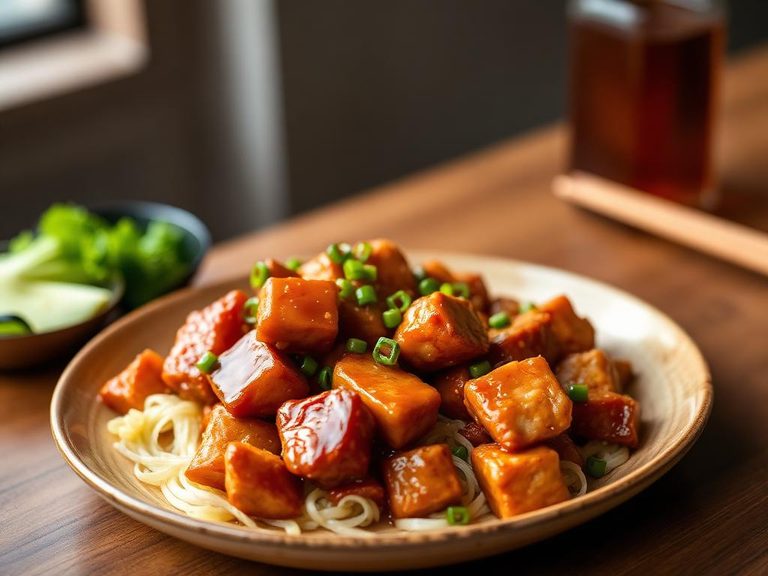
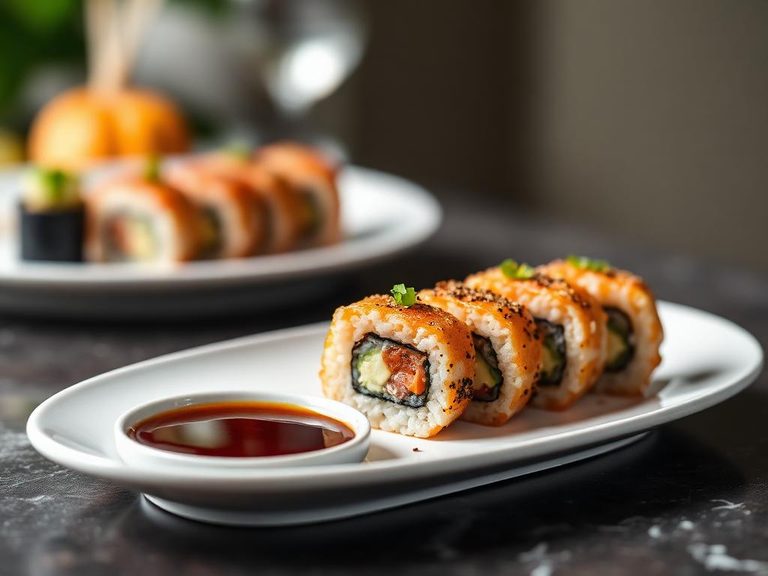
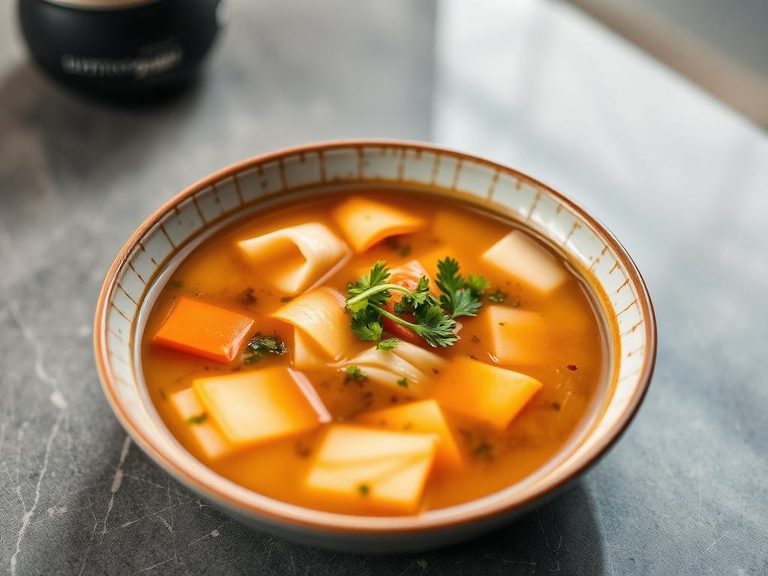
People love it for its unparalleled ability to add a savory, umami depth to dishes with just a few drops, making it a cornerstone of Asian cooking. Its versatility is legendary—it can be a dipping sauce, a marinade, a stir-fry base, or a finishing drizzle.
⚠️ Watch-outs & how to enjoy it better
Despite being 'reduced sodium,' it is still a high-sodium food, which can be a concern for those monitoring salt intake. It also contains soy, a common allergen, and may contain gluten from the added wheat. To mitigate sodium, use it as a flavor accent rather than the main salt source, and pair it with potassium-rich foods like vegetables or fresh herbs.
Key benefits
- Provides plant-based protein (9g per 100g)
- Significantly lower in sodium than regular soy sauce
- Contains antioxidants from fermentation
- Adds deep umami flavor with minimal fat
- Naturally low in sugar and calories
🍽️ Popular dishes
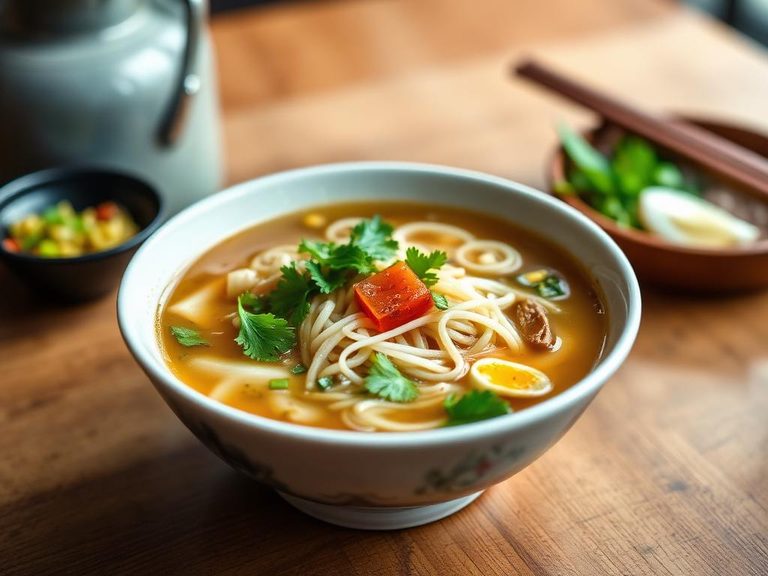
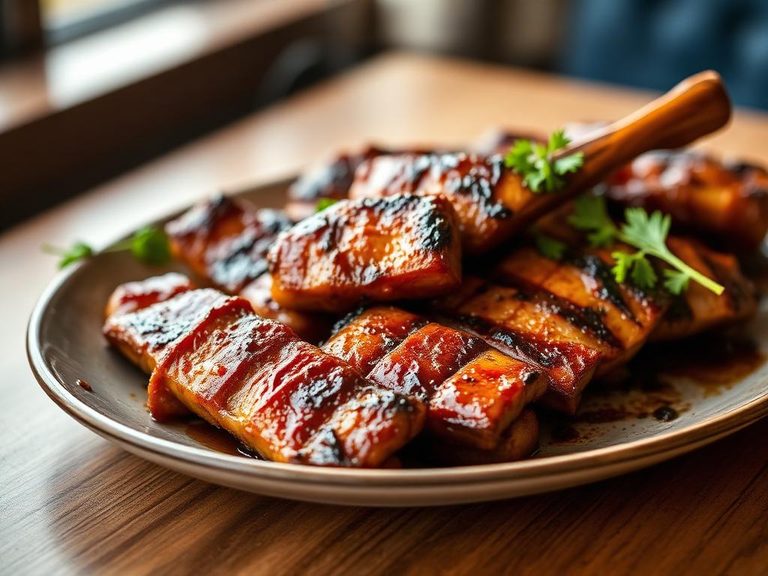
🌍 Where it's eaten
💡 Did you know?
The fermentation process for soy sauce can take anywhere from six months to several years, during which complex chemical reactions create over 300 distinct flavor compounds.
Full nutrition (USDA data · scales with serving)
| Water | 75.1 g |
| Energy | 57.0 kcal |
| Protein | 9.1 g |
| Total lipid (fat) | 0.30 g |
| Carbohydrate, by difference | 5.6 g |
| Fiber, total dietary | 0.70 g |
| Total Sugars | 0.50 g |
| Calcium, Ca | 30.0 mg |
| Iron, Fe | 1.4 mg |
| Magnesium, Mg | 69.0 mg |
| Phosphorus, P | 166 mg |
| Potassium, K | 352 mg |
| Sodium, Na | 3598 mg |
| Zinc, Zn | 0.79 mg |
| Copper, Cu | 0.05 mg |
| Selenium, Se | 0.50 ug |
| Vitamin C, total ascorbic acid | 0.00 mg |
| Thiamin | 0.04 mg |
| Riboflavin | 0.24 mg |
| Niacin | 1.1 mg |
| Vitamin B-6 | 0.16 mg |
| Folate, total | 44.0 ug |
| Folic acid | 0.00 ug |
| Folate, food | 44.0 ug |
| Folate, DFE | 44.0 ug |
| Choline, total | 30.8 mg |
| Vitamin B-12 | 0.00 ug |
| Vitamin B-12, added | 0.00 ug |
| Vitamin A, RAE | 0.00 ug |
| Retinol | 0.00 ug |
| Carotene, beta | 0.00 ug |
| Carotene, alpha | 0.00 ug |
| Cryptoxanthin, beta | 0.00 ug |
| Lycopene | 0.00 ug |
| Lutein + zeaxanthin | 0.00 ug |
| Vitamin E (alpha-tocopherol) | 0.41 mg |
| Vitamin E, added | 0.00 mg |
| Vitamin D (D2 + D3) | 0.00 ug |
| Vitamin K (phylloquinone) | 0.00 ug |
| Alcohol, ethyl | 0.00 g |
| Caffeine | 0.00 mg |
| Theobromine | 0.00 mg |
Fat & fatty acid profile (per 100g)
| Fatty acids, total saturated | 0.04 g |
| SFA 4:0 | 0.00 g |
| SFA 6:0 | 0.00 g |
| SFA 8:0 | 0.00 g |
| SFA 10:0 | 0.00 g |
| SFA 12:0 | 0.00 g |
| SFA 14:0 | 0.00 g |
| SFA 16:0 | 0.03 g |
| SFA 18:0 | 0.00 g |
| Fatty acids, total monounsaturated | 0.04 g |
| MUFA 16:1 | 0.00 g |
| MUFA 18:1 | 0.04 g |
| MUFA 20:1 | 0.00 g |
| MUFA 22:1 | 0.00 g |
| Fatty acids, total polyunsaturated | 0.14 g |
| PUFA 18:2 | 0.12 g |
| PUFA 18:3 | 0.01 g |
| PUFA 18:4 | 0.00 g |
| PUFA 20:4 | 0.00 g |
| PUFA 20:5 n-3 (EPA) | 0.00 g |
| PUFA 22:5 n-3 (DPA) | 0.00 g |
| PUFA 22:6 n-3 (DHA) | 0.00 g |
| Cholesterol | 0.00 mg |
Amino acid profile (per 100g)
Estimated from Soy sauce made from soy and wheat (shoyu), low sodium — USDA does not publish this profile for Soy sauce.
| Tryptophan | 0.00 g |
| Threonine | 0.38 g |
| Isoleucine | 0.41 g |
| Leucine | 0.59 g |
| Lysine | 0.34 g |
| Methionine | 0.09 g |
| Cystine | 0.00 g |
| Phenylalanine | 0.34 g |
| Tyrosine | 0.09 g |
| Valine | 0.43 g |
| Arginine | 0.49 g |
| Histidine | 0.17 g |
| Alanine | 0.65 g |
| Aspartic acid | 0.46 g |
| Glutamic acid | 1.7 g |
| Glycine | 0.33 g |
| Proline | 0.60 g |
| Serine | 0.48 g |
| Hydroxyproline | 0.00 g |
FAQ
How is reduced-sodium soy sauce made?
It's typically made by the same traditional fermentation of soybeans and wheat, but with a controlled, lower amount of salt added during the brining stage. Some modern methods may also use a process to extract salt after fermentation.
Can I use it as a 1:1 swap for regular soy sauce in recipes?
Yes, you can swap it directly. The flavor will be slightly less salty, so you may want to taste and adjust seasoning at the end of cooking. It works perfectly in marinades, dressings, and stir-fries.
Is it gluten-free?
Not necessarily. Traditional soy sauce contains wheat. For a gluten-free option, look for tamari, which is made with little to no wheat, or specifically labeled gluten-free reduced-sodium soy sauce.
Nutrient density (calculated · NRF9.3)
Nutrient Rich Foods index: beneficial nutrients (protein, fiber, vitamins, minerals) minus saturated fat, added sugar & sodium, per 100 kcal.
NRF9.3 index — Fulgoni, Keast & Drewnowski, 2009. Computed from USDA nutrients.
Weight-loss friendliness (composite index)
Energy density 0.57 kcal/g · 64% calories from protein · 0.7 g fiber · 0.5 g sugar per 100 g.
Composite of energy density (Rolls et al., 1999), protein & fiber satiety, minus sugar. A calculated heuristic — ranks satiety-per-calorie, not a clinical measure.
Dietary load (calculated from USDA values)
Potential renal acid load. Positive = acid-forming, negative = alkaline-forming.
Sodium-to-potassium ratio: 10.22 (lower is better — aim for ≤ 1)
Sodium:potassium per WHO potassium guidance. Computed from USDA nutrients.