

Soup, chicken broth, low sodium, canned
Whole food · Soups, Sauces, and Gravies

Photo: Wikipedia
Low-sodium canned chicken broth is a clear, savory liquid with a subtle, comforting chicken flavor and a light, watery texture. Nutritionally, it is extremely low in calories (16 kcal/100g) and provides a small amount of protein (2g) with minimal fat and carbohydrates. It serves as a foundational base for soups, stews, and sauces, offering a mild, umami-rich backdrop without overwhelming other ingredients.
Calorie split: 44% protein · 26% carbs · 30% fat
↓ Full nutrition💚 Why it's loved
People love it for its comforting, mild flavor and incredible versatility—it's the secret backbone of countless soups, risottos, and gravies. Its low-sodium version is particularly valued by those seeking to reduce salt intake without sacrificing depth of flavor in cooking.
⚠️ Watch-outs & how to enjoy it better
The low-sodium version can taste bland or flat to those accustomed to saltier broths, potentially requiring additional seasoning. For individuals with specific dietary needs, it may lack the richness of bone broth or homemade stock, and some commercial brands may contain additives or allergens like soy or wheat.
Key benefits
- Extremely low in calories, making it suitable for weight management.
- Provides a small but useful source of protein (2g per 100g).
- Low in fat (0.6g) and carbohydrates (1.2g), fitting low-carb or keto diets.
- Low-sodium formulation helps manage blood pressure and fluid retention.
- Versatile base for a wide range of savory dishes and beverages.
🍽️ Popular dishes
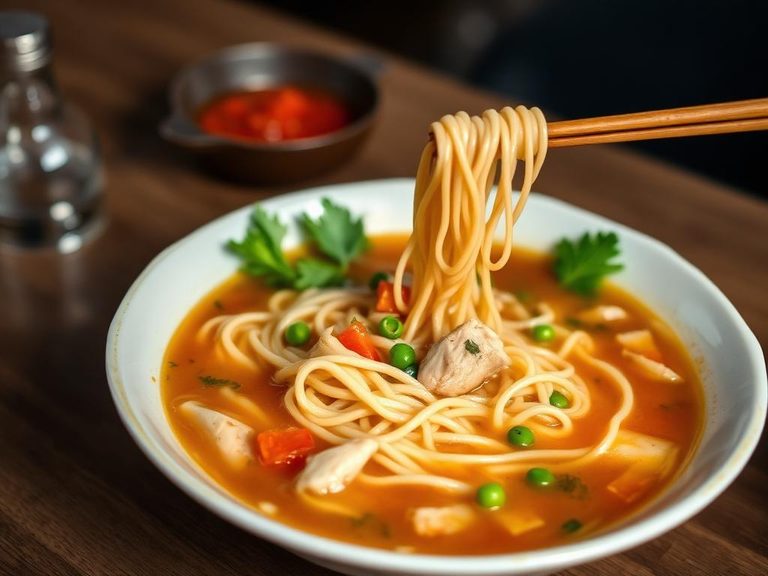
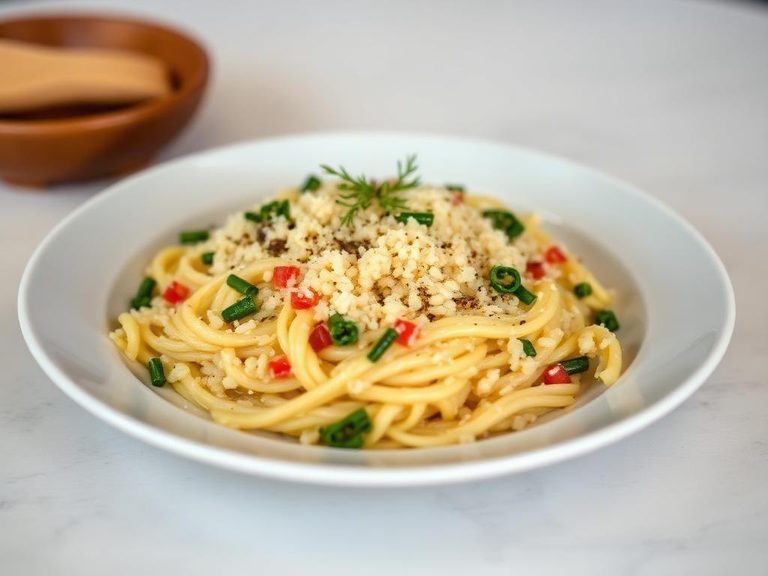
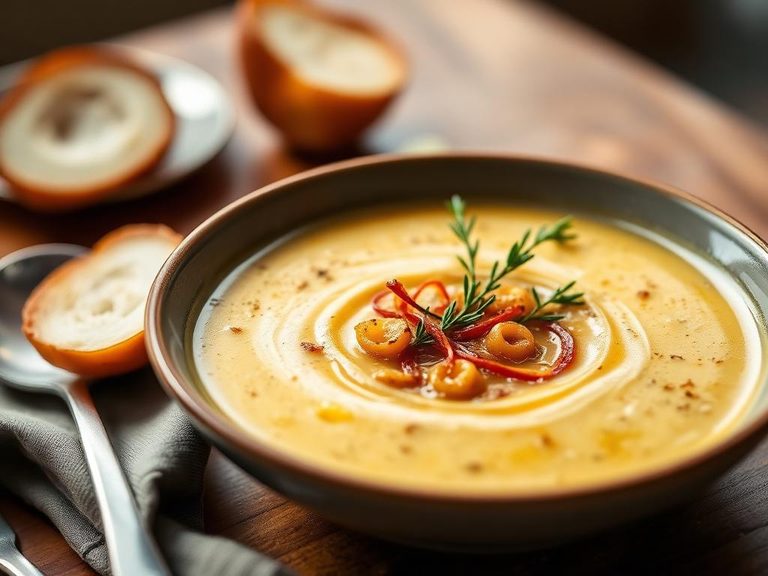
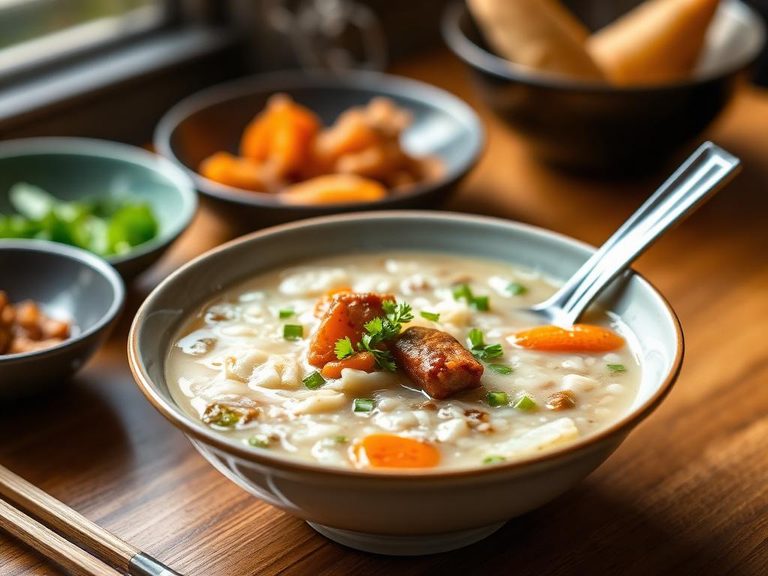
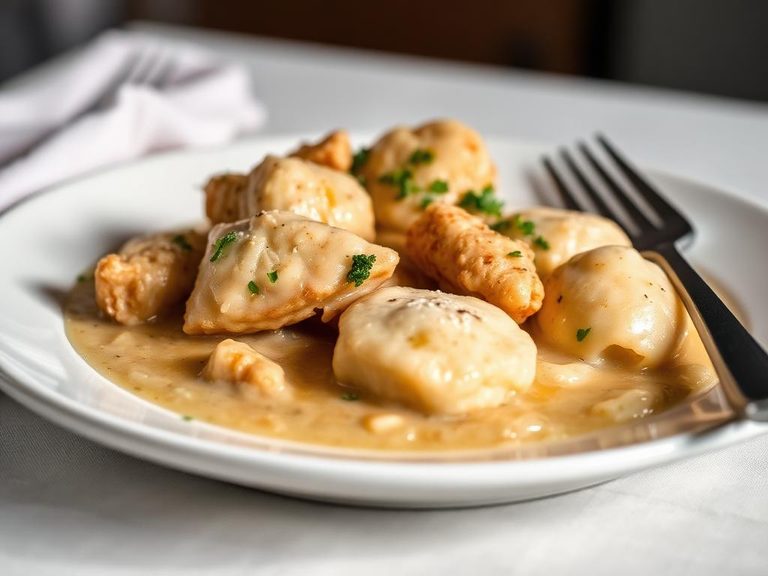
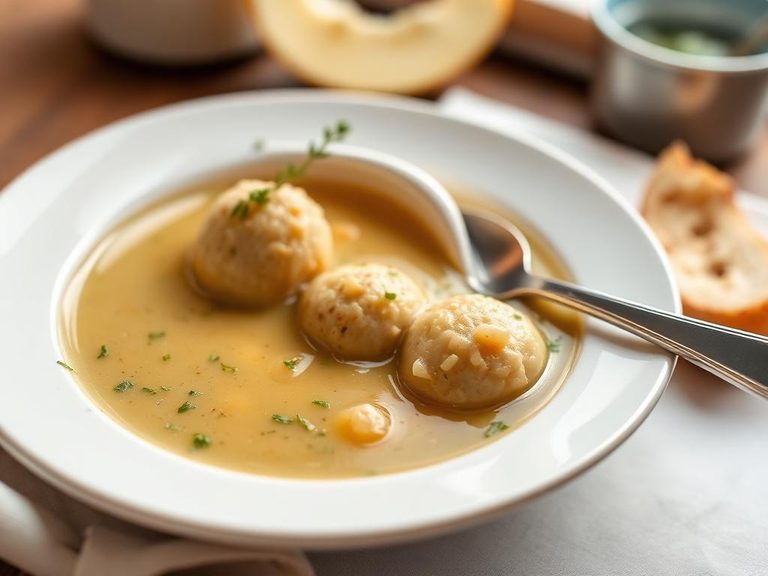
🌍 Where it's eaten
💡 Did you know?
The term 'bouillon' (French for 'broth') is often used interchangeably with 'broth' in culinary contexts, and low-sodium versions are frequently used in professional kitchens to control seasoning precisely.
Full nutrition (USDA data · scales with serving)
| Water | 96.0 g |
| Energy | 16.0 kcal |
| Energy | 67.0 kj |
| Protein | 2.0 g |
| Total lipid (fat) | 0.60 g |
| Ash | 0.20 g |
| Carbohydrate, by difference | 1.2 g |
| Fiber, total dietary | 0.00 g |
| Total Sugars | 0.13 g |
| Calcium, Ca | 4.0 mg |
| Iron, Fe | 0.21 mg |
| Magnesium, Mg | 1.0 mg |
| Phosphorus, P | 30.0 mg |
| Potassium, K | 86.0 mg |
| Sodium, Na | 30.0 mg |
| Zinc, Zn | 0.10 mg |
| Copper, Cu | 0.05 mg |
| Selenium, Se | 0.00 ug |
| Vitamin C, total ascorbic acid | 0.00 mg |
| Thiamin | 0.00 mg |
| Riboflavin | 0.03 mg |
| Niacin | 1.4 mg |
| Vitamin B-6 | 0.01 mg |
| Folate, total | 0.00 ug |
| Folic acid | 0.00 ug |
| Folate, food | 0.00 ug |
| Folate, DFE | 0.00 ug |
| Choline, total | 3.1 mg |
| Vitamin B-12 | 0.10 ug |
| Vitamin B-12, added | 0.00 ug |
| Vitamin A, RAE | 0.00 ug |
| Retinol | 0.00 ug |
| Carotene, beta | 0.00 ug |
| Carotene, alpha | 0.00 ug |
| Cryptoxanthin, beta | 0.00 ug |
| Vitamin A, IU | 0.00 iu |
| Lycopene | 0.00 ug |
| Lutein + zeaxanthin | 0.00 ug |
| Vitamin E (alpha-tocopherol) | 0.00 mg |
| Vitamin E, added | 0.00 mg |
| Vitamin D (D2 + D3), International Units | 0.00 iu |
| Vitamin D (D2 + D3) | 0.00 ug |
| Vitamin K (phylloquinone) | 0.00 ug |
| Alcohol, ethyl | 0.00 g |
| Caffeine | 0.00 mg |
| Theobromine | 0.00 mg |
Fat & fatty acid profile (per 100g)
| Fatty acids, total saturated | 0.18 g |
| SFA 4:0 | 0.00 g |
| SFA 6:0 | 0.00 g |
| SFA 8:0 | 0.00 g |
| SFA 10:0 | 0.00 g |
| SFA 12:0 | 0.00 g |
| SFA 14:0 | 0.01 g |
| SFA 16:0 | 0.14 g |
| SFA 18:0 | 0.03 g |
| Fatty acids, total monounsaturated | 0.27 g |
| MUFA 16:1 | 0.03 g |
| MUFA 18:1 | 0.23 g |
| MUFA 20:1 | 0.01 g |
| MUFA 22:1 | 0.00 g |
| Fatty acids, total polyunsaturated | 0.13 g |
| PUFA 18:2 | 0.12 g |
| PUFA 18:3 | 0.01 g |
| PUFA 18:4 | 0.00 g |
| PUFA 20:4 | 0.00 g |
| PUFA 20:5 n-3 (EPA) | 0.00 g |
| PUFA 22:5 n-3 (DPA) | 0.00 g |
| PUFA 22:6 n-3 (DHA) | 0.00 g |
| Cholesterol | 0.00 mg |
Amino acid profile (per 100g)
Estimated from Soup, bean with pork, canned, condensed — USDA does not publish this profile for Soup.
| Tryptophan | 0.06 g |
| Threonine | 0.24 g |
| Isoleucine | 0.29 g |
| Leucine | 0.48 g |
| Lysine | 0.40 g |
| Methionine | 0.07 g |
| Cystine | 0.07 g |
| Phenylalanine | 0.33 g |
| Tyrosine | 0.18 g |
| Valine | 0.32 g |
| Arginine | 0.31 g |
| Histidine | 0.15 g |
| Alanine | 0.29 g |
| Aspartic acid | 0.66 g |
| Glutamic acid | 1.1 g |
| Glycine | 0.28 g |
| Proline | 0.27 g |
| Serine | 0.29 g |
FAQ
Is low-sodium chicken broth healthy?
Yes, it's generally healthy due to its low calorie, fat, and sodium content, making it a good base for soups and cooking. However, it's not a significant source of nutrients on its own.
Can I drink low-sodium chicken broth straight?
Absolutely. It's often consumed as a warm, soothing beverage, especially when feeling under the weather, though it may taste mild without added seasonings.
How does low-sodium chicken broth differ from regular broth?
Low-sodium broth contains significantly less salt (often 50% less or more) than regular broth, making it better for those monitoring sodium intake, but it may require additional seasoning for flavor.
Nutrient density (calculated · NRF9.3)
Nutrient Rich Foods index: beneficial nutrients (protein, fiber, vitamins, minerals) minus saturated fat, added sugar & sodium, per 100 kcal.
NRF9.3 index — Fulgoni, Keast & Drewnowski, 2009. Computed from USDA nutrients.
Weight-loss friendliness (composite index)
Energy density 0.16 kcal/g · 50% calories from protein · 0.0 g fiber · 0.1 g sugar per 100 g.
Composite of energy density (Rolls et al., 1999), protein & fiber satiety, minus sugar. A calculated heuristic — ranks satiety-per-calorie, not a clinical measure.
Dietary load (calculated from USDA values)
Potential renal acid load. Positive = acid-forming, negative = alkaline-forming.
Sodium-to-potassium ratio: 0.35 (lower is better — aim for ≤ 1)
Sodium:potassium per WHO potassium guidance. Computed from USDA nutrients.