

Snacks, tortilla chips, light (baked with less oil)
Whole food · Snacks
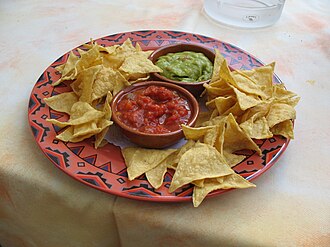
Photo: Wikipedia
Light tortilla chips are a baked, lower-oil version of the classic corn chip, delivering a satisfying crunch with a toasty, mildly salty corn flavor. Their texture is typically crisp and sturdy, making them ideal for dipping. Nutritionally, they offer a notable source of fiber and protein for a snack food, with significantly less fat than traditional fried chips.
Calorie split: 7% protein · 63% carbs · 29% fat
↓ Full nutrition💚 Why it's loved
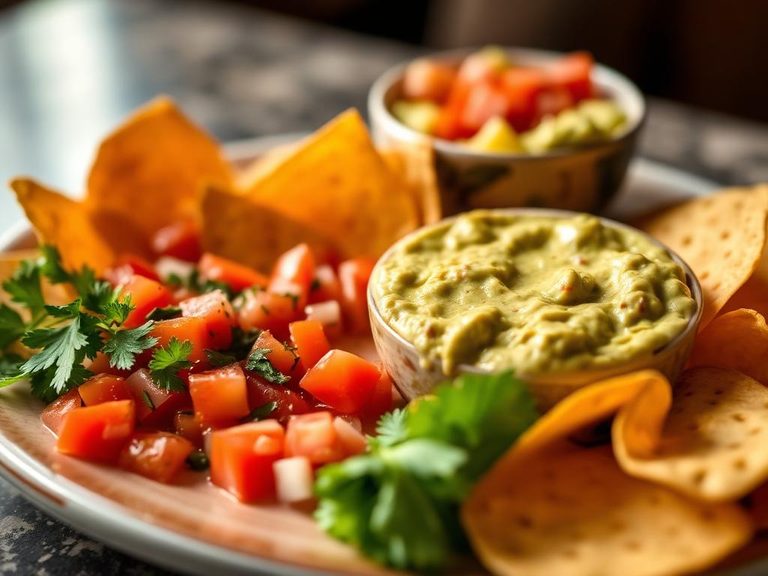
People love them for the guilt-free crunch and versatile, mild corn flavor that pairs perfectly with a wide array of dips, from classic guacamole to fresh salsa. They are a staple in casual gatherings and a go-to for a quick, savory snack.
⚠️ Watch-outs & how to enjoy it better
Despite being 'light,' they are still a processed snack high in refined carbohydrates, which can cause blood-sugar spikes if eaten alone. They are also commonly high in sodium. To counteract this, pair them with a protein-rich dip like hummus or bean dip, or with healthy fats like avocado, to slow digestion and increase satiety. Always check the label for sodium content and practice portion control.
Key benefits
- Lower in fat than traditional fried chips due to baking
- Good source of dietary fiber (5.7g per 100g)
- Provides plant-based protein (8.7g per 100g)
- A crunchy, satisfying snack option for calorie-conscious consumers
🍽️ Popular dishes
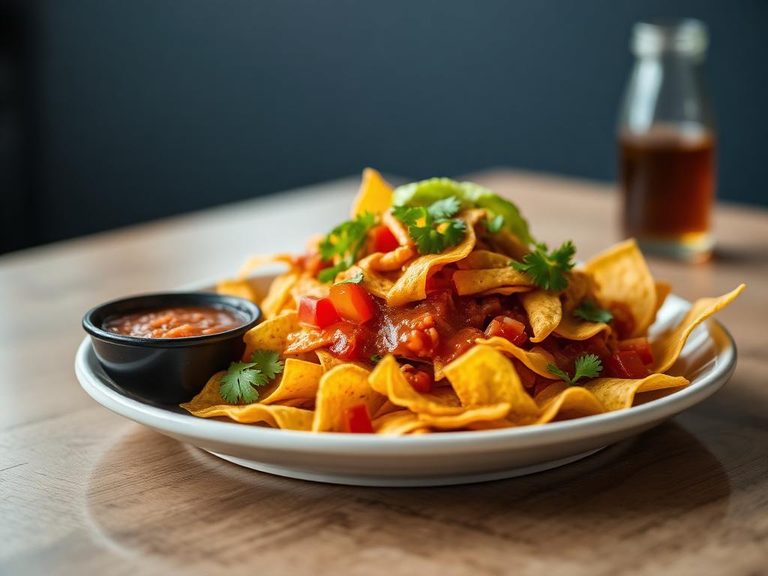
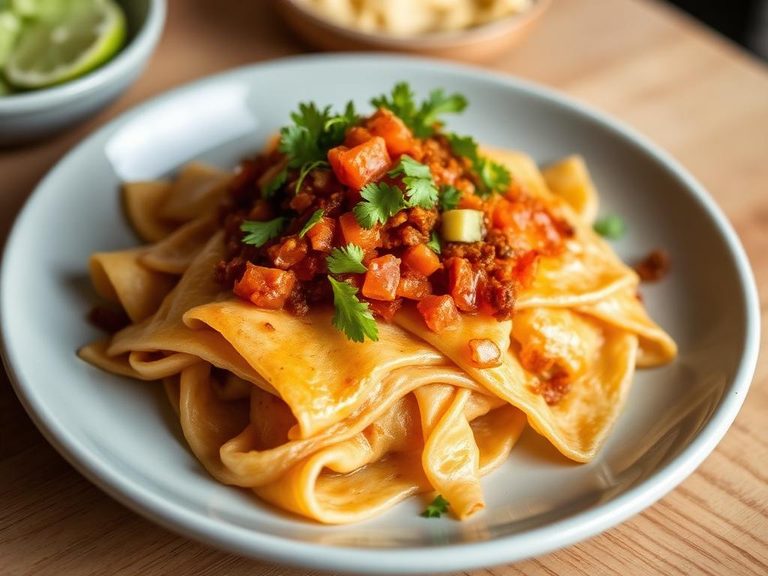
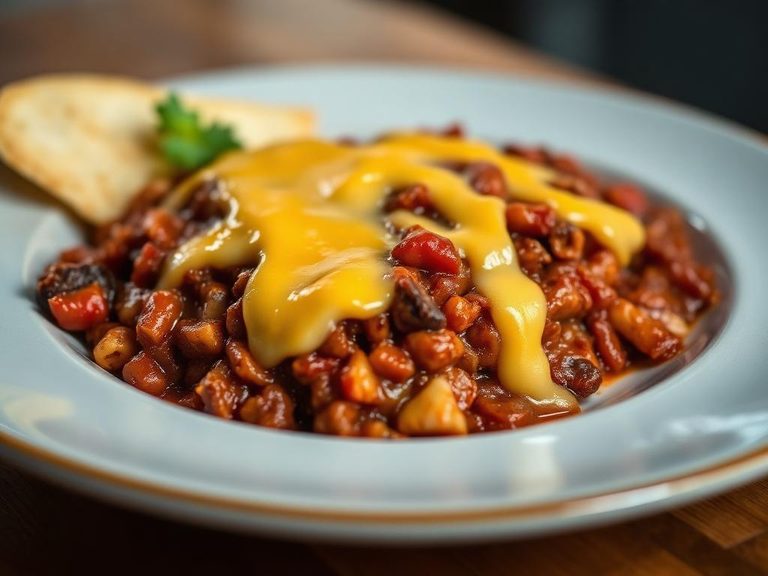
🌍 Where it's eaten
💡 Did you know?
The original tortilla chips were popularized in the United States by Rebecca Webb Carranza in the 1940s at her Los Angeles tortilla factory, who began selling the discarded, misshapen tortillas sliced and fried.
Full nutrition (USDA data · scales with serving)
| Water | 1.3 g |
| Energy | 465 kcal |
| Energy | 1946 kj |
| Protein | 8.7 g |
| Total lipid (fat) | 15.2 g |
| Ash | 1.9 g |
| Carbohydrate, by difference | 73.4 g |
| Fiber, total dietary | 5.7 g |
| Total Sugars | 0.53 g |
| Calcium, Ca | 159 mg |
| Iron, Fe | 1.6 mg |
| Magnesium, Mg | 97.0 mg |
| Phosphorus, P | 318 mg |
| Potassium, K | 272 mg |
| Sodium, Na | 400 mg |
| Zinc, Zn | 1.1 mg |
| Copper, Cu | 0.12 mg |
| Selenium, Se | 15.7 ug |
| Vitamin C, total ascorbic acid | 0.20 mg |
| Thiamin | 0.22 mg |
| Riboflavin | 0.28 mg |
| Niacin | 0.42 mg |
| Vitamin B-6 | 0.18 mg |
| Folate, total | 16.0 ug |
| Folic acid | 0.00 ug |
| Folate, food | 16.0 ug |
| Folate, DFE | 16.0 ug |
| Choline, total | 23.4 mg |
| Vitamin B-12 | 0.06 ug |
| Vitamin B-12, added | 0.00 ug |
| Vitamin A, RAE | 4.0 ug |
| Retinol | 0.00 ug |
| Carotene, beta | 37.0 ug |
| Carotene, alpha | 24.0 ug |
| Cryptoxanthin, beta | 0.00 ug |
| Vitamin A, IU | 81.0 iu |
| Lycopene | 0.00 ug |
| Lutein + zeaxanthin | 507 ug |
| Vitamin E (alpha-tocopherol) | 3.5 mg |
| Vitamin E, added | 0.00 mg |
| Vitamin D (D2 + D3), International Units | 0.00 iu |
| Vitamin D (D2 + D3) | 0.00 ug |
| Vitamin K (phylloquinone) | 0.70 ug |
| Alcohol, ethyl | 0.00 g |
| Caffeine | 0.00 mg |
| Theobromine | 0.00 mg |
Fat & fatty acid profile (per 100g)
| Fatty acids, total saturated | 2.8 g |
| SFA 4:0 | 0.03 g |
| SFA 6:0 | 0.01 g |
| SFA 8:0 | 0.01 g |
| SFA 10:0 | 0.02 g |
| SFA 12:0 | 0.02 g |
| SFA 14:0 | 0.09 g |
| SFA 16:0 | 1.6 g |
| SFA 18:0 | 0.37 g |
| Fatty acids, total monounsaturated | 6.3 g |
| MUFA 16:1 | 0.03 g |
| MUFA 18:1 | 6.1 g |
| MUFA 20:1 | 0.15 g |
| MUFA 22:1 | 0.00 g |
| Fatty acids, total polyunsaturated | 5.0 g |
| PUFA 18:2 | 5.0 g |
| PUFA 18:3 | 0.05 g |
| PUFA 18:4 | 0.00 g |
| PUFA 20:4 | 0.00 g |
| PUFA 20:5 n-3 (EPA) | 0.00 g |
| PUFA 22:5 n-3 (DPA) | 0.00 g |
| PUFA 22:6 n-3 (DHA) | 0.00 g |
| Cholesterol | 0.00 mg |
Amino acid profile (per 100g)
Estimated from Snacks, corn-based, extruded, chips, plain — USDA does not publish this profile for Snacks.
| Tryptophan | 0.05 g |
| Threonine | 0.25 g |
| Isoleucine | 0.23 g |
| Leucine | 0.80 g |
| Lysine | 0.18 g |
| Methionine | 0.14 g |
| Cystine | 0.12 g |
| Phenylalanine | 0.32 g |
| Tyrosine | 0.27 g |
| Valine | 0.33 g |
| Arginine | 0.33 g |
| Histidine | 0.20 g |
| Alanine | 0.49 g |
| Aspartic acid | 0.46 g |
| Glutamic acid | 1.2 g |
| Glycine | 0.27 g |
| Proline | 0.57 g |
| Serine | 0.31 g |
FAQ
Are baked tortilla chips significantly healthier than fried?
They are lower in total fat and calories per gram, as the baking process uses less oil. However, they remain a processed carbohydrate snack, so moderation is key.
What makes them 'light'?
The term 'light' typically indicates a reduction in fat (often by 25% or more) and sometimes calories compared to the standard version of the product, achieved through baking instead of frying.
Can I use these for dipping in hot cheese or chili?
Yes, but their lighter, crispier texture may become soggy faster than sturdier fried chips. They are best for medium-thickness dips like guacamole or salsa.
Nutrient density (calculated · NRF9.3)
Nutrient Rich Foods index: beneficial nutrients (protein, fiber, vitamins, minerals) minus saturated fat, added sugar & sodium, per 100 kcal.
NRF9.3 index — Fulgoni, Keast & Drewnowski, 2009. Computed from USDA nutrients.
Weight-loss friendliness (composite index)
Energy density 4.65 kcal/g · 7% calories from protein · 5.7 g fiber · 0.5 g sugar per 100 g.
Composite of energy density (Rolls et al., 1999), protein & fiber satiety, minus sugar. A calculated heuristic — ranks satiety-per-calorie, not a clinical measure.
Dietary load (calculated from USDA values)
Potential renal acid load. Positive = acid-forming, negative = alkaline-forming.
Sodium-to-potassium ratio: 1.47 (lower is better — aim for ≤ 1)
Sodium:potassium per WHO potassium guidance. Computed from USDA nutrients.