

Shrimp, dried
Common food

Photo: Wikipedia
Dried shrimp is a potent umami bomb, created by sun-drying or dehydrating small shrimp until they become hard, intensely flavored morsels. Its texture is chewy and slightly rubbery, with a concentrated briny-sweet flavor that permeates any dish it's added to. Nutritionally, it's a protein powerhouse with virtually no fat or carbs, making it a lean, nutrient-dense ingredient.
Calorie split: 87% protein · 0% carbs · 13% fat
↓ Full nutrition💚 Why it's loved
People love dried shrimp for its incredible depth of flavor that transforms simple dishes, acting as a natural seasoning and protein booster. It's a beloved staple in countless cuisines for its versatility, from being a crunchy garnish to a foundational ingredient in stocks and sauces.
⚠️ Watch-outs & how to enjoy it better
Dried shrimp is extremely high in sodium due to the curing process, which can be a concern for those monitoring salt intake. It is also a common shellfish allergen and can have a strong, pungent aroma that some find off-putting. To counteract the salt, rinse or soak it briefly in warm water before use, and always use it in moderation as a flavoring agent rather than a main protein.
Key benefits
- Exceptionally high in protein (51g per 100g)
- Naturally low in fat and carbohydrates
- Rich in minerals like calcium, phosphorus, and selenium
- Provides a long shelf life without refrigeration
- Concentrated source of umami flavor
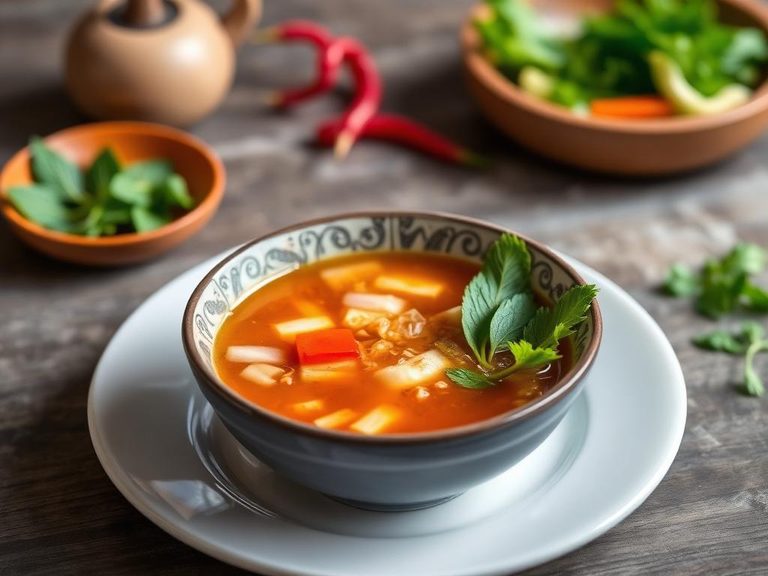
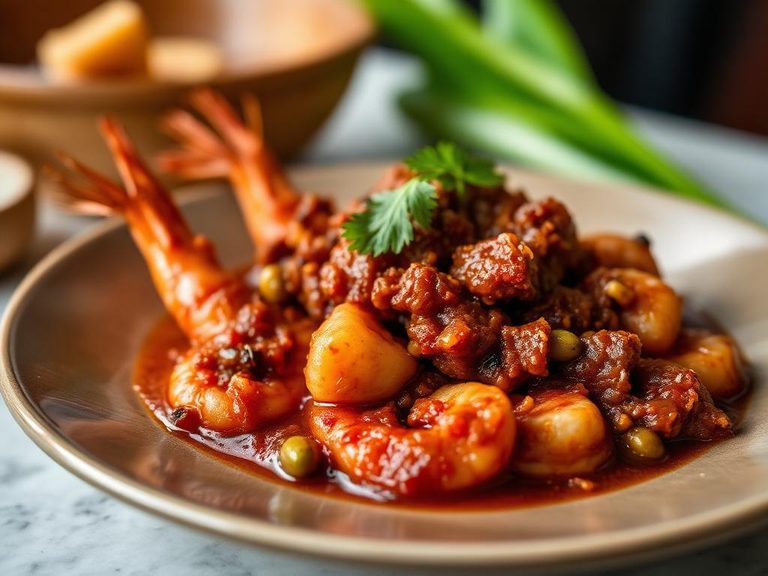
🍽️ Popular dishes
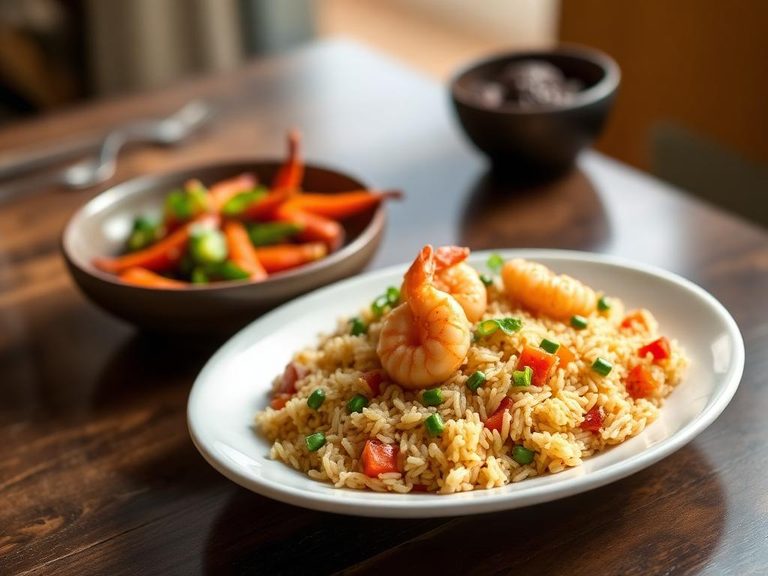
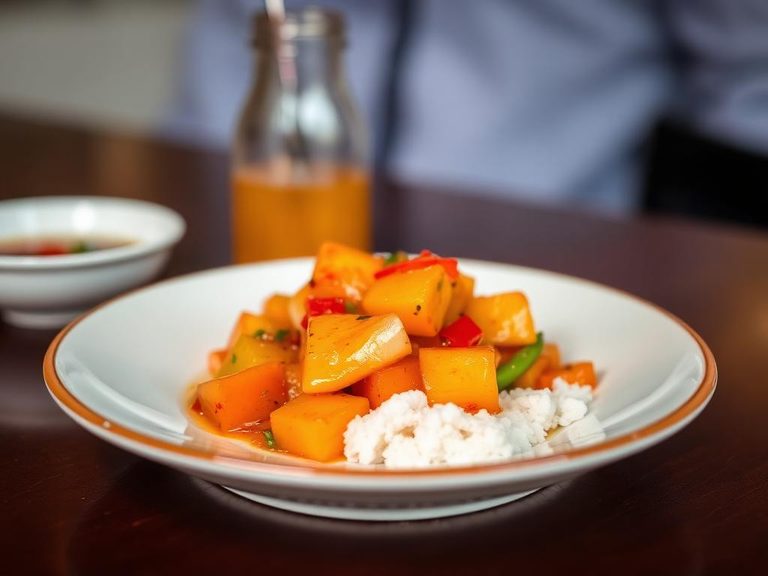
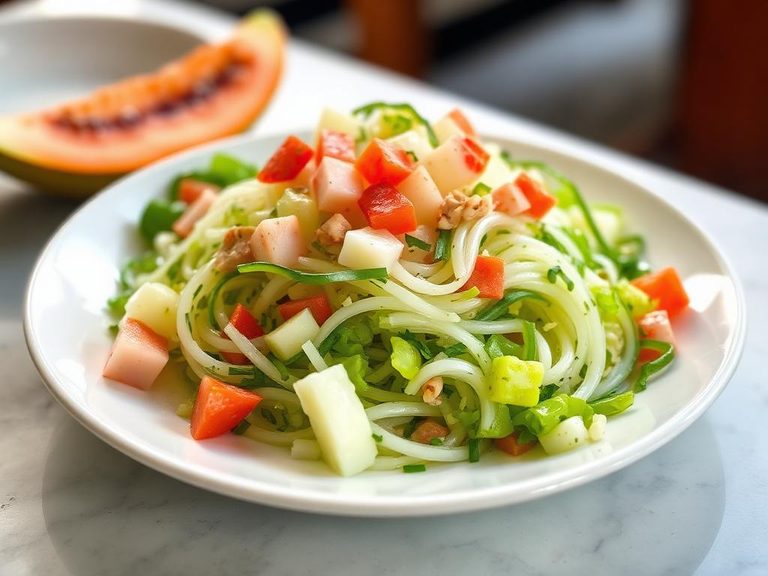
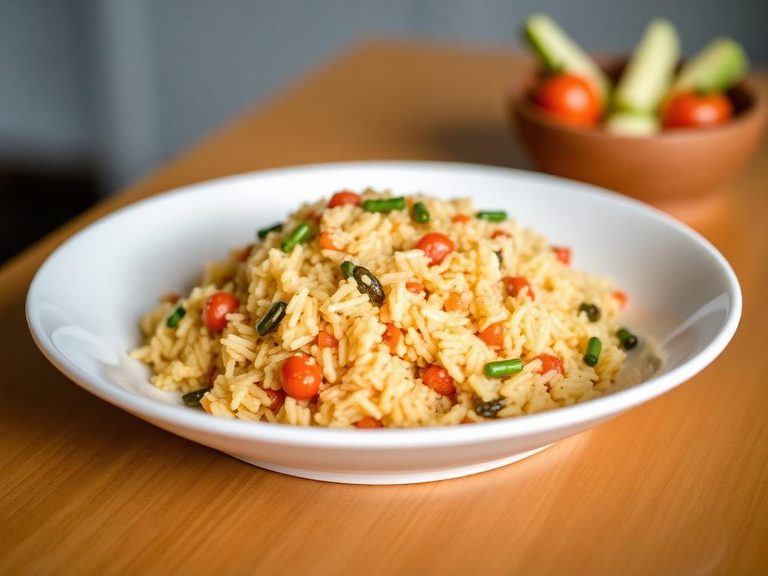
🌍 Where it's eaten
💡 Did you know?
In some coastal communities, the intense flavor of dried shrimp is so valued that it's historically been used as a form of currency or trade good.
Full nutrition (USDA data · scales with serving)
| Water | 39.6 g |
| Energy | 250 kcal |
| Protein | 51.0 g |
| Total lipid (fat) | 3.4 g |
| Carbohydrate, by difference | 0.00 g |
| Fiber, total dietary | 0.00 g |
| Total Sugars | 0.00 g |
| Calcium, Ca | 362 mg |
| Iron, Fe | 5.3 mg |
| Magnesium, Mg | 82.0 mg |
| Phosphorus, P | 488 mg |
| Potassium, K | 200 mg |
| Sodium, Na | 2175 mg |
| Zinc, Zn | 4.9 mg |
| Copper, Cu | 0.66 mg |
| Selenium, Se | 119 ug |
| Vitamin C, total ascorbic acid | 10.2 mg |
| Thiamin | 0.02 mg |
| Riboflavin | 0.04 mg |
| Niacin | 1.4 mg |
| Vitamin B-6 | 0.03 mg |
| Folate, total | 22.0 ug |
| Folic acid | 0.00 ug |
| Folate, food | 22.0 ug |
| Folate, DFE | 22.0 ug |
| Choline, total | 202 mg |
| Vitamin B-12 | 1.9 ug |
| Vitamin B-12, added | 0.00 ug |
| Vitamin A, RAE | 0.00 ug |
| Retinol | 0.00 ug |
| Carotene, beta | 0.00 ug |
| Carotene, alpha | 0.00 ug |
| Cryptoxanthin, beta | 0.00 ug |
| Lycopene | 0.00 ug |
| Lutein + zeaxanthin | 0.00 ug |
| Vitamin E (alpha-tocopherol) | 2.8 mg |
| Vitamin E, added | 0.00 mg |
| Vitamin D (D2 + D3) | 0.00 ug |
| Vitamin K (phylloquinone) | 0.00 ug |
| Alcohol, ethyl | 0.00 g |
| Caffeine | 0.00 mg |
| Theobromine | 0.00 mg |
Fat & fatty acid profile (per 100g)
| Fatty acids, total saturated | 0.47 g |
| SFA 4:0 | 0.00 g |
| SFA 6:0 | 0.00 g |
| SFA 8:0 | 0.00 g |
| SFA 10:0 | 0.00 g |
| SFA 12:0 | 0.00 g |
| SFA 14:0 | 0.01 g |
| SFA 16:0 | 0.21 g |
| SFA 18:0 | 0.17 g |
| Fatty acids, total monounsaturated | 0.27 g |
| MUFA 16:1 | 0.05 g |
| MUFA 18:1 | 0.17 g |
| MUFA 20:1 | 0.01 g |
| MUFA 22:1 | 0.01 g |
| Fatty acids, total polyunsaturated | 1.7 g |
| PUFA 18:2 | 0.04 g |
| PUFA 18:3 | 0.02 g |
| PUFA 18:4 | 0.02 g |
| PUFA 20:4 | 0.11 g |
| PUFA 20:5 n-3 (EPA) | 0.73 g |
| PUFA 22:5 n-3 (DPA) | 0.13 g |
| PUFA 22:6 n-3 (DHA) | 0.63 g |
| Cholesterol | 630 mg |
Amino acid profile (per 100g)
Estimated from Crustaceans, shrimp, mixed species, cooked, breaded and fried — USDA does not publish this profile for Shrimp.
| Tryptophan | 0.30 g |
| Threonine | 0.86 g |
| Isoleucine | 1.0 g |
| Leucine | 1.7 g |
| Lysine | 1.8 g |
| Methionine | 0.59 g |
| Cystine | 0.26 g |
| Phenylalanine | 0.93 g |
| Tyrosine | 0.72 g |
| Valine | 1.0 g |
| Arginine | 1.8 g |
| Histidine | 0.44 g |
| Alanine | 1.2 g |
| Aspartic acid | 2.1 g |
| Glutamic acid | 3.9 g |
| Glycine | 1.2 g |
| Proline | 0.83 g |
| Serine | 0.89 g |
FAQ
How do I rehydrate dried shrimp?
Soak them in warm water for 15-30 minutes until plump and softened. You can also use the flavorful soaking liquid as a stock base.
Can I eat dried shrimp straight from the bag?
While technically safe, they are very hard and intensely salty. They are best used as a cooking ingredient or garnish after rehydrating or toasting.
What's the difference between dried shrimp and shrimp powder?
Dried shrimp are whole or halved, chewy pieces. Shrimp powder is made by grinding them into a fine, flour-like consistency for easier incorporation into spice blends.
Nutrient density (calculated · NRF9.3)
Nutrient Rich Foods index: beneficial nutrients (protein, fiber, vitamins, minerals) minus saturated fat, added sugar & sodium, per 100 kcal.
NRF9.3 index — Fulgoni, Keast & Drewnowski, 2009. Computed from USDA nutrients.
Weight-loss friendliness (composite index)
Energy density 2.50 kcal/g · 82% calories from protein · 0.0 g fiber · 0.0 g sugar per 100 g.
Composite of energy density (Rolls et al., 1999), protein & fiber satiety, minus sugar. A calculated heuristic — ranks satiety-per-calorie, not a clinical measure.
Dietary load (calculated from USDA values)
Potential renal acid load. Positive = acid-forming, negative = alkaline-forming.
Sodium-to-potassium ratio: 10.88 (lower is better — aim for ≤ 1)
Sodium:potassium per WHO potassium guidance. Computed from USDA nutrients.