

Shortening, NS as to vegetable or animal
Common food

Photo: Wikipedia
Shortening is a solid, shelf-stable fat used for baking and frying, with a neutral flavor and a smooth, plastic-like texture at room temperature. It's 99.97% pure fat, providing a dense source of calories (884 kcal per 100g) with no protein, carbs, or micronutrients. Its primary culinary role is to create tender, flaky textures in baked goods.
Calorie split: 0% protein · 0% carbs · 100% fat
↓ Full nutrition💚 Why it's loved
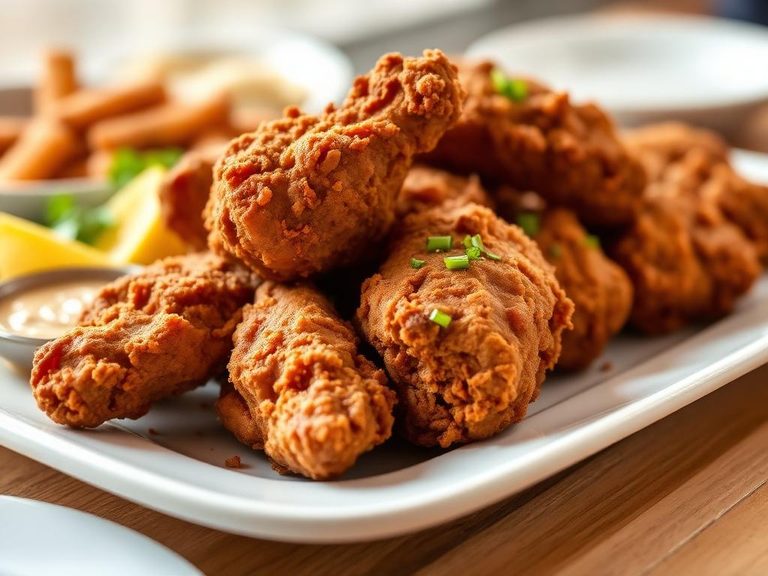
Bakers adore shortening for its ability to produce perfectly flaky, tender pastries without the flavor interference of butter. Its versatility and reliability make it a staple in commercial and home kitchens for everything from cookies to fried chicken.
⚠️ Watch-outs & how to enjoy it better
Traditional shortening contains trans fats from partial hydrogenation, which are linked to heart health concerns. As a pure fat with zero nutrients, it offers 'empty calories' and can contribute to excessive calorie intake. To counteract, use sparingly, opt for newer trans-fat-free formulations, and balance meals with nutrient-dense foods.
Key benefits
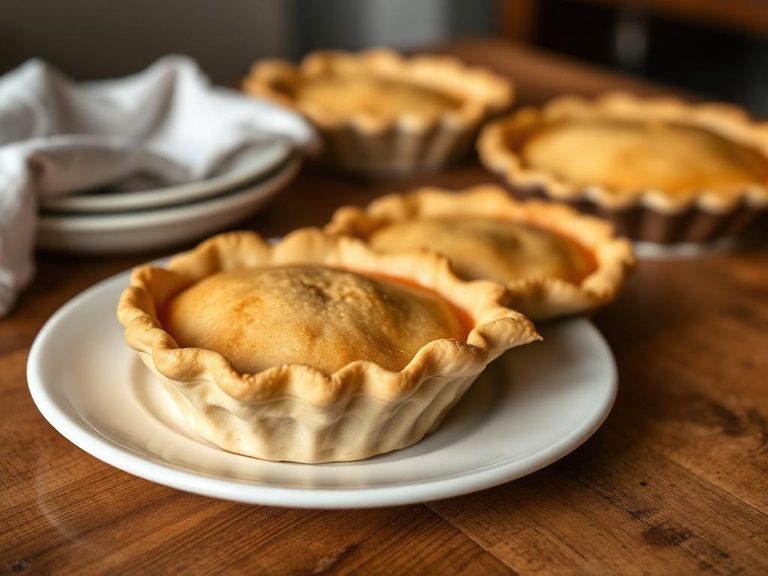
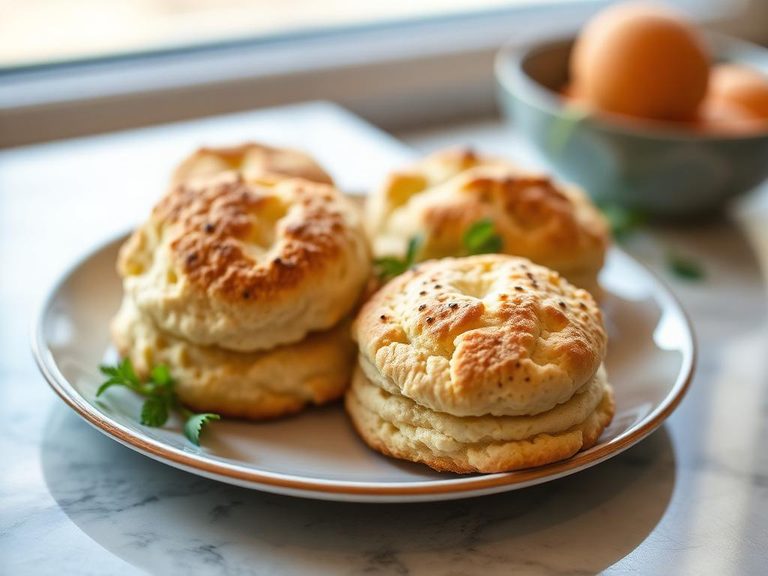
- Creates exceptionally flaky pie crusts and tender biscuits
- High smoke point ideal for deep-frying
- Neutral flavor doesn't interfere with other ingredients
- Long shelf life due to hydrogenation
- Provides consistent, reliable results in baking
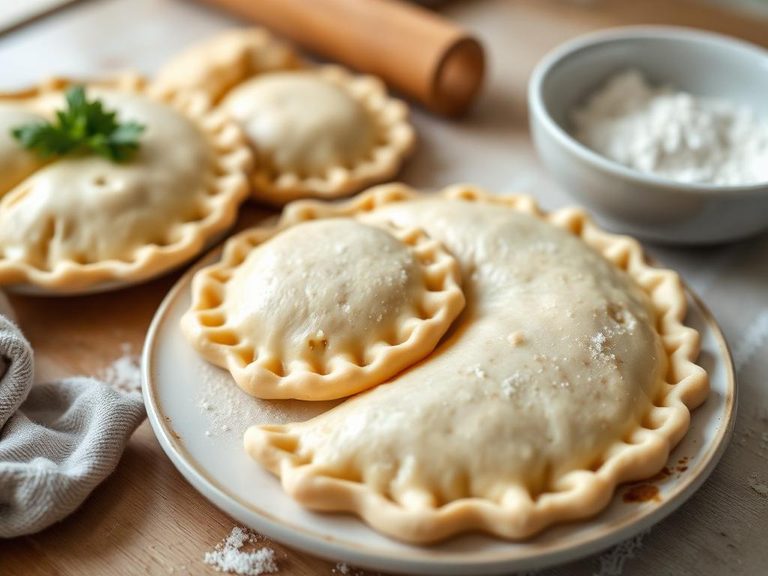
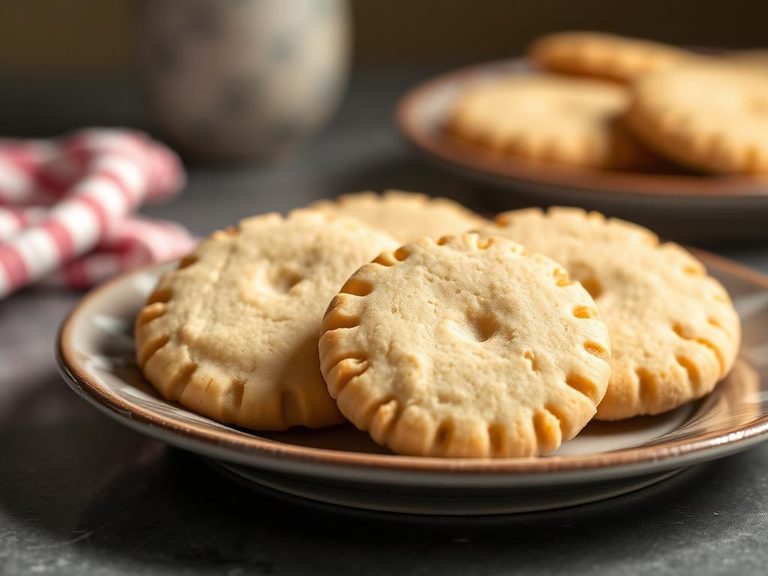
🍽️ Popular dishes
🌍 Where it's eaten
💡 Did you know?
The brand name 'Crisco' was created from 'crystallized cottonseed oil' and its iconic blue can was one of the first products to be marketed with nutritional information.
Full nutrition (USDA data · scales with serving)
| Water | 0.00 g |
| Energy | 884 kcal |
| Protein | 0.00 g |
| Total lipid (fat) | 100.0 g |
| Carbohydrate, by difference | 0.00 g |
| Fiber, total dietary | 0.00 g |
| Total Sugars | 0.00 g |
| Calcium, Ca | 1.0 mg |
| Iron, Fe | 0.07 mg |
| Magnesium, Mg | 0.00 mg |
| Phosphorus, P | 0.00 mg |
| Potassium, K | 0.00 mg |
| Sodium, Na | 4.0 mg |
| Zinc, Zn | 0.00 mg |
| Copper, Cu | 0.00 mg |
| Selenium, Se | 0.00 ug |
| Vitamin C, total ascorbic acid | 0.00 mg |
| Thiamin | 0.02 mg |
| Riboflavin | 0.00 mg |
| Niacin | 0.00 mg |
| Vitamin B-6 | 0.00 mg |
| Folate, total | 0.00 ug |
| Folic acid | 0.00 ug |
| Folate, food | 0.00 ug |
| Folate, DFE | 0.00 ug |
| Choline, total | 0.20 mg |
| Vitamin B-12 | 0.00 ug |
| Vitamin B-12, added | 0.00 ug |
| Vitamin A, RAE | 0.00 ug |
| Retinol | 0.00 ug |
| Carotene, beta | 0.00 ug |
| Carotene, alpha | 0.00 ug |
| Cryptoxanthin, beta | 0.00 ug |
| Lycopene | 0.00 ug |
| Lutein + zeaxanthin | 0.00 ug |
| Vitamin E (alpha-tocopherol) | 6.1 mg |
| Vitamin E, added | 0.00 mg |
| Vitamin D (D2 + D3) | 0.00 ug |
| Vitamin K (phylloquinone) | 53.2 ug |
| Alcohol, ethyl | 0.00 g |
| Caffeine | 0.00 mg |
| Theobromine | 0.00 mg |
Fat & fatty acid profile (per 100g)
| Fatty acids, total saturated | 25.0 g |
| SFA 4:0 | 0.00 g |
| SFA 6:0 | 0.00 g |
| SFA 8:0 | 0.00 g |
| SFA 10:0 | 0.00 g |
| SFA 12:0 | 0.00 g |
| SFA 14:0 | 0.17 g |
| SFA 16:0 | 12.5 g |
| SFA 18:0 | 11.4 g |
| Fatty acids, total monounsaturated | 41.2 g |
| MUFA 16:1 | 0.02 g |
| MUFA 18:1 | 41.1 g |
| MUFA 20:1 | 0.09 g |
| MUFA 22:1 | 0.00 g |
| Fatty acids, total polyunsaturated | 28.1 g |
| PUFA 18:2 | 26.2 g |
| PUFA 18:3 | 1.9 g |
| PUFA 18:4 | 0.00 g |
| PUFA 20:4 | 0.00 g |
| PUFA 20:5 n-3 (EPA) | 0.00 g |
| PUFA 22:5 n-3 (DPA) | 0.00 g |
| PUFA 22:6 n-3 (DHA) | 0.00 g |
| Cholesterol | 0.00 mg |
Amino acid profile (per 100g)
Estimated from Shortening, industrial, soy (partially hydrogenated), pourable liquid fry shortening — USDA does not publish this profile for Shortening.
| Tryptophan | 0.00 g |
| Threonine | 0.00 g |
| Isoleucine | 0.00 g |
| Leucine | 0.00 g |
| Lysine | 0.00 g |
| Methionine | 0.00 g |
| Cystine | 0.00 g |
| Phenylalanine | 0.00 g |
| Tyrosine | 0.00 g |
| Valine | 0.00 g |
| Arginine | 0.00 g |
| Histidine | 0.00 g |
| Alanine | 0.00 g |
| Aspartic acid | 0.00 g |
| Glutamic acid | 0.00 g |
| Glycine | 0.00 g |
| Proline | 0.00 g |
| Serine | 0.00 g |
FAQ
What is the difference between shortening and butter?
Shortening is 100% fat with a higher melting point, creating flakier layers. Butter contains water and milk solids, adding flavor but less flakiness. Shortening is often used for texture, while butter is used for flavor.
Is shortening the same as lard?
No. Lard is rendered pig fat, while shortening is typically hydrogenated vegetable oil. Both are solid fats used similarly in baking, but lard has a distinct flavor and different fatty acid profile.
Can I substitute butter for shortening?
Yes, but with adjustments. Use 1 cup butter for every 1 cup shortening, and expect a richer flavor but slightly less flaky texture. For best results in pie crusts, chill the butter thoroughly.
Nutrient density (calculated · NRF9.3)
Nutrient Rich Foods index: beneficial nutrients (protein, fiber, vitamins, minerals) minus saturated fat, added sugar & sodium, per 100 kcal.
NRF9.3 index — Fulgoni, Keast & Drewnowski, 2009. Computed from USDA nutrients.
Weight-loss friendliness (composite index)
Energy density 8.84 kcal/g · 0% calories from protein · 0.0 g fiber · 0.0 g sugar per 100 g.
Composite of energy density (Rolls et al., 1999), protein & fiber satiety, minus sugar. A calculated heuristic — ranks satiety-per-calorie, not a clinical measure.
Dietary load (calculated from USDA values)
Potential renal acid load. Positive = acid-forming, negative = alkaline-forming.
Sodium:potassium per WHO potassium guidance. Computed from USDA nutrients.