

Sesame seeds
Common food

Photo: Wikipedia
Sesame seeds are tiny, flat, teardrop-shaped seeds from the *Sesamum indicum* plant, prized for their rich, nutty flavor and satisfying crunch. Available in pale white, deep black, or golden hues, they offer a dense nutritional profile with a high concentration of healthy fats and plant-based protein. These seeds are a powerhouse of minerals, particularly copper, manganese, and calcium, making them a nutrient-dense addition to a wide variety of global cuisines.
Calorie split: 12% protein · 7% carbs · 81% fat
↓ Full nutrition💚 Why it's loved
People love sesame seeds for their deep, toasty flavor and the delightful crunch they add to both sweet and savory dishes. Their incredible versatility allows them to be used as a topping, a paste (tahini), or a primary ingredient, making them a staple in many cultural food traditions.
⚠️ Watch-outs & how to enjoy it better
Sesame is a common and potent allergen, so individuals with a known allergy must avoid it entirely. For others, their high fat and calorie density means portion control is key to avoid unintentional calorie surplus. To counteract this, use them sparingly as a garnish or flavor enhancer rather than a main ingredient, and be mindful of their presence in processed foods like hummus or bread.
Key benefits
- Excellent source of healthy monounsaturated and polyunsaturated fats.
- Rich in plant-based protein, providing over 20g per 100g.
- High in dietary fiber, which supports digestive health.
- Contains significant amounts of copper, manganese, and calcium.
- Provides antioxidants like sesamin and sesamolin.
🍽️ Popular dishes

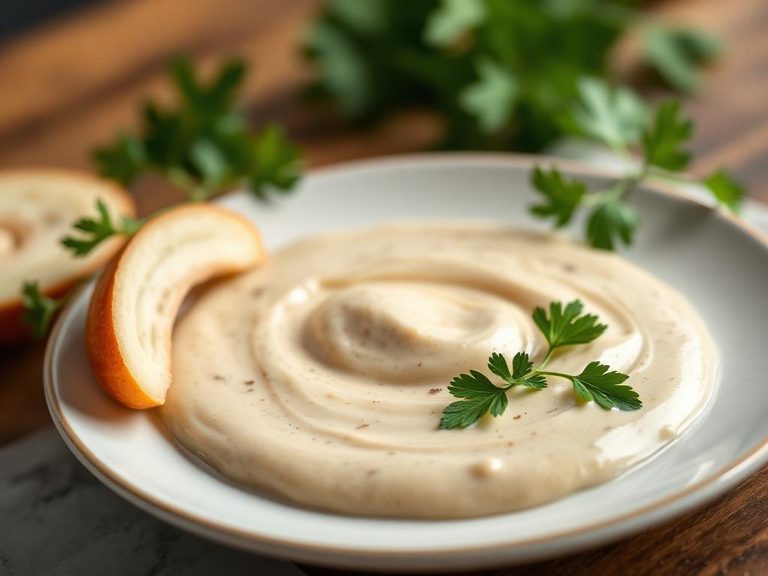
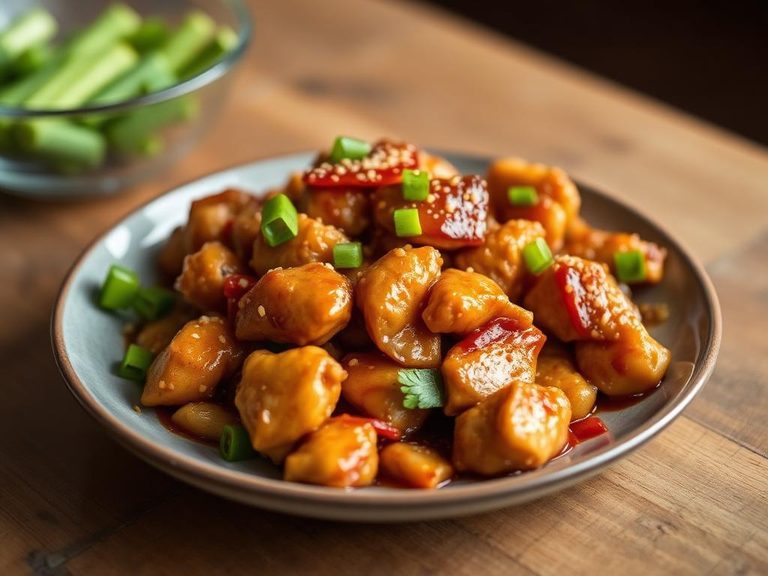
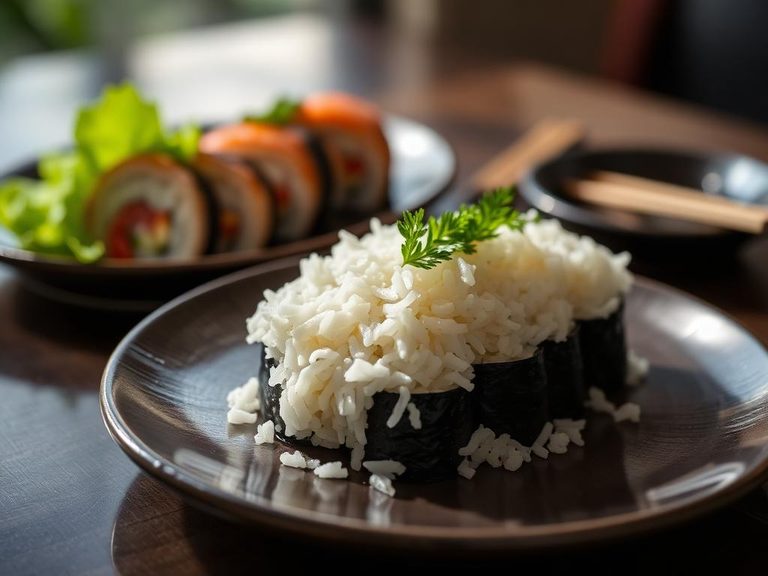
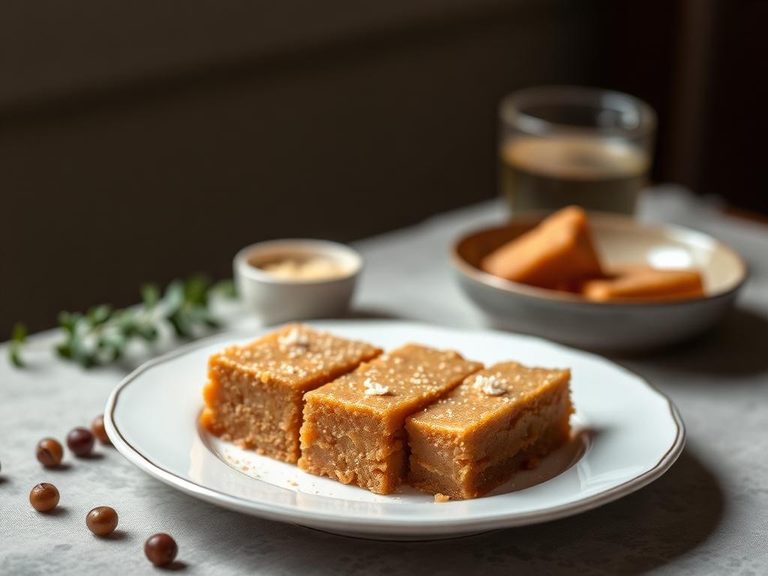
🌍 Where it's eaten
💡 Did you know?
Ancient Egyptians placed sesame seeds in the pharaohs' tombs as a food for the afterlife, and the phrase 'Open Sesame' from *Ali Baba and the Forty Thieves* likely refers to the way the seed pod bursts open when ripe.
Full nutrition (USDA data · scales with serving)
| Water | 3.8 g |
| Energy | 631 kcal |
| Protein | 20.4 g |
| Total lipid (fat) | 61.2 g |
| Carbohydrate, by difference | 11.7 g |
| Fiber, total dietary | 11.6 g |
| Total Sugars | 0.48 g |
| Calcium, Ca | 60.0 mg |
| Iron, Fe | 6.4 mg |
| Magnesium, Mg | 345 mg |
| Phosphorus, P | 667 mg |
| Potassium, K | 370 mg |
| Sodium, Na | 47.0 mg |
| Zinc, Zn | 6.7 mg |
| Copper, Cu | 1.4 mg |
| Selenium, Se | 34.4 ug |
| Vitamin C, total ascorbic acid | 0.00 mg |
| Thiamin | 0.70 mg |
| Riboflavin | 0.09 mg |
| Niacin | 5.8 mg |
| Vitamin B-6 | 0.40 mg |
| Folate, total | 115 ug |
| Folic acid | 0.00 ug |
| Folate, food | 115 ug |
| Folate, DFE | 115 ug |
| Choline, total | 25.6 mg |
| Vitamin B-12 | 0.00 ug |
| Vitamin B-12, added | 0.00 ug |
| Vitamin A, RAE | 3.0 ug |
| Retinol | 0.00 ug |
| Carotene, beta | 40.0 ug |
| Carotene, alpha | 0.00 ug |
| Cryptoxanthin, beta | 0.00 ug |
| Lycopene | 0.00 ug |
| Lutein + zeaxanthin | 0.00 ug |
| Vitamin E (alpha-tocopherol) | 1.7 mg |
| Vitamin E, added | 0.00 mg |
| Vitamin D (D2 + D3) | 0.00 ug |
| Vitamin K (phylloquinone) | 0.00 ug |
| Alcohol, ethyl | 0.00 g |
| Caffeine | 0.00 mg |
| Theobromine | 0.00 mg |
Fat & fatty acid profile (per 100g)
| Fatty acids, total saturated | 9.1 g |
| SFA 4:0 | 0.00 g |
| SFA 6:0 | 0.00 g |
| SFA 8:0 | 0.00 g |
| SFA 10:0 | 0.00 g |
| SFA 12:0 | 0.00 g |
| SFA 14:0 | 0.00 g |
| SFA 16:0 | 5.3 g |
| SFA 18:0 | 3.3 g |
| Fatty acids, total monounsaturated | 23.9 g |
| MUFA 16:1 | 0.10 g |
| MUFA 18:1 | 23.6 g |
| MUFA 20:1 | 0.12 g |
| MUFA 22:1 | 0.07 g |
| Fatty acids, total polyunsaturated | 25.5 g |
| PUFA 18:2 | 25.2 g |
| PUFA 18:3 | 0.26 g |
| PUFA 18:4 | 0.00 g |
| PUFA 20:4 | 0.00 g |
| PUFA 20:5 n-3 (EPA) | 0.00 g |
| PUFA 22:5 n-3 (DPA) | 0.00 g |
| PUFA 22:6 n-3 (DHA) | 0.00 g |
| Cholesterol | 0.00 mg |
Amino acid profile (per 100g)
Estimated from Seeds, sesame seeds, whole, dried — USDA does not publish this profile for Sesame seeds.
| Tryptophan | 0.39 g |
| Threonine | 0.74 g |
| Isoleucine | 0.76 g |
| Leucine | 1.4 g |
| Lysine | 0.57 g |
| Methionine | 0.59 g |
| Cystine | 0.36 g |
| Phenylalanine | 0.94 g |
| Tyrosine | 0.74 g |
| Valine | 0.99 g |
| Arginine | 2.6 g |
| Histidine | 0.52 g |
| Alanine | 0.93 g |
| Aspartic acid | 1.6 g |
| Glutamic acid | 4.0 g |
| Glycine | 1.2 g |
| Proline | 0.81 g |
| Serine | 0.97 g |
FAQ
What is the difference between white and black sesame seeds?
White sesame seeds have a milder, nuttier flavor and are often used in baking and for garnishing. Black sesame seeds have a stronger, slightly bitter taste and are commonly used in Asian desserts, savory dishes, and for their higher antioxidant content.
Are sesame seeds a good source of calcium?
Yes, sesame seeds are an excellent plant-based source of calcium, with about 975 mg per 100g. They are particularly beneficial for those on a dairy-free diet, though the calcium is best absorbed when the seeds are ground or soaked.
How should I store sesame seeds to keep them fresh?
Store sesame seeds in an airtight container in a cool, dark place like a pantry for up to 3 months. For longer storage, keep them in the refrigerator or freezer for up to a year to prevent the natural oils from going rancid.
Nutrient density (calculated · NRF9.3)
Nutrient Rich Foods index: beneficial nutrients (protein, fiber, vitamins, minerals) minus saturated fat, added sugar & sodium, per 100 kcal.
NRF9.3 index — Fulgoni, Keast & Drewnowski, 2009. Computed from USDA nutrients.
Weight-loss friendliness (composite index)
Energy density 6.31 kcal/g · 13% calories from protein · 11.6 g fiber · 0.5 g sugar per 100 g.
Composite of energy density (Rolls et al., 1999), protein & fiber satiety, minus sugar. A calculated heuristic — ranks satiety-per-calorie, not a clinical measure.
Dietary load (calculated from USDA values)
Potential renal acid load. Positive = acid-forming, negative = alkaline-forming.
Sodium-to-potassium ratio: 0.13 (lower is better — aim for ≤ 1)
Sodium:potassium per WHO potassium guidance. Computed from USDA nutrients.