

Seeds, sesame seeds, whole, roasted and toasted
Whole food · Nut and Seed Products
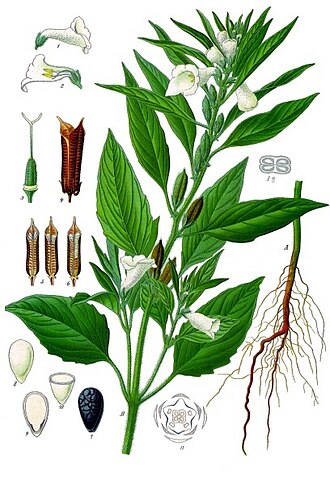
Photo: Wikipedia
These whole, roasted sesame seeds are tiny, golden-brown kernels with a deeply nutty, toasty flavor and a satisfying crunch. They are a nutritional powerhouse, packing an impressive 48 grams of healthy fats and nearly 17 grams of protein per 100 grams, alongside a significant 14 grams of fiber.
Calorie split: 11% protein · 17% carbs · 72% fat
↓ Full nutrition💚 Why it's loved
People adore sesame seeds for their intense, warm nuttiness that elevates both sweet and savory dishes, and for their versatile crunch that adds texture to everything from bread crusts to salads. They are a foundational flavor in countless global cuisines, from Middle Eastern tahini to Japanese gomashio.
⚠️ Watch-outs & how to enjoy it better
Due to their very high fat and calorie density, overconsumption can easily lead to exceeding daily energy needs. They are a common allergen, and their high oxalate content may be a concern for individuals prone to certain types of kidney stones. To manage intake, practice strict portion control (a tablespoon is about 9g) and pair them with fiber-rich vegetables or lean proteins to balance a meal.
Key benefits
- Excellent source of plant-based protein and healthy monounsaturated fats.
- Very high in dietary fiber, supporting digestive health.
- Rich in essential minerals like copper, manganese, and calcium.
- Contains lignans, which are antioxidant compounds.
- Provides a substantial energy boost from its calorie-dense profile.
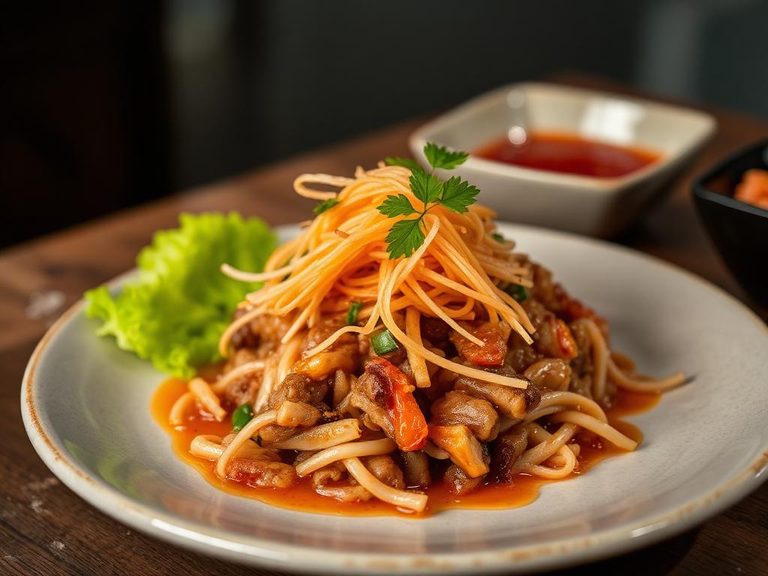
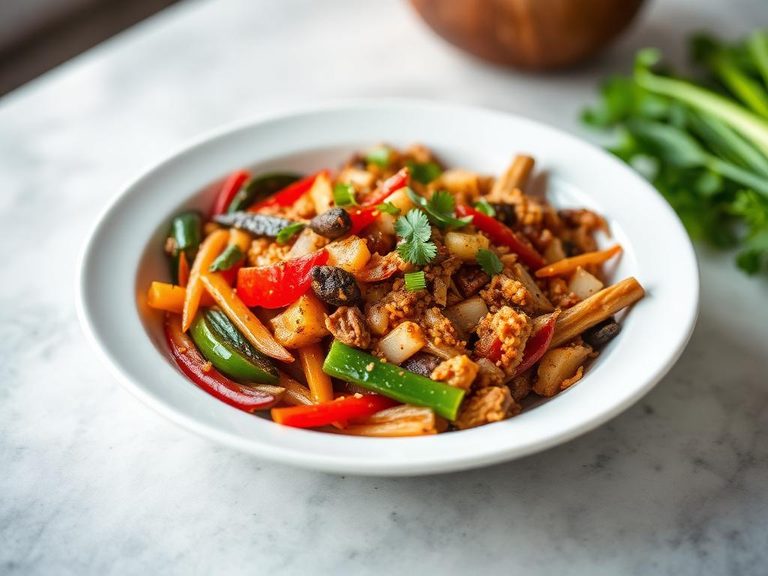
🍽️ Popular dishes
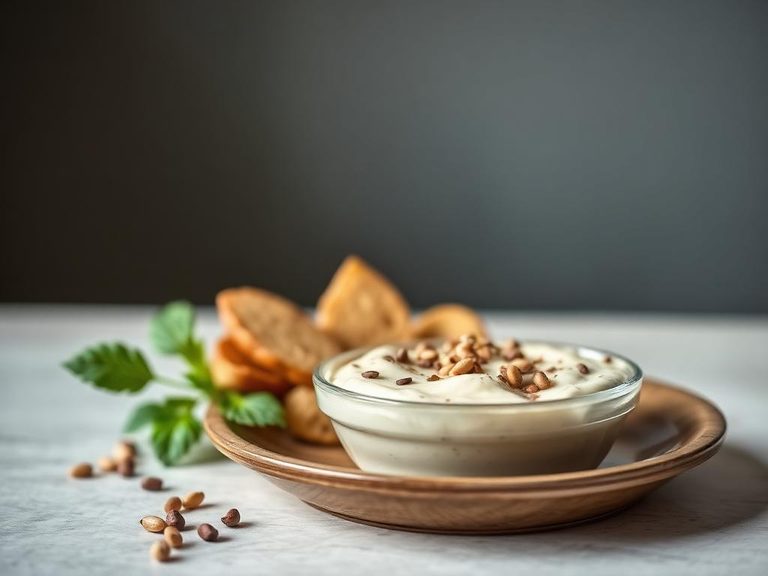
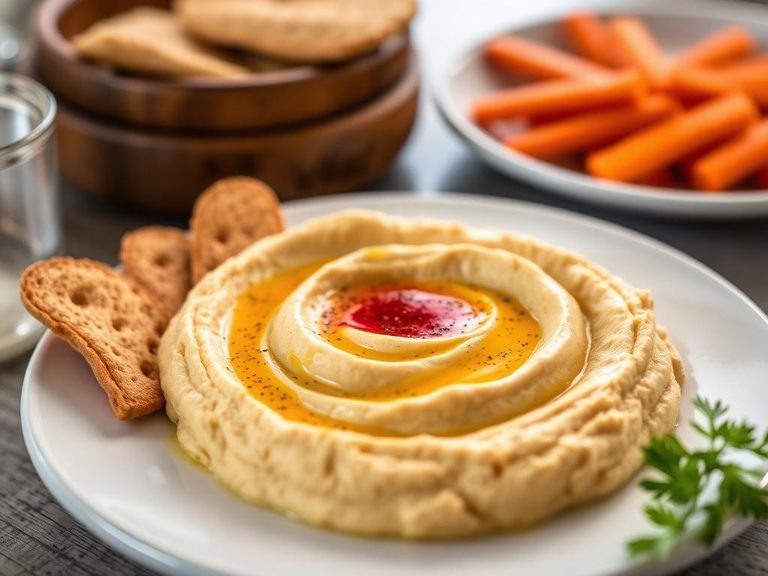

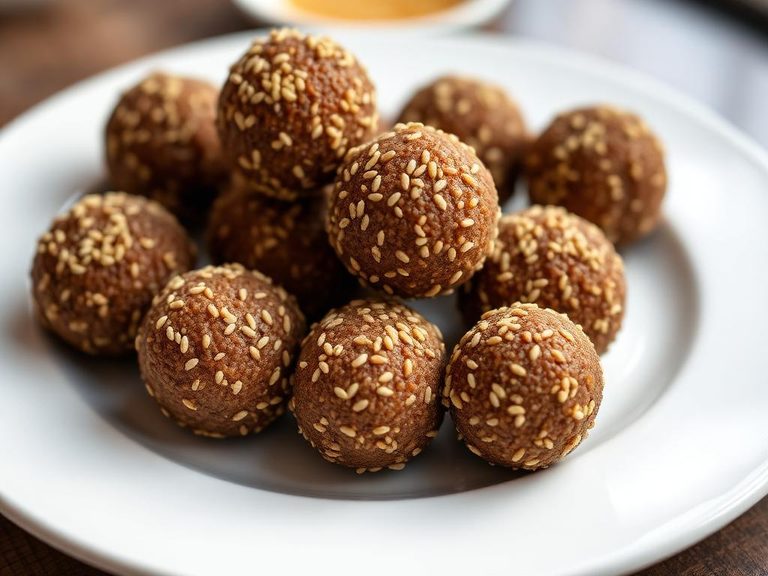
🌍 Where it's eaten
💡 Did you know?
Archaeological evidence suggests sesame was one of the first crops processed for oil, with records of its cultivation dating back over 4,000 years in the Indus Valley.
Full nutrition (USDA data · scales with serving)
| Water | 3.3 g |
| Energy | 565 kcal |
| Energy | 2364 kj |
| Protein | 17.0 g |
| Total lipid (fat) | 48.0 g |
| Ash | 6.0 g |
| Carbohydrate, by difference | 25.7 g |
| Fiber, total dietary | 14.0 g |
| Calcium, Ca | 989 mg |
| Iron, Fe | 14.8 mg |
| Magnesium, Mg | 356 mg |
| Phosphorus, P | 638 mg |
| Potassium, K | 475 mg |
| Sodium, Na | 11.0 mg |
| Zinc, Zn | 7.2 mg |
| Copper, Cu | 2.5 mg |
| Manganese, Mn | 2.5 mg |
| Selenium, Se | 34.4 ug |
| Vitamin C, total ascorbic acid | 0.00 mg |
| Thiamin | 0.80 mg |
| Riboflavin | 0.25 mg |
| Niacin | 4.6 mg |
| Pantothenic acid | 0.05 mg |
| Vitamin B-6 | 0.80 mg |
| Folate, total | 98.0 ug |
| Folic acid | 0.00 ug |
| Folate, food | 98.0 ug |
| Folate, DFE | 98.0 ug |
| Vitamin B-12 | 0.00 ug |
| Vitamin A, RAE | 0.00 ug |
| Retinol | 0.00 ug |
| Vitamin A, IU | 9.0 iu |
| Vitamin D (D2 + D3), International Units | 0.00 iu |
| Vitamin D (D2 + D3) | 0.00 ug |
Fat & fatty acid profile (per 100g)
| Fatty acids, total saturated | 6.7 g |
| SFA 14:0 | 0.12 g |
| SFA 16:0 | 4.3 g |
| SFA 18:0 | 2.0 g |
| Fatty acids, total monounsaturated | 18.1 g |
| MUFA 16:1 | 0.14 g |
| MUFA 18:1 | 17.9 g |
| MUFA 20:1 | 0.07 g |
| Fatty acids, total polyunsaturated | 21.0 g |
| PUFA 18:2 | 20.7 g |
| PUFA 18:3 | 0.36 g |
| Cholesterol | 0.00 mg |
Amino acid profile (per 100g)
| Tryptophan | 0.37 g |
| Threonine | 0.70 g |
| Isoleucine | 0.73 g |
| Leucine | 1.3 g |
| Lysine | 0.54 g |
| Methionine | 0.56 g |
| Cystine | 0.34 g |
| Phenylalanine | 0.90 g |
| Tyrosine | 0.71 g |
| Valine | 0.95 g |
| Arginine | 2.5 g |
| Histidine | 0.50 g |
| Alanine | 0.89 g |
| Aspartic acid | 1.6 g |
| Glutamic acid | 3.8 g |
| Glycine | 1.2 g |
| Proline | 0.77 g |
| Serine | 0.93 g |
FAQ
What's the difference between white and black sesame seeds?
White (or ivory) sesame seeds have a milder, nuttier flavor and are hulled. Black sesame seeds are unhulled, with a stronger, slightly bitter taste and a dramatic color used for visual contrast.
Are roasted sesame seeds healthier than raw?
Roasting enhances the flavor and crunch but can slightly reduce heat-sensitive nutrients. The core nutritional profile of fats, protein, and minerals remains largely similar.
How should I store sesame seeds?
Due to their high oil content, they can go rancid. Store them in an airtight container in a cool, dark place for a few months, or in the refrigerator or freezer for longer shelf life.
Nutrient density (calculated · NRF9.3)
Nutrient Rich Foods index: beneficial nutrients (protein, fiber, vitamins, minerals) minus saturated fat, added sugar & sodium, per 100 kcal.
NRF9.3 index — Fulgoni, Keast & Drewnowski, 2009. Computed from USDA nutrients.
Weight-loss friendliness (composite index)
Energy density 5.65 kcal/g · 12% calories from protein · 14.0 g fiber · 0.0 g sugar per 100 g.
Composite of energy density (Rolls et al., 1999), protein & fiber satiety, minus sugar. A calculated heuristic — ranks satiety-per-calorie, not a clinical measure.
Dietary load (calculated from USDA values)
Potential renal acid load. Positive = acid-forming, negative = alkaline-forming.
Sodium-to-potassium ratio: 0.02 (lower is better — aim for ≤ 1)
Sodium:potassium per WHO potassium guidance. Computed from USDA nutrients.