Sesame balls
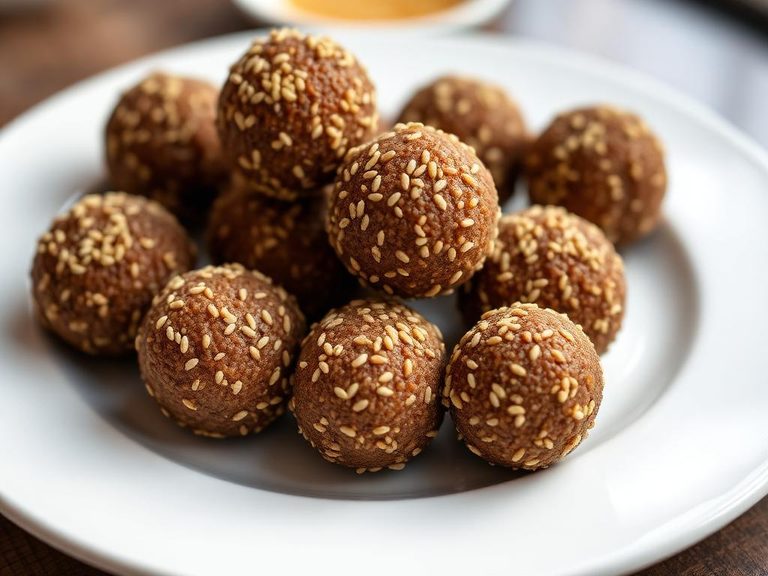
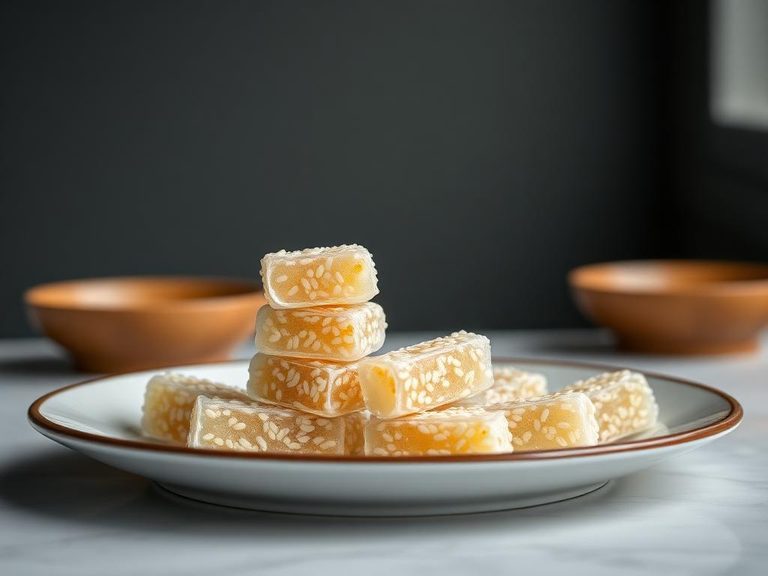
Sesame balls, known as Jian Dui (煎堆) in Mandarin, are a beloved traditional Chinese pastry made from glutinous rice flour, filled with sweet red bean or lotus seed paste, and coated in sesame seeds before being deep-fried until golden and hollow. Originating from Cantonese cuisine, they are a staple during festivals like Chinese New Year and are enjoyed across East and Southeast Asia.
🍳 View the full Sesame balls recipe →
🍽️ Nutrition at a glance
These treats are high in carbohydrates and fat due to the glutinous rice flour and deep-frying process, providing quick energy but limited protein. A typical serving (about 2-3 balls) can range from 200-300 calories, with small amounts of iron and B vitamins from the sesame seeds.
Nutrition breakdown
| Calories | 380 kcal |
| Protein | 7 g |
| Carbs | 52 g |
| Fat | 18 g |
| Fiber | 3 g |
| Sugar | 12 g |
| Sodium | 180 mg |
| Iron | 3.5 mg |
| Calcium | 60 mg |
| Potassium | 210 mg |
| Magnesium | 45 mg |
| Phosphorus | 120 mg |
| Vitamin B1 (Thiamine) | 0.2 mg |
| Vitamin B2 (Riboflavin) | 0.1 mg |
| Manganese | 0.8 mg |
Per 3 pieces (120 g) · estimated, varies by recipe
💡 What's interesting
Culturally, sesame balls symbolize prosperity and togetherness, as their round shape and golden color represent coins and wealth. Nutritionally, they are unique for their hollow interior after frying, which creates a light, airy texture despite being fried.