

Mandarin, seedless, peeled, raw
Whole food · Fruits and Fruit Juices
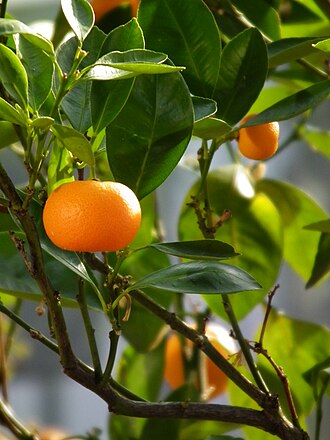
Photo: Wikipedia
A seedless mandarin is a small, easy-to-peel citrus fruit with bright, sweet-tart segments and a juicy, tender texture. At just 62 kcal per 100g, it's a light, refreshing snack that delivers a solid dose of vitamin C and fiber. Its naturally sweet flavor makes it a favorite for both kids and adults, especially when peeled and ready to eat.
Calorie split: 7% protein · 87% carbs · 7% fat
↓ Full nutrition💚 Why it's loved
People love seedless mandarins for their sweet, tangy flavor and the convenience of peeling them by hand without seeds. They are a staple in many cultures, often enjoyed as a snack, in desserts, or during festive occasions like Chinese New Year.
⚠️ Watch-outs & how to enjoy it better
Mandarins are high in natural sugars, which can cause blood-sugar spikes if consumed in large quantities, especially for those with diabetes. To counteract this, pair them with protein or fat, such as nuts or yogurt, and practice portion control by sticking to one medium fruit at a time.
Key benefits
- High in vitamin C, supporting immune function and skin health.
- Low in calories, making it ideal for weight management.
- Contains fiber, aiding digestion and promoting fullness.
- Rich in antioxidants like flavonoids, which may reduce inflammation.
- Provides a quick, natural energy boost from its natural sugars.
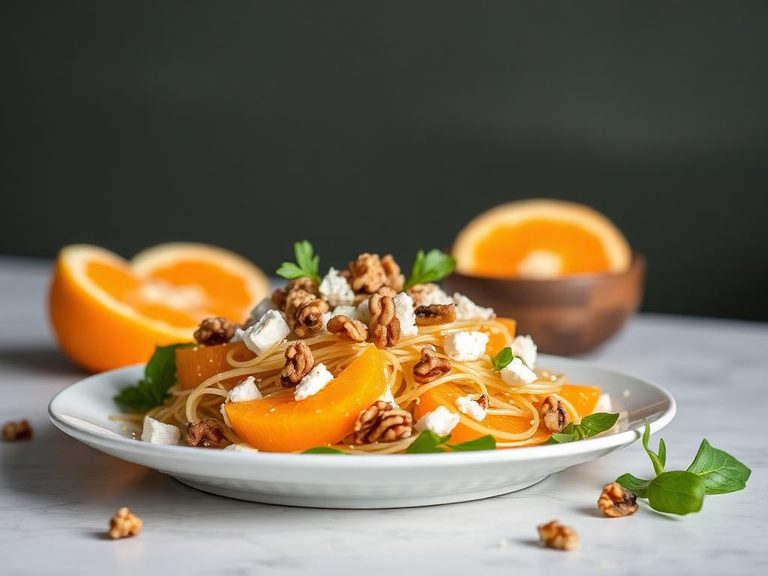
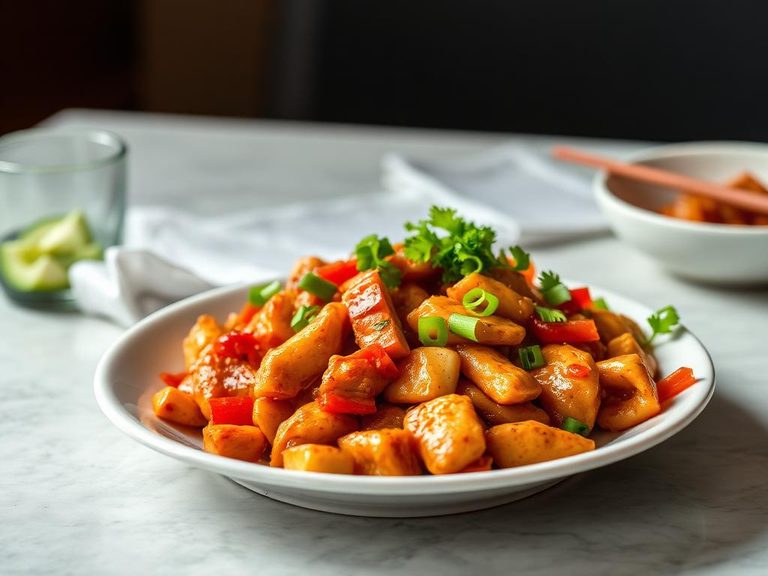
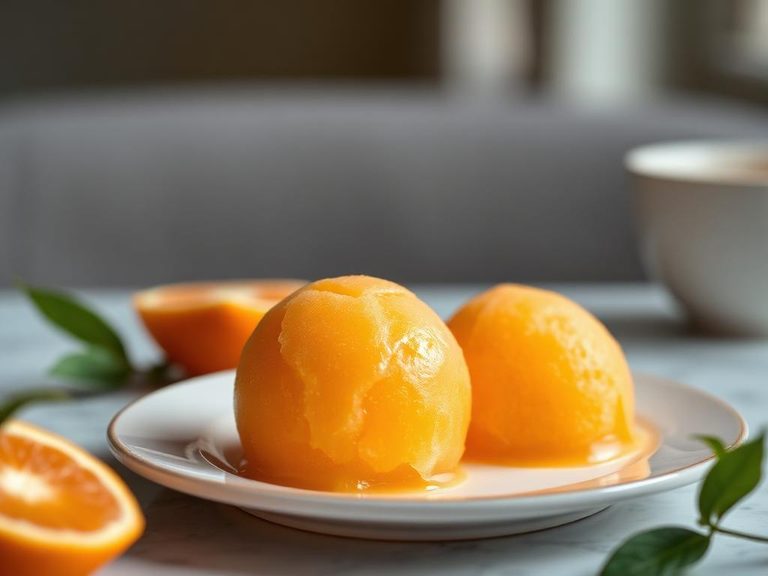
🍽️ Popular dishes
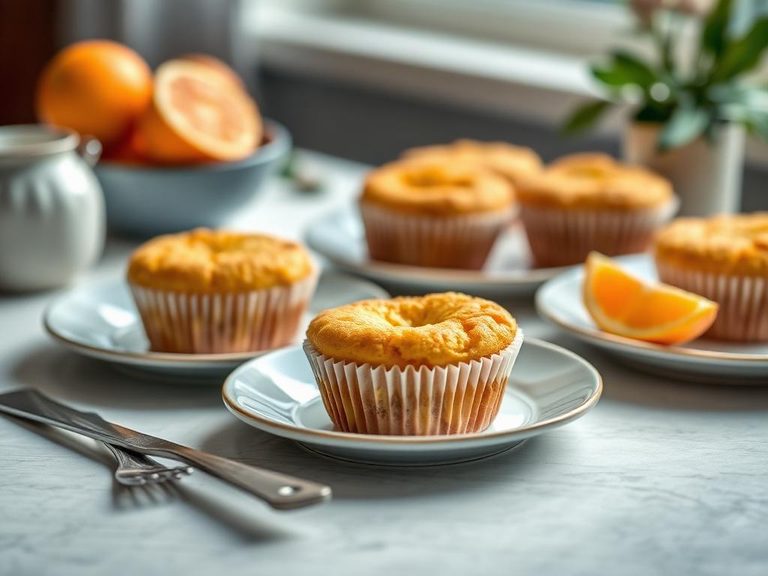
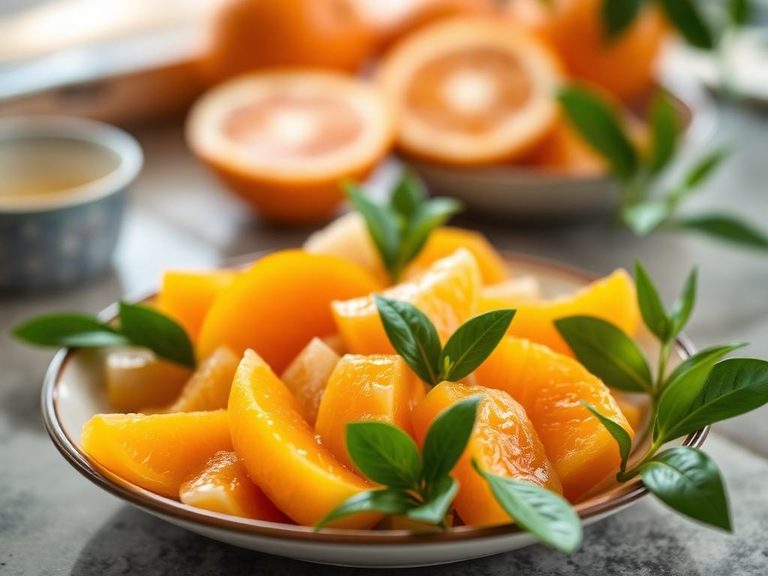
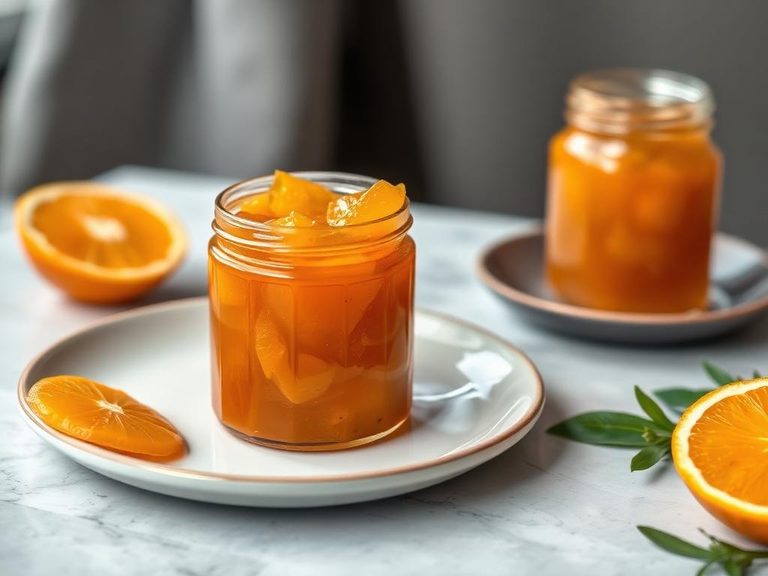
🌍 Where it's eaten
💡 Did you know?
Seedless mandarins are a natural mutation, not a genetically modified product, and they were first discovered in China over 3,000 years ago.
Full nutrition (USDA data · scales with serving)
| Water | 84.7 g |
| Energy (Atwater General Factors) | 62.0 kcal |
| Energy (Atwater Specific Factors) | 55.6 kcal |
| Nitrogen | 0.17 g |
| Protein | 1.0 g |
| Total lipid (fat) | 0.46 g |
| Ash | 0.43 g |
| Carbohydrate, by difference | 13.4 g |
| Fiber, total dietary | 1.3 g |
| Sugars, Total | 9.1 g |
| Sucrose | 5.7 g |
| Glucose | 1.5 g |
| Fructose | 1.9 g |
| Lactose | 0.00 g |
| Maltose | 0.00 g |
| Calcium, Ca | 44.0 mg |
| Iron, Fe | 0.00 mg |
| Magnesium, Mg | 12.6 mg |
| Phosphorus, P | 19.7 mg |
| Potassium, K | 167 mg |
| Sodium, Na | 0.00 mg |
| Zinc, Zn | 0.07 mg |
| Copper, Cu | 0.04 mg |
| Manganese, Mn | 0.05 mg |
| Vitamin C, total ascorbic acid | 21.2 mg |
Fat & fatty acid profile (per 100g)
Estimated from Tangerines, (mandarin oranges), raw — USDA does not publish this profile for Mandarin.
| Fatty acids, total saturated | 0.04 g |
| SFA 4:0 | 0.00 g |
| SFA 6:0 | 0.00 g |
| SFA 8:0 | 0.00 g |
| SFA 10:0 | 0.00 g |
| SFA 12:0 | 0.00 g |
| SFA 14:0 | 0.00 g |
| SFA 16:0 | 0.04 g |
| SFA 18:0 | 0.00 g |
| Fatty acids, total monounsaturated | 0.06 g |
| MUFA 16:1 | 0.01 g |
| MUFA 18:1 | 0.05 g |
| MUFA 20:1 | 0.00 g |
| MUFA 22:1 | 0.00 g |
| Fatty acids, total polyunsaturated | 0.07 g |
| PUFA 18:2 | 0.05 g |
| PUFA 18:3 | 0.02 g |
| PUFA 18:4 | 0.00 g |
| PUFA 20:4 | 0.00 g |
| PUFA 20:5 n-3 (EPA) | 0.00 g |
| PUFA 22:5 n-3 (DPA) | 0.00 g |
| PUFA 22:6 n-3 (DHA) | 0.00 g |
| Fatty acids, total trans | 0.00 g |
| Cholesterol | 0.00 mg |
Amino acid profile (per 100g)
Estimated from Tangerines, (mandarin oranges), raw — USDA does not publish this profile for Mandarin.
| Tryptophan | 0.00 g |
| Threonine | 0.02 g |
| Isoleucine | 0.02 g |
| Leucine | 0.03 g |
| Lysine | 0.03 g |
| Methionine | 0.00 g |
| Cystine | 0.00 g |
| Phenylalanine | 0.02 g |
| Tyrosine | 0.01 g |
| Valine | 0.02 g |
| Arginine | 0.07 g |
| Histidine | 0.01 g |
| Alanine | 0.03 g |
| Aspartic acid | 0.13 g |
| Glutamic acid | 0.06 g |
| Glycine | 0.02 g |
| Proline | 0.07 g |
| Serine | 0.03 g |
FAQ
Are seedless mandarins genetically modified?
No, seedless mandarins are a natural mutation, not a product of genetic modification. They occur naturally due to a lack of pollination or other genetic factors.
How do I store peeled mandarins to keep them fresh?
Store peeled mandarins in an airtight container in the refrigerator for up to 3-4 days. For longer storage, freeze the segments in a single layer on a baking sheet, then transfer to a freezer bag.
Can I eat mandarins if I have diabetes?
Yes, but in moderation. Mandarins are high in natural sugars, so it's best to pair them with protein or fat to slow sugar absorption and monitor portion sizes.
Nutrient density (calculated · NRF9.3)
Nutrient Rich Foods index: beneficial nutrients (protein, fiber, vitamins, minerals) minus saturated fat, added sugar & sodium, per 100 kcal.
NRF9.3 index — Fulgoni, Keast & Drewnowski, 2009. Computed from USDA nutrients.
Weight-loss friendliness (composite index)
Energy density 0.62 kcal/g · 7% calories from protein · 1.3 g fiber · 0.0 g sugar per 100 g.
Composite of energy density (Rolls et al., 1999), protein & fiber satiety, minus sugar. A calculated heuristic — ranks satiety-per-calorie, not a clinical measure.
Dietary load (calculated from USDA values)
Potential renal acid load. Positive = acid-forming, negative = alkaline-forming.
Sodium-to-potassium ratio: 0.00 (lower is better — aim for ≤ 1)
Sodium:potassium per WHO potassium guidance. Computed from USDA nutrients.