

Queso Asadero
Common food

Photo: Wikipedia
Queso Asadero is a smooth, semi-soft Mexican cheese known for its exceptional melting qualities, yielding a creamy, stretchy texture with a mild, buttery, and slightly tangy flavor. Nutritionally, it's a dense source of high-quality protein and fat, making it a very low-carb option. Its near-zero carbohydrate content means it has a negligible impact on blood sugar levels.
Calorie split: 30% protein · 3% carbs · 67% fat
↓ Full nutrition💚 Why it's loved
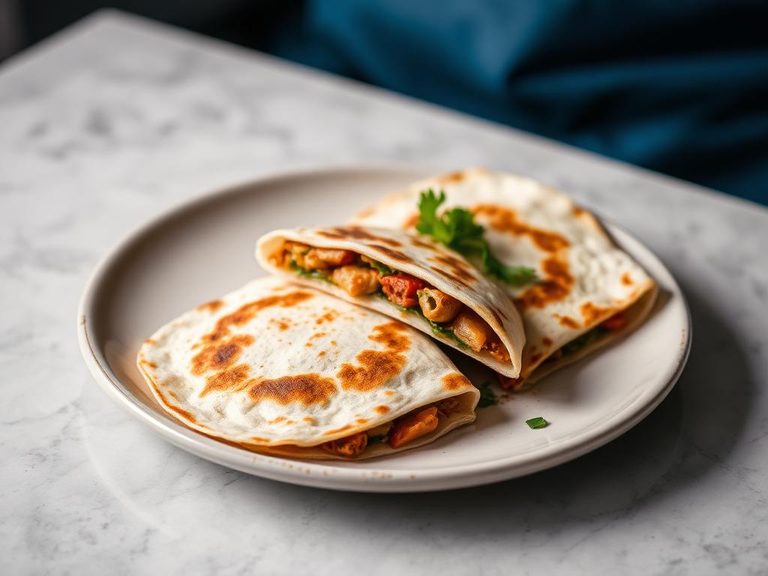
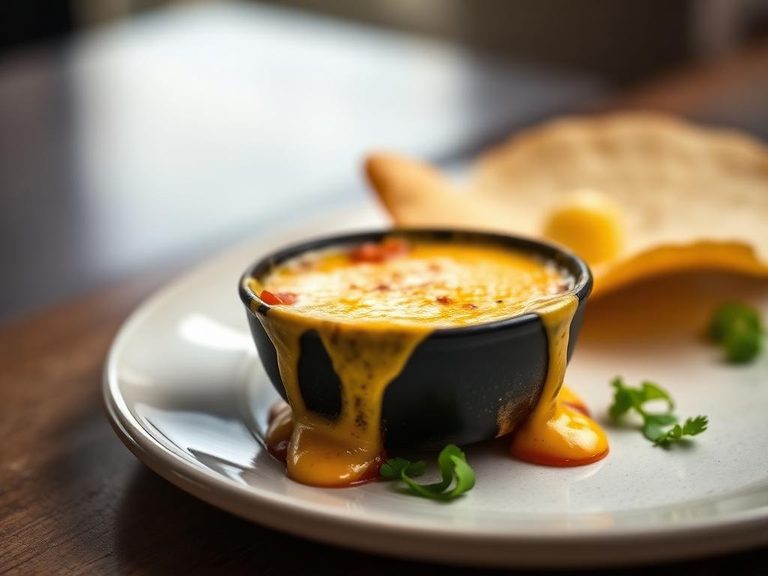
People adore Asadero for its unparalleled meltability, which creates the perfect gooey, stringy pull in dishes like quesadillas and fundido. Its mild, creamy flavor acts as a versatile canvas, complementing rather than overpowering other ingredients in both traditional and modern recipes.
⚠️ Watch-outs & how to enjoy it better
As a full-fat dairy product, it is calorie-dense and high in saturated fat, which warrants mindful portioning for those monitoring calorie or fat intake. It also contains lactose and milk proteins, making it unsuitable for individuals with lactose intolerance or dairy allergies. Tip: Pair small amounts with high-fiber vegetables to increase meal volume and satiety without excess calories.
Key benefits
- Excellent source of complete protein for muscle maintenance.
- Virtually zero carbohydrates, ideal for low-carb or ketogenic diets.
- Rich in calcium for bone health.
- Provides conjugated linoleic acid (CLA), a naturally occurring fatty acid.
- High satiety factor due to protein and fat content.
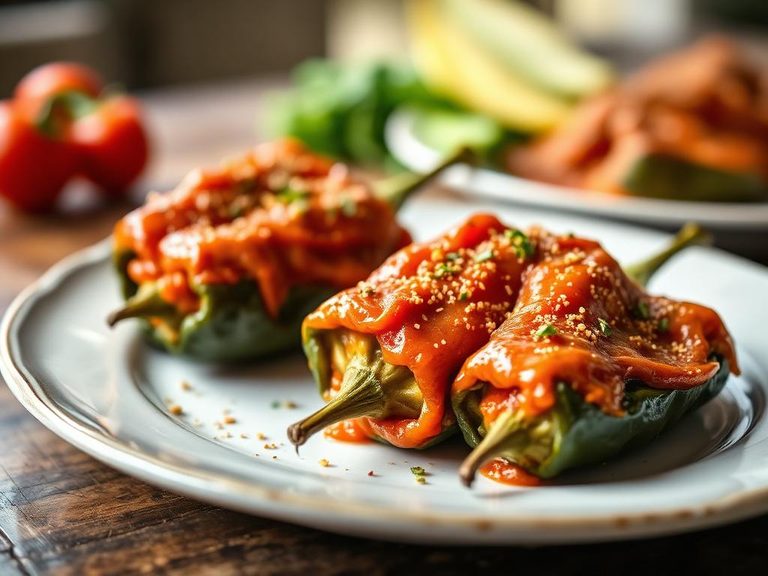
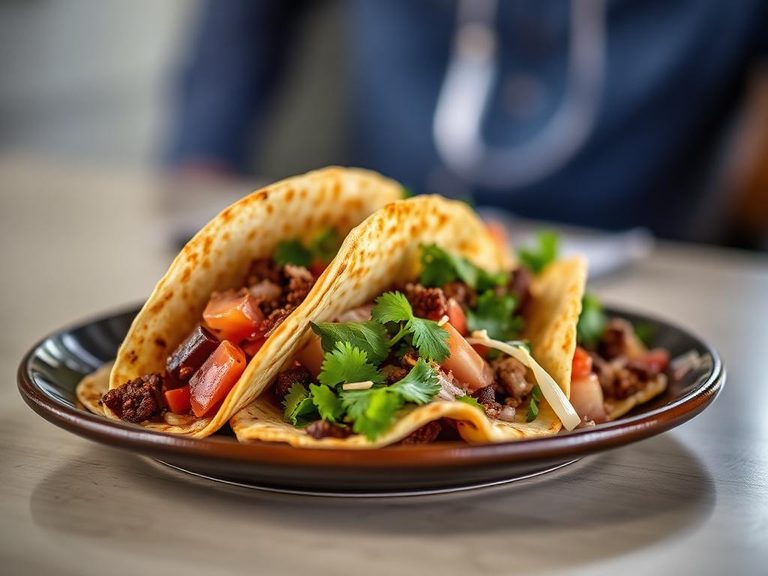
🍽️ Popular dishes

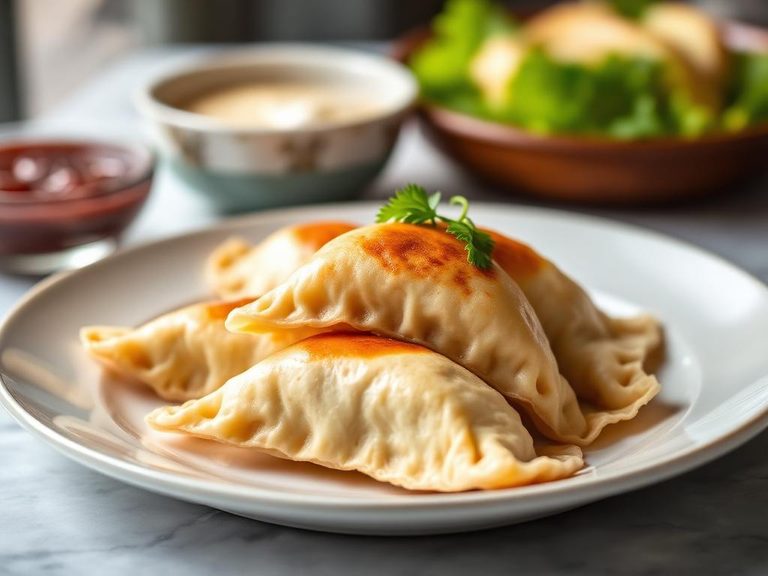
🌍 Where it's eaten
💡 Did you know?
The name 'Asadero' literally means 'roastable' or 'grillable' in Spanish, directly referencing its signature trait: it holds its shape beautifully when grilled or roasted, developing a golden-brown crust while becoming molten inside.
Full nutrition (USDA data · scales with serving)
| Water | 49.8 g |
| Energy | 297 kcal |
| Protein | 22.1 g |
| Total lipid (fat) | 22.1 g |
| Carbohydrate, by difference | 2.4 g |
| Fiber, total dietary | 0.00 g |
| Total Sugars | 0.00 g |
| Calcium, Ca | 532 mg |
| Iron, Fe | 0.00 mg |
| Magnesium, Mg | 22.0 mg |
| Phosphorus, P | 380 mg |
| Potassium, K | 81.0 mg |
| Sodium, Na | 734 mg |
| Zinc, Zn | 3.5 mg |
| Copper, Cu | 0.00 mg |
| Selenium, Se | 14.5 ug |
| Vitamin C, total ascorbic acid | 0.00 mg |
| Thiamin | 0.02 mg |
| Riboflavin | 0.22 mg |
| Niacin | 0.18 mg |
| Vitamin B-6 | 0.05 mg |
| Folate, total | 8.0 ug |
| Folic acid | 0.00 ug |
| Folate, food | 8.0 ug |
| Folate, DFE | 8.0 ug |
| Choline, total | 15.4 mg |
| Vitamin B-12 | 1.0 ug |
| Vitamin B-12, added | 0.00 ug |
| Vitamin A, RAE | 135 ug |
| Retinol | 135 ug |
| Carotene, beta | 0.00 ug |
| Carotene, alpha | 0.00 ug |
| Cryptoxanthin, beta | 0.00 ug |
| Lycopene | 0.00 ug |
| Lutein + zeaxanthin | 0.00 ug |
| Vitamin E (alpha-tocopherol) | 0.24 mg |
| Vitamin E, added | 0.00 mg |
| Vitamin D (D2 + D3) | 0.00 ug |
| Vitamin K (phylloquinone) | 2.4 ug |
| Alcohol, ethyl | 0.00 g |
| Caffeine | 0.00 mg |
| Theobromine | 0.00 mg |
Fat & fatty acid profile (per 100g)
| Fatty acids, total saturated | 12.7 g |
| SFA 4:0 | 0.85 g |
| SFA 6:0 | 0.45 g |
| SFA 8:0 | 0.24 g |
| SFA 10:0 | 0.53 g |
| SFA 12:0 | 0.63 g |
| SFA 14:0 | 1.9 g |
| SFA 16:0 | 6.3 g |
| SFA 18:0 | 2.0 g |
| Fatty acids, total monounsaturated | 4.7 g |
| MUFA 16:1 | 0.90 g |
| MUFA 18:1 | 7.1 g |
| MUFA 20:1 | 0.00 g |
| MUFA 22:1 | 0.00 g |
| Fatty acids, total polyunsaturated | 0.85 g |
| PUFA 18:2 | 0.59 g |
| PUFA 18:3 | 0.33 g |
| PUFA 18:4 | 0.00 g |
| PUFA 20:4 | 0.00 g |
| PUFA 20:5 n-3 (EPA) | 0.00 g |
| PUFA 22:5 n-3 (DPA) | 0.00 g |
| PUFA 22:6 n-3 (DHA) | 0.00 g |
| Cholesterol | 66.0 mg |
Amino acid profile (per 100g)
Estimated from Cheese, mexican, queso asadero — USDA does not publish this profile for Queso Asadero.
| Tryptophan | 0.27 g |
| Threonine | 0.74 g |
| Isoleucine | 1.2 g |
| Leucine | 2.1 g |
| Lysine | 1.5 g |
| Methionine | 0.59 g |
| Cystine | 0.10 g |
| Phenylalanine | 1.2 g |
| Tyrosine | 1.1 g |
| Valine | 1.4 g |
| Arginine | 0.76 g |
| Histidine | 0.69 g |
| Alanine | 0.50 g |
| Aspartic acid | 1.5 g |
| Glutamic acid | 5.1 g |
| Glycine | 0.25 g |
| Proline | 2.4 g |
| Serine | 1.2 g |
FAQ
How does Asadero differ from other melting cheeses like Monterey Jack or Mozzarella?
Asadero has a distinctly mild, buttery flavor and a more elastic, stringy melt compared to the creamier, less stretchy melt of Monterey Jack. It's less salty and has a smoother texture than low-moisture mozzarella, with a flavor profile more aligned with traditional Mexican cuisine.
Can I substitute Asadero if I can't find it?
Yes, good substitutes include Monterey Jack, young Gouda, or a mild Provolone. For a more authentic Mexican flavor, try Chihuahua cheese (Queso Chihuahua), which is very similar in origin and characteristics.
Is Asadero cheese pasteurized?
Most commercially produced Asadero in the United States and Mexico is made from pasteurized milk. However, artisanal or traditional versions from small producers might use raw milk. Always check the label if pasteurization is a concern.
Nutrient density (calculated · NRF9.3)
Nutrient Rich Foods index: beneficial nutrients (protein, fiber, vitamins, minerals) minus saturated fat, added sugar & sodium, per 100 kcal.
NRF9.3 index — Fulgoni, Keast & Drewnowski, 2009. Computed from USDA nutrients.
Weight-loss friendliness (composite index)
Energy density 2.97 kcal/g · 30% calories from protein · 0.0 g fiber · 0.0 g sugar per 100 g.
Composite of energy density (Rolls et al., 1999), protein & fiber satiety, minus sugar. A calculated heuristic — ranks satiety-per-calorie, not a clinical measure.
Dietary load (calculated from USDA values)
Potential renal acid load. Positive = acid-forming, negative = alkaline-forming.
Sodium-to-potassium ratio: 9.06 (lower is better — aim for ≤ 1)
Sodium:potassium per WHO potassium guidance. Computed from USDA nutrients.