

Queso Anejo, aged Mexican cheese
Common food
Queso Anejo is a firm, crumbly, and intensely salty aged Mexican cheese, often compared to a dry, tangy feta or Parmesan. Its texture is granular and dry, making it ideal for crumbling or grating, and its flavor is sharp, savory, and slightly nutty. Nutritionally, it is a high-protein, high-fat cheese with minimal carbohydrates, providing a concentrated source of energy and satiety.
Calorie split: 23% protein · 5% carbs · 72% fat
↓ Full nutrition💚 Why it's loved
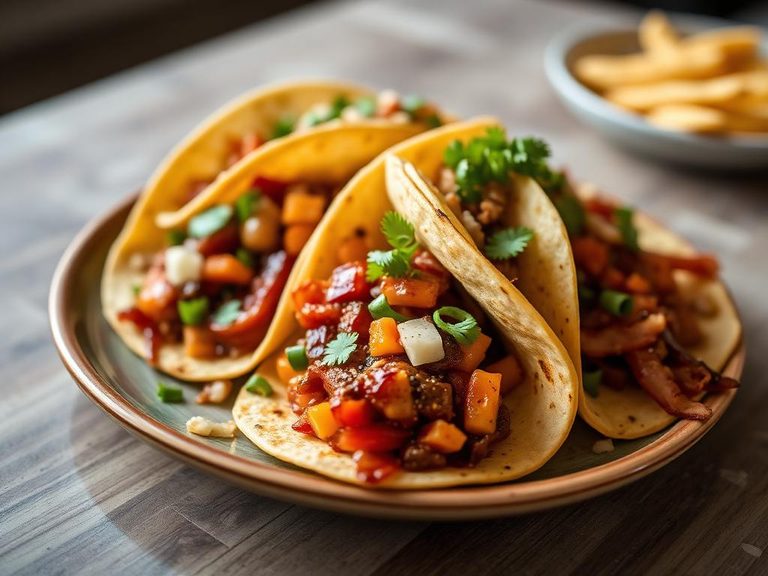
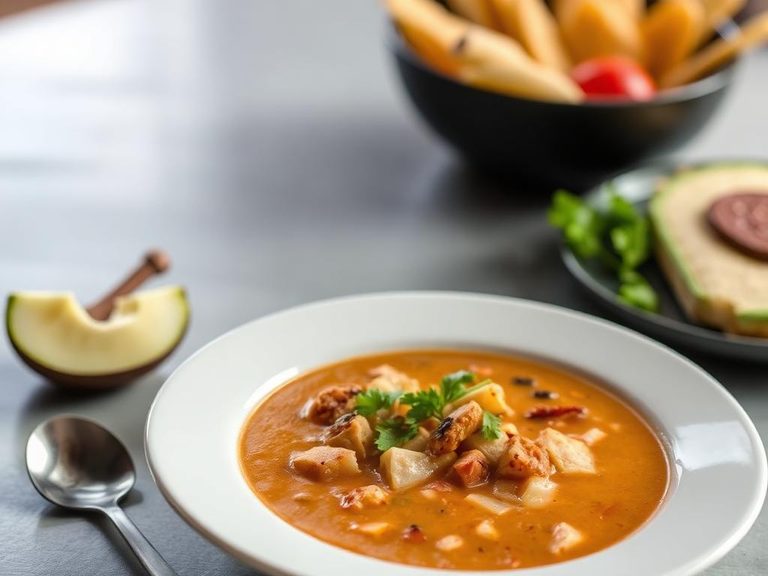
People love Queso Anejo for its bold, salty punch and crumbly texture that adds a savory, umami-rich finish to any dish. It is a cornerstone of Mexican cuisine, beloved for its versatility in garnishing everything from tacos to soups, and its cultural significance in traditional recipes.
⚠️ Watch-outs & how to enjoy it better
Due to its high sodium and saturated fat content, it should be consumed in moderation, especially by those with hypertension or heart health concerns. To counteract this, pair it with fiber-rich vegetables, use it sparingly as a garnish rather than a main ingredient, and balance meals with lean proteins and healthy fats.
Key benefits
- Excellent source of complete protein (21.44g per 100g) for muscle maintenance.
- Very low in carbohydrates and sugar, making it suitable for low-carb and ketogenic diets.
- High in fat, which provides long-lasting energy and enhances the absorption of fat-soluble vitamins.
- Rich in calcium and phosphorus, essential for bone health.
- Adds intense flavor with a small amount, helping to reduce the need for added salt in dishes.
🍽️ Popular dishes
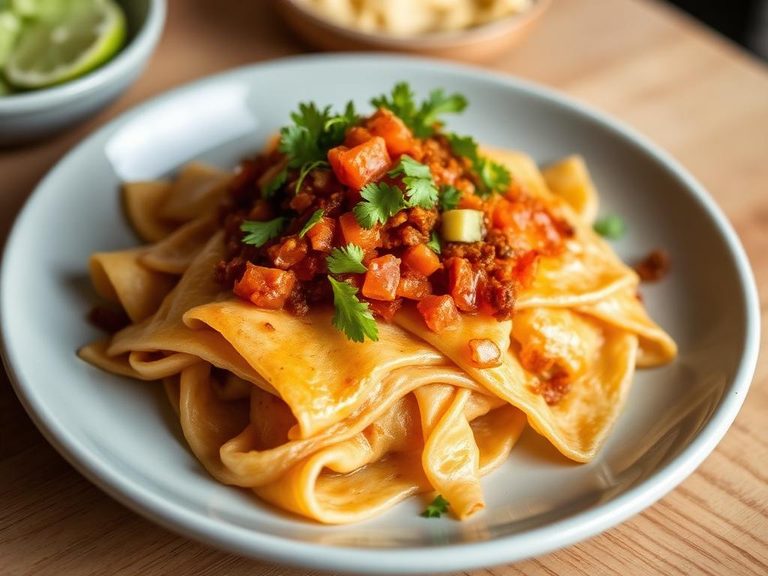
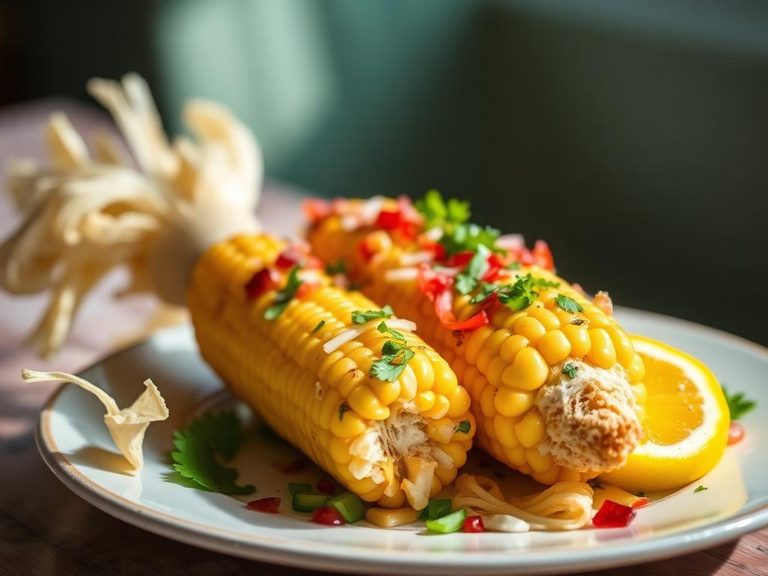
🌍 Where it's eaten
💡 Did you know?
Queso Anejo is often aged for several months, which concentrates its flavor and gives it a texture similar to a dry, salty feta, but it is traditionally made from cow's milk and is a staple in Mexican markets.
Full nutrition (USDA data · scales with serving)
| Water | 38.1 g |
| Energy | 373 kcal |
| Protein | 21.4 g |
| Total lipid (fat) | 30.0 g |
| Carbohydrate, by difference | 4.6 g |
| Fiber, total dietary | 0.00 g |
| Total Sugars | 4.6 g |
| Calcium, Ca | 680 mg |
| Iron, Fe | 0.47 mg |
| Magnesium, Mg | 28.0 mg |
| Phosphorus, P | 444 mg |
| Potassium, K | 87.0 mg |
| Sodium, Na | 1131 mg |
| Zinc, Zn | 2.9 mg |
| Copper, Cu | 0.01 mg |
| Selenium, Se | 14.5 ug |
| Vitamin C, total ascorbic acid | 0.00 mg |
| Thiamin | 0.02 mg |
| Riboflavin | 0.21 mg |
| Niacin | 0.03 mg |
| Vitamin B-6 | 0.05 mg |
| Folate, total | 1.0 ug |
| Folic acid | 0.00 ug |
| Folate, food | 1.0 ug |
| Folate, DFE | 1.0 ug |
| Choline, total | 15.4 mg |
| Vitamin B-12 | 1.4 ug |
| Vitamin B-12, added | 0.00 ug |
| Vitamin A, RAE | 64.0 ug |
| Retinol | 64.0 ug |
| Carotene, beta | 4.0 ug |
| Carotene, alpha | 0.00 ug |
| Cryptoxanthin, beta | 0.00 ug |
| Lycopene | 0.00 ug |
| Lutein + zeaxanthin | 0.00 ug |
| Vitamin E (alpha-tocopherol) | 0.26 mg |
| Vitamin E, added | 0.00 mg |
| Vitamin D (D2 + D3) | 0.50 ug |
| Vitamin K (phylloquinone) | 2.5 ug |
| Alcohol, ethyl | 0.00 g |
| Caffeine | 0.00 mg |
| Theobromine | 0.00 mg |
Fat & fatty acid profile (per 100g)
| Fatty acids, total saturated | 19.0 g |
| SFA 4:0 | 0.91 g |
| SFA 6:0 | 0.47 g |
| SFA 8:0 | 0.26 g |
| SFA 10:0 | 0.56 g |
| SFA 12:0 | 0.51 g |
| SFA 14:0 | 3.2 g |
| SFA 16:0 | 9.3 g |
| SFA 18:0 | 3.8 g |
| Fatty acids, total monounsaturated | 8.5 g |
| MUFA 16:1 | 0.96 g |
| MUFA 18:1 | 7.6 g |
| MUFA 20:1 | 0.00 g |
| MUFA 22:1 | 0.00 g |
| Fatty acids, total polyunsaturated | 0.90 g |
| PUFA 18:2 | 0.55 g |
| PUFA 18:3 | 0.35 g |
| PUFA 18:4 | 0.00 g |
| PUFA 20:4 | 0.00 g |
| PUFA 20:5 n-3 (EPA) | 0.00 g |
| PUFA 22:5 n-3 (DPA) | 0.00 g |
| PUFA 22:6 n-3 (DHA) | 0.00 g |
| Cholesterol | 105 mg |
Amino acid profile (per 100g)
Estimated from Cheese, mexican, queso anejo — USDA does not publish this profile for Queso Anejo.
| Tryptophan | 0.21 g |
| Threonine | 0.73 g |
| Isoleucine | 1.1 g |
| Leucine | 2.0 g |
| Lysine | 1.5 g |
| Methionine | 0.54 g |
| Cystine | 0.08 g |
| Phenylalanine | 1.1 g |
| Tyrosine | 1.2 g |
| Valine | 1.3 g |
| Arginine | 0.70 g |
| Histidine | 0.68 g |
| Alanine | 0.62 g |
| Aspartic acid | 1.3 g |
| Glutamic acid | 4.8 g |
| Glycine | 0.30 g |
| Proline | 2.2 g |
| Serine | 1.2 g |
FAQ
What is the difference between Queso Anejo and Queso Fresco?
Queso Anejo is aged longer, making it firmer, saltier, and more crumbly, while Queso Fresco is fresh, mild, and softer, often used in salads or as a topping.
Can I substitute Queso Anejo with another cheese?
Yes, you can substitute it with feta or Parmesan for a similar salty, crumbly texture, though the flavor will differ slightly.
How should I store Queso Anejo?
Store it wrapped in wax paper or plastic wrap in the refrigerator to maintain its texture and prevent it from drying out too quickly.
Nutrient density (calculated · NRF9.3)
Nutrient Rich Foods index: beneficial nutrients (protein, fiber, vitamins, minerals) minus saturated fat, added sugar & sodium, per 100 kcal.
NRF9.3 index — Fulgoni, Keast & Drewnowski, 2009. Computed from USDA nutrients.
Weight-loss friendliness (composite index)
Energy density 3.73 kcal/g · 23% calories from protein · 0.0 g fiber · 4.6 g sugar per 100 g.
Composite of energy density (Rolls et al., 1999), protein & fiber satiety, minus sugar. A calculated heuristic — ranks satiety-per-calorie, not a clinical measure.
Dietary load (calculated from USDA values)
Potential renal acid load. Positive = acid-forming, negative = alkaline-forming.
Sodium-to-potassium ratio: 13.00 (lower is better — aim for ≤ 1)
Sodium:potassium per WHO potassium guidance. Computed from USDA nutrients.