

Pumpkin seeds, salted
Common food

Photo: Wikipedia
These are hulled, roasted pumpkin seeds, generously seasoned with salt for a satisfying crunch. They boast a savory, nutty flavor with a firm, slightly chewy texture that becomes delightfully crisp when toasted. Nutritionally, they are a powerhouse of plant-based protein and healthy fats, providing a substantial energy boost.
Calorie split: 19% protein · 9% carbs · 71% fat
↓ Full nutrition💚 Why it's loved
People adore them for their deeply satisfying crunch and savory, umami-rich flavor that perfectly balances nuttiness with salt. They are incredibly versatile, enjoyed as a standalone snack, a salad topper, or a garnish that adds texture to countless dishes.
⚠️ Watch-outs & how to enjoy it better
The primary downside is the high sodium content from salting, which can contribute to increased blood pressure in sensitive individuals. They are also calorie-dense, so overconsumption can lead to unintended calorie surplus. To mitigate, opt for low-sodium versions, practice strict portion control (e.g., a single handful), and pair them with water-rich foods like celery or cucumber.
Key benefits
- Excellent source of plant-based protein for muscle maintenance.
- Rich in magnesium, which supports muscle and nerve function.
- High in zinc, important for immune health and skin integrity.
- Contains healthy monounsaturated and polyunsaturated fats.
- Provides dietary fiber for digestive health.
🍽️ Popular dishes
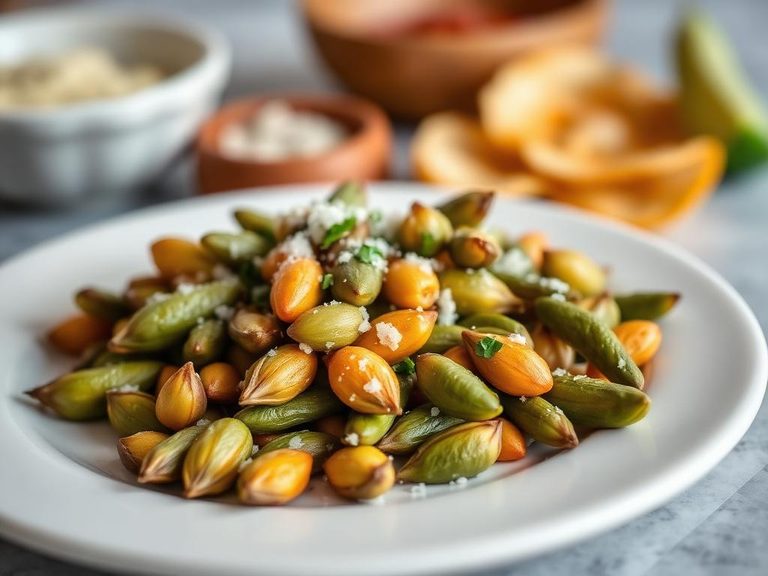
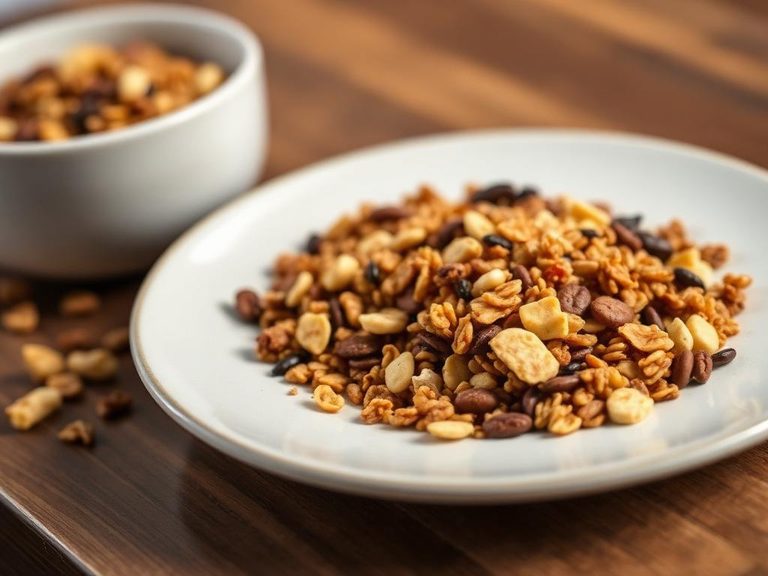
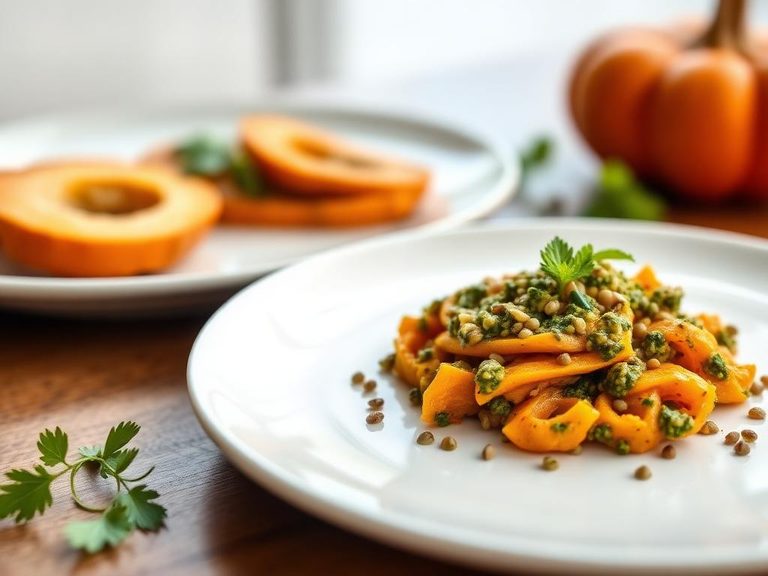
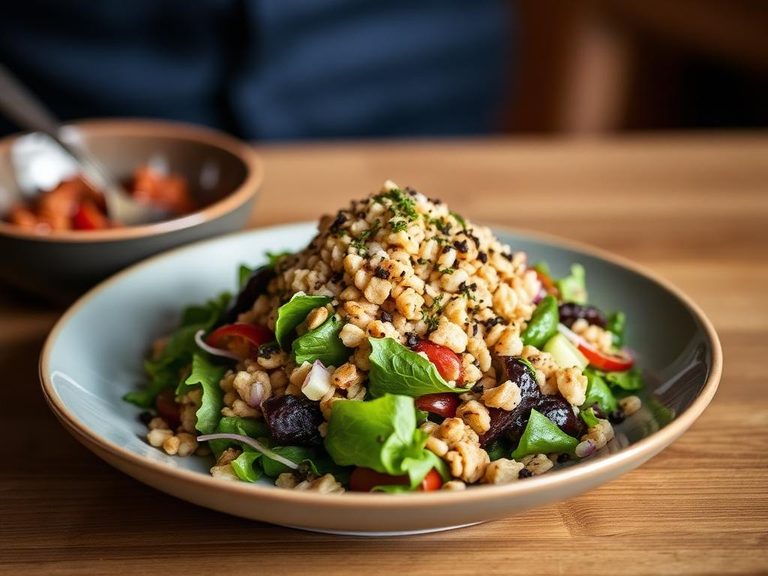
🌍 Where it's eaten
💡 Did you know?
The word 'pepita' is the Spanish diminutive for 'pepón' (a large melon), and it specifically refers to the hull-less, green seed common in Latin American cuisine, distinct from the white, hulled seed often sold as 'pumpkin seed' in other regions.
Full nutrition (USDA data · scales with serving)
| Water | 2.0 g |
| Energy | 567 kcal |
| Protein | 29.5 g |
| Total lipid (fat) | 48.5 g |
| Carbohydrate, by difference | 14.5 g |
| Fiber, total dietary | 6.4 g |
| Total Sugars | 1.3 g |
| Calcium, Ca | 52.0 mg |
| Iron, Fe | 8.0 mg |
| Magnesium, Mg | 543 mg |
| Phosphorus, P | 1160 mg |
| Potassium, K | 779 mg |
| Sodium, Na | 477 mg |
| Zinc, Zn | 7.5 mg |
| Copper, Cu | 1.3 mg |
| Selenium, Se | 9.3 ug |
| Vitamin C, total ascorbic acid | 1.8 mg |
| Thiamin | 0.07 mg |
| Riboflavin | 0.15 mg |
| Niacin | 4.4 mg |
| Vitamin B-6 | 0.10 mg |
| Folate, total | 56.0 ug |
| Folic acid | 0.00 ug |
| Folate, food | 56.0 ug |
| Folate, DFE | 56.0 ug |
| Choline, total | 62.3 mg |
| Vitamin B-12 | 0.00 ug |
| Vitamin B-12, added | 0.00 ug |
| Vitamin A, RAE | 0.00 ug |
| Retinol | 0.00 ug |
| Carotene, beta | 5.0 ug |
| Carotene, alpha | 1.0 ug |
| Cryptoxanthin, beta | 0.00 ug |
| Lycopene | 0.00 ug |
| Lutein + zeaxanthin | 30.0 ug |
| Vitamin E (alpha-tocopherol) | 0.55 mg |
| Vitamin E, added | 0.00 mg |
| Vitamin D (D2 + D3) | 0.00 ug |
| Vitamin K (phylloquinone) | 4.4 ug |
| Alcohol, ethyl | 0.00 g |
| Caffeine | 0.00 mg |
| Theobromine | 0.00 mg |
Fat & fatty acid profile (per 100g)
| Fatty acids, total saturated | 8.4 g |
| SFA 4:0 | 0.00 g |
| SFA 6:0 | 0.01 g |
| SFA 8:0 | 0.00 g |
| SFA 10:0 | 0.00 g |
| SFA 12:0 | 0.01 g |
| SFA 14:0 | 0.06 g |
| SFA 16:0 | 5.1 g |
| SFA 18:0 | 2.9 g |
| Fatty acids, total monounsaturated | 15.5 g |
| MUFA 16:1 | 0.04 g |
| MUFA 18:1 | 15.4 g |
| MUFA 20:1 | 0.05 g |
| MUFA 22:1 | 0.00 g |
| Fatty acids, total polyunsaturated | 19.6 g |
| PUFA 18:2 | 19.4 g |
| PUFA 18:3 | 0.11 g |
| PUFA 18:4 | 0.00 g |
| PUFA 20:4 | 0.12 g |
| PUFA 20:5 n-3 (EPA) | 0.00 g |
| PUFA 22:5 n-3 (DPA) | 0.00 g |
| PUFA 22:6 n-3 (DHA) | 0.00 g |
| Cholesterol | 0.00 mg |
Amino acid profile (per 100g)
Estimated from Seeds, pumpkin and squash seeds, whole, roasted, with salt added — USDA does not publish this profile for Pumpkin seeds.
| Tryptophan | 0.33 g |
| Threonine | 0.68 g |
| Isoleucine | 0.96 g |
| Leucine | 1.6 g |
| Lysine | 1.4 g |
| Methionine | 0.42 g |
| Cystine | 0.23 g |
| Phenylalanine | 0.92 g |
| Tyrosine | 0.77 g |
| Valine | 1.5 g |
| Arginine | 3.0 g |
| Histidine | 0.52 g |
| Alanine | 0.88 g |
| Aspartic acid | 1.9 g |
| Glutamic acid | 3.3 g |
| Glycine | 1.4 g |
| Proline | 0.76 g |
| Serine | 0.87 g |
FAQ
Are the white hulled seeds and green pepitas the same thing?
They come from different pumpkin varieties. Pepitas are naturally hull-less and dark green, while the larger white seeds have a tough outer shell that is often removed before roasting.
Why do my pumpkin seeds sometimes taste bitter?
Bitterness can come from over-roasting, which burns the natural oils, or from the presence of the fibrous white hull, which can have a slightly acrid taste.
Can I eat the shells?
Yes, the shells are edible and provide extra fiber. However, they can be tough to digest for some people and may cause digestive discomfort if eaten in large quantities.
Nutrient density (calculated · NRF9.3)
Nutrient Rich Foods index: beneficial nutrients (protein, fiber, vitamins, minerals) minus saturated fat, added sugar & sodium, per 100 kcal.
NRF9.3 index — Fulgoni, Keast & Drewnowski, 2009. Computed from USDA nutrients.
Weight-loss friendliness (composite index)
Energy density 5.67 kcal/g · 21% calories from protein · 6.4 g fiber · 1.3 g sugar per 100 g.
Composite of energy density (Rolls et al., 1999), protein & fiber satiety, minus sugar. A calculated heuristic — ranks satiety-per-calorie, not a clinical measure.
Dietary load (calculated from USDA values)
Potential renal acid load. Positive = acid-forming, negative = alkaline-forming.
Sodium-to-potassium ratio: 0.61 (lower is better — aim for ≤ 1)
Sodium:potassium per WHO potassium guidance. Computed from USDA nutrients.