Seeds, pumpkin and squash seeds, whole, roasted, with salt added
Whole food · Nut and Seed Products

Photo: Wikipedia
These are the hulled, roasted kernels of pumpkins and squash, typically from Styrian or oilseed varieties. They offer a satisfying crunch with a nutty, slightly savory flavor profile enhanced by the added salt. Nutritionally, they are a powerhouse of fiber and plant-based protein, delivering substantial energy in a small, portable package.
💚 Why it's loved
People love them for their addictive, savory crunch and satisfying nuttiness, which makes them a perfect standalone snack or a versatile topping. Their cultural significance in many cuisines, from Mexican pepitas to Middle Eastern salads, adds to their broad appeal.
⚠️ Watch-outs & how to enjoy it better
The added salt can be a concern for those monitoring sodium intake, and the high calorie density (446 kcal/100g) requires mindful portion control. To counteract this, opt for unsalted versions if possible, or stick to a measured handful (about 1/4 cup) and pair them with water or unsweetened tea to help manage salt intake.
Key benefits
- High in dietary fiber (18.4g per 100g) for digestive health
- Excellent source of plant-based protein (18.55g per 100g)
- Rich in minerals like magnesium, zinc, and iron
- Provides healthy unsaturated fats
- A dense, energy-boosting snack
🍽️ Popular dishes
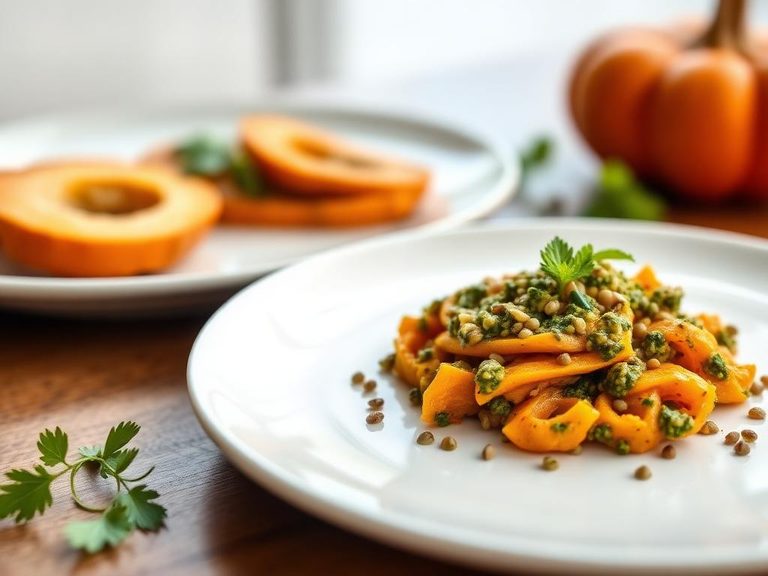
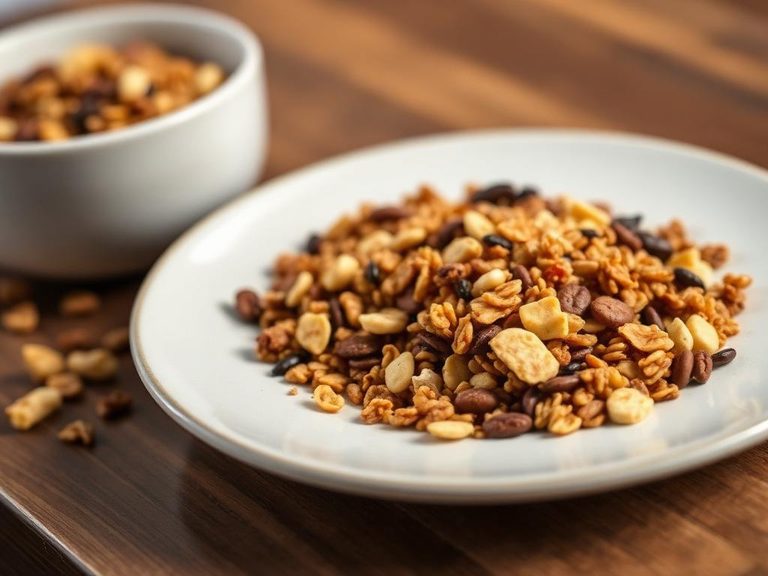
🌍 Where it's eaten
💡 Did you know?
The term 'pepita' comes from the Mexican Spanish word for 'little squash seed' and is often used interchangeably with pumpkin seed, though pepitas specifically refer to the hulled, green kernel inside the shell.
Full nutrition (scales with serving)
| Water | 4.5 g |
| Energy | 446 kcal |
| Energy | 1866 kj |
| Protein | 18.6 g |
| Total lipid (fat) | 19.4 g |
| Ash | 3.8 g |
| Carbohydrate, by difference | 53.8 g |
| Fiber, total dietary | 18.4 g |
| Calcium, Ca | 55.0 mg |
| Iron, Fe | 3.3 mg |
| Magnesium, Mg | 262 mg |
| Phosphorus, P | 92.0 mg |
| Potassium, K | 919 mg |
| Sodium, Na | 2541 mg |
| Zinc, Zn | 10.3 mg |
| Copper, Cu | 0.69 mg |
| Manganese, Mn | 0.50 mg |
| Vitamin C, total ascorbic acid | 0.30 mg |
| Thiamin | 0.03 mg |
| Riboflavin | 0.05 mg |
| Niacin | 0.29 mg |
| Pantothenic acid | 0.06 mg |
| Vitamin B-6 | 0.04 mg |
| Folate, total | 9.0 ug |
| Folic acid | 0.00 ug |
| Folate, food | 9.0 ug |
| Folate, DFE | 9.0 ug |
| Choline, total | 39.1 mg |
| Betaine | 0.30 mg |
| Vitamin B-12 | 0.00 ug |
| Vitamin A, RAE | 3.0 ug |
| Retinol | 0.00 ug |
| Vitamin A, IU | 62.0 iu |
| Vitamin D (D2 + D3), International Units | 0.00 iu |
| Vitamin D (D2 + D3) | 0.00 ug |
Fat & fatty acid profile (per 100g)
| Fatty acids, total saturated | 3.7 g |
| SFA 12:0 | 0.02 g |
| SFA 14:0 | 0.02 g |
| SFA 16:0 | 2.4 g |
| SFA 18:0 | 1.2 g |
| Fatty acids, total monounsaturated | 6.0 g |
| MUFA 16:1 | 0.04 g |
| MUFA 18:1 | 6.0 g |
| Fatty acids, total polyunsaturated | 8.8 g |
| PUFA 18:2 | 8.8 g |
| PUFA 18:3 | 0.08 g |
| Cholesterol | 0.00 mg |
Amino acid profile (per 100g)
| Tryptophan | 0.33 g |
| Threonine | 0.68 g |
| Isoleucine | 0.96 g |
| Leucine | 1.6 g |
| Lysine | 1.4 g |
| Methionine | 0.42 g |
| Cystine | 0.23 g |
| Phenylalanine | 0.92 g |
| Tyrosine | 0.77 g |
| Valine | 1.5 g |
| Arginine | 3.0 g |
| Histidine | 0.52 g |
| Alanine | 0.88 g |
| Aspartic acid | 1.9 g |
| Glutamic acid | 3.3 g |
| Glycine | 1.4 g |
| Proline | 0.76 g |
| Serine | 0.87 g |
FAQ
Are pumpkin seeds and pepitas the same thing?
Not exactly. 'Pumpkin seeds' often refers to the whole, hulled seed with the white shell, while 'pepitas' specifically refers to the green, hulled kernel inside. However, the terms are frequently used interchangeably in recipes and stores.
How should I store roasted pumpkin seeds?
Store them in an airtight container in a cool, dark place for up to a month, or in the refrigerator for several months to maintain freshness and prevent the oils from going rancid.
Can I eat pumpkin seeds with the shell on?
Yes, the shells are edible and contain fiber, but they can be tough. Roasting makes them more palatable, and some people prefer to spit them out. The hulled version (pepitas) is easier to digest for some.