Salad and grain bowl topping
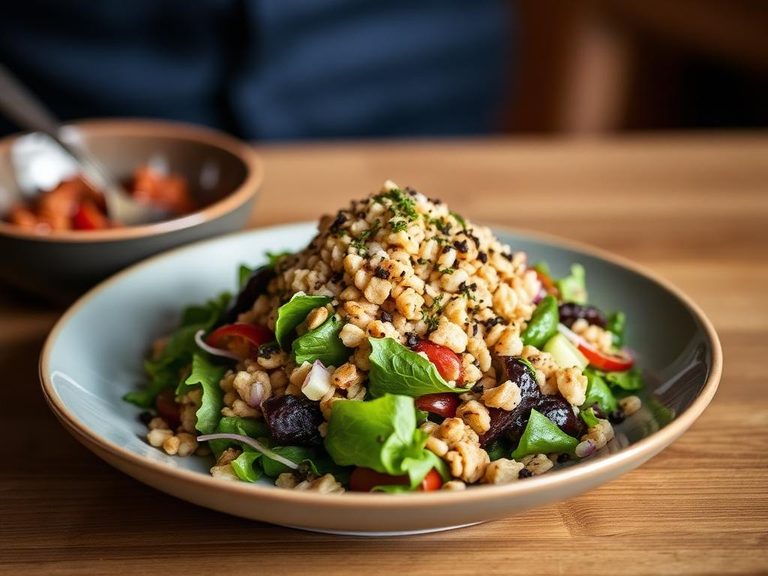
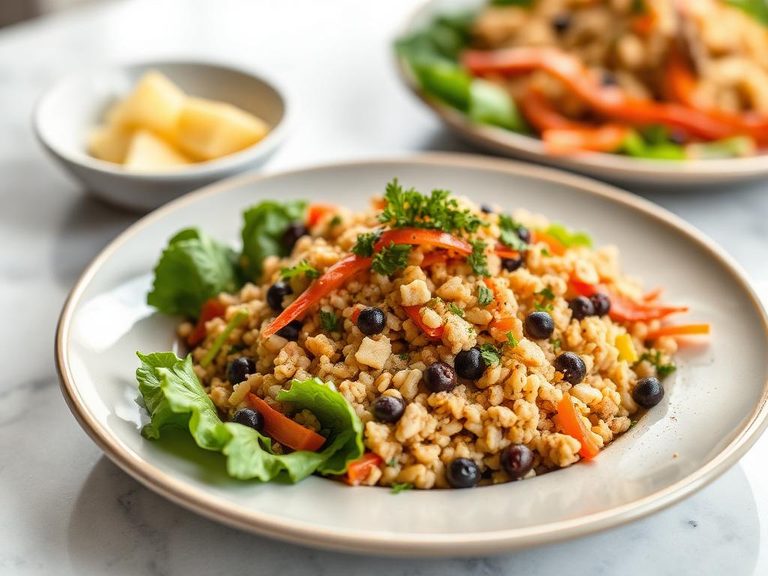
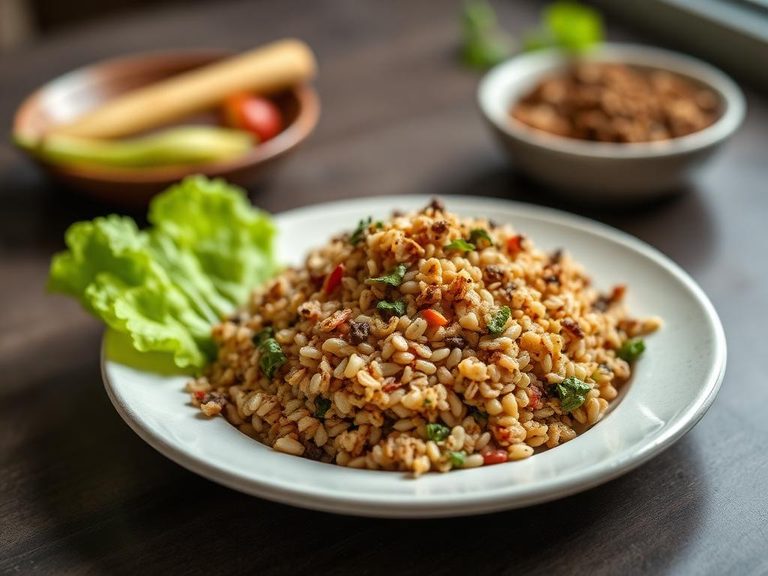
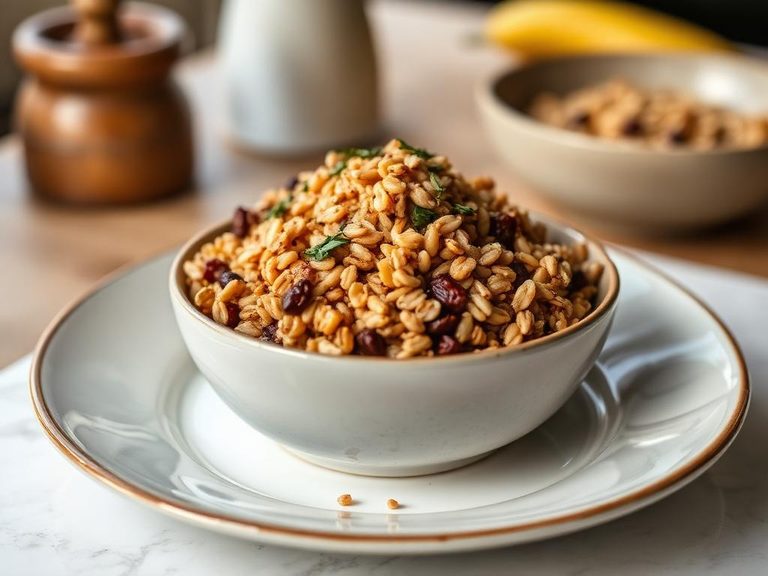
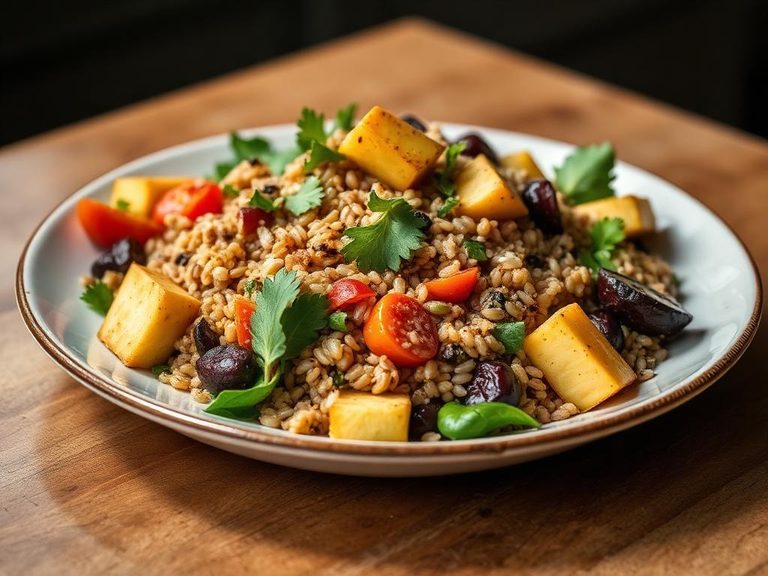
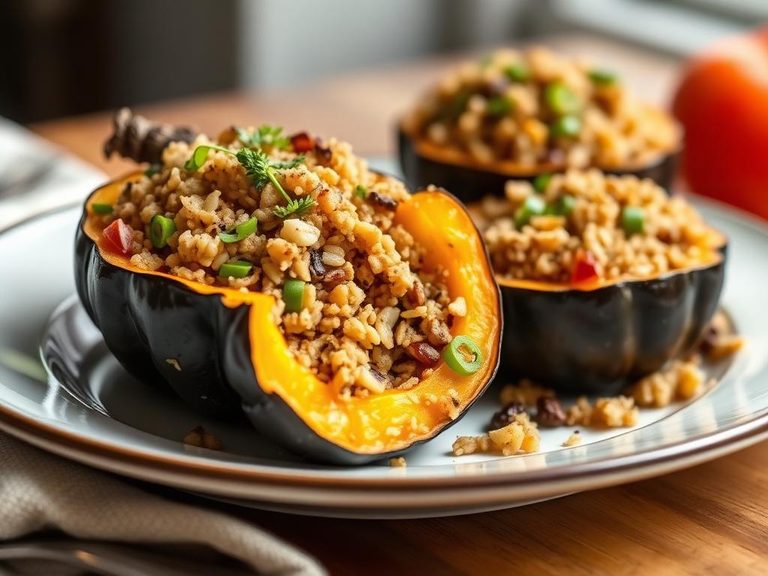
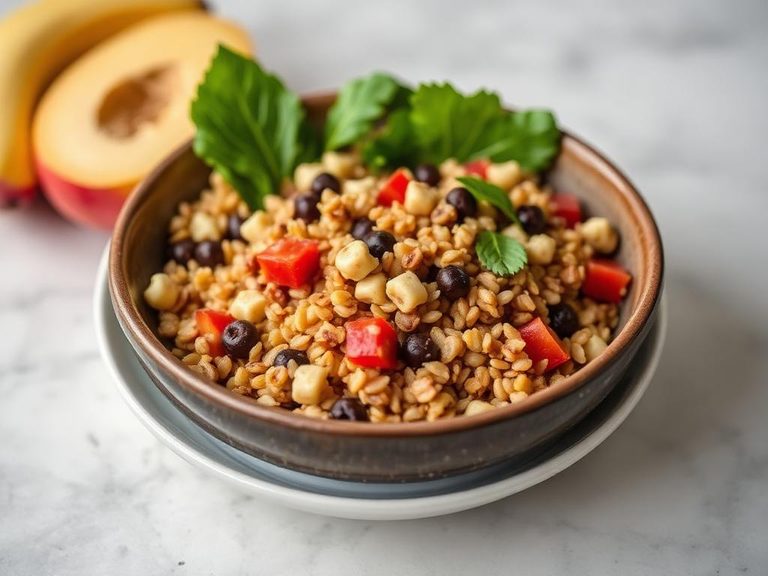
A salad and grain bowl topping is a versatile, textured garnish designed to add flavor, crunch, and visual appeal to base ingredients like leafy greens or cooked grains. Common toppings include toasted seeds (pumpkin, sunflower), nuts, crispy roasted chickpeas, crumbled cheese, dried fruit, and fresh herbs. While not a single dish, this concept is a hallmark of modern health-focused cuisine popularized in Western countries, particularly the United States.
🍽️ Nutrition at a glance
The nutritional profile varies widely by ingredients, but toppings are often designed to boost a meal's protein and healthy fat content (from nuts, seeds, cheese) while adding dietary fiber and key micronutrients like iron and magnesium. A typical serving of mixed toppings can add anywhere from 100 to 250 calories to a bowl.
Nutrition breakdown
| Calories | 80 kcal |
| Protein | 3 g |
| Carbs | 12 g |
| Fat | 2.5 g |
| Fiber | 4 g |
| Sugar | 3 g |
| Sodium | 150 mg |
| Vitamin A | 450 mcg |
| Vitamin C | 15 mg |
| Vitamin K | 80 mcg |
| Folate | 60 mcg |
| Potassium | 300 mg |
| Magnesium | 35 mg |
| Iron | 1.5 mg |
| Manganese | 0.5 mg |
Per 1 cup (150 g) · estimated, varies by recipe
💡 What's interesting
This topping concept reflects a broader culinary shift towards 'build-your-own' meals, emphasizing customization and visual appeal, which is heavily influenced by social media food trends. Nutritionally, it's a clever strategy to transform a simple, low-calorie base into a more satiating and nutrient-dense complete meal.