

Pumpkin seeds, NFS
Common food

Photo: Wikipedia
Pumpkin seeds, also known as pepitas when hulled, are flat, oval kernels with a satisfyingly crunchy texture and a rich, nutty, slightly sweet flavor. They are a nutritional powerhouse, delivering an impressive 29.84g of protein and nearly 50g of healthy fats per 100g, making them one of the most nutrient-dense seeds available.
Calorie split: 19% protein · 9% carbs · 71% fat
↓ Full nutrition💚 Why it's loved
People adore pumpkin seeds for their versatile, savory crunch that elevates salads, granolas, and roasted vegetables. Their deep, earthy nuttiness is a beloved staple in Mexican and Mediterranean cuisines, often enjoyed simply roasted with salt.
⚠️ Watch-outs & how to enjoy it better
Their high fat and calorie density means portion control is key for those monitoring energy intake. The hard outer shell (if not hulled) can be tough to digest for some; soaking or choosing hulled pepitas can help. They are also a tree nut/seed allergen for some individuals.
Key benefits
- Excellent source of plant-based protein for muscle repair and satiety.
- High in magnesium, which supports muscle and nerve function.
- Rich in zinc, crucial for immune health and skin integrity.
- Provides healthy monounsaturated and polyunsaturated fats.
- Good source of fiber to support digestive health.
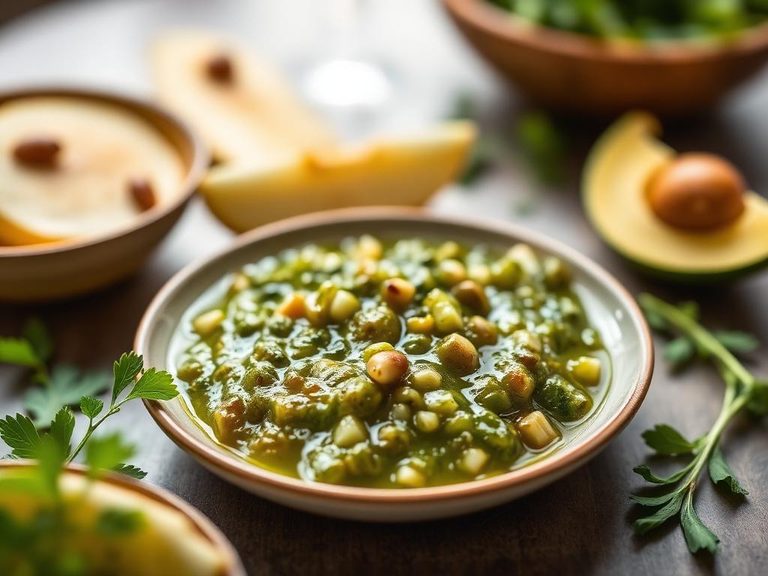
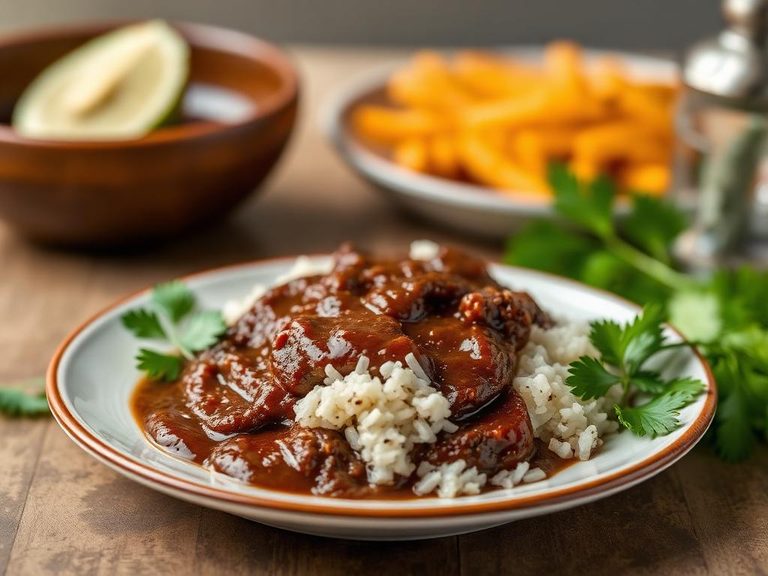
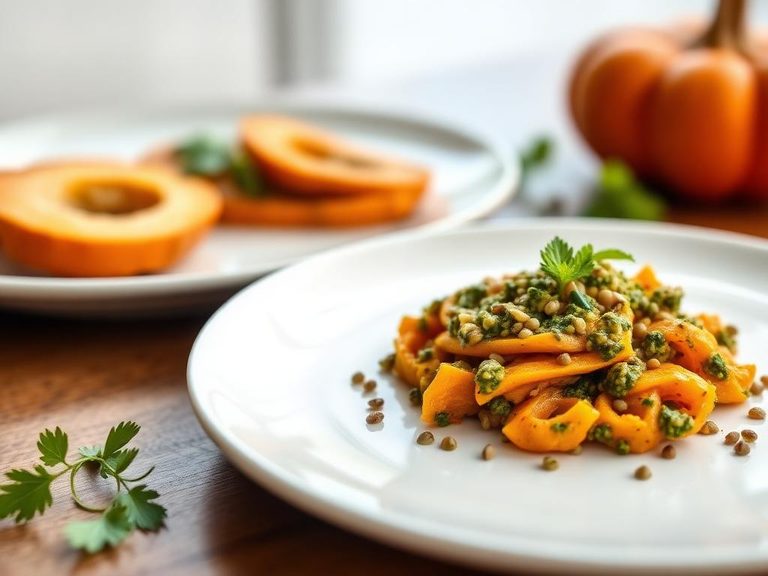
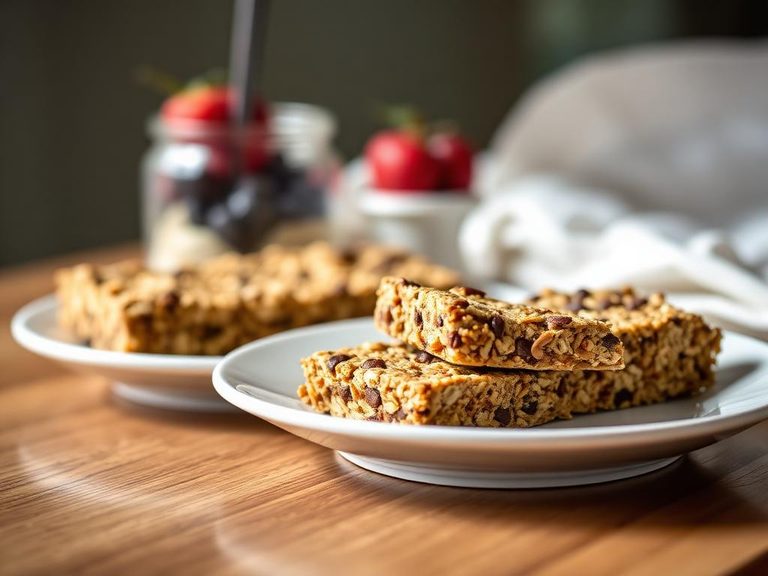
🍽️ Popular dishes
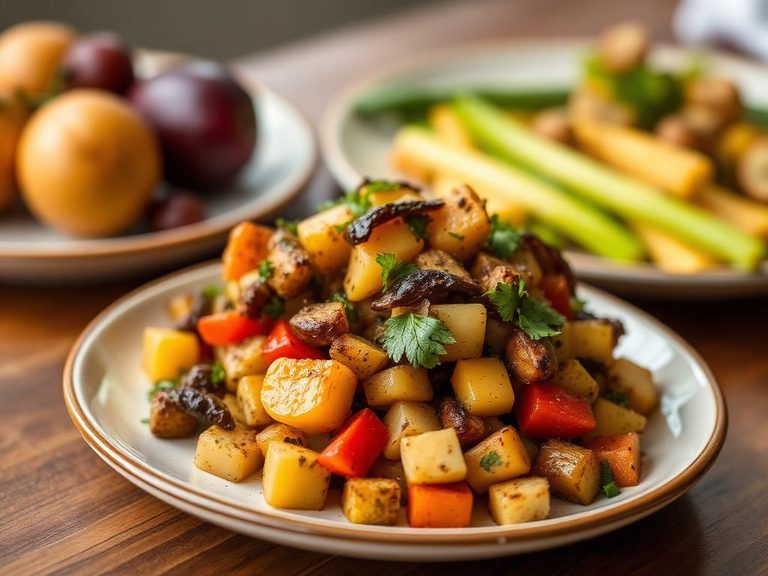
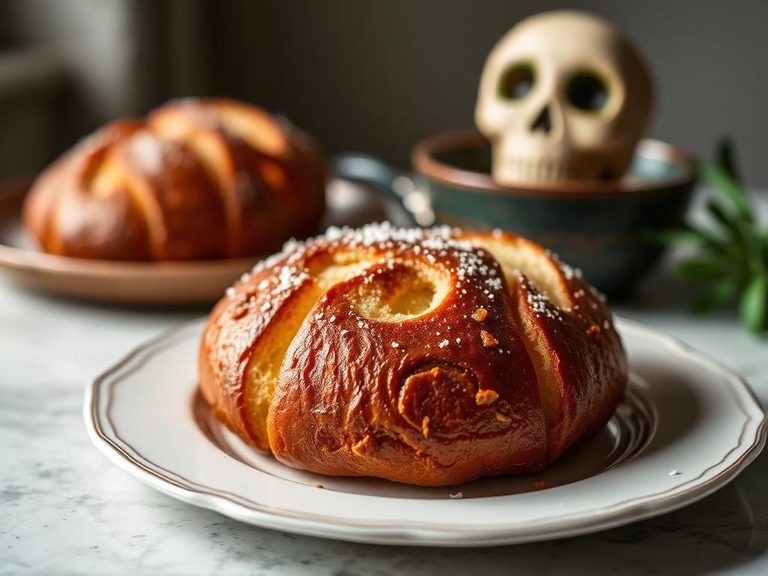
🌍 Where it's eaten
💡 Did you know?
The Aztecs considered pumpkin seeds a delicacy and a source of strength, often consuming them during ritual fasting periods.
Full nutrition (USDA data · scales with serving)
| Water | 2.0 g |
| Energy | 574 kcal |
| Protein | 29.8 g |
| Total lipid (fat) | 49.0 g |
| Carbohydrate, by difference | 14.7 g |
| Fiber, total dietary | 6.5 g |
| Total Sugars | 1.3 g |
| Calcium, Ca | 52.0 mg |
| Iron, Fe | 8.1 mg |
| Magnesium, Mg | 550 mg |
| Phosphorus, P | 1174 mg |
| Potassium, K | 788 mg |
| Sodium, Na | 18.0 mg |
| Zinc, Zn | 7.6 mg |
| Copper, Cu | 1.3 mg |
| Selenium, Se | 9.4 ug |
| Vitamin C, total ascorbic acid | 1.8 mg |
| Thiamin | 0.07 mg |
| Riboflavin | 0.15 mg |
| Niacin | 4.4 mg |
| Vitamin B-6 | 0.10 mg |
| Folate, total | 57.0 ug |
| Folic acid | 0.00 ug |
| Folate, food | 57.0 ug |
| Folate, DFE | 57.0 ug |
| Choline, total | 63.0 mg |
| Vitamin B-12 | 0.00 ug |
| Vitamin B-12, added | 0.00 ug |
| Vitamin A, RAE | 0.00 ug |
| Retinol | 0.00 ug |
| Carotene, beta | 5.0 ug |
| Carotene, alpha | 1.0 ug |
| Cryptoxanthin, beta | 0.00 ug |
| Lycopene | 0.00 ug |
| Lutein + zeaxanthin | 30.0 ug |
| Vitamin E (alpha-tocopherol) | 0.56 mg |
| Vitamin E, added | 0.00 mg |
| Vitamin D (D2 + D3) | 0.00 ug |
| Vitamin K (phylloquinone) | 4.5 ug |
| Alcohol, ethyl | 0.00 g |
| Caffeine | 0.00 mg |
| Theobromine | 0.00 mg |
Fat & fatty acid profile (per 100g)
| Fatty acids, total saturated | 8.5 g |
| SFA 4:0 | 0.00 g |
| SFA 6:0 | 0.01 g |
| SFA 8:0 | 0.00 g |
| SFA 10:0 | 0.00 g |
| SFA 12:0 | 0.01 g |
| SFA 14:0 | 0.06 g |
| SFA 16:0 | 5.2 g |
| SFA 18:0 | 2.9 g |
| Fatty acids, total monounsaturated | 15.7 g |
| MUFA 16:1 | 0.04 g |
| MUFA 18:1 | 15.6 g |
| MUFA 20:1 | 0.05 g |
| MUFA 22:1 | 0.00 g |
| Fatty acids, total polyunsaturated | 19.9 g |
| PUFA 18:2 | 19.6 g |
| PUFA 18:3 | 0.11 g |
| PUFA 18:4 | 0.00 g |
| PUFA 20:4 | 0.12 g |
| PUFA 20:5 n-3 (EPA) | 0.00 g |
| PUFA 22:5 n-3 (DPA) | 0.00 g |
| PUFA 22:6 n-3 (DHA) | 0.00 g |
| Cholesterol | 0.00 mg |
Amino acid profile (per 100g)
Estimated from Seeds, pumpkin and squash seeds, whole, roasted, with salt added — USDA does not publish this profile for Pumpkin seeds.
| Tryptophan | 0.33 g |
| Threonine | 0.68 g |
| Isoleucine | 0.96 g |
| Leucine | 1.6 g |
| Lysine | 1.4 g |
| Methionine | 0.42 g |
| Cystine | 0.23 g |
| Phenylalanine | 0.92 g |
| Tyrosine | 0.77 g |
| Valine | 1.5 g |
| Arginine | 3.0 g |
| Histidine | 0.52 g |
| Alanine | 0.88 g |
| Aspartic acid | 1.9 g |
| Glutamic acid | 3.3 g |
| Glycine | 1.4 g |
| Proline | 0.76 g |
| Serine | 0.87 g |
FAQ
What's the difference between pumpkin seeds and pepitas?
Pepitas are a type of pumpkin seed that are naturally hull-less (from specific varieties like Styrian pumpkins) or have had their white outer shell removed. They are the green, flat seeds commonly sold for snacking and cooking.
Are pumpkin seeds good for you?
Yes, they are highly nutritious, packed with protein, healthy fats, magnesium, zinc, and iron. However, they are calorie-dense, so a standard serving is about 1 ounce (28g).
How should I store pumpkin seeds?
For short-term use (a few weeks), store them in an airtight container at room temperature. For longer shelf life (up to 6 months), keep them in the refrigerator or freezer to prevent the oils from going rancid.
Can I eat the white shell?
Yes, the white outer shell is edible and adds extra fiber. However, it can be tough to chew and digest for some people. If you prefer a milder taste and softer texture, choose hulled pepitas.
Nutrient density (calculated · NRF9.3)
Nutrient Rich Foods index: beneficial nutrients (protein, fiber, vitamins, minerals) minus saturated fat, added sugar & sodium, per 100 kcal.
NRF9.3 index — Fulgoni, Keast & Drewnowski, 2009. Computed from USDA nutrients.
Weight-loss friendliness (composite index)
Energy density 5.74 kcal/g · 21% calories from protein · 6.5 g fiber · 1.3 g sugar per 100 g.
Composite of energy density (Rolls et al., 1999), protein & fiber satiety, minus sugar. A calculated heuristic — ranks satiety-per-calorie, not a clinical measure.
Dietary load (calculated from USDA values)
Potential renal acid load. Positive = acid-forming, negative = alkaline-forming.
Sodium-to-potassium ratio: 0.02 (lower is better — aim for ≤ 1)
Sodium:potassium per WHO potassium guidance. Computed from USDA nutrients.