

Pudding, flavors other than chocolate, ready-to-eat, sugar free
Common food

Photo: Wikipedia
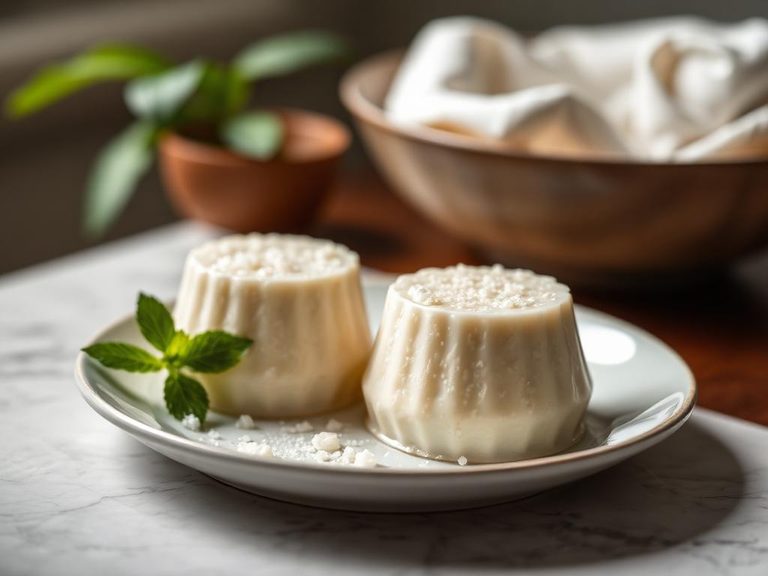
This is a light, wobbly dessert with a smooth, creamy texture, typically made from a milk base and a thickener like cornstarch or gelatin. It delivers a sweet, satisfying flavor profile without the sugar, often using artificial sweeteners or sugar alcohols. Nutritionally, it's a low-calorie, protein-containing option that provides a quick energy boost from its carbohydrates.
Calorie split: 18% protein · 55% carbs · 27% fat
↓ Full nutrition💚 Why it's loved
People love it for its comforting, nostalgic sweetness and creamy mouthfeel, offering a guilt-free treat that satisfies dessert cravings. Its versatility makes it a quick snack or a base for layered desserts, and it's a staple in many cultures as a simple, comforting end to a meal.
⚠️ Watch-outs & how to enjoy it better
The use of sugar alcohols or artificial sweeteners can cause digestive discomfort like bloating or laxative effects in some individuals. To counteract this, start with a small portion to assess tolerance and pair it with a source of protein or healthy fat (like nuts) to slow sugar absorption and improve satiety. Those monitoring blood sugar should be cautious, as the high carbohydrate content (9.53g per 100g) can still cause spikes.
Key benefits
- Low in calories (70 kcal per 100g)
- Provides a source of protein (3.18g per 100g)
- Contains no dietary fiber
- Ready-to-eat convenience
- Suitable for sugar-restricted diets
🍽️ Popular dishes

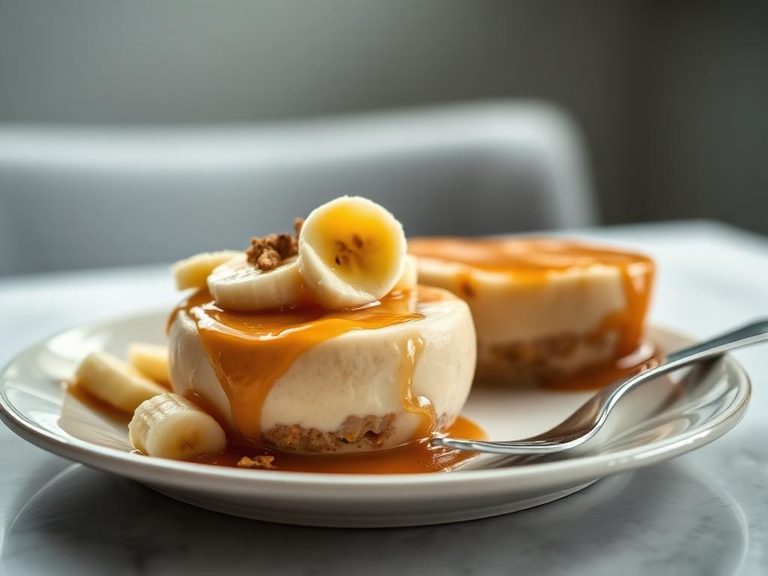
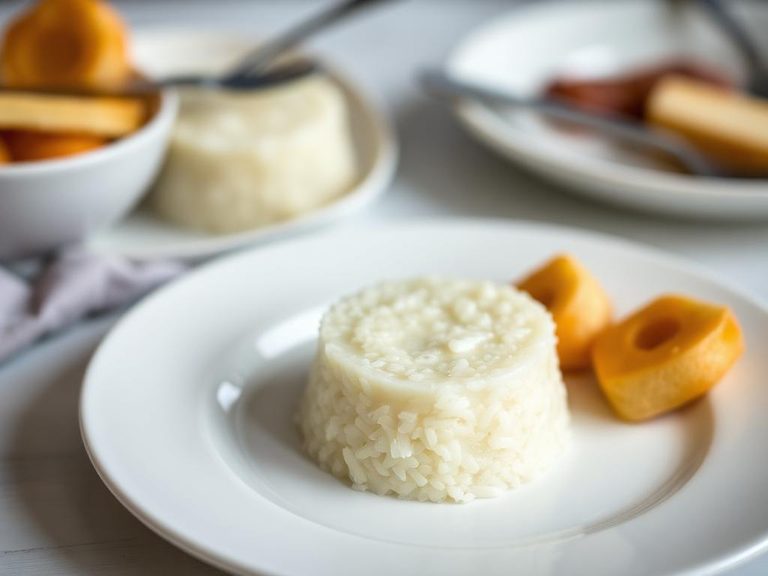
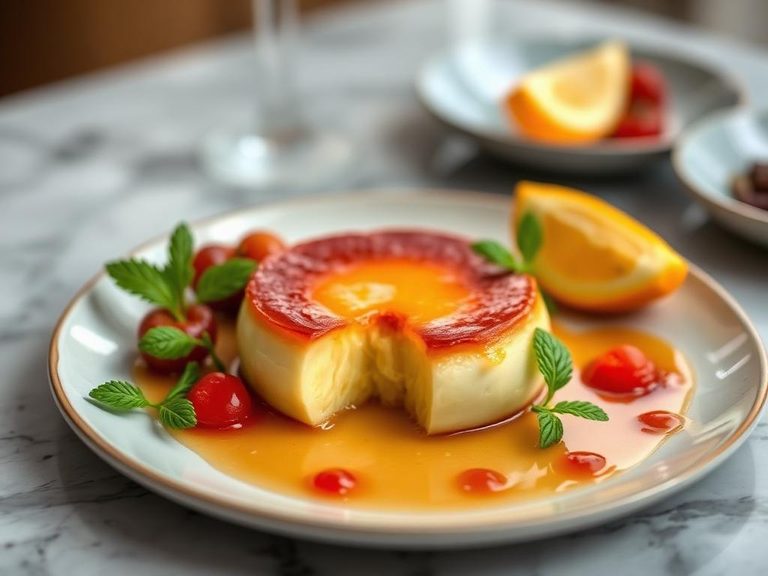
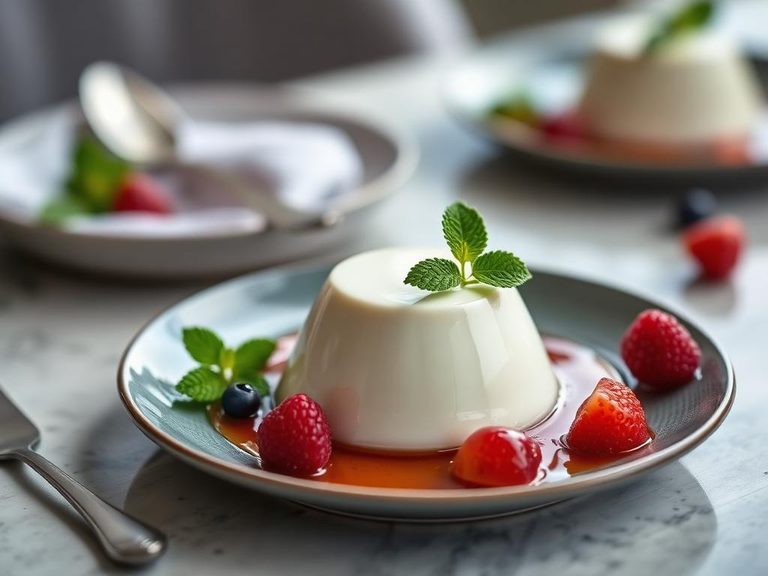
🌍 Where it's eaten
💡 Did you know?
The word 'pudding' originally referred to a type of savory sausage or blood pudding in medieval England, not the sweet dessert we know today.
Full nutrition (USDA data · scales with serving)
| Water | 84.1 g |
| Energy | 70.0 kcal |
| Protein | 3.2 g |
| Total lipid (fat) | 2.1 g |
| Carbohydrate, by difference | 9.5 g |
| Fiber, total dietary | 0.00 g |
| Total Sugars | 4.7 g |
| Calcium, Ca | 126 mg |
| Iron, Fe | 0.02 mg |
| Magnesium, Mg | 12.0 mg |
| Phosphorus, P | 236 mg |
| Potassium, K | 149 mg |
| Sodium, Na | 257 mg |
| Zinc, Zn | 0.41 mg |
| Copper, Cu | 0.00 mg |
| Selenium, Se | 1.8 ug |
| Vitamin C, total ascorbic acid | 0.10 mg |
| Thiamin | 0.05 mg |
| Riboflavin | 0.13 mg |
| Niacin | 0.10 mg |
| Vitamin B-6 | 0.06 mg |
| Folate, total | 1.0 ug |
| Folic acid | 0.00 ug |
| Folate, food | 1.0 ug |
| Folate, DFE | 1.0 ug |
| Choline, total | 16.9 mg |
| Vitamin B-12 | 0.53 ug |
| Vitamin B-12, added | 0.00 ug |
| Vitamin A, RAE | 54.0 ug |
| Retinol | 54.0 ug |
| Carotene, beta | 4.0 ug |
| Carotene, alpha | 0.00 ug |
| Cryptoxanthin, beta | 0.00 ug |
| Lycopene | 0.00 ug |
| Lutein + zeaxanthin | 0.00 ug |
| Vitamin E (alpha-tocopherol) | 0.04 mg |
| Vitamin E, added | 0.00 mg |
| Vitamin D (D2 + D3) | 1.0 ug |
| Vitamin K (phylloquinone) | 0.30 ug |
| Alcohol, ethyl | 0.00 g |
| Caffeine | 0.00 mg |
| Theobromine | 0.00 mg |
Fat & fatty acid profile (per 100g)
| Fatty acids, total saturated | 1.2 g |
| SFA 4:0 | 0.04 g |
| SFA 6:0 | 0.03 g |
| SFA 8:0 | 0.02 g |
| SFA 10:0 | 0.05 g |
| SFA 12:0 | 0.06 g |
| SFA 14:0 | 0.19 g |
| SFA 16:0 | 0.55 g |
| SFA 18:0 | 0.20 g |
| Fatty acids, total monounsaturated | 0.44 g |
| MUFA 16:1 | 0.03 g |
| MUFA 18:1 | 0.44 g |
| MUFA 20:1 | 0.00 g |
| MUFA 22:1 | 0.00 g |
| Fatty acids, total polyunsaturated | 0.09 g |
| PUFA 18:2 | 0.09 g |
| PUFA 18:3 | 0.01 g |
| PUFA 18:4 | 0.00 g |
| PUFA 20:4 | 0.00 g |
| PUFA 20:5 n-3 (EPA) | 0.00 g |
| PUFA 22:5 n-3 (DPA) | 0.00 g |
| PUFA 22:6 n-3 (DHA) | 0.00 g |
| Cholesterol | 8.0 mg |
Amino acid profile (per 100g)
Estimated from Puddings, banana, dry mix, regular, with added oil — USDA does not publish this profile for Pudding.
| Tryptophan | 0.00 g |
| Threonine | 0.00 g |
| Isoleucine | 0.00 g |
| Leucine | 0.01 g |
| Lysine | 0.00 g |
| Methionine | 0.00 g |
| Cystine | 0.00 g |
| Phenylalanine | 0.00 g |
| Tyrosine | 0.00 g |
| Valine | 0.00 g |
| Arginine | 0.00 g |
| Histidine | 0.00 g |
| Alanine | 0.00 g |
| Aspartic acid | 0.00 g |
| Glutamic acid | 0.01 g |
| Glycine | 0.00 g |
| Proline | 0.00 g |
| Serine | 0.00 g |
FAQ
Is sugar-free pudding a good option for diabetics?
It can be, as it avoids added sugars, but it still contains carbohydrates (9.53g per 100g) that affect blood sugar. It's best consumed in moderation and paired with protein or fat to minimize spikes. Always check the specific sweetener used, as some have a lower glycemic impact.
What is the texture of ready-to-eat sugar-free pudding like?
It typically has a smooth, creamy, and slightly jiggly texture, similar to traditional pudding but sometimes a bit lighter or less rich due to the absence of sugar and fat.
Can I use this pudding as a base for other desserts?
Yes, its neutral flavor and creamy consistency make it an excellent base for layered desserts, fruit parfaits, or as a filling for pastries. You can mix in fruits, nuts, or a sprinkle of cinnamon for added flavor and texture.
Nutrient density (calculated · NRF9.3)
Nutrient Rich Foods index: beneficial nutrients (protein, fiber, vitamins, minerals) minus saturated fat, added sugar & sodium, per 100 kcal.
NRF9.3 index — Fulgoni, Keast & Drewnowski, 2009. Computed from USDA nutrients.
Weight-loss friendliness (composite index)
Energy density 0.70 kcal/g · 18% calories from protein · 0.0 g fiber · 4.7 g sugar per 100 g.
Composite of energy density (Rolls et al., 1999), protein & fiber satiety, minus sugar. A calculated heuristic — ranks satiety-per-calorie, not a clinical measure.
Dietary load (calculated from USDA values)
Potential renal acid load. Positive = acid-forming, negative = alkaline-forming.
Sodium-to-potassium ratio: 1.72 (lower is better — aim for ≤ 1)
Sodium:potassium per WHO potassium guidance. Computed from USDA nutrients.