

Potato, boiled, ready-to-heat
Common food

Photo: Wikipedia
This is a humble, ready-to-eat potato that has been boiled whole or in chunks, offering a soft, fluffy interior with a mild, earthy sweetness. Its nutrition is defined by a solid carbohydrate base (20.45g) for energy, complemented by a modest amount of plant-based protein (1.87g) and a light, creamy mouthfeel from its natural fats.
Calorie split: 6% protein · 64% carbs · 30% fat
↓ Full nutrition💚 Why it's loved
People adore it for its comforting, neutral flavor that acts as a perfect canvas for bold seasonings, sauces, and toppings. Its convenience as a ready-to-heat staple makes it a beloved time-saver for quick, satisfying meals.
⚠️ Watch-outs & how to enjoy it better
Its high glycemic index can cause rapid blood-sugar spikes, which is a concern for diabetics or those managing insulin resistance. To counteract this, pair it with a source of protein (like Greek yogurt or beans) or healthy fat (like olive oil or avocado) to slow digestion, and opt for cooler preparations like potato salad to increase resistant starch.
Key benefits
- Provides quick, sustained energy from complex carbohydrates.
- Naturally low in fat and contains no cholesterol.
- A good source of potassium, which supports muscle function.
- Contains resistant starch when cooled, which aids gut health.
- Highly versatile base for countless dishes.
🍽️ Popular dishes
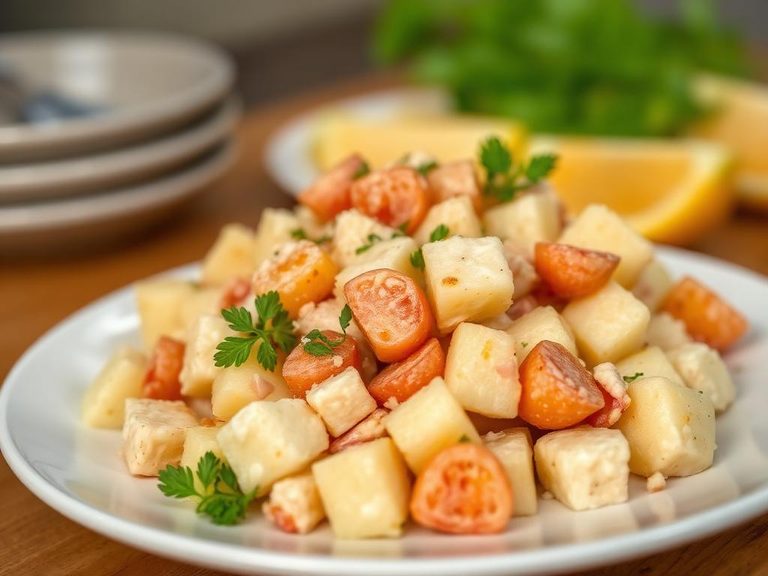
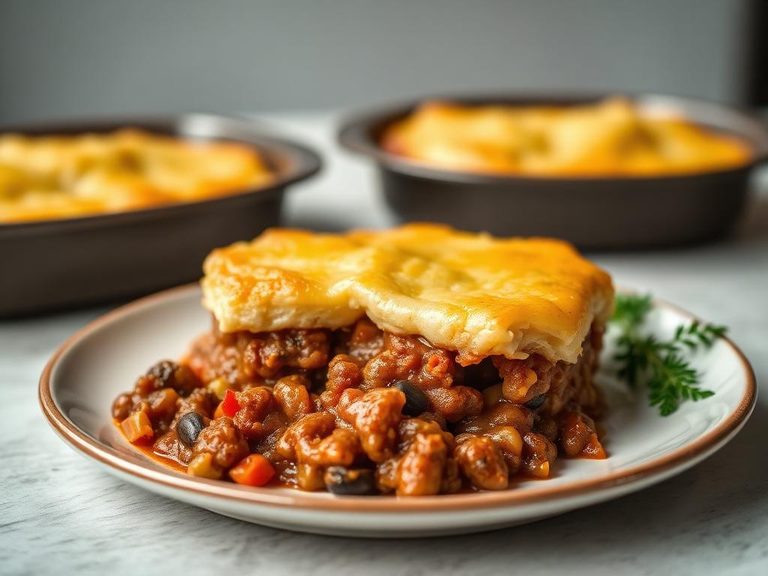
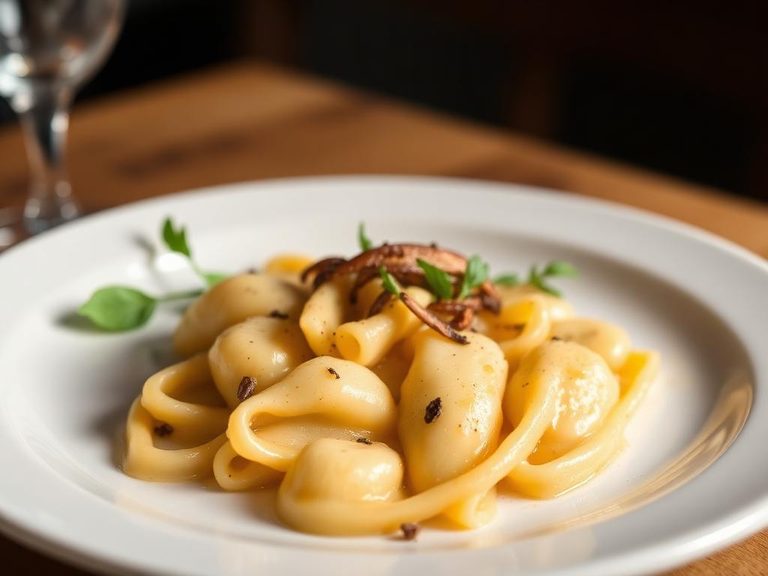
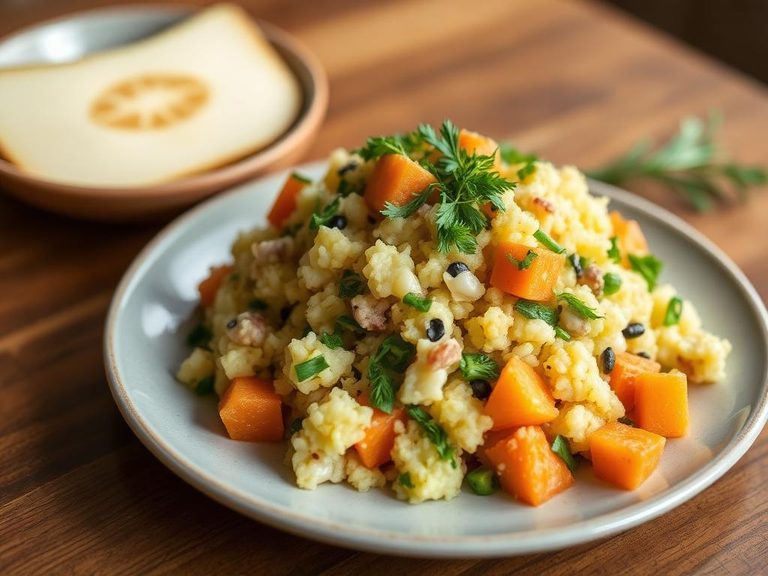
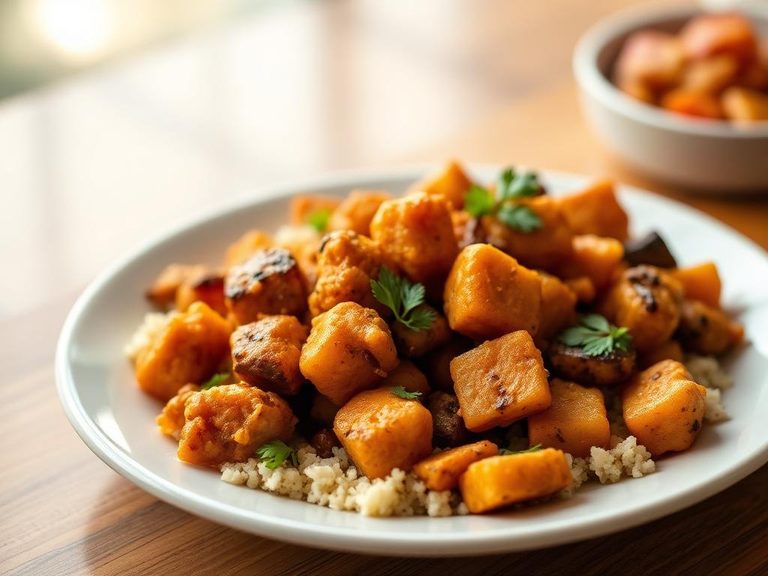
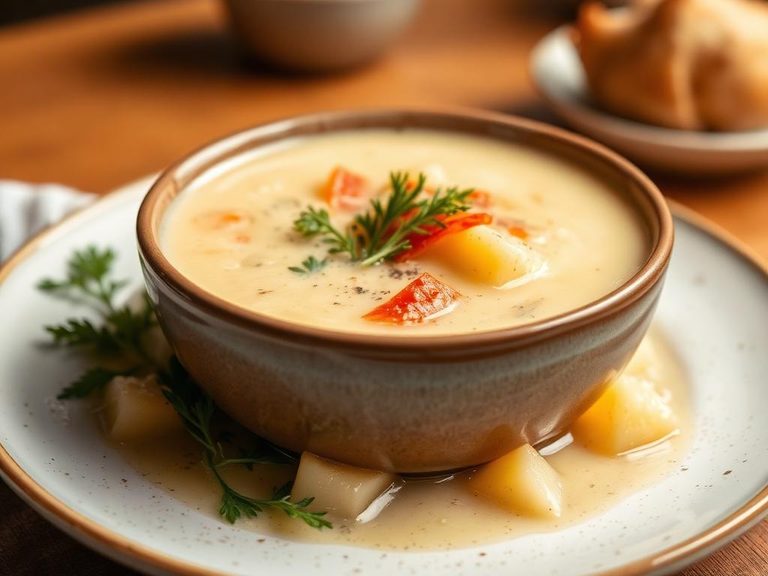
🌍 Where it's eaten
💡 Did you know?
Boiling potatoes with their skins on can help retain up to 50% more vitamin C compared to peeling them first.
Full nutrition (USDA data · scales with serving)
| Water | 72.1 g |
| Energy | 126 kcal |
| Protein | 1.9 g |
| Total lipid (fat) | 4.3 g |
| Carbohydrate, by difference | 20.4 g |
| Fiber, total dietary | 1.4 g |
| Total Sugars | 1.6 g |
| Calcium, Ca | 5.0 mg |
| Iron, Fe | 0.34 mg |
| Magnesium, Mg | 24.0 mg |
| Phosphorus, P | 48.0 mg |
| Potassium, K | 372 mg |
| Sodium, Na | 166 mg |
| Zinc, Zn | 0.28 mg |
| Copper, Cu | 0.20 mg |
| Selenium, Se | 0.30 ug |
| Vitamin C, total ascorbic acid | 12.1 mg |
| Thiamin | 0.10 mg |
| Riboflavin | 0.02 mg |
| Niacin | 1.3 mg |
| Vitamin B-6 | 0.31 mg |
| Folate, total | 9.0 ug |
| Folic acid | 0.00 ug |
| Folate, food | 9.0 ug |
| Folate, DFE | 9.0 ug |
| Choline, total | 14.1 mg |
| Vitamin B-12 | 0.00 ug |
| Vitamin B-12, added | 0.00 ug |
| Vitamin A, RAE | 19.0 ug |
| Retinol | 18.0 ug |
| Carotene, beta | 8.0 ug |
| Carotene, alpha | 0.00 ug |
| Cryptoxanthin, beta | 0.00 ug |
| Lycopene | 0.00 ug |
| Lutein + zeaxanthin | 0.00 ug |
| Vitamin E (alpha-tocopherol) | 0.66 mg |
| Vitamin E, added | 0.00 mg |
| Vitamin D (D2 + D3) | 0.00 ug |
| Vitamin K (phylloquinone) | 3.7 ug |
| Alcohol, ethyl | 0.00 g |
| Caffeine | 0.00 mg |
| Theobromine | 0.00 mg |
Fat & fatty acid profile (per 100g)
| Fatty acids, total saturated | 1.1 g |
| SFA 4:0 | 0.03 g |
| SFA 6:0 | 0.02 g |
| SFA 8:0 | 0.01 g |
| SFA 10:0 | 0.03 g |
| SFA 12:0 | 0.04 g |
| SFA 14:0 | 0.10 g |
| SFA 16:0 | 0.61 g |
| SFA 18:0 | 0.23 g |
| Fatty acids, total monounsaturated | 1.5 g |
| MUFA 16:1 | 0.02 g |
| MUFA 18:1 | 1.4 g |
| MUFA 20:1 | 0.02 g |
| MUFA 22:1 | 0.00 g |
| Fatty acids, total polyunsaturated | 1.2 g |
| PUFA 18:2 | 1.1 g |
| PUFA 18:3 | 0.14 g |
| PUFA 18:4 | 0.00 g |
| PUFA 20:4 | 0.00 g |
| PUFA 20:5 n-3 (EPA) | 0.00 g |
| PUFA 22:5 n-3 (DPA) | 0.00 g |
| PUFA 22:6 n-3 (DHA) | 0.00 g |
| Cholesterol | 3.0 mg |
Amino acid profile (per 100g)
Estimated from Snacks, potato chips, made from dried potatoes, reduced fat — USDA does not publish this profile for Potato.
| Tryptophan | 0.04 g |
| Threonine | 0.24 g |
| Isoleucine | 0.25 g |
| Leucine | 0.37 g |
| Lysine | 0.35 g |
| Methionine | 0.07 g |
| Cystine | 0.07 g |
| Phenylalanine | 0.26 g |
| Tyrosine | 0.22 g |
| Valine | 0.33 g |
| Arginine | 0.27 g |
| Histidine | 0.13 g |
| Alanine | 0.20 g |
| Aspartic acid | 1.1 g |
| Glutamic acid | 0.94 g |
| Glycine | 0.19 g |
| Proline | 0.20 g |
| Serine | 0.23 g |
FAQ
How is 'ready-to-heat' potato different from freshly boiled?
It is fully cooked and packaged for convenience, often with added preservatives or in vacuum-sealed pouches to extend shelf life while maintaining texture.
Can I eat the skin?
Yes, the skin is edible and contains fiber and nutrients. Pre-peeled, ready-to-heat varieties are common, but some products retain the skin.
Is it gluten-free?
Naturally, yes. Potatoes are gluten-free. However, always check the packaging for potential cross-contamination warnings if you have celiac disease.
Nutrient density (calculated · NRF9.3)
Nutrient Rich Foods index: beneficial nutrients (protein, fiber, vitamins, minerals) minus saturated fat, added sugar & sodium, per 100 kcal.
NRF9.3 index — Fulgoni, Keast & Drewnowski, 2009. Computed from USDA nutrients.
Weight-loss friendliness (composite index)
Energy density 1.26 kcal/g · 6% calories from protein · 1.4 g fiber · 1.6 g sugar per 100 g.
Composite of energy density (Rolls et al., 1999), protein & fiber satiety, minus sugar. A calculated heuristic — ranks satiety-per-calorie, not a clinical measure.
Dietary load (calculated from USDA values)
Potential renal acid load. Positive = acid-forming, negative = alkaline-forming.
Sodium-to-potassium ratio: 0.45 (lower is better — aim for ≤ 1)
Sodium:potassium per WHO potassium guidance. Computed from USDA nutrients.