

Potato, mashed, ready-to-heat
Common food

Photo: Wikipedia
This is the ultimate comfort food shortcut: creamy, buttery mashed potatoes ready in minutes. With a velvety texture and rich, savory flavor, it offers a convenient dose of potassium and carbs for quick energy.
Calorie split: 7% protein · 50% carbs · 42% fat
↓ Full nutrition💚 Why it's loved
People adore its nostalgic, creamy comfort and its role as a versatile canvas for gravies, herbs, and other flavors. It's a beloved staple that evokes warmth and home cooking.
⚠️ Watch-outs & how to enjoy it better
The high glycemic index can cause rapid blood-sugar spikes, and many commercial versions are high in sodium. To counteract, pair a moderate portion with a protein like chicken or fish and a fibrous vegetable to slow digestion.
Key benefits
- Excellent source of potassium for nerve and muscle function
- Provides quick-release carbohydrates for energy
- Convenient and reduces food preparation time
- Gluten-free and naturally low in fat
- A good source of dietary fiber, especially with skin
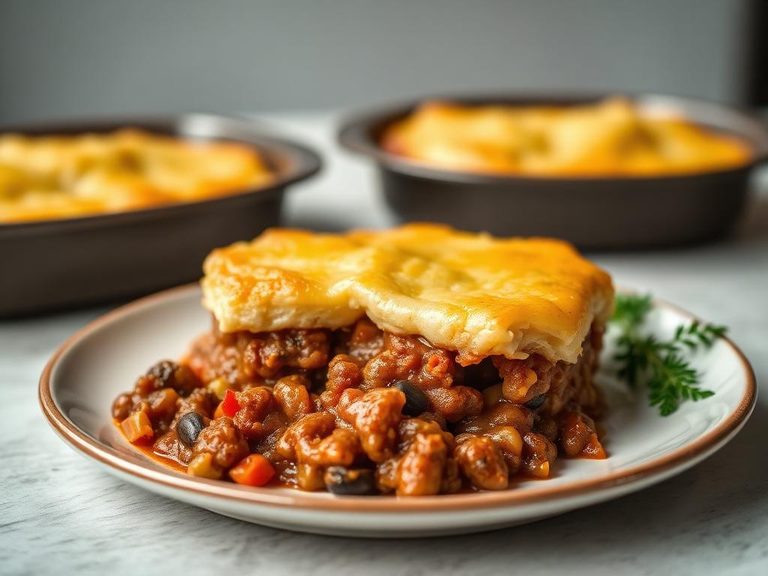
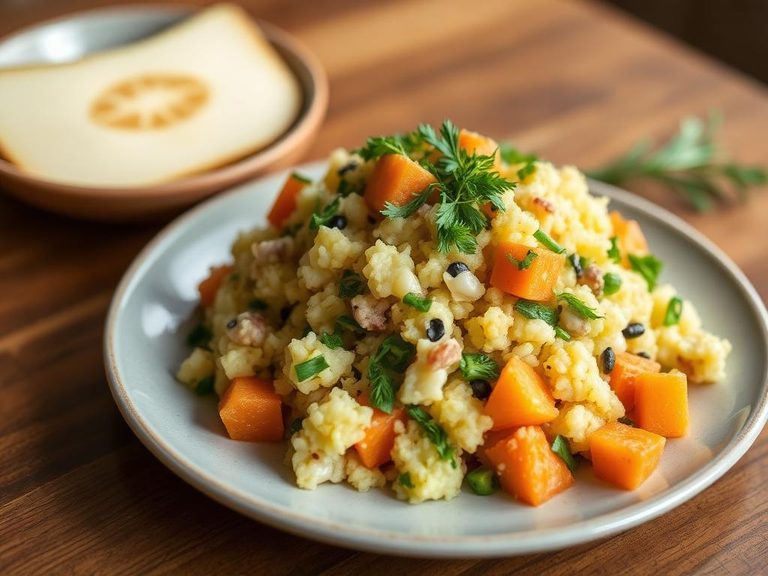
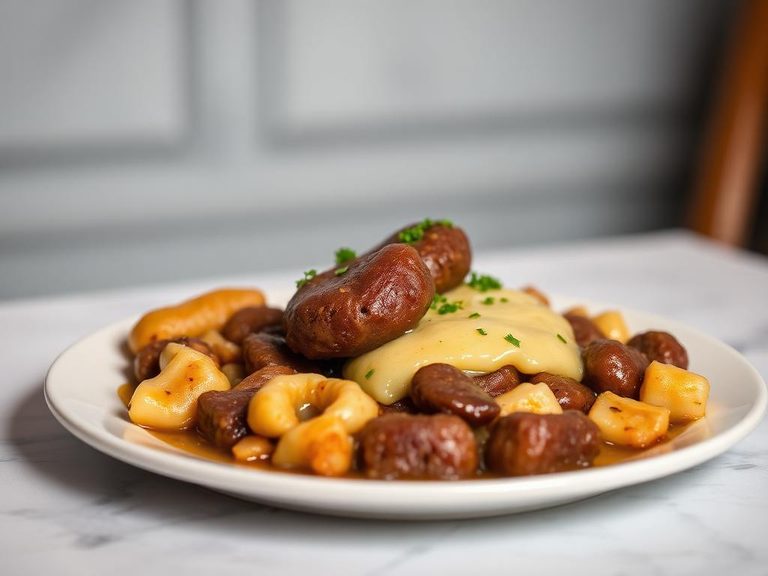
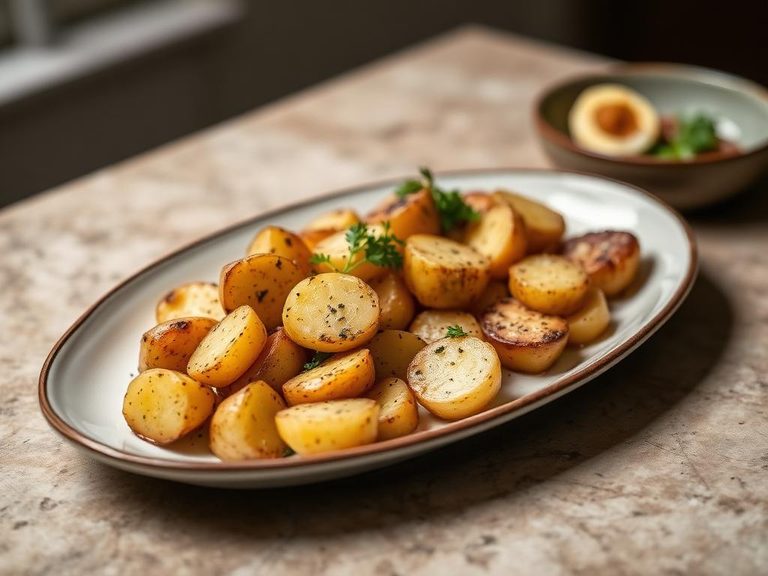
🍽️ Popular dishes
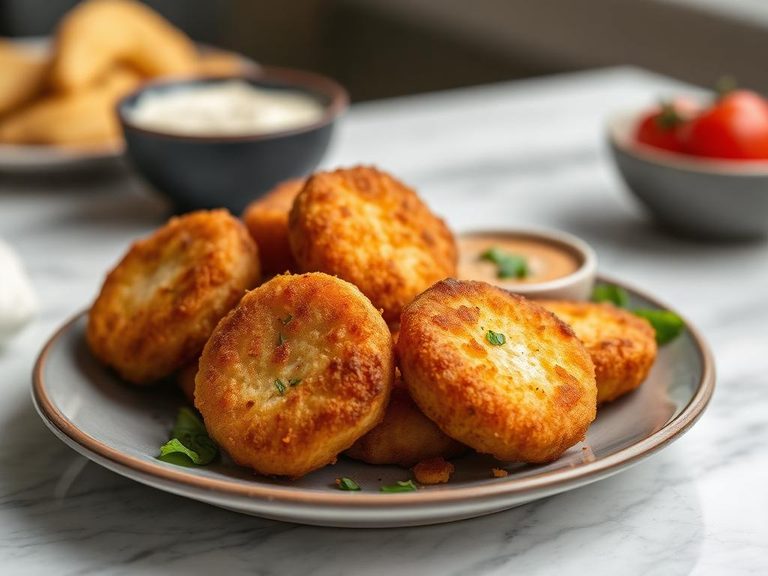
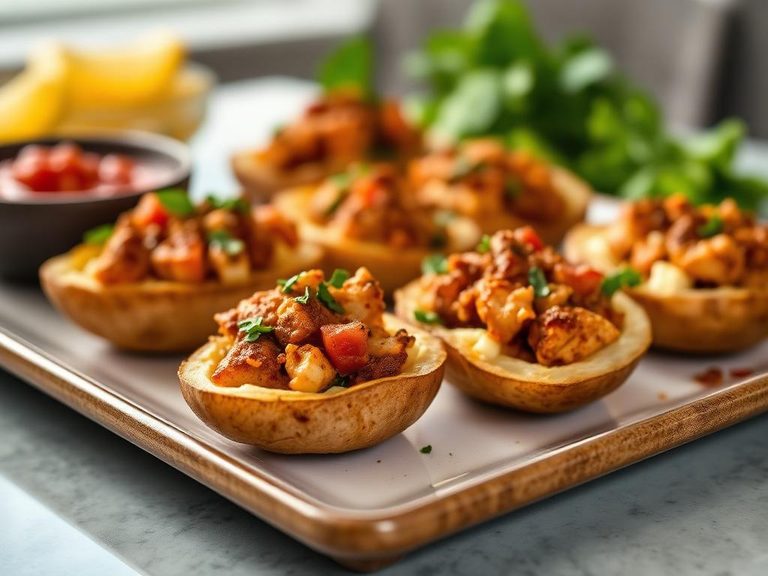
🌍 Where it's eaten
💡 Did you know?
The world record for the largest serving of mashed potatoes was set in 2017 in Tennessee, USA, weighing in at a staggering 948 pounds (430 kg).
Full nutrition (USDA data · scales with serving)
| Water | 78.3 g |
| Energy | 106 kcal |
| Protein | 2.0 g |
| Total lipid (fat) | 5.0 g |
| Carbohydrate, by difference | 13.3 g |
| Fiber, total dietary | 1.9 g |
| Total Sugars | 1.8 g |
| Calcium, Ca | 34.0 mg |
| Iron, Fe | 0.27 mg |
| Magnesium, Mg | 14.0 mg |
| Phosphorus, P | 61.0 mg |
| Potassium, K | 274 mg |
| Sodium, Na | 298 mg |
| Zinc, Zn | 0.30 mg |
| Copper, Cu | 0.01 mg |
| Selenium, Se | 0.80 ug |
| Vitamin C, total ascorbic acid | 0.10 mg |
| Thiamin | 0.09 mg |
| Riboflavin | 0.09 mg |
| Niacin | 1.0 mg |
| Vitamin B-6 | 0.11 mg |
| Folate, total | 6.0 ug |
| Folic acid | 0.00 ug |
| Folate, food | 6.0 ug |
| Folate, DFE | 6.0 ug |
| Choline, total | 15.7 mg |
| Vitamin B-12 | 0.22 ug |
| Vitamin B-12, added | 0.00 ug |
| Vitamin A, RAE | 53.0 ug |
| Retinol | 52.0 ug |
| Carotene, beta | 19.0 ug |
| Carotene, alpha | 0.00 ug |
| Cryptoxanthin, beta | 0.00 ug |
| Lycopene | 0.00 ug |
| Lutein + zeaxanthin | 0.00 ug |
| Vitamin E (alpha-tocopherol) | 0.29 mg |
| Vitamin E, added | 0.00 mg |
| Vitamin D (D2 + D3) | 0.10 ug |
| Vitamin K (phylloquinone) | 2.4 ug |
| Alcohol, ethyl | 0.00 g |
| Caffeine | 0.00 mg |
| Theobromine | 0.00 mg |
Fat & fatty acid profile (per 100g)
| Fatty acids, total saturated | 2.6 g |
| SFA 4:0 | 0.09 g |
| SFA 6:0 | 0.07 g |
| SFA 8:0 | 0.04 g |
| SFA 10:0 | 0.11 g |
| SFA 12:0 | 0.12 g |
| SFA 14:0 | 0.40 g |
| SFA 16:0 | 1.3 g |
| SFA 18:0 | 0.46 g |
| Fatty acids, total monounsaturated | 1.2 g |
| MUFA 16:1 | 0.08 g |
| MUFA 18:1 | 1.1 g |
| MUFA 20:1 | 0.01 g |
| MUFA 22:1 | 0.00 g |
| Fatty acids, total polyunsaturated | 0.68 g |
| PUFA 18:2 | 0.57 g |
| PUFA 18:3 | 0.09 g |
| PUFA 18:4 | 0.00 g |
| PUFA 20:4 | 0.01 g |
| PUFA 20:5 n-3 (EPA) | 0.00 g |
| PUFA 22:5 n-3 (DPA) | 0.00 g |
| PUFA 22:6 n-3 (DHA) | 0.00 g |
| Cholesterol | 13.0 mg |
Amino acid profile (per 100g)
Estimated from Snacks, potato chips, made from dried potatoes, reduced fat — USDA does not publish this profile for Potato.
| Tryptophan | 0.04 g |
| Threonine | 0.24 g |
| Isoleucine | 0.25 g |
| Leucine | 0.37 g |
| Lysine | 0.35 g |
| Methionine | 0.07 g |
| Cystine | 0.07 g |
| Phenylalanine | 0.26 g |
| Tyrosine | 0.22 g |
| Valine | 0.33 g |
| Arginine | 0.27 g |
| Histidine | 0.13 g |
| Alanine | 0.20 g |
| Aspartic acid | 1.1 g |
| Glutamic acid | 0.94 g |
| Glycine | 0.19 g |
| Proline | 0.20 g |
| Serine | 0.23 g |
FAQ
Is mashed potato from a packet as nutritious as homemade?
Generally, homemade mash retains more nutrients and allows control over ingredients. Packaged versions often contain added sodium, preservatives, and sometimes hydrogenated oils for texture, which can reduce the overall nutritional quality.
How can I make it healthier?
Mix it with mashed cauliflower or turnips to lower calories and carbs. Use low-fat milk or broth instead of cream, and flavor with herbs, garlic, or nutritional yeast instead of excess salt and butter.
Why does it sometimes have a gluey texture?
Overworking the potatoes, especially with a food processor or blender, ruptures too many starch cells, releasing a gummy starch. For the best texture, use a ricer or masher and mix gently.
Nutrient density (calculated · NRF9.3)
Nutrient Rich Foods index: beneficial nutrients (protein, fiber, vitamins, minerals) minus saturated fat, added sugar & sodium, per 100 kcal.
NRF9.3 index — Fulgoni, Keast & Drewnowski, 2009. Computed from USDA nutrients.
Weight-loss friendliness (composite index)
Energy density 1.06 kcal/g · 7% calories from protein · 1.9 g fiber · 1.8 g sugar per 100 g.
Composite of energy density (Rolls et al., 1999), protein & fiber satiety, minus sugar. A calculated heuristic — ranks satiety-per-calorie, not a clinical measure.
Dietary load (calculated from USDA values)
Potential renal acid load. Positive = acid-forming, negative = alkaline-forming.
Sodium-to-potassium ratio: 1.09 (lower is better — aim for ≤ 1)
Sodium:potassium per WHO potassium guidance. Computed from USDA nutrients.