

Potato, mashed, ready-to-heat, NFS
Common food

Photo: Wikipedia
This is the ultimate convenience comfort food: smooth, creamy, ready-to-heat mashed potatoes that deliver a rich, buttery flavor and a velvety, lump-free texture. Nutritionally, it's a solid source of energy-providing carbs with a respectable 5g of fat per 100g, likely from added butter or oil, and contains nearly 2g of fiber to support digestion.
Calorie split: 7% protein · 50% carbs · 42% fat
↓ Full nutrition💚 Why it's loved
People adore it for its nostalgic, soul-warming comfort and its unmatched versatility as a blank canvas for flavors—from garlic and herbs to cheese and gravy. It’s a staple side that effortlessly complements everything from a holiday roast to a simple weeknight sausage.
⚠️ Watch-outs & how to enjoy it better
The primary caution is its high glycemic index, which can cause rapid blood-sugar spikes, making portion control crucial for those managing diabetes. To counteract this, always pair it with a source of protein (like chicken or beans) and healthy fat (like olive oil or avocado) to slow digestion and stabilize blood sugar. Be mindful of added sodium in pre-made versions.
Key benefits
- Excellent source of quick, sustained energy from complex carbs.
- Contains nearly 2g of dietary fiber per 100g, aiding digestion.
- Provides a good balance of macronutrients for a satisfying side dish.
- Convenient and consistent, reducing food prep time significantly.
- Naturally gluten-free and free from common allergens like nuts or soy.
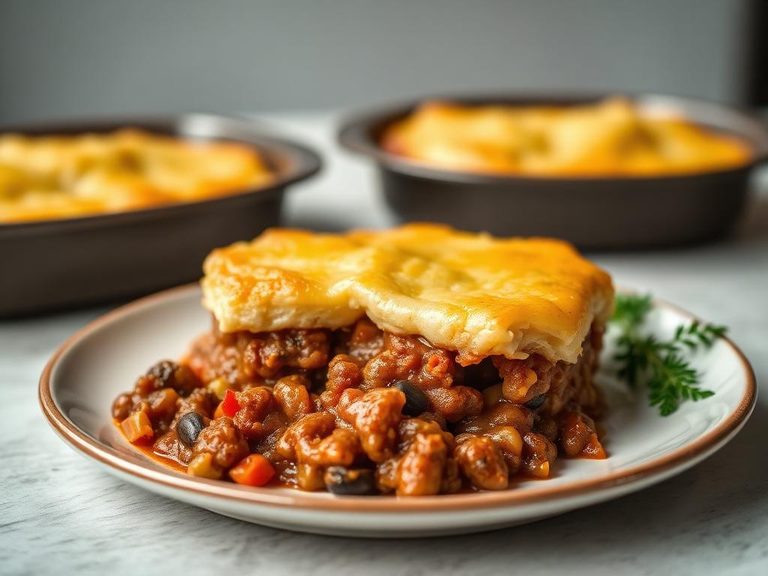
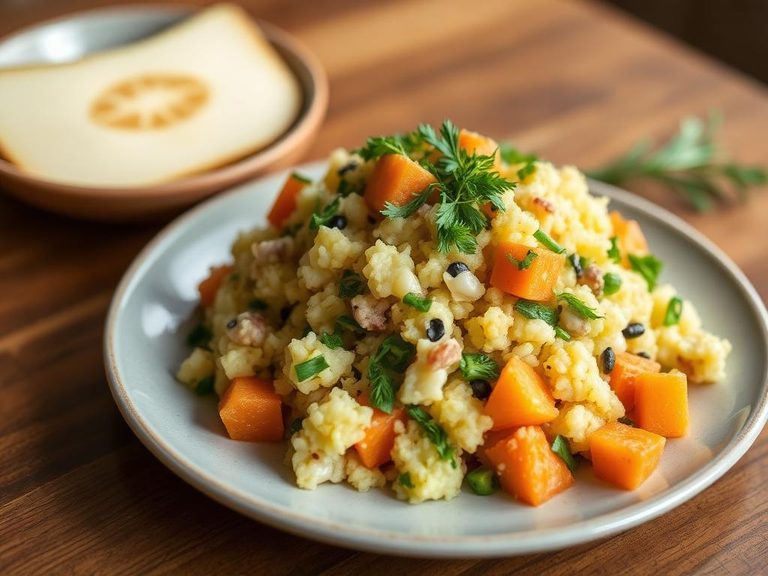
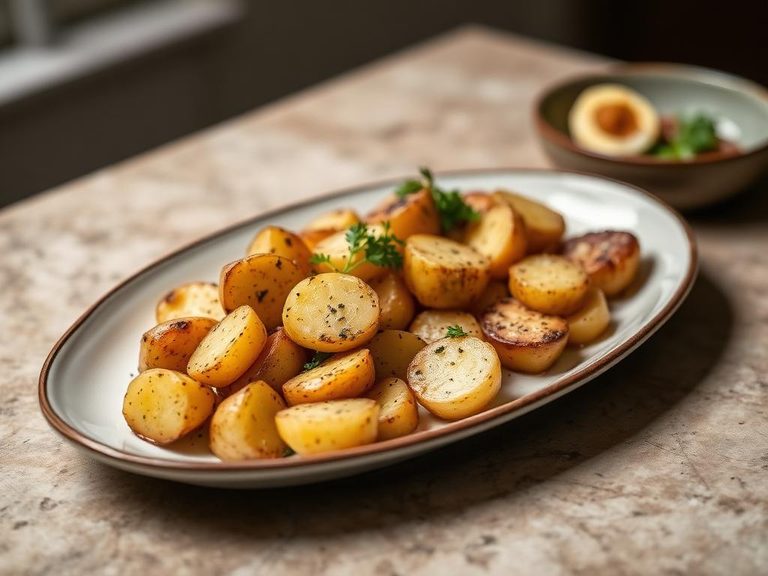
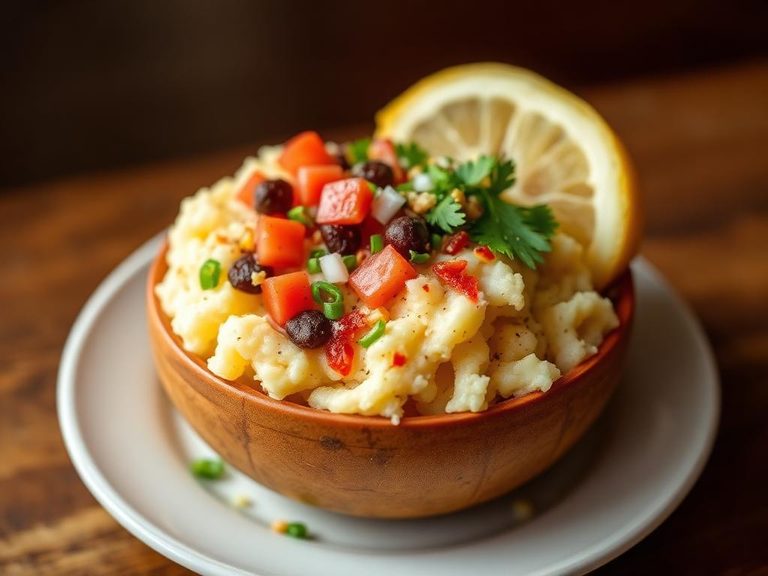
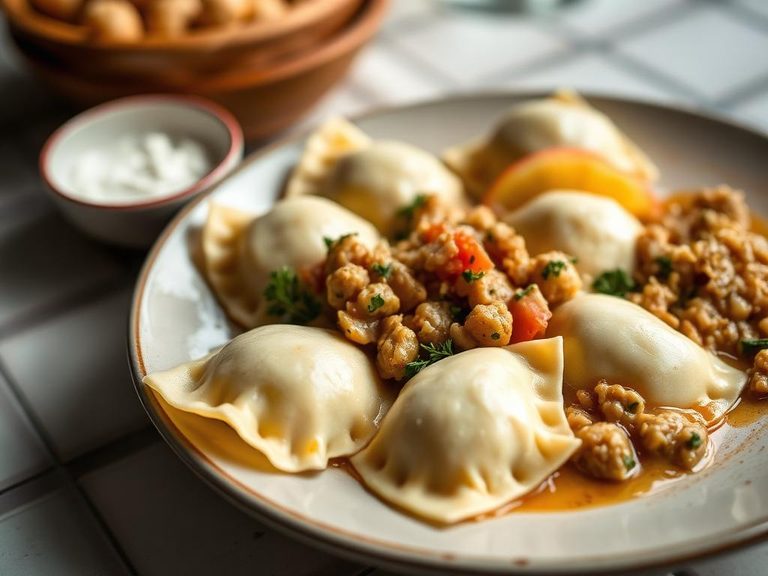
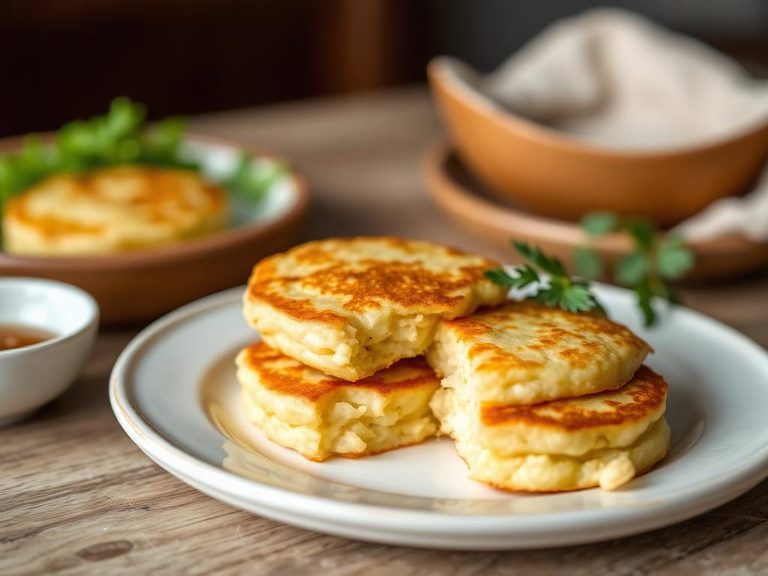
🍽️ Popular dishes
🌍 Where it's eaten
💡 Did you know?
The world record for the largest serving of mashed potatoes was set in 2010 in Iowa, USA, weighing a staggering 3,756 pounds (1,704 kg)—enough to fill a small swimming pool.
Full nutrition (USDA data · scales with serving)
| Water | 78.3 g |
| Energy | 106 kcal |
| Protein | 2.0 g |
| Total lipid (fat) | 5.0 g |
| Carbohydrate, by difference | 13.3 g |
| Fiber, total dietary | 1.9 g |
| Total Sugars | 1.8 g |
| Calcium, Ca | 34.0 mg |
| Iron, Fe | 0.27 mg |
| Magnesium, Mg | 14.0 mg |
| Phosphorus, P | 61.0 mg |
| Potassium, K | 274 mg |
| Sodium, Na | 298 mg |
| Zinc, Zn | 0.30 mg |
| Copper, Cu | 0.01 mg |
| Selenium, Se | 0.80 ug |
| Vitamin C, total ascorbic acid | 0.10 mg |
| Thiamin | 0.09 mg |
| Riboflavin | 0.09 mg |
| Niacin | 1.0 mg |
| Vitamin B-6 | 0.11 mg |
| Folate, total | 6.0 ug |
| Folic acid | 0.00 ug |
| Folate, food | 6.0 ug |
| Folate, DFE | 6.0 ug |
| Choline, total | 15.7 mg |
| Vitamin B-12 | 0.22 ug |
| Vitamin B-12, added | 0.00 ug |
| Vitamin A, RAE | 53.0 ug |
| Retinol | 52.0 ug |
| Carotene, beta | 19.0 ug |
| Carotene, alpha | 0.00 ug |
| Cryptoxanthin, beta | 0.00 ug |
| Lycopene | 0.00 ug |
| Lutein + zeaxanthin | 0.00 ug |
| Vitamin E (alpha-tocopherol) | 0.29 mg |
| Vitamin E, added | 0.00 mg |
| Vitamin D (D2 + D3) | 0.10 ug |
| Vitamin K (phylloquinone) | 2.4 ug |
| Alcohol, ethyl | 0.00 g |
| Caffeine | 0.00 mg |
| Theobromine | 0.00 mg |
Fat & fatty acid profile (per 100g)
| Fatty acids, total saturated | 2.6 g |
| SFA 4:0 | 0.09 g |
| SFA 6:0 | 0.07 g |
| SFA 8:0 | 0.04 g |
| SFA 10:0 | 0.11 g |
| SFA 12:0 | 0.12 g |
| SFA 14:0 | 0.40 g |
| SFA 16:0 | 1.3 g |
| SFA 18:0 | 0.46 g |
| Fatty acids, total monounsaturated | 1.2 g |
| MUFA 16:1 | 0.08 g |
| MUFA 18:1 | 1.1 g |
| MUFA 20:1 | 0.01 g |
| MUFA 22:1 | 0.00 g |
| Fatty acids, total polyunsaturated | 0.68 g |
| PUFA 18:2 | 0.57 g |
| PUFA 18:3 | 0.09 g |
| PUFA 18:4 | 0.00 g |
| PUFA 20:4 | 0.01 g |
| PUFA 20:5 n-3 (EPA) | 0.00 g |
| PUFA 22:5 n-3 (DPA) | 0.00 g |
| PUFA 22:6 n-3 (DHA) | 0.00 g |
| Cholesterol | 13.0 mg |
Amino acid profile (per 100g)
Estimated from Snacks, potato chips, made from dried potatoes, reduced fat — USDA does not publish this profile for Potato.
| Tryptophan | 0.04 g |
| Threonine | 0.24 g |
| Isoleucine | 0.25 g |
| Leucine | 0.37 g |
| Lysine | 0.35 g |
| Methionine | 0.07 g |
| Cystine | 0.07 g |
| Phenylalanine | 0.26 g |
| Tyrosine | 0.22 g |
| Valine | 0.33 g |
| Arginine | 0.27 g |
| Histidine | 0.13 g |
| Alanine | 0.20 g |
| Aspartic acid | 1.1 g |
| Glutamic acid | 0.94 g |
| Glycine | 0.19 g |
| Proline | 0.20 g |
| Serine | 0.23 g |
FAQ
How does the nutrition compare to homemade mashed potatoes?
Ready-to-heat versions often have similar calories but may contain more sodium and preservatives for shelf stability. Homemade allows full control over butter, cream, and salt content.
Is it a good source of potassium?
Yes, potatoes are naturally high in potassium. A 100g serving of mashed potatoes can provide around 300-400mg, which is about 8-10% of the daily recommended value.
Can I freeze leftovers?
Yes, mashed potatoes freeze exceptionally well. Portion them into airtight containers or freezer bags, leaving some headspace, and they'll keep for up to 10 months. Thaw in the refrigerator before reheating.
Nutrient density (calculated · NRF9.3)
Nutrient Rich Foods index: beneficial nutrients (protein, fiber, vitamins, minerals) minus saturated fat, added sugar & sodium, per 100 kcal.
NRF9.3 index — Fulgoni, Keast & Drewnowski, 2009. Computed from USDA nutrients.
Weight-loss friendliness (composite index)
Energy density 1.06 kcal/g · 7% calories from protein · 1.9 g fiber · 1.8 g sugar per 100 g.
Composite of energy density (Rolls et al., 1999), protein & fiber satiety, minus sugar. A calculated heuristic — ranks satiety-per-calorie, not a clinical measure.
Dietary load (calculated from USDA values)
Potential renal acid load. Positive = acid-forming, negative = alkaline-forming.
Sodium-to-potassium ratio: 1.09 (lower is better — aim for ≤ 1)
Sodium:potassium per WHO potassium guidance. Computed from USDA nutrients.