

Pineapple, frozen
Common food

Photo: Wikipedia
Frozen pineapple is flash-frozen at peak ripeness, locking in its bright, tangy-sweet flavor and juicy, slightly fibrous texture. Nutritionally, it's a low-fat, high-carb fruit, providing a quick source of energy and a notable dose of natural sugars. The freezing process preserves its vibrant color and most of its nutritional value, making it a convenient year-round treat.
Calorie split: 3% protein · 94% carbs · 3% fat
↓ Full nutrition💚 Why it's loved
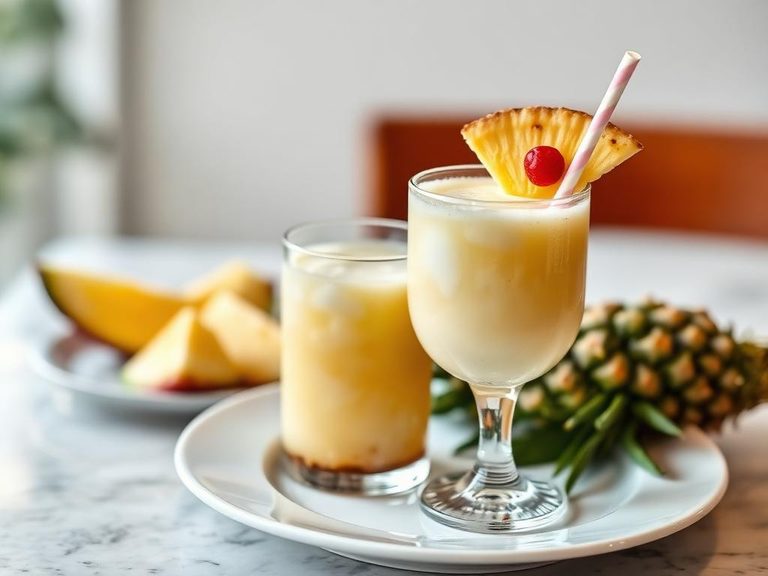
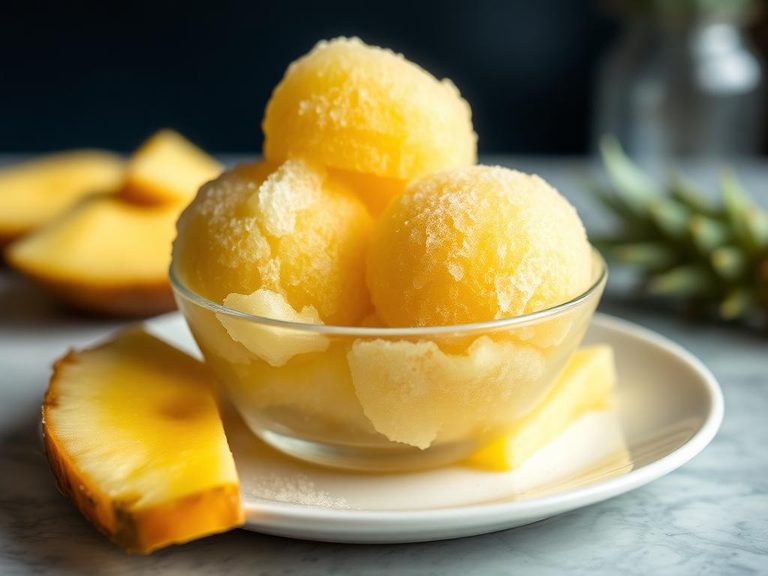
People love frozen pineapple for its intensely sweet and tropical flavor that tastes like summer in any season. It's incredibly versatile, perfect for blending into smoothies, sorbets, and cocktails, or simply enjoying as a refreshing, healthy snack.
⚠️ Watch-outs & how to enjoy it better
The high natural sugar content can cause blood sugar spikes, especially when consumed in large amounts. The enzyme bromelain can cause mouth irritation or digestive discomfort in some individuals. To counteract this, pair it with a source of protein or healthy fat (like Greek yogurt or nuts) to slow sugar absorption, and practice portion control.
Key benefits
- Excellent source of Vitamin C for immune support.
- Contains bromelain, an enzyme that aids digestion.
- Provides dietary fiber for gut health.
- Quick, natural source of energy from carbohydrates.
- Convenient, reduces food waste, and available year-round.
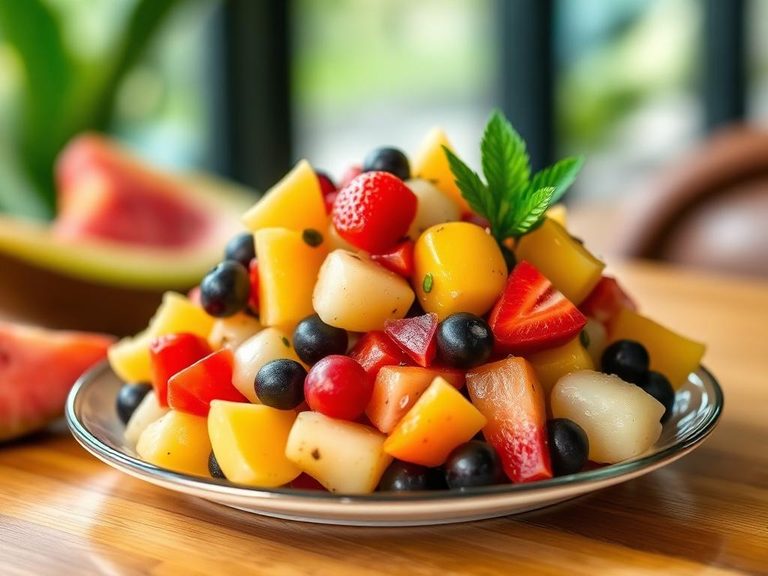
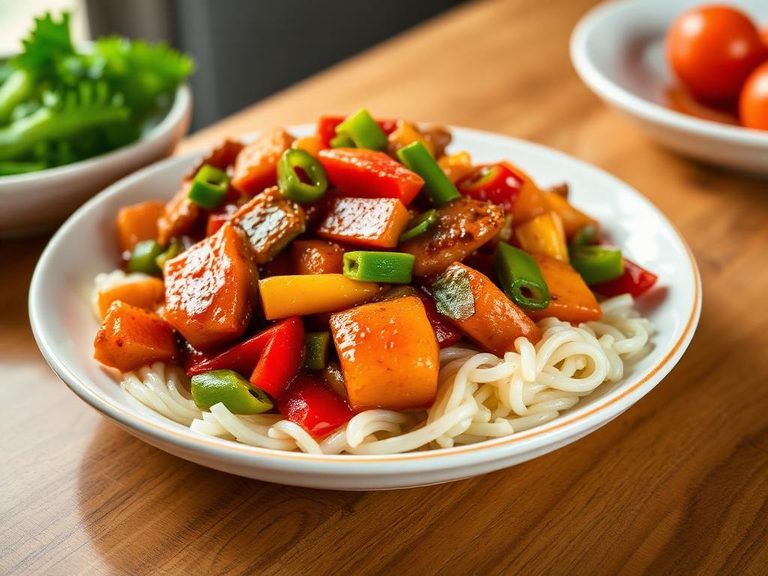
🍽️ Popular dishes
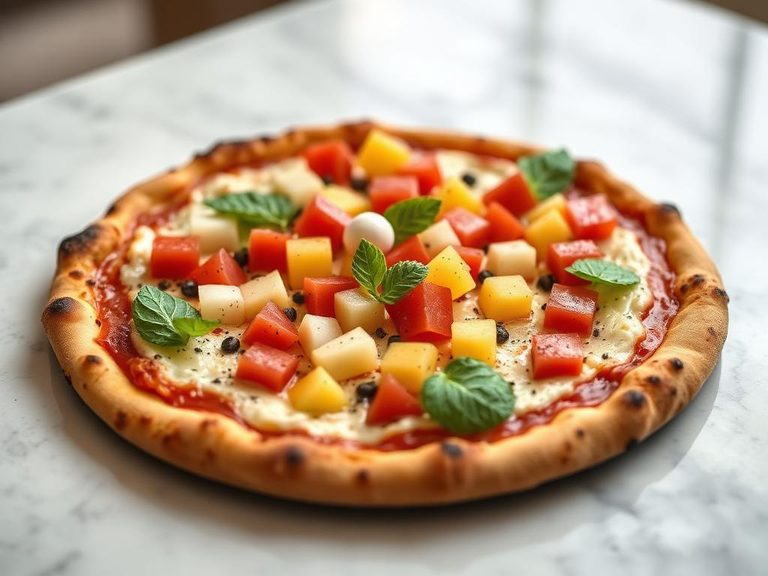
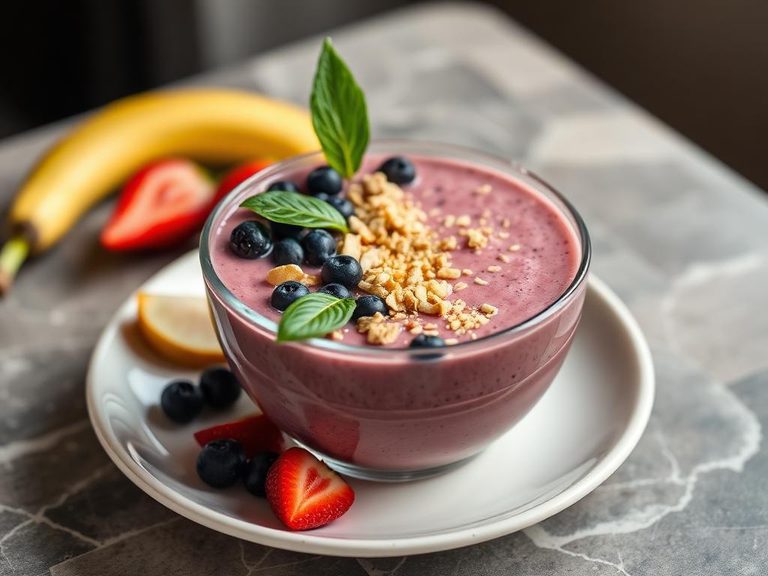
🌍 Where it's eaten
💡 Did you know?
Pineapple is not a single fruit but a coalescence of 100-200 individual flowers and their fruitlets fused around a central core.
Full nutrition (USDA data · scales with serving)
| Water | 85.0 g |
| Energy | 60.0 kcal |
| Protein | 0.46 g |
| Total lipid (fat) | 0.21 g |
| Carbohydrate, by difference | 14.1 g |
| Fiber, total dietary | 0.90 g |
| Total Sugars | 11.4 g |
| Calcium, Ca | 12.0 mg |
| Iron, Fe | 0.05 mg |
| Magnesium, Mg | 13.0 mg |
| Phosphorus, P | 5.0 mg |
| Potassium, K | 137 mg |
| Sodium, Na | 0.00 mg |
| Zinc, Zn | 0.11 mg |
| Copper, Cu | 0.10 mg |
| Selenium, Se | 0.10 ug |
| Vitamin C, total ascorbic acid | 58.6 mg |
| Thiamin | 0.06 mg |
| Riboflavin | 0.03 mg |
| Niacin | 0.23 mg |
| Vitamin B-6 | 0.11 mg |
| Folate, total | 18.0 ug |
| Folic acid | 0.00 ug |
| Folate, food | 18.0 ug |
| Folate, DFE | 18.0 ug |
| Choline, total | 5.5 mg |
| Vitamin B-12 | 0.00 ug |
| Vitamin B-12, added | 0.00 ug |
| Vitamin A, RAE | 3.0 ug |
| Retinol | 0.00 ug |
| Carotene, beta | 35.0 ug |
| Carotene, alpha | 0.00 ug |
| Cryptoxanthin, beta | 0.00 ug |
| Lycopene | 0.00 ug |
| Lutein + zeaxanthin | 0.00 ug |
| Vitamin E (alpha-tocopherol) | 0.02 mg |
| Vitamin E, added | 0.00 mg |
| Vitamin D (D2 + D3) | 0.00 ug |
| Vitamin K (phylloquinone) | 0.70 ug |
| Alcohol, ethyl | 0.00 g |
| Caffeine | 0.00 mg |
| Theobromine | 0.00 mg |
Fat & fatty acid profile (per 100g)
| Fatty acids, total saturated | 0.01 g |
| SFA 4:0 | 0.00 g |
| SFA 6:0 | 0.00 g |
| SFA 8:0 | 0.00 g |
| SFA 10:0 | 0.00 g |
| SFA 12:0 | 0.00 g |
| SFA 14:0 | 0.00 g |
| SFA 16:0 | 0.01 g |
| SFA 18:0 | 0.00 g |
| Fatty acids, total monounsaturated | 0.01 g |
| MUFA 16:1 | 0.00 g |
| MUFA 18:1 | 0.01 g |
| MUFA 20:1 | 0.00 g |
| MUFA 22:1 | 0.00 g |
| Fatty acids, total polyunsaturated | 0.04 g |
| PUFA 18:2 | 0.02 g |
| PUFA 18:3 | 0.02 g |
| PUFA 18:4 | 0.00 g |
| PUFA 20:4 | 0.00 g |
| PUFA 20:5 n-3 (EPA) | 0.00 g |
| PUFA 22:5 n-3 (DPA) | 0.00 g |
| PUFA 22:6 n-3 (DHA) | 0.00 g |
| Cholesterol | 0.00 mg |
Amino acid profile (per 100g)
Estimated from Cake, pineapple upside-down, prepared from recipe — USDA does not publish this profile for Pineapple.
| Tryptophan | 0.04 g |
| Threonine | 0.12 g |
| Isoleucine | 0.15 g |
| Leucine | 0.26 g |
| Lysine | 0.14 g |
| Methionine | 0.07 g |
| Cystine | 0.07 g |
| Phenylalanine | 0.17 g |
| Tyrosine | 0.12 g |
| Valine | 0.17 g |
| Arginine | 0.15 g |
| Histidine | 0.08 g |
| Alanine | 0.13 g |
| Aspartic acid | 0.22 g |
| Glutamic acid | 0.95 g |
| Glycine | 0.11 g |
| Proline | 0.34 g |
| Serine | 0.19 g |
FAQ
Is frozen pineapple as healthy as fresh?
Yes, it's often just as nutritious. Flash-freezing at peak ripeness locks in vitamins and minerals. Fresh pineapple can lose some nutrients during transport and storage.
Why does my mouth feel tingly after eating frozen pineapple?
That's from bromelain, a natural enzyme in pineapple that breaks down proteins. It's harmless and can even aid digestion, but it can irritate the sensitive skin inside your mouth.
How do I prevent frozen pineapple from becoming icy and hard?
Spread the pieces in a single layer on a baking sheet to freeze individually before transferring them to a bag. This prevents clumping. Let it sit at room temperature for 5-10 minutes before eating for a softer texture.
Nutrient density (calculated · NRF9.3)
Nutrient Rich Foods index: beneficial nutrients (protein, fiber, vitamins, minerals) minus saturated fat, added sugar & sodium, per 100 kcal.
NRF9.3 index — Fulgoni, Keast & Drewnowski, 2009. Computed from USDA nutrients.
Weight-loss friendliness (composite index)
Energy density 0.60 kcal/g · 3% calories from protein · 0.9 g fiber · 11.4 g sugar per 100 g.
Composite of energy density (Rolls et al., 1999), protein & fiber satiety, minus sugar. A calculated heuristic — ranks satiety-per-calorie, not a clinical measure.
Dietary load (calculated from USDA values)
Potential renal acid load. Positive = acid-forming, negative = alkaline-forming.
Sodium-to-potassium ratio: 0.00 (lower is better — aim for ≤ 1)
Sodium:potassium per WHO potassium guidance. Computed from USDA nutrients.