Hawaiian Pizza Topping
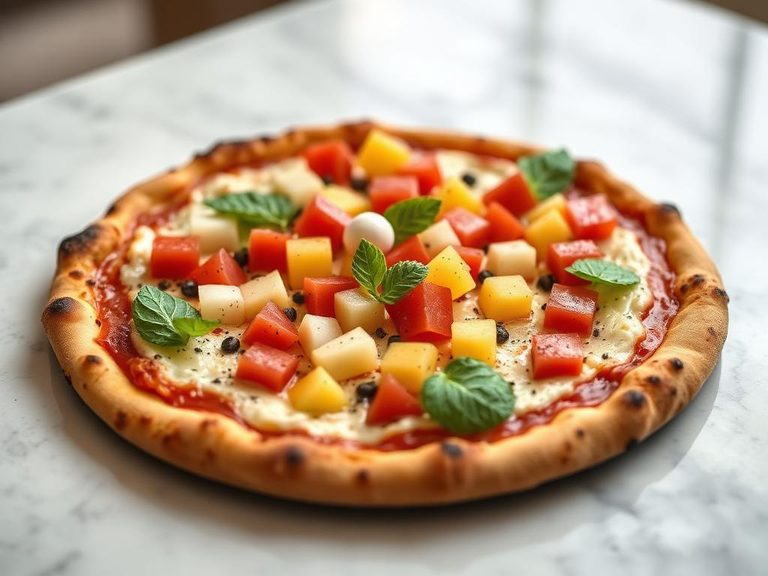
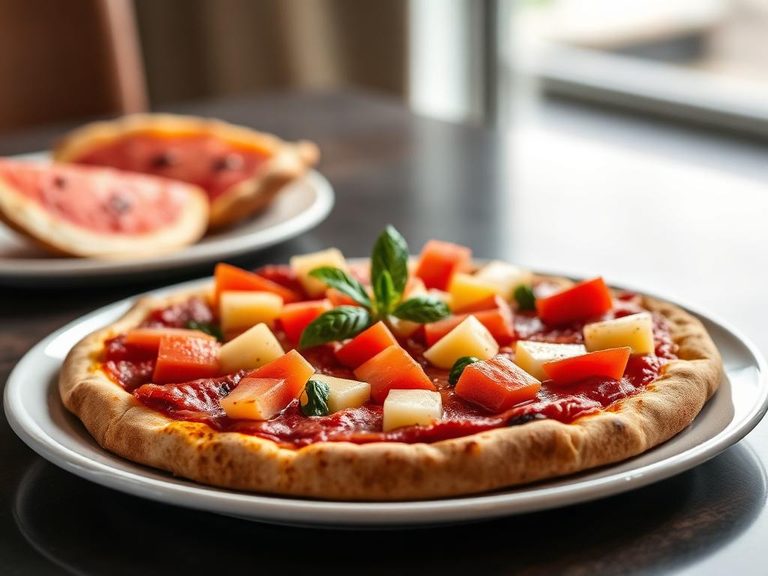
Hawaiian pizza is a popular pizza topping combination that typically features ham or Canadian bacon and pineapple chunks on a tomato sauce and cheese base. It is widely believed to have been invented in Canada in the 1960s by a Greek immigrant, Sam Panopoulos, who was inspired by Chinese sweet and sour flavors.
🍽️ Nutrition at a glance
A typical slice of Hawaiian pizza is relatively high in carbohydrates from the crust and sugar from the pineapple, moderate in protein from the ham and cheese, and contains a significant amount of fat from the cheese and any added oils. It provides key nutrients like calcium and protein from the cheese, and vitamin C from the pineapple, with a rough calorie ballpark of 250-350 calories per slice.
Nutrition breakdown
| Calories | 280 kcal |
| Protein | 12 g |
| Carbs | 32 g |
| Fat | 11 g |
| Fiber | 2 g |
| Sugar | 8 g |
| Sodium | 580 mg |
| Calcium | 150 mg |
| Iron | 2.1 mg |
| Potassium | 220 mg |
| Vitamin C | 4 mg |
| Vitamin A | 120 IU |
| Vitamin B12 | 0.5 mcg |
| Phosphorus | 160 mg |
| Selenium | 14 mcg |
Per 1/8 of a 14-inch pizza (approx. 110 g) · estimated, varies by recipe
💡 What's interesting
The Hawaiian pizza is a fascinating cultural hybrid, blending Italian pizza with North American and tropical flavors, and its very name sparks passionate debate about what constitutes 'authentic' pizza. Nutritionally, it's unique for combining a savory, salty meat with a sweet, acidic fruit, creating a distinctive flavor profile that some find irresistible and others find controversial.