

Peppers, banana, raw
Common food

Photo: Wikipedia
The banana pepper, also known as the yellow wax pepper, is a mild, tangy chili pepper with a distinctive curved shape resembling a banana. Its crisp, juicy flesh delivers a bright, slightly sweet flavor with a gentle, lingering heat that rarely exceeds 500 Scoville Heat Units. With only 27 calories per 100g and a good dose of fiber, it's a low-energy-density food that adds volume and crunch without heaviness.
Calorie split: 21% protein · 67% carbs · 13% fat
↓ Full nutrition💚 Why it's loved
People love banana peppers for their perfect balance of tangy, sweet, and mildly spicy flavor that elevates sandwiches, pizzas, and salads without overwhelming other ingredients. Their vibrant yellow color and satisfying crunch make them a versatile and visually appealing addition to countless dishes.
⚠️ Watch-outs & how to enjoy it better
The mild capsaicin content can irritate sensitive digestive systems or exacerbate conditions like acid reflux. For those watching blood sugar, the 1.95g of sugar per 100g is minimal, but pickled versions often contain added sugar and high sodium. To counteract this, choose fresh or low-sodium pickled varieties, and pair them with protein or healthy fats (like in a sandwich with turkey or avocado) to further slow any glycemic response.
Key benefits
- Very low in calories, supporting weight management.
- Good source of dietary fiber for digestive health.
- Provides vitamin C, an important antioxidant.
- Capsaicin may offer mild anti-inflammatory benefits.
- Adds flavor and crunch with minimal fat or sodium.
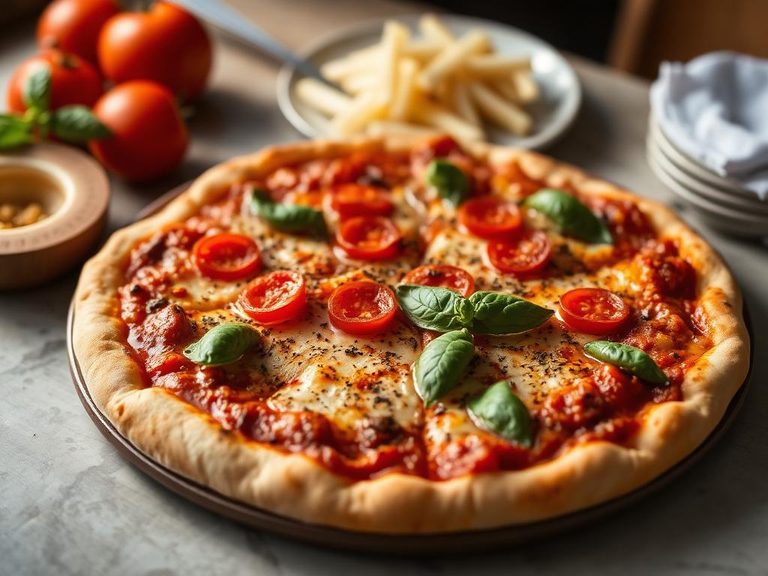
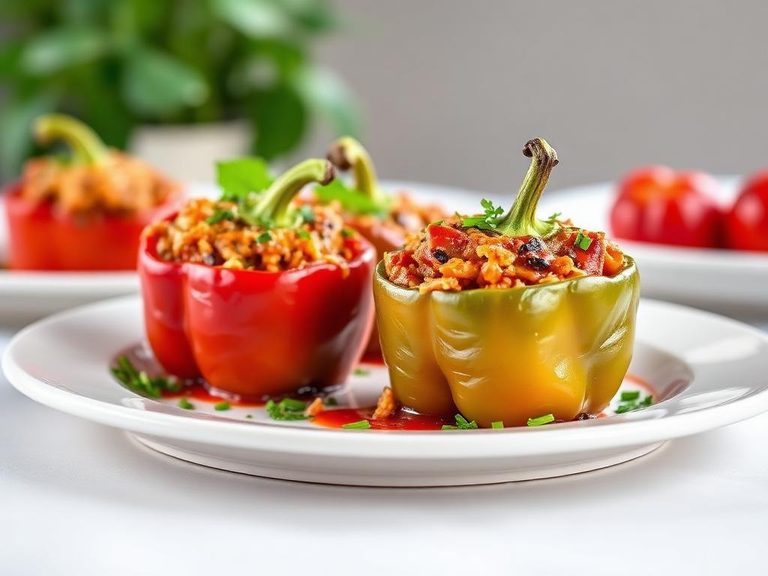
🍽️ Popular dishes
🌍 Where it's eaten
💡 Did you know?
Despite the name, banana peppers are not related to bananas; they earned the name purely from their similar shape and yellow color when fully ripe.
Full nutrition (USDA data · scales with serving)
| Water | 91.8 g |
| Energy | 27.0 kcal |
| Protein | 1.7 g |
| Total lipid (fat) | 0.45 g |
| Carbohydrate, by difference | 5.3 g |
| Fiber, total dietary | 3.4 g |
| Total Sugars | 1.9 g |
| Calcium, Ca | 14.0 mg |
| Iron, Fe | 0.46 mg |
| Magnesium, Mg | 17.0 mg |
| Phosphorus, P | 32.0 mg |
| Potassium, K | 256 mg |
| Sodium, Na | 13.0 mg |
| Zinc, Zn | 0.25 mg |
| Copper, Cu | 0.09 mg |
| Selenium, Se | 0.30 ug |
| Vitamin C, total ascorbic acid | 82.7 mg |
| Thiamin | 0.08 mg |
| Riboflavin | 0.05 mg |
| Niacin | 1.2 mg |
| Vitamin B-6 | 0.36 mg |
| Folate, total | 29.0 ug |
| Folic acid | 0.00 ug |
| Folate, food | 29.0 ug |
| Folate, DFE | 29.0 ug |
| Choline, total | 7.4 mg |
| Vitamin B-12 | 0.00 ug |
| Vitamin B-12, added | 0.00 ug |
| Vitamin A, RAE | 17.0 ug |
| Retinol | 0.00 ug |
| Carotene, beta | 184 ug |
| Carotene, alpha | 39.0 ug |
| Cryptoxanthin, beta | 0.00 ug |
| Lycopene | 0.00 ug |
| Lutein + zeaxanthin | 0.00 ug |
| Vitamin E (alpha-tocopherol) | 0.69 mg |
| Vitamin E, added | 0.00 mg |
| Vitamin D (D2 + D3) | 0.00 ug |
| Vitamin K (phylloquinone) | 9.5 ug |
| Alcohol, ethyl | 0.00 g |
| Caffeine | 0.00 mg |
| Theobromine | 0.00 mg |
Fat & fatty acid profile (per 100g)
| Fatty acids, total saturated | 0.05 g |
| SFA 4:0 | 0.00 g |
| SFA 6:0 | 0.00 g |
| SFA 8:0 | 0.00 g |
| SFA 10:0 | 0.00 g |
| SFA 12:0 | 0.00 g |
| SFA 14:0 | 0.00 g |
| SFA 16:0 | 0.04 g |
| SFA 18:0 | 0.01 g |
| Fatty acids, total monounsaturated | 0.03 g |
| MUFA 16:1 | 0.00 g |
| MUFA 18:1 | 0.03 g |
| MUFA 20:1 | 0.00 g |
| MUFA 22:1 | 0.00 g |
| Fatty acids, total polyunsaturated | 0.24 g |
| PUFA 18:2 | 0.24 g |
| PUFA 18:3 | 0.00 g |
| PUFA 18:4 | 0.00 g |
| PUFA 20:4 | 0.00 g |
| PUFA 20:5 n-3 (EPA) | 0.00 g |
| PUFA 22:5 n-3 (DPA) | 0.00 g |
| PUFA 22:6 n-3 (DHA) | 0.00 g |
| Cholesterol | 0.00 mg |
Amino acid profile (per 100g)
Estimated from Peppers, sweet, green, raw — USDA does not publish this profile for Peppers.
| Tryptophan | 0.01 g |
| Threonine | 0.04 g |
| Isoleucine | 0.02 g |
| Leucine | 0.04 g |
| Lysine | 0.04 g |
| Methionine | 0.01 g |
| Cystine | 0.01 g |
| Phenylalanine | 0.09 g |
| Tyrosine | 0.01 g |
| Valine | 0.04 g |
| Arginine | 0.03 g |
| Histidine | 0.01 g |
| Alanine | 0.04 g |
| Aspartic acid | 0.21 g |
| Glutamic acid | 0.19 g |
| Glycine | 0.03 g |
| Proline | 0.02 g |
| Serine | 0.05 g |
FAQ
Are banana peppers spicy?
They are considered mild, typically ranging from 0 to 500 Scoville Heat Units, which is much milder than a jalapeño. Most people find their heat level pleasant and more tangy than fiery.
What's the difference between banana peppers and pepperoncini?
They are very similar and often used interchangeably. Pepperoncini (common in Greek and Italian cuisine) tend to be slightly more wrinkled and have a marginally hotter, more complex flavor profile, while banana peppers are often smoother and milder.
How should I store fresh banana peppers?
Store unwashed peppers in a plastic bag in the refrigerator's crisper drawer. They will typically stay fresh for about a week. For longer storage, you can slice and freeze them.
Nutrient density (calculated · NRF9.3)
Nutrient Rich Foods index: beneficial nutrients (protein, fiber, vitamins, minerals) minus saturated fat, added sugar & sodium, per 100 kcal.
NRF9.3 index — Fulgoni, Keast & Drewnowski, 2009. Computed from USDA nutrients.
Weight-loss friendliness (composite index)
Energy density 0.27 kcal/g · 25% calories from protein · 3.4 g fiber · 1.9 g sugar per 100 g.
Composite of energy density (Rolls et al., 1999), protein & fiber satiety, minus sugar. A calculated heuristic — ranks satiety-per-calorie, not a clinical measure.
Dietary load (calculated from USDA values)
Potential renal acid load. Positive = acid-forming, negative = alkaline-forming.
Sodium-to-potassium ratio: 0.05 (lower is better — aim for ≤ 1)
Sodium:potassium per WHO potassium guidance. Computed from USDA nutrients.