

Peppers, banana or Hungarian wax, seeded, raw
Whole food · Vegetables and Vegetable Products
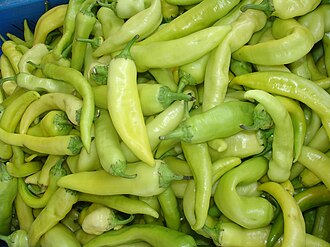
Photo: Wikipedia
Banana and Hungarian wax peppers are vibrant, waxy-skinned peppers prized for their mild to moderate heat and tangy, slightly sweet flavor. With a crisp, juicy texture and a bright yellow hue, they are a staple in pickling and fresh preparations. Nutritionally, they are exceptionally low in calories (24 kcal/100g) while offering a good dose of fiber (1.79g/100g) and virtually no fat or sugar.
Calorie split: 12% protein · 83% carbs · 5% fat
↓ Full nutrition💚 Why it's loved
People love these peppers for their perfect balance of tangy heat and sweet crunch, making them ideal for snacking, pickling, or adding a zesty kick to dishes. Their cultural significance in Hungarian and Central European cuisine, especially in pickled forms, makes them a beloved pantry staple.
⚠️ Watch-outs & how to enjoy it better
Some may find their heat level (1,000–15,000 SHU) too intense for sensitive palates, and the capsaicin can cause digestive discomfort in some individuals. To mitigate this, pair them with dairy like yogurt or cheese to neutralize the heat, or consume in moderation if you have a sensitive stomach. For those watching blood sugar, their low sugar content (0g/100g) makes them a safe choice, but always monitor portion sizes if combining with high-carb dishes.
Key benefits
- Low-calorie, high-fiber food that aids in digestion and satiety.
- Rich in vitamin C, supporting immune function and skin health.
- Contains capsaicin, which may boost metabolism and reduce inflammation.
- Provides antioxidants like carotenoids, which support eye health.
- Versatile ingredient for adding flavor without added salt or fat.
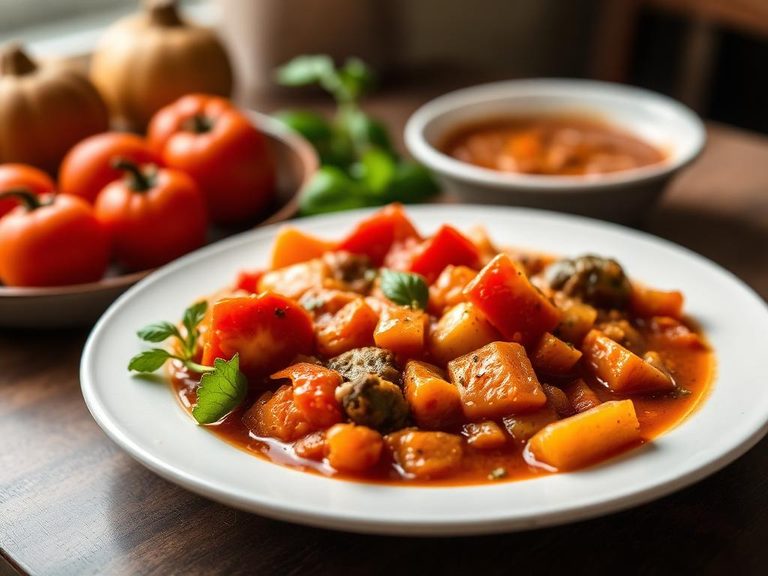
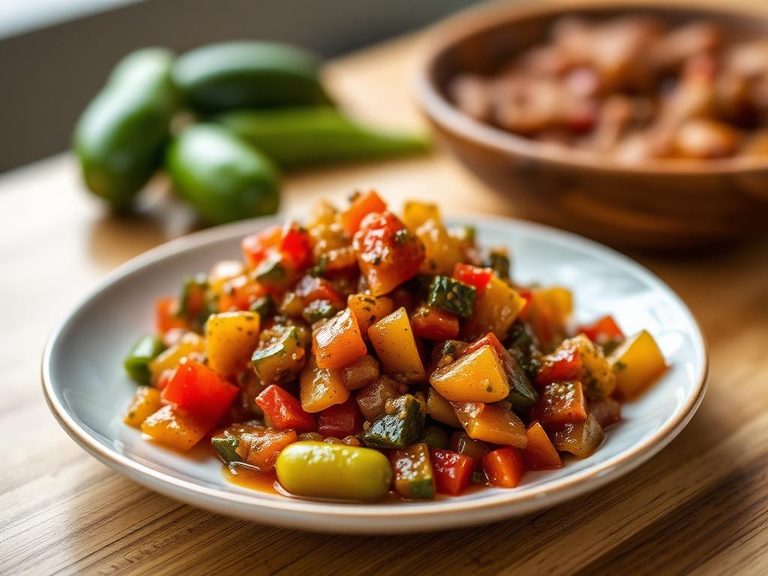
🍽️ Popular dishes
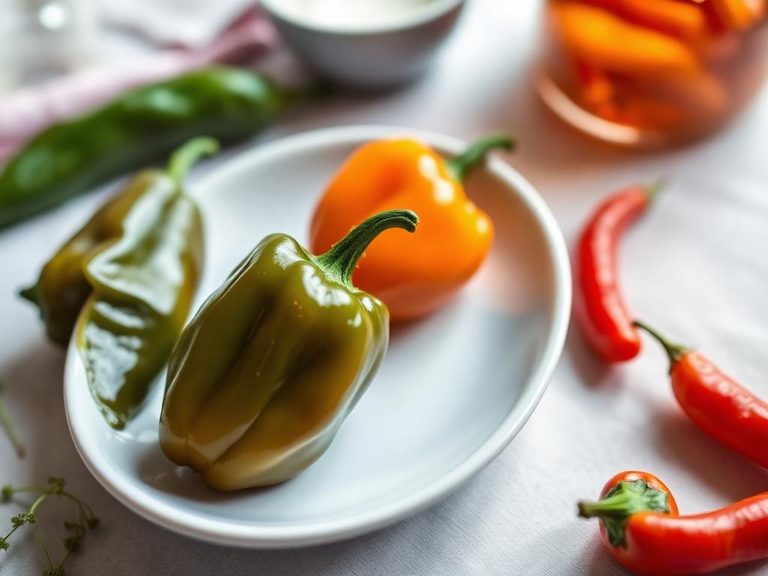

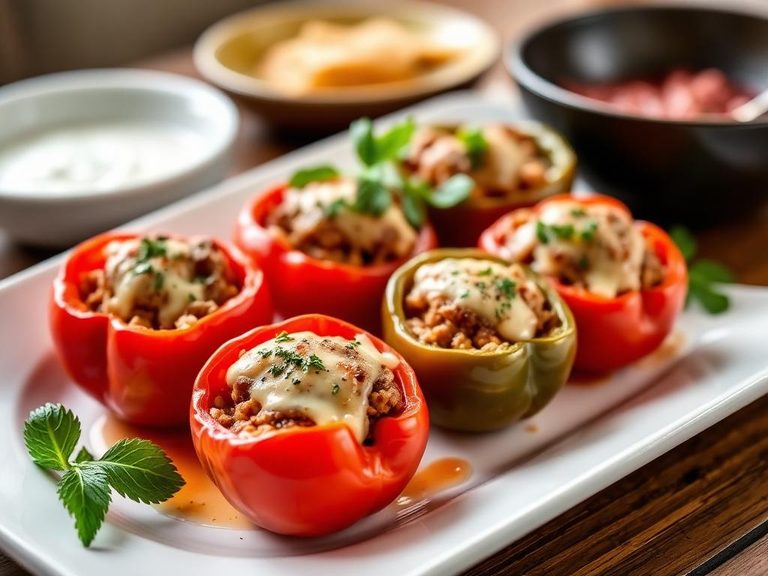
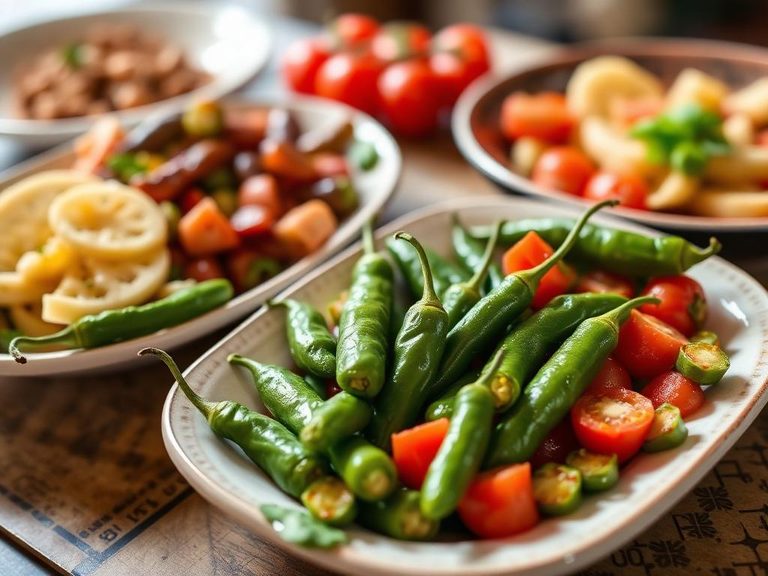
🌍 Where it's eaten
💡 Did you know?
The banana pepper gets its name not from its taste, but from its bright yellow color and curved shape, which closely resembles a banana.
Full nutrition (USDA data · scales with serving)
| Water | 93.8 g |
| Energy (Atwater General Factors) | 23.9 kcal |
| Nitrogen | 0.12 g |
| Protein | 0.72 g |
| Total lipid (fat) | 0.13 g |
| Ash | 0.38 g |
| Carbohydrate, by difference | 5.0 g |
| Fiber, total dietary | 1.8 g |
| Sugars, Total | 2.7 g |
| Sucrose | 0.00 g |
| Glucose | 1.5 g |
| Fructose | 1.2 g |
| Lactose | 0.00 g |
| Maltose | 0.00 g |
| Calcium, Ca | 9.8 mg |
| Iron, Fe | 0.16 mg |
| Magnesium, Mg | 10.2 mg |
| Phosphorus, P | 21.8 mg |
| Potassium, K | 177 mg |
| Sodium, Na | 0.00 mg |
| Zinc, Zn | 0.13 mg |
| Copper, Cu | 0.06 mg |
| Manganese, Mn | 0.11 mg |
| Vitamin C, total ascorbic acid | 112 mg |
| Vitamin B-6 | 0.29 mg |
| Biotin | 1.2 ug |
| Folate, total | 31.8 ug |
Fat & fatty acid profile (per 100g)
Estimated from Peppers, hot chili, green, canned, pods, excluding seeds, solids and liquids — USDA does not publish this profile for Peppers.
| Fatty acids, total saturated | 0.01 g |
| SFA 4:0 | 0.00 g |
| SFA 6:0 | 0.00 g |
| SFA 8:0 | 0.00 g |
| SFA 10:0 | 0.00 g |
| SFA 12:0 | 0.00 g |
| SFA 14:0 | 0.00 g |
| SFA 16:0 | 0.01 g |
| SFA 18:0 | 0.00 g |
| Fatty acids, total monounsaturated | 0.01 g |
| MUFA 16:1 | 0.00 g |
| MUFA 18:1 | 0.01 g |
| MUFA 20:1 | 0.00 g |
| MUFA 22:1 | 0.00 g |
| Fatty acids, total polyunsaturated | 0.06 g |
| PUFA 18:2 | 0.05 g |
| PUFA 18:3 | 0.00 g |
| PUFA 18:4 | 0.00 g |
| PUFA 20:4 | 0.00 g |
| PUFA 20:5 n-3 (EPA) | 0.00 g |
| PUFA 22:5 n-3 (DPA) | 0.00 g |
| PUFA 22:6 n-3 (DHA) | 0.00 g |
| Fatty acids, total trans | 0.00 g |
| Cholesterol | 0.00 mg |
Amino acid profile (per 100g)
Estimated from Peppers, hot chili, green, canned, pods, excluding seeds, solids and liquids — USDA does not publish this profile for Peppers.
| Tryptophan | 0.01 g |
| Threonine | 0.03 g |
| Isoleucine | 0.03 g |
| Leucine | 0.05 g |
| Lysine | 0.04 g |
| Methionine | 0.01 g |
| Cystine | 0.02 g |
| Phenylalanine | 0.03 g |
| Tyrosine | 0.02 g |
| Valine | 0.04 g |
| Arginine | 0.04 g |
| Histidine | 0.02 g |
| Alanine | 0.04 g |
| Aspartic acid | 0.13 g |
| Glutamic acid | 0.12 g |
| Glycine | 0.03 g |
| Proline | 0.04 g |
| Serine | 0.04 g |
FAQ
Are banana peppers and Hungarian wax peppers the same?
They are closely related and often used interchangeably, but Hungarian wax peppers are typically hotter (up to 15,000 SHU) than banana peppers (0–500 SHU). Both are part of the Capsicum annuum species.
Can I eat banana peppers raw?
Yes, they are commonly eaten raw in salads, sandwiches, or as a snack. Their crisp texture and mild heat make them a popular fresh ingredient.
How do I reduce the heat of these peppers?
To reduce heat, remove the seeds and white pith, which contain most of the capsaicin. You can also soak them in vinegar or water for a few hours, or cook them to mellow the spiciness.
Nutrient density (calculated · NRF9.3)
Nutrient Rich Foods index: beneficial nutrients (protein, fiber, vitamins, minerals) minus saturated fat, added sugar & sodium, per 100 kcal.
NRF9.3 index — Fulgoni, Keast & Drewnowski, 2009. Computed from USDA nutrients.
Weight-loss friendliness (composite index)
Energy density 0.24 kcal/g · 12% calories from protein · 1.8 g fiber · 0.0 g sugar per 100 g.
Composite of energy density (Rolls et al., 1999), protein & fiber satiety, minus sugar. A calculated heuristic — ranks satiety-per-calorie, not a clinical measure.
Dietary load (calculated from USDA values)
Potential renal acid load. Positive = acid-forming, negative = alkaline-forming.
Sodium-to-potassium ratio: 0.00 (lower is better — aim for ≤ 1)
Sodium:potassium per WHO potassium guidance. Computed from USDA nutrients.