

Pepperoncini in Italian antipasto platters
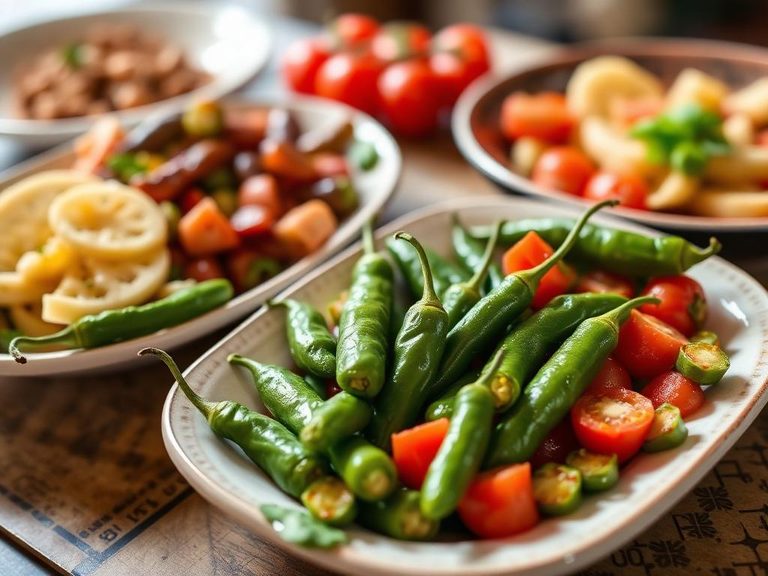
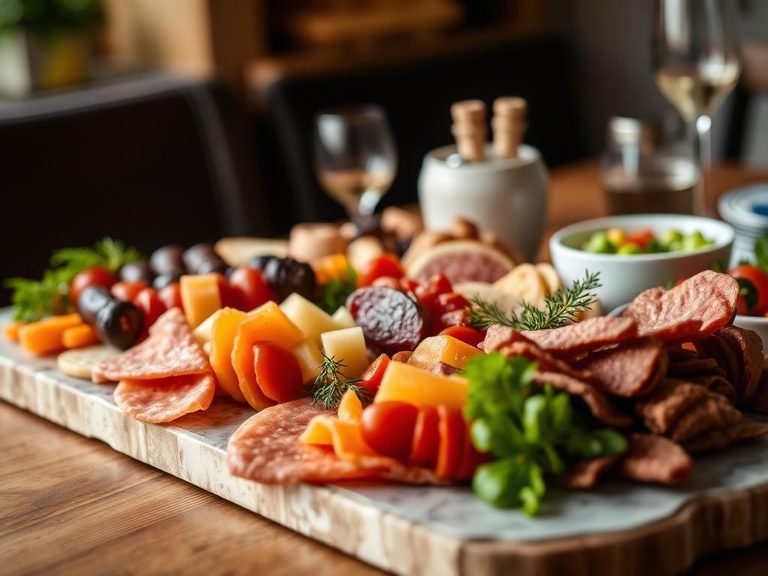
Pepperoncini are mild, tangy Italian chili peppers, often pickled in brine or vinegar, and are a staple on antipasto platters. They are typically served whole or sliced, alongside cured meats, cheeses, olives, and marinated vegetables. Originating from Southern Italy, particularly Calabria and Campania, they add a bright, slightly spicy kick to the appetizer spread.
🍳 View the full Pepperoncini in Italian antipasto platters recipe →
🍽️ Nutrition at a glance
Pepperoncini are low in calories, with about 10-15 calories per pepper, and are virtually fat-free and low in carbs and protein. They provide a good source of vitamins A and C, along with capsaicin, which may have antioxidant properties.
Nutrition breakdown
| Calories | 5 kcal |
| Protein | 0.2 g |
| Carbs | 1 g |
| Fat | 0.1 g |
| Fiber | 0.5 g |
| Sugar | 0.5 g |
| Sodium | 450 mg |
| Vitamin A | 15 mcg RAE |
| Vitamin C | 15 mg |
| Vitamin K | 5 mcg |
| Vitamin B6 | 0.03 mg |
| Folate | 5 mcg DFE |
| Potassium | 60 mg |
| Manganese | 0.05 mg |
| Iron | 0.3 mg |
Per 3 pepperoncini (30 g) · estimated, varies by recipe
💡 What's interesting
Culturally, pepperoncini are a symbol of Italian hospitality and are often served as a complimentary snack in restaurants. Nutritionally, their mild heat comes from capsaicin, which can stimulate metabolism and add flavor without extra salt or fat.
🍽️ Related dishes
AI estimate may be inaccurate · Terms