Charcuterie and Antipasto Platters
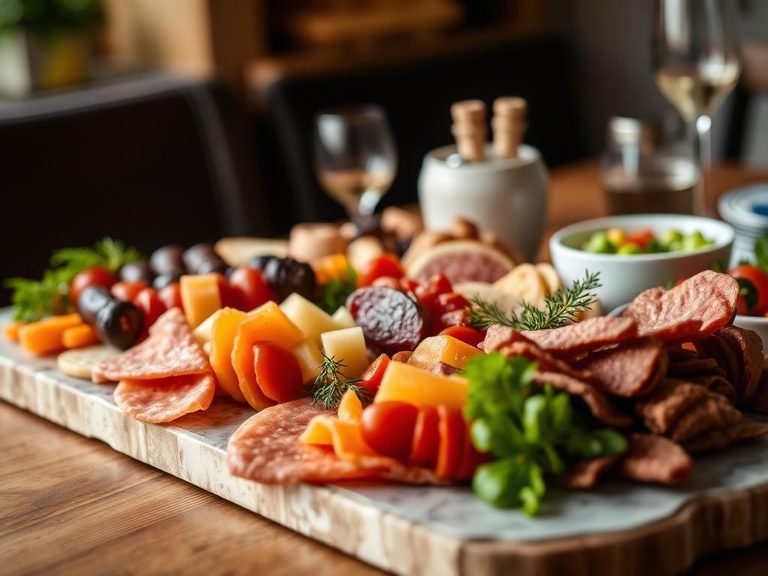
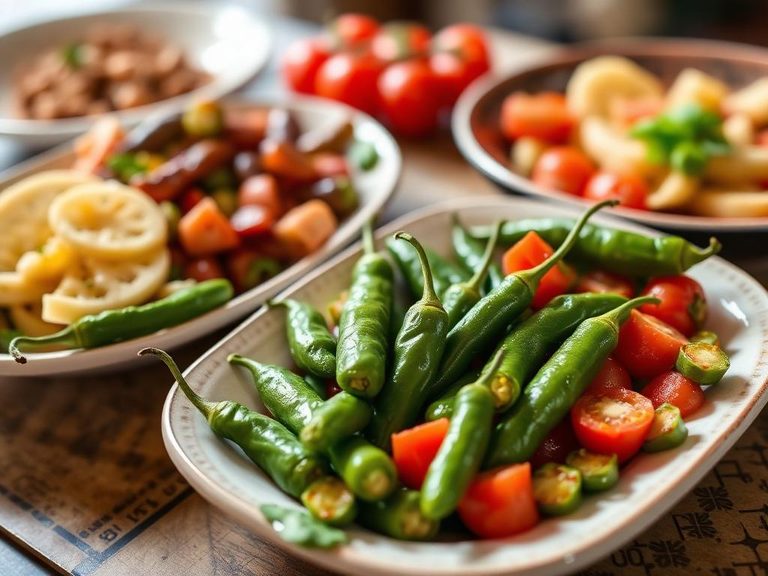
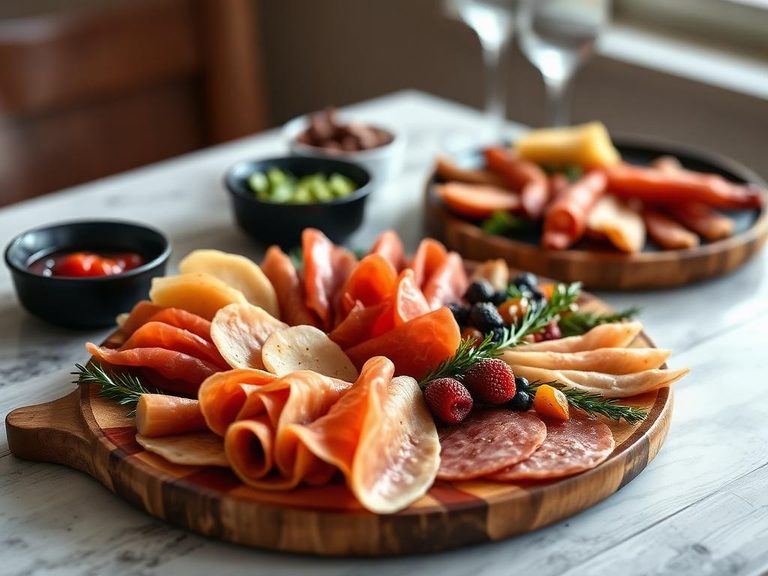
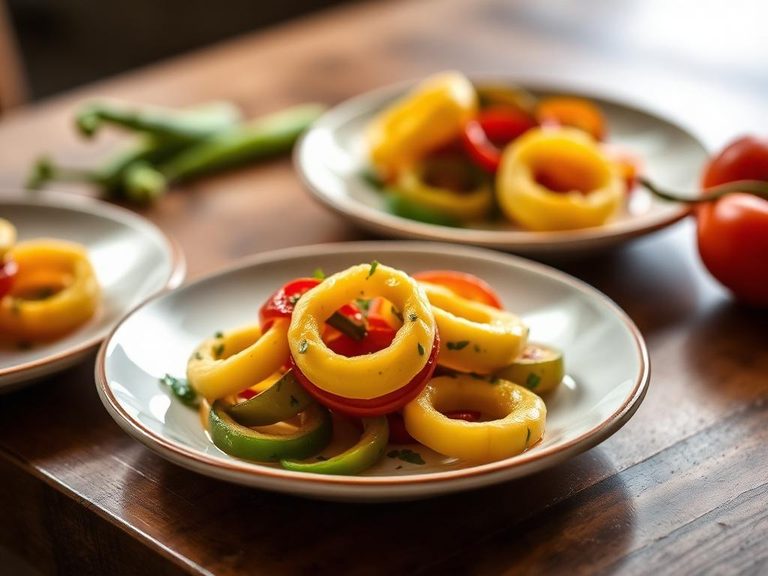
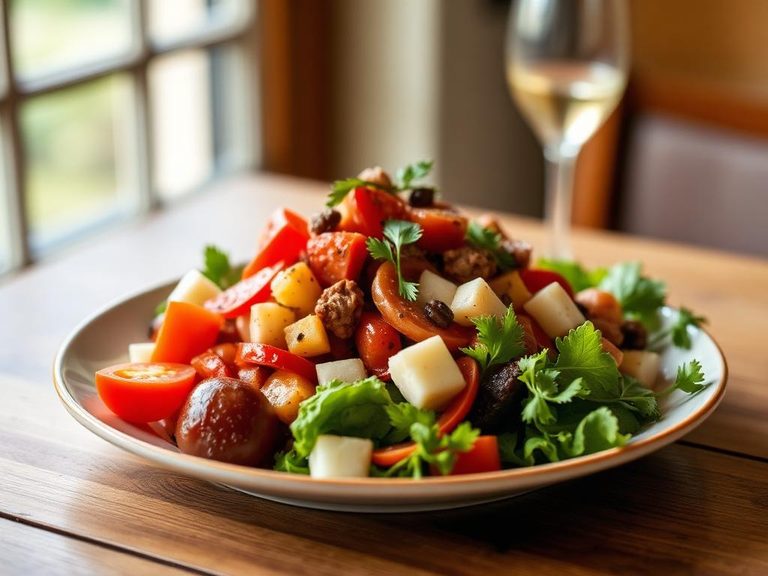
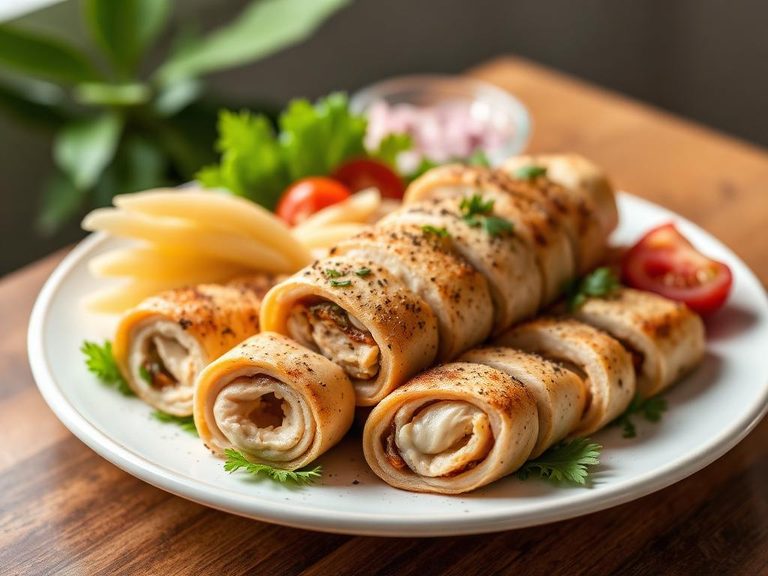
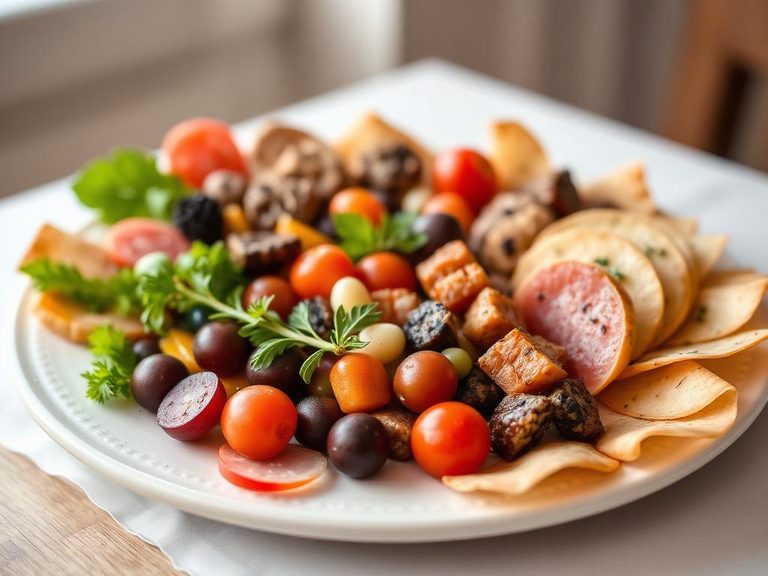
Charcuterie and antipasto platters are vibrant, shareable appetizer boards featuring an assortment of cured meats, cheeses, olives, pickled vegetables, and other savory accompaniments. While charcuterie focuses on French-style cured meats like salami and pâté, antipasto is the Italian tradition of 'before the meal' bites, often including marinated artichokes, roasted peppers, and prosciutto. Both are designed to be visually appealing and encourage communal eating.
🍽️ Nutrition at a glance
These platters are typically high in protein and fat from the meats and cheeses, with minimal carbohydrates unless crackers or bread are included. They provide key nutrients like iron, B vitamins, and calcium, but can be calorie-dense, with a single serving often ranging from 300 to 600 calories depending on portion sizes and ingredients.
Nutrition breakdown
| Calories | 900 kcal |
| Protein | 45 g |
| Carbs | 20 g |
| Fat | 70 g |
| Fiber | 3 g |
| Sugar | 8 g |
| Sodium | 2800 mg |
| Iron | 4.5 mg |
| Zinc | 7.2 mg |
| Vitamin B12 | 3.5 mcg |
| Niacin (B3) | 10 mg |
| Phosphorus | 450 mg |
| Selenium | 35 mcg |
| Vitamin K | 25 mcg |
| Calcium | 180 mg |
Per 1 platter (approx. 300 g) · estimated, varies by recipe
💡 What's interesting
The concept of a shared meat-and-cheese board has deep cultural roots in both French and Italian traditions, symbolizing hospitality and conviviality. Nutritionally, the fermented and cured components can offer probiotics and beneficial fats, but the high sodium content makes it a treat best enjoyed in moderation.