

Olives, black
Common food
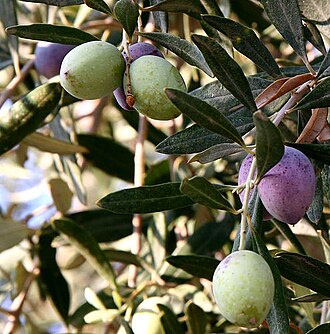
Photo: Wikipedia
The black olive is a cured drupe with a deep, briny, and slightly bitter flavor and a meaty, smooth texture. Nutritionally, it is a significant source of healthy monounsaturated fats, providing 10.9g per 100g, and contains a notable amount of dietary fiber at 1.6g. Its rich, savory profile makes it a staple in many global cuisines.
Calorie split: 3% protein · 19% carbs · 78% fat
↓ Full nutrition💚 Why it's loved
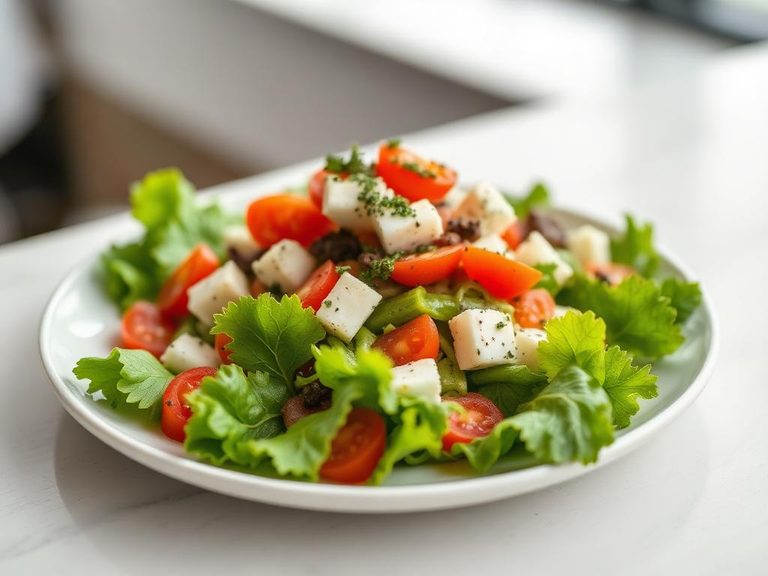
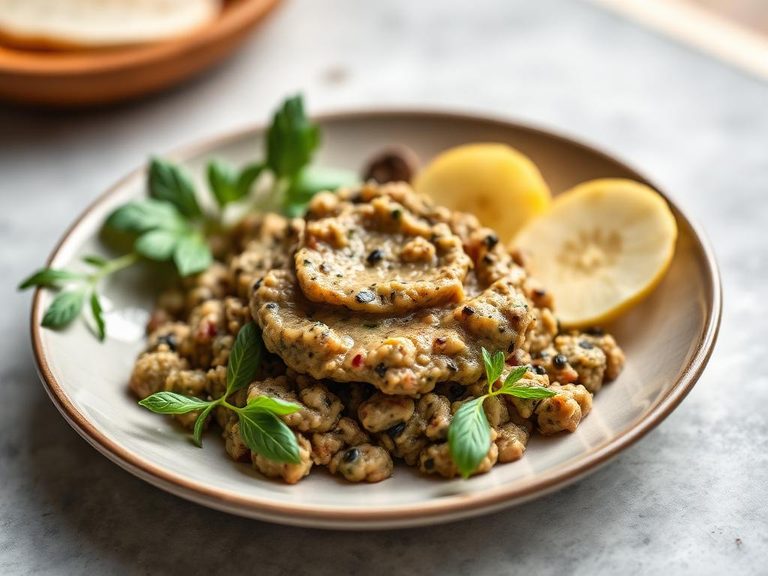
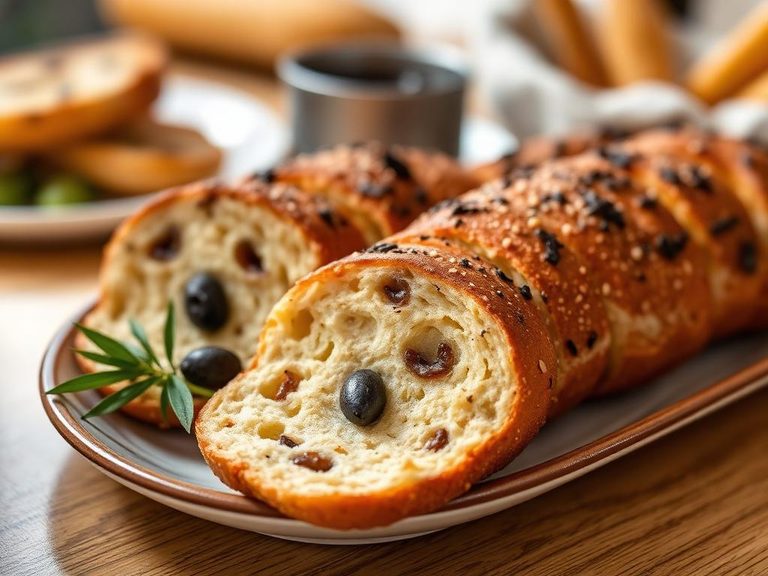
People love black olives for their intense, salty-savory flavor that adds a punch of umami to dishes. Their versatility is cherished, as they can be used in salads, pizzas, pasta, or as a standalone tapenade.
⚠️ Watch-outs & how to enjoy it better
The primary downside is their high sodium content from the brining process, which can be a concern for those monitoring salt intake. To counteract this, choose low-sodium varieties or rinse them before use, and be mindful of portion sizes. Additionally, some people may experience digestive discomfort due to the fat content if consumed in large quantities.
Key benefits
- Rich in heart-healthy monounsaturated fats
- Good source of dietary fiber
- Contains antioxidants like vitamin E and polyphenols
- Provides iron and copper
- Low in carbohydrates and sugar
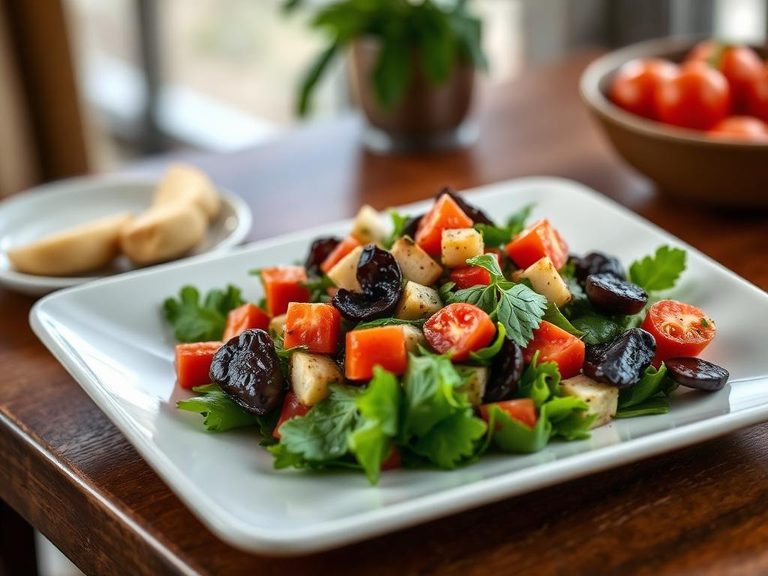
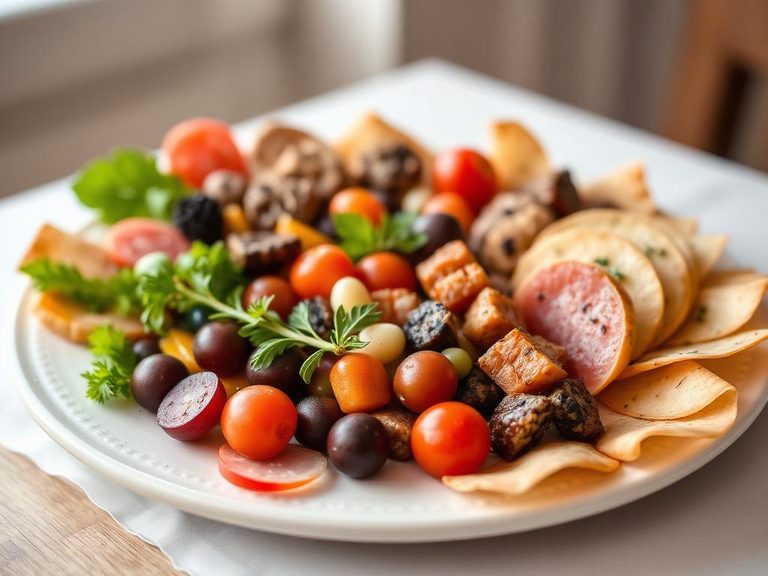
🍽️ Popular dishes

🌍 Where it's eaten
💡 Did you know?
Black olives are not a separate variety from green olives; they are simply olives that have been allowed to fully ripen on the tree before being cured, which gives them their darker color and milder flavor.
Full nutrition (USDA data · scales with serving)
| Water | 80.0 g |
| Energy | 116 kcal |
| Protein | 0.84 g |
| Total lipid (fat) | 10.9 g |
| Carbohydrate, by difference | 6.0 g |
| Fiber, total dietary | 1.6 g |
| Total Sugars | 0.00 g |
| Calcium, Ca | 88.0 mg |
| Iron, Fe | 6.3 mg |
| Magnesium, Mg | 4.0 mg |
| Phosphorus, P | 3.0 mg |
| Potassium, K | 8.0 mg |
| Sodium, Na | 735 mg |
| Zinc, Zn | 0.22 mg |
| Copper, Cu | 0.25 mg |
| Selenium, Se | 0.90 ug |
| Vitamin C, total ascorbic acid | 0.90 mg |
| Thiamin | 0.00 mg |
| Riboflavin | 0.00 mg |
| Niacin | 0.04 mg |
| Vitamin B-6 | 0.01 mg |
| Folate, total | 0.00 ug |
| Folic acid | 0.00 ug |
| Folate, food | 0.00 ug |
| Folate, DFE | 0.00 ug |
| Choline, total | 10.3 mg |
| Vitamin B-12 | 0.00 ug |
| Vitamin B-12, added | 0.00 ug |
| Vitamin A, RAE | 17.0 ug |
| Retinol | 0.00 ug |
| Carotene, beta | 198 ug |
| Carotene, alpha | 0.00 ug |
| Cryptoxanthin, beta | 0.00 ug |
| Lycopene | 0.00 ug |
| Lutein + zeaxanthin | 510 ug |
| Vitamin E (alpha-tocopherol) | 1.6 mg |
| Vitamin E, added | 0.00 mg |
| Vitamin D (D2 + D3) | 0.00 ug |
| Vitamin K (phylloquinone) | 1.4 ug |
| Alcohol, ethyl | 0.00 g |
| Caffeine | 0.00 mg |
| Theobromine | 0.00 mg |
Fat & fatty acid profile (per 100g)
| Fatty acids, total saturated | 2.3 g |
| SFA 4:0 | 0.00 g |
| SFA 6:0 | 0.00 g |
| SFA 8:0 | 0.00 g |
| SFA 10:0 | 0.00 g |
| SFA 12:0 | 0.00 g |
| SFA 14:0 | 0.00 g |
| SFA 16:0 | 1.7 g |
| SFA 18:0 | 0.32 g |
| Fatty acids, total monounsaturated | 7.7 g |
| MUFA 16:1 | 0.15 g |
| MUFA 18:1 | 7.5 g |
| MUFA 20:1 | 0.03 g |
| MUFA 22:1 | 0.00 g |
| Fatty acids, total polyunsaturated | 0.63 g |
| PUFA 18:2 | 0.63 g |
| PUFA 18:3 | 0.00 g |
| PUFA 18:4 | 0.00 g |
| PUFA 20:4 | 0.00 g |
| PUFA 20:5 n-3 (EPA) | 0.00 g |
| PUFA 22:5 n-3 (DPA) | 0.00 g |
| PUFA 22:6 n-3 (DHA) | 0.00 g |
| Cholesterol | 0.00 mg |
Amino acid profile (per 100g)
Estimated from Olives, ripe, canned (small-extra large) — USDA does not publish this profile for Olives.
| Threonine | 0.03 g |
| Isoleucine | 0.03 g |
| Leucine | 0.05 g |
| Lysine | 0.03 g |
| Methionine | 0.01 g |
| Phenylalanine | 0.03 g |
| Tyrosine | 0.02 g |
| Valine | 0.04 g |
| Arginine | 0.07 g |
| Histidine | 0.02 g |
| Alanine | 0.04 g |
| Aspartic acid | 0.09 g |
| Glutamic acid | 0.09 g |
| Glycine | 0.05 g |
| Proline | 0.04 g |
| Serine | 0.03 g |
FAQ
Are black olives healthier than green olives?
Both are nutritious, but black olives (ripe) tend to have a slightly higher fat content and a milder flavor. Green olives (unripe) often have a firmer texture and more bitter compounds. Nutritionally, they are quite similar, with differences mainly in flavor and curing methods.
Can I eat black olives if I have high blood pressure?
Due to their high sodium content, individuals with high blood pressure should consume black olives in moderation. Opting for low-sodium varieties and rinsing them before eating can help reduce salt intake.
How should I store opened black olives?
Once opened, store black olives in an airtight container in the refrigerator, submerged in their brine or olive oil. They can last for 1-2 weeks if properly stored.
Nutrient density (calculated · NRF9.3)
Nutrient Rich Foods index: beneficial nutrients (protein, fiber, vitamins, minerals) minus saturated fat, added sugar & sodium, per 100 kcal.
NRF9.3 index — Fulgoni, Keast & Drewnowski, 2009. Computed from USDA nutrients.
Weight-loss friendliness (composite index)
Energy density 1.16 kcal/g · 3% calories from protein · 1.6 g fiber · 0.0 g sugar per 100 g.
Composite of energy density (Rolls et al., 1999), protein & fiber satiety, minus sugar. A calculated heuristic — ranks satiety-per-calorie, not a clinical measure.
Dietary load (calculated from USDA values)
Potential renal acid load. Positive = acid-forming, negative = alkaline-forming.
Sodium-to-potassium ratio: 91.88 (lower is better — aim for ≤ 1)
Sodium:potassium per WHO potassium guidance. Computed from USDA nutrients.