

Olives, green
Common food
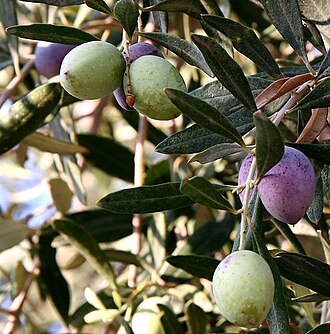
Photo: Wikipedia
Green olives are firm, fleshy drupes harvested before ripening, offering a briny, tangy flavor with a satisfying, meaty bite. They are a nutritional powerhouse of heart-healthy monounsaturated fats, providing over 15 grams of fat per 100g, along with a notable dose of fiber. Their distinctive salty punch comes from the curing process, which transforms their natural bitterness into a complex, savory profile.
Calorie split: 3% protein · 10% carbs · 88% fat
↓ Full nutrition💚 Why it's loved
People adore green olives for their intense, salty-savory flavor that can elevate everything from a simple snack to a gourmet dish. Their firm texture and versatility make them a beloved staple in appetizers, salads, and as a key ingredient in global cuisines.
⚠️ Watch-outs & how to enjoy it better
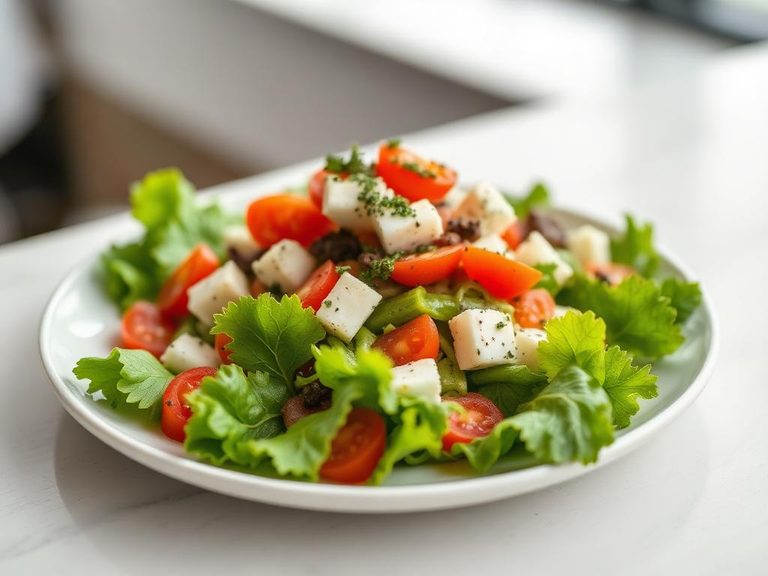
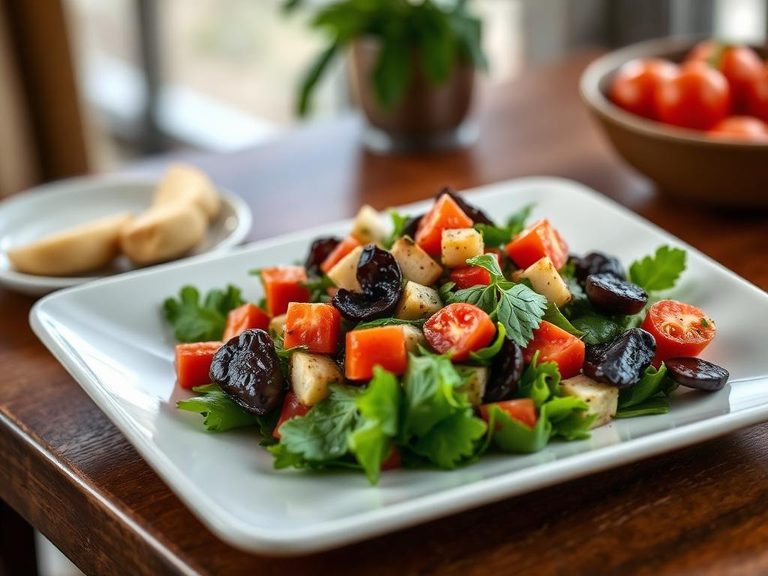
The primary drawback is their very high sodium content from brining, which can be a concern for those monitoring salt intake. They are also calorie-dense due to their fat content, so mindful portioning is key. To counteract sodium, rinse olives before use and pair them with potassium-rich foods like leafy greens or tomatoes.
Key benefits
- Excellent source of monounsaturated fats, particularly oleic acid.
- Good source of dietary fiber, supporting digestive health.
- Contains antioxidants like vitamin E and polyphenols.
- May support heart health as part of a balanced diet.
- Provides a savory, low-sugar flavor boost to meals.
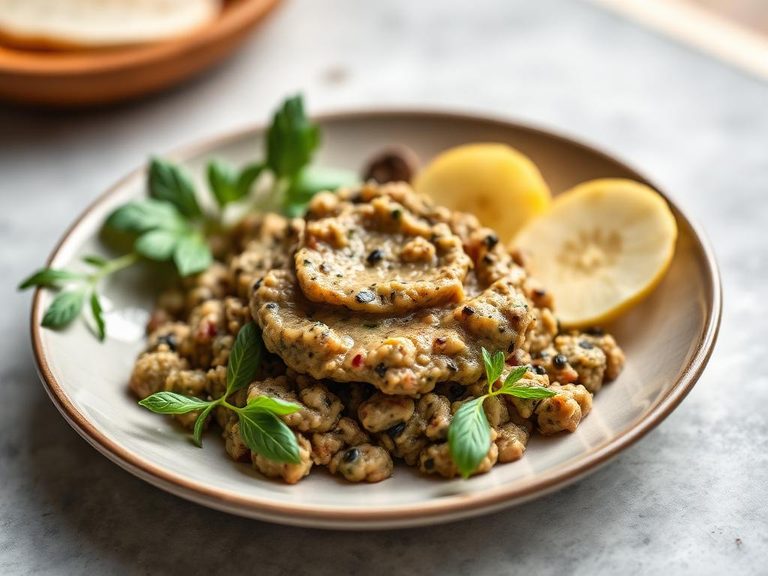
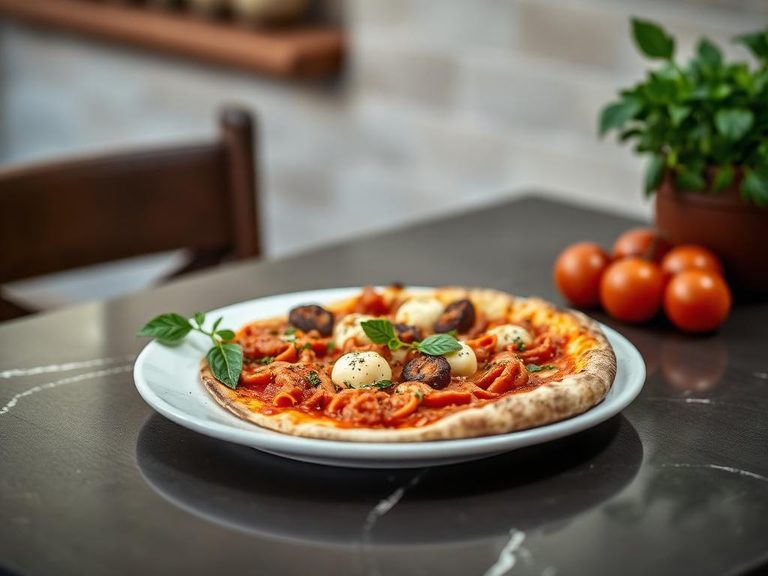
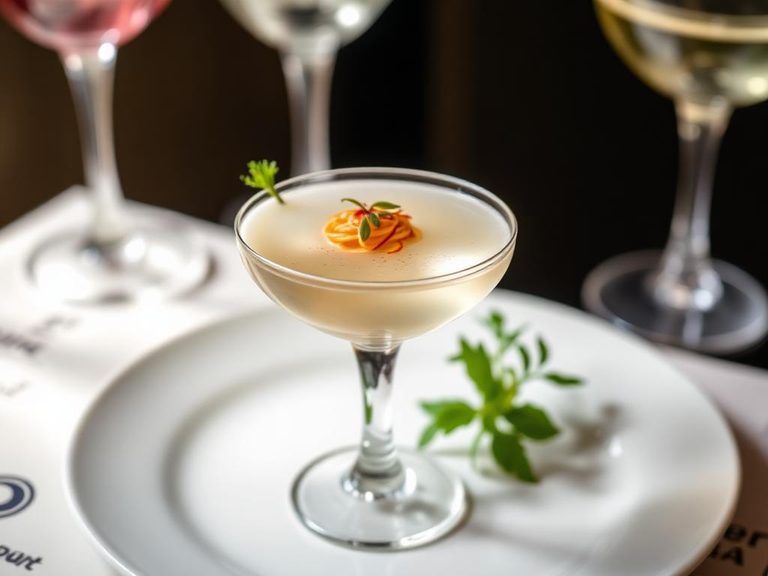
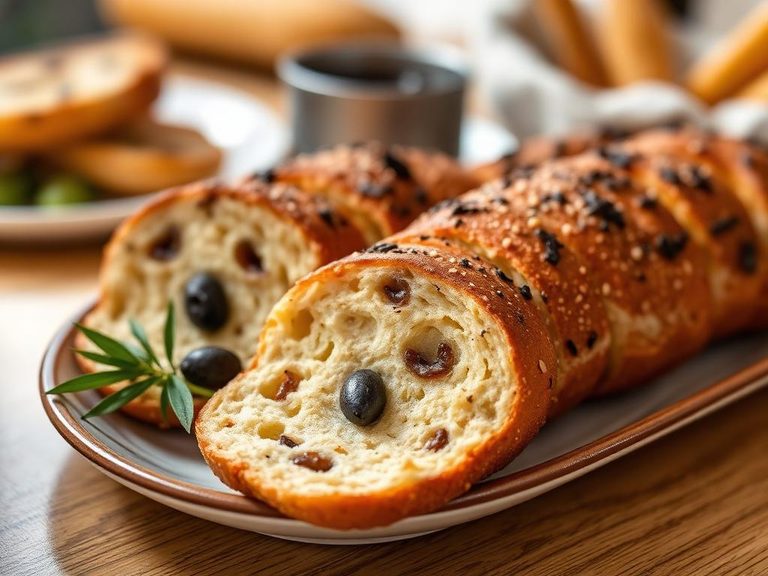
🍽️ Popular dishes
🌍 Where it's eaten
💡 Did you know?
The green color of unripe olives is due to chlorophyll, which breaks down as the fruit ripens and turns purple or black.
Full nutrition (USDA data · scales with serving)
| Water | 75.3 g |
| Energy | 145 kcal |
| Protein | 1.0 g |
| Total lipid (fat) | 15.3 g |
| Carbohydrate, by difference | 3.8 g |
| Fiber, total dietary | 3.3 g |
| Total Sugars | 0.54 g |
| Calcium, Ca | 52.0 mg |
| Iron, Fe | 0.49 mg |
| Magnesium, Mg | 11.0 mg |
| Phosphorus, P | 4.0 mg |
| Potassium, K | 42.0 mg |
| Sodium, Na | 1556 mg |
| Zinc, Zn | 0.04 mg |
| Copper, Cu | 0.12 mg |
| Selenium, Se | 0.90 ug |
| Vitamin C, total ascorbic acid | 0.00 mg |
| Thiamin | 0.02 mg |
| Riboflavin | 0.01 mg |
| Niacin | 0.24 mg |
| Vitamin B-6 | 0.03 mg |
| Folate, total | 3.0 ug |
| Folic acid | 0.00 ug |
| Folate, food | 3.0 ug |
| Folate, DFE | 3.0 ug |
| Choline, total | 14.2 mg |
| Vitamin B-12 | 0.00 ug |
| Vitamin B-12, added | 0.00 ug |
| Vitamin A, RAE | 20.0 ug |
| Retinol | 0.00 ug |
| Carotene, beta | 231 ug |
| Carotene, alpha | 0.00 ug |
| Cryptoxanthin, beta | 9.0 ug |
| Lycopene | 0.00 ug |
| Lutein + zeaxanthin | 510 ug |
| Vitamin E (alpha-tocopherol) | 3.8 mg |
| Vitamin E, added | 0.00 mg |
| Vitamin D (D2 + D3) | 0.00 ug |
| Vitamin K (phylloquinone) | 1.4 ug |
| Alcohol, ethyl | 0.00 g |
| Caffeine | 0.00 mg |
| Theobromine | 0.00 mg |
Fat & fatty acid profile (per 100g)
| Fatty acids, total saturated | 2.0 g |
| SFA 4:0 | 0.00 g |
| SFA 6:0 | 0.00 g |
| SFA 8:0 | 0.00 g |
| SFA 10:0 | 0.00 g |
| SFA 12:0 | 0.00 g |
| SFA 14:0 | 0.00 g |
| SFA 16:0 | 1.7 g |
| SFA 18:0 | 0.34 g |
| Fatty acids, total monounsaturated | 11.3 g |
| MUFA 16:1 | 0.12 g |
| MUFA 18:1 | 11.1 g |
| MUFA 20:1 | 0.05 g |
| MUFA 22:1 | 0.00 g |
| Fatty acids, total polyunsaturated | 1.3 g |
| PUFA 18:2 | 1.2 g |
| PUFA 18:3 | 0.09 g |
| PUFA 18:4 | 0.00 g |
| PUFA 20:4 | 0.00 g |
| PUFA 20:5 n-3 (EPA) | 0.00 g |
| PUFA 22:5 n-3 (DPA) | 0.00 g |
| PUFA 22:6 n-3 (DHA) | 0.00 g |
| Cholesterol | 0.00 mg |
Amino acid profile (per 100g)
Estimated from Olives, ripe, canned (small-extra large) — USDA does not publish this profile for Olives.
| Threonine | 0.03 g |
| Isoleucine | 0.03 g |
| Leucine | 0.05 g |
| Lysine | 0.03 g |
| Methionine | 0.01 g |
| Phenylalanine | 0.03 g |
| Tyrosine | 0.02 g |
| Valine | 0.04 g |
| Arginine | 0.07 g |
| Histidine | 0.02 g |
| Alanine | 0.04 g |
| Aspartic acid | 0.09 g |
| Glutamic acid | 0.09 g |
| Glycine | 0.05 g |
| Proline | 0.04 g |
| Serine | 0.03 g |
FAQ
Are green olives healthier than black olives?
Not necessarily. Green olives are harvested earlier and have a firmer texture and tangier taste. Black olives are fully ripe and often milder. Nutritionally, they are very similar, with the main difference being sodium content, which varies by brand and curing method.
Why are olives cured or brined?
Raw olives are naturally very bitter due to compounds called oleuropein. Curing in brine, water, or salt removes this bitterness, preserves the fruit, and develops their characteristic savory, tangy flavor.
Can I eat olives on a low-carb diet?
Yes, olives are an excellent low-carb food. With only about 3.84g of carbs per 100g (and 3.3g of that being fiber), they are a popular choice for keto and low-carb lifestyles, providing healthy fats and flavor without a significant carb load.
Nutrient density (calculated · NRF9.3)
Nutrient Rich Foods index: beneficial nutrients (protein, fiber, vitamins, minerals) minus saturated fat, added sugar & sodium, per 100 kcal.
NRF9.3 index — Fulgoni, Keast & Drewnowski, 2009. Computed from USDA nutrients.
Weight-loss friendliness (composite index)
Energy density 1.45 kcal/g · 3% calories from protein · 3.3 g fiber · 0.5 g sugar per 100 g.
Composite of energy density (Rolls et al., 1999), protein & fiber satiety, minus sugar. A calculated heuristic — ranks satiety-per-calorie, not a clinical measure.
Dietary load (calculated from USDA values)
Potential renal acid load. Positive = acid-forming, negative = alkaline-forming.
Sodium-to-potassium ratio: 37.05 (lower is better — aim for ≤ 1)
Sodium:potassium per WHO potassium guidance. Computed from USDA nutrients.