

Olives, NFS
Common food
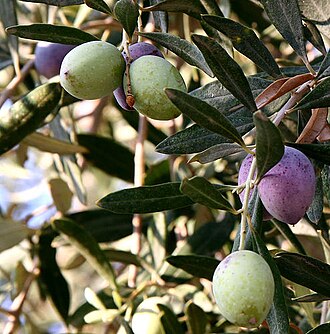
Photo: Wikipedia
Olives, NFS (Not Further Specified) are the cured fruits of the olive tree, offering a rich, savory flavor with a range of textures from firm and meaty to soft and buttery. Nutritionally, they are a standout source of heart-healthy monounsaturated fats, providing nearly 11 grams per 100g, while contributing minimal carbs and no sugar. Their distinctive taste comes from a curing process that tempers the natural bitterness of the raw fruit.
Calorie split: 3% protein · 19% carbs · 78% fat
↓ Full nutrition💚 Why it's loved
People love olives for their complex, savory umami flavor that can range from mild and buttery to sharp and pungent, making them a versatile ingredient. They are deeply embedded in Mediterranean culture, symbolizing peace and culinary tradition.
⚠️ Watch-outs & how to enjoy it better
The primary downside is their high sodium content from the brining process, which can be a concern for those monitoring salt intake. Some individuals may also experience digestive discomfort from the high fat content or natural compounds like oleuropein. To counteract, look for lower-sodium varieties, rinse them briefly before use, and consume in moderation as part of a balanced meal.
Key benefits
- Excellent source of heart-healthy monounsaturated fats.
- Rich in antioxidant compounds like vitamin E and polyphenols.
- Provides dietary fiber (1.6g per 100g) for digestive health.
- Naturally low in carbohydrates and sugar-free.
- Contains iron and copper, essential minerals for energy.
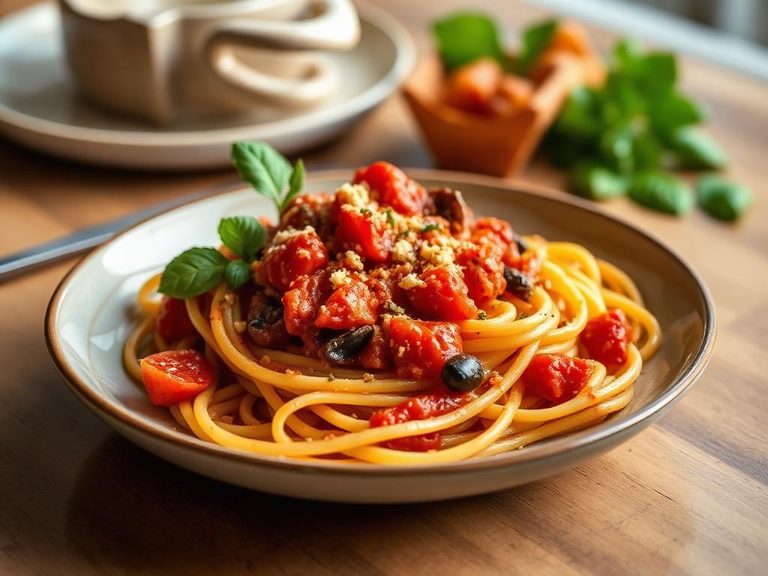
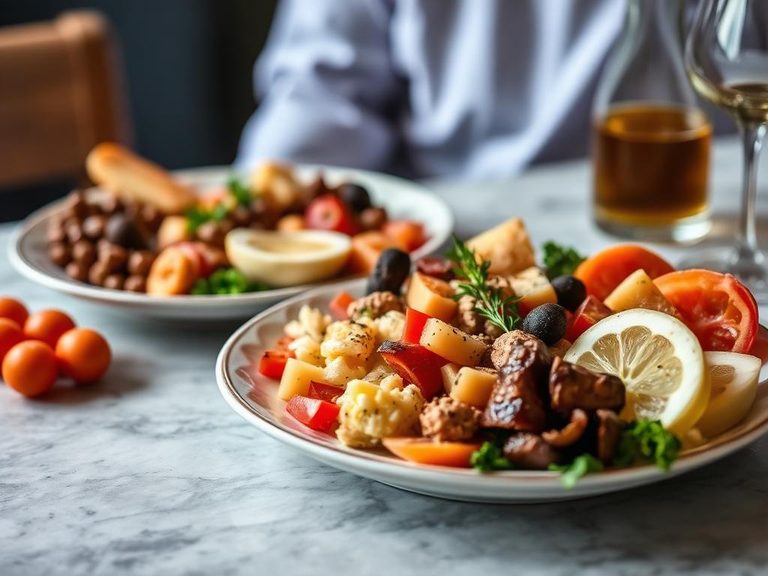
🍽️ Popular dishes
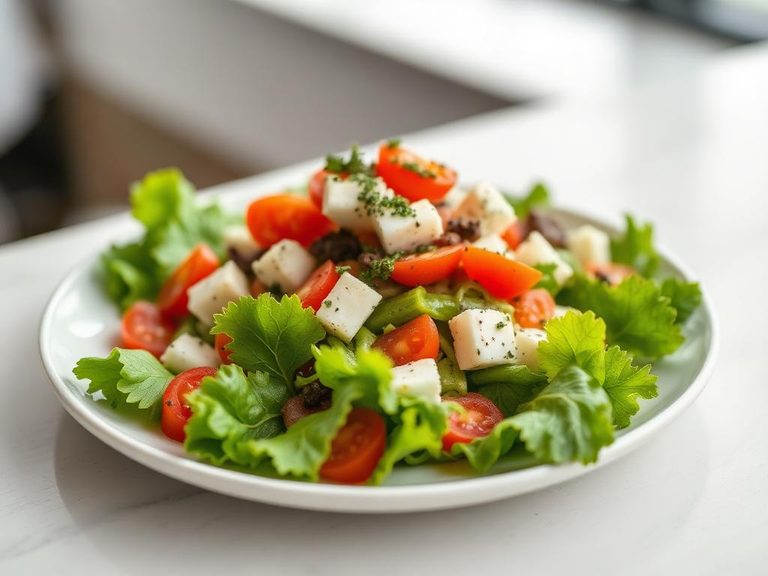
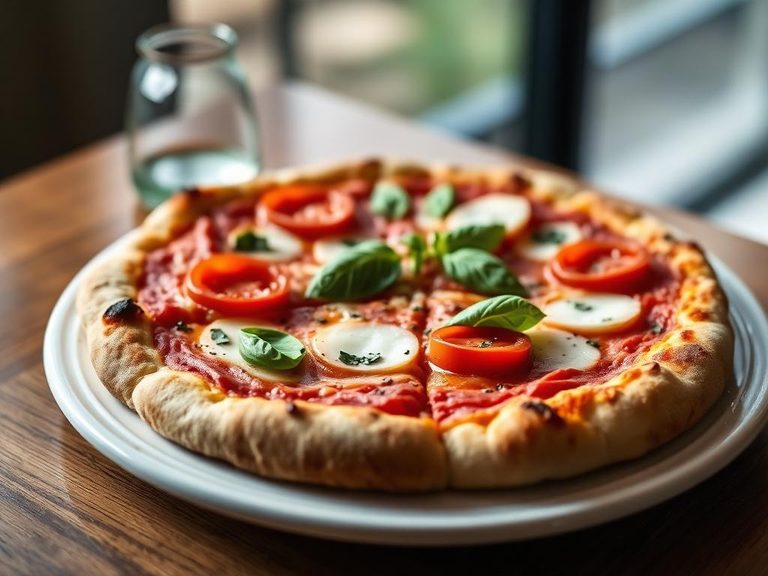
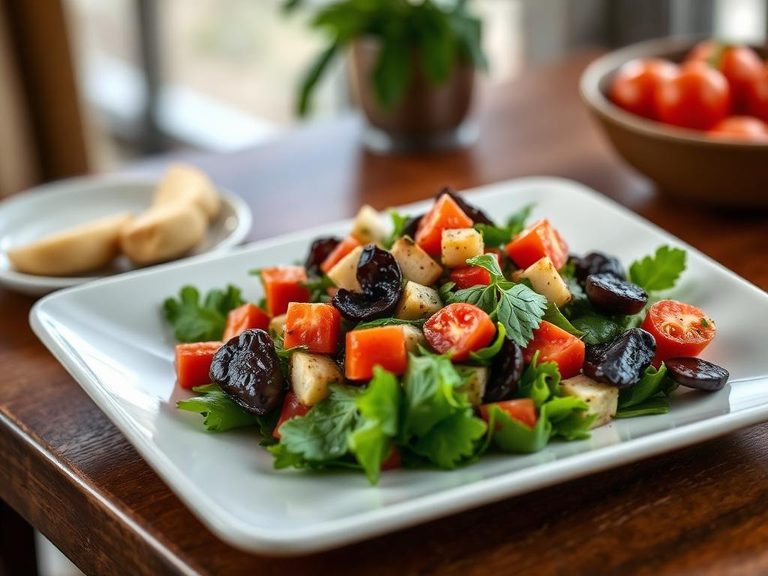

🌍 Where it's eaten
💡 Did you know?
The process of curing olives is ancient and necessary because raw olives contain oleuropein, a bitter compound that makes them inedible without treatment.
Full nutrition (USDA data · scales with serving)
| Water | 80.0 g |
| Energy | 116 kcal |
| Protein | 0.84 g |
| Total lipid (fat) | 10.9 g |
| Carbohydrate, by difference | 6.0 g |
| Fiber, total dietary | 1.6 g |
| Total Sugars | 0.00 g |
| Calcium, Ca | 88.0 mg |
| Iron, Fe | 6.3 mg |
| Magnesium, Mg | 4.0 mg |
| Phosphorus, P | 3.0 mg |
| Potassium, K | 8.0 mg |
| Sodium, Na | 735 mg |
| Zinc, Zn | 0.22 mg |
| Copper, Cu | 0.25 mg |
| Selenium, Se | 0.90 ug |
| Vitamin C, total ascorbic acid | 0.90 mg |
| Thiamin | 0.00 mg |
| Riboflavin | 0.00 mg |
| Niacin | 0.04 mg |
| Vitamin B-6 | 0.01 mg |
| Folate, total | 0.00 ug |
| Folic acid | 0.00 ug |
| Folate, food | 0.00 ug |
| Folate, DFE | 0.00 ug |
| Choline, total | 10.3 mg |
| Vitamin B-12 | 0.00 ug |
| Vitamin B-12, added | 0.00 ug |
| Vitamin A, RAE | 17.0 ug |
| Retinol | 0.00 ug |
| Carotene, beta | 198 ug |
| Carotene, alpha | 0.00 ug |
| Cryptoxanthin, beta | 0.00 ug |
| Lycopene | 0.00 ug |
| Lutein + zeaxanthin | 510 ug |
| Vitamin E (alpha-tocopherol) | 1.6 mg |
| Vitamin E, added | 0.00 mg |
| Vitamin D (D2 + D3) | 0.00 ug |
| Vitamin K (phylloquinone) | 1.4 ug |
| Alcohol, ethyl | 0.00 g |
| Caffeine | 0.00 mg |
| Theobromine | 0.00 mg |
Fat & fatty acid profile (per 100g)
| Fatty acids, total saturated | 2.3 g |
| SFA 4:0 | 0.00 g |
| SFA 6:0 | 0.00 g |
| SFA 8:0 | 0.00 g |
| SFA 10:0 | 0.00 g |
| SFA 12:0 | 0.00 g |
| SFA 14:0 | 0.00 g |
| SFA 16:0 | 1.7 g |
| SFA 18:0 | 0.32 g |
| Fatty acids, total monounsaturated | 7.7 g |
| MUFA 16:1 | 0.15 g |
| MUFA 18:1 | 7.5 g |
| MUFA 20:1 | 0.03 g |
| MUFA 22:1 | 0.00 g |
| Fatty acids, total polyunsaturated | 0.63 g |
| PUFA 18:2 | 0.63 g |
| PUFA 18:3 | 0.00 g |
| PUFA 18:4 | 0.00 g |
| PUFA 20:4 | 0.00 g |
| PUFA 20:5 n-3 (EPA) | 0.00 g |
| PUFA 22:5 n-3 (DPA) | 0.00 g |
| PUFA 22:6 n-3 (DHA) | 0.00 g |
| Cholesterol | 0.00 mg |
Amino acid profile (per 100g)
Estimated from Olives, ripe, canned (small-extra large) — USDA does not publish this profile for Olives.
| Threonine | 0.03 g |
| Isoleucine | 0.03 g |
| Leucine | 0.05 g |
| Lysine | 0.03 g |
| Methionine | 0.01 g |
| Phenylalanine | 0.03 g |
| Tyrosine | 0.02 g |
| Valine | 0.04 g |
| Arginine | 0.07 g |
| Histidine | 0.02 g |
| Alanine | 0.04 g |
| Aspartic acid | 0.09 g |
| Glutamic acid | 0.09 g |
| Glycine | 0.05 g |
| Proline | 0.04 g |
| Serine | 0.03 g |
FAQ
What does 'NFS' mean on a nutrition label for olives?
'NFS' stands for 'Not Further Specified.' It indicates the data is an average for the general category of olives, as specific varieties (like Kalamata or Manzanilla) can have slight nutritional differences.
Are olives a fruit or a vegetable?
Botanically, olives are a fruit—specifically a drupe, like a cherry or peach. In culinary terms, they are often treated as a vegetable due to their savory application.
Why are some olives green and others black?
The color depends on ripeness when harvested. Green olives are picked unripe, while black or dark purple olives are allowed to ripen fully on the tree. The curing method also affects the final color.
Nutrient density (calculated · NRF9.3)
Nutrient Rich Foods index: beneficial nutrients (protein, fiber, vitamins, minerals) minus saturated fat, added sugar & sodium, per 100 kcal.
NRF9.3 index — Fulgoni, Keast & Drewnowski, 2009. Computed from USDA nutrients.
Weight-loss friendliness (composite index)
Energy density 1.16 kcal/g · 3% calories from protein · 1.6 g fiber · 0.0 g sugar per 100 g.
Composite of energy density (Rolls et al., 1999), protein & fiber satiety, minus sugar. A calculated heuristic — ranks satiety-per-calorie, not a clinical measure.
Dietary load (calculated from USDA values)
Potential renal acid load. Positive = acid-forming, negative = alkaline-forming.
Sodium-to-potassium ratio: 91.88 (lower is better — aim for ≤ 1)
Sodium:potassium per WHO potassium guidance. Computed from USDA nutrients.