

Peanuts, roasted, salted
Common food
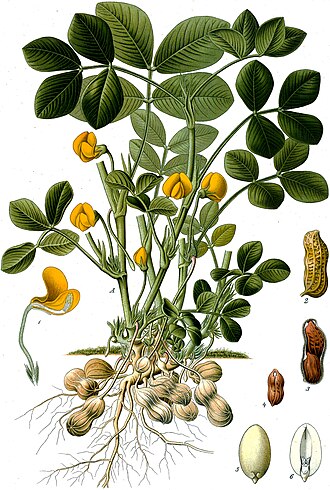
Photo: Wikipedia
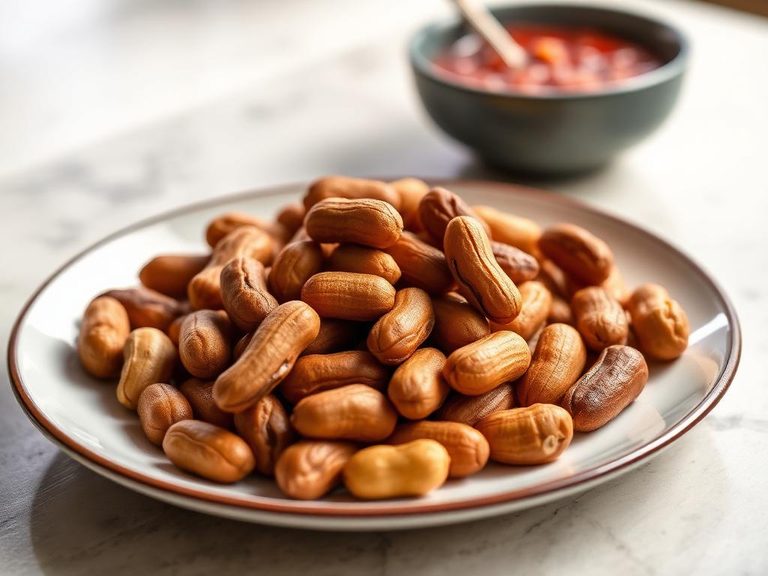
Roasted and salted peanuts are a crunchy, savory snack with a deep, nutty flavor and a satisfyingly firm texture. They are a nutritional powerhouse, packing over 28 grams of protein and healthy fats per 100 grams, making them a very energy-dense food.
Calorie split: 17% protein · 9% carbs · 73% fat
↓ Full nutrition💚 Why it's loved
People adore the addictive combination of salty, roasted flavor and satisfying crunch. Their incredible versatility makes them a staple in everything from trail mix and stir-fries to sauces and desserts across global cuisines.
⚠️ Watch-outs & how to enjoy it better
The added salt can contribute to high sodium intake, and peanuts are a common and potent allergen. To manage sodium, look for lightly salted or unsalted varieties and practice portion control. For those with allergies, strict avoidance is necessary.
Key benefits
- Excellent source of plant-based protein
- Rich in heart-healthy monounsaturated fats
- Good source of dietary fiber
- Contains essential minerals like magnesium and potassium
- Provides a quick and sustained energy boost
🍽️ Popular dishes
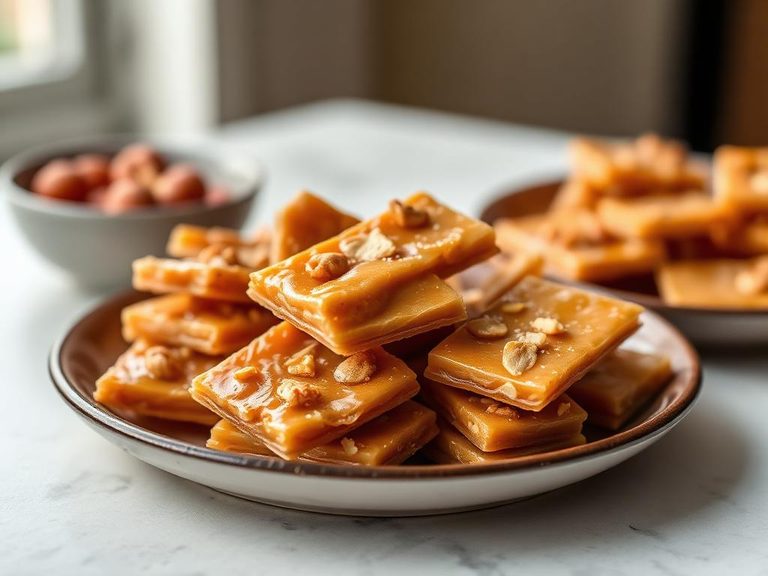
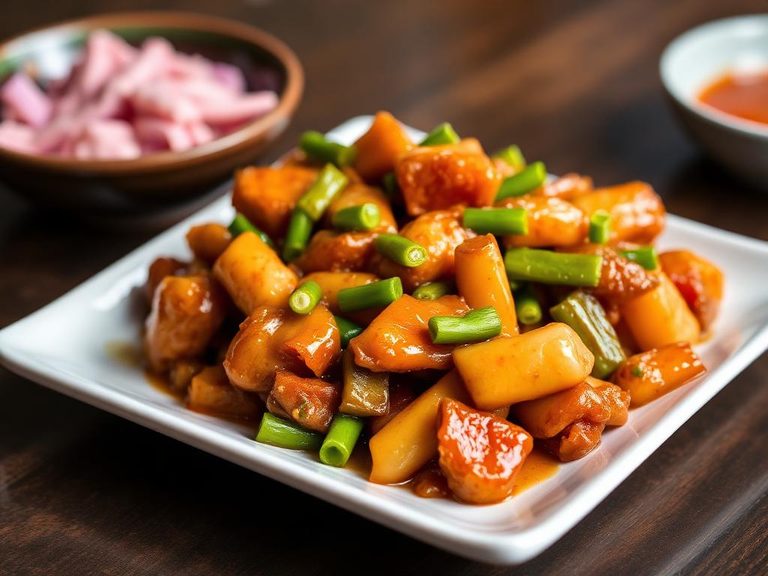
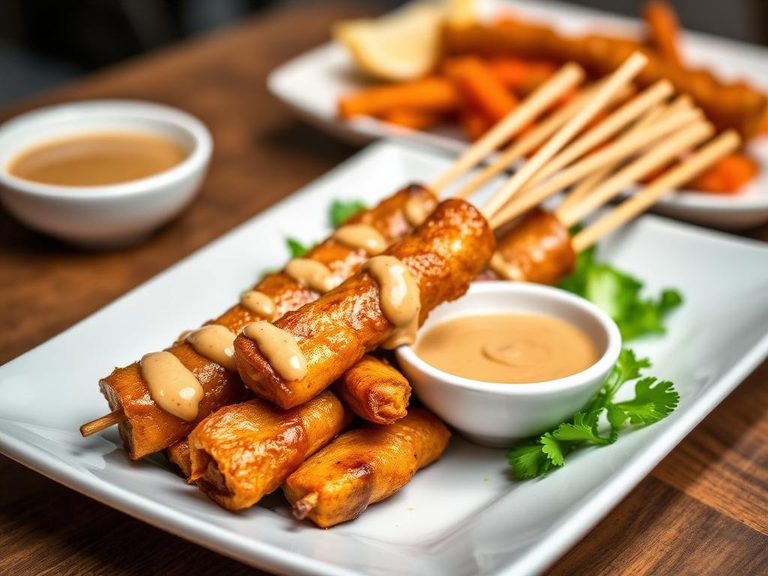
🌍 Where it's eaten
💡 Did you know?
Peanuts aren't true nuts; they are legumes that develop their pods underground, a trait that earned them the nickname 'groundnuts'.
Full nutrition (USDA data · scales with serving)
| Water | 1.4 g |
| Energy | 599 kcal |
| Protein | 28.0 g |
| Total lipid (fat) | 52.5 g |
| Carbohydrate, by difference | 15.3 g |
| Fiber, total dietary | 9.4 g |
| Total Sugars | 4.2 g |
| Calcium, Ca | 61.0 mg |
| Iron, Fe | 1.5 mg |
| Magnesium, Mg | 176 mg |
| Phosphorus, P | 397 mg |
| Potassium, K | 726 mg |
| Sodium, Na | 320 mg |
| Zinc, Zn | 3.3 mg |
| Copper, Cu | 0.53 mg |
| Selenium, Se | 3.3 ug |
| Vitamin C, total ascorbic acid | 0.80 mg |
| Thiamin | 0.09 mg |
| Riboflavin | 0.09 mg |
| Niacin | 13.8 mg |
| Vitamin B-6 | 0.46 mg |
| Folate, total | 120 ug |
| Folic acid | 0.00 ug |
| Folate, food | 120 ug |
| Folate, DFE | 120 ug |
| Choline, total | 55.3 mg |
| Vitamin B-12 | 0.00 ug |
| Vitamin B-12, added | 0.00 ug |
| Vitamin A, RAE | 0.00 ug |
| Retinol | 0.00 ug |
| Carotene, beta | 0.00 ug |
| Carotene, alpha | 0.00 ug |
| Cryptoxanthin, beta | 0.00 ug |
| Lycopene | 0.00 ug |
| Lutein + zeaxanthin | 0.00 ug |
| Vitamin E (alpha-tocopherol) | 6.9 mg |
| Vitamin E, added | 0.00 mg |
| Vitamin D (D2 + D3) | 0.00 ug |
| Vitamin K (phylloquinone) | 0.00 ug |
| Alcohol, ethyl | 0.00 g |
| Caffeine | 0.00 mg |
| Theobromine | 0.00 mg |
Fat & fatty acid profile (per 100g)
| Fatty acids, total saturated | 8.7 g |
| SFA 4:0 | 0.00 g |
| SFA 6:0 | 0.00 g |
| SFA 8:0 | 0.00 g |
| SFA 10:0 | 0.04 g |
| SFA 12:0 | 0.04 g |
| SFA 14:0 | 0.04 g |
| SFA 16:0 | 5.0 g |
| SFA 18:0 | 1.4 g |
| Fatty acids, total monounsaturated | 26.0 g |
| MUFA 16:1 | 0.04 g |
| MUFA 18:1 | 25.2 g |
| MUFA 20:1 | 0.61 g |
| MUFA 22:1 | 0.00 g |
| Fatty acids, total polyunsaturated | 15.3 g |
| PUFA 18:2 | 15.1 g |
| PUFA 18:3 | 0.04 g |
| PUFA 18:4 | 0.00 g |
| PUFA 20:4 | 0.04 g |
| PUFA 20:5 n-3 (EPA) | 0.00 g |
| PUFA 22:5 n-3 (DPA) | 0.00 g |
| PUFA 22:6 n-3 (DHA) | 0.00 g |
| Cholesterol | 0.00 mg |
Amino acid profile (per 100g)
Estimated from Snacks, popcorn, caramel-coated, without peanuts — USDA does not publish this profile for Peanuts.
| Tryptophan | 0.04 g |
| Threonine | 0.15 g |
| Isoleucine | 0.16 g |
| Leucine | 0.28 g |
| Lysine | 0.28 g |
| Methionine | 0.07 g |
| Cystine | 0.04 g |
| Phenylalanine | 0.15 g |
| Tyrosine | 0.11 g |
| Valine | 0.18 g |
| Arginine | 0.23 g |
| Histidine | 0.11 g |
| Alanine | 0.21 g |
| Aspartic acid | 0.39 g |
| Glutamic acid | 0.66 g |
| Glycine | 0.22 g |
| Proline | 0.17 g |
| Serine | 0.16 g |
FAQ
Are roasted peanuts as healthy as raw ones?
Roasting slightly reduces some heat-sensitive nutrients like B vitamins but does not significantly alter the protein, fat, or mineral content. The main difference is the added salt in many roasted varieties.
Why do peanuts sometimes cause digestive discomfort?
Peanuts contain fiber and phytic acid, which can cause gas or bloating in some people, especially if eaten in large quantities. Soaking or cooking peanuts (as in boiled peanuts) can reduce phytic acid and improve digestibility.
What's the best way to store roasted peanuts?
To maintain freshness and prevent the oils from going rancid, store them in an airtight container in a cool, dark place. For longer storage, the refrigerator or freezer is ideal.
Nutrient density (calculated · NRF9.3)
Nutrient Rich Foods index: beneficial nutrients (protein, fiber, vitamins, minerals) minus saturated fat, added sugar & sodium, per 100 kcal.
NRF9.3 index — Fulgoni, Keast & Drewnowski, 2009. Computed from USDA nutrients.
Weight-loss friendliness (composite index)
Energy density 5.99 kcal/g · 19% calories from protein · 9.4 g fiber · 4.2 g sugar per 100 g.
Composite of energy density (Rolls et al., 1999), protein & fiber satiety, minus sugar. A calculated heuristic — ranks satiety-per-calorie, not a clinical measure.
Dietary load (calculated from USDA values)
Potential renal acid load. Positive = acid-forming, negative = alkaline-forming.
Sodium-to-potassium ratio: 0.44 (lower is better — aim for ≤ 1)
Sodium:potassium per WHO potassium guidance. Computed from USDA nutrients.