

Parsley, raw
Common food

Photo: Wikipedia
Parsley is a vibrant, leafy herb with a fresh, slightly peppery flavor and a clean, grassy aroma. Its delicate, feathery leaves add a bright pop of color and a subtle, crisp texture to dishes. Nutritionally, it's a powerhouse for its size, packing more vitamin K than almost any other common herb.
Calorie split: 27% protein · 57% carbs · 16% fat
↓ Full nutrition💚 Why it's loved
People adore parsley for its ability to brighten and balance rich or savory dishes, acting as a fresh, herbal counterpoint. It's celebrated for its incredible versatility, serving as both a foundational flavor in soffritto and a vibrant finishing garnish.
⚠️ Watch-outs & how to enjoy it better
Some find its flavor too assertive or grassy when used excessively. Those on blood-thinning medications (like warfarin) should be mindful of its high vitamin K content, which can affect drug efficacy. To manage this, maintain consistent intake rather than sporadic large amounts, and consult a healthcare provider.
Key benefits
- Exceptionally rich in vitamin K, crucial for bone health and blood clotting.
- High in vitamin C, an antioxidant that supports immune function and skin health.
- Contains antioxidants like flavonoids and carotenoids that help combat oxidative stress.
- A good source of folate, important for cell growth and metabolism.
- Provides a notable amount of iron and potassium relative to its calorie count.
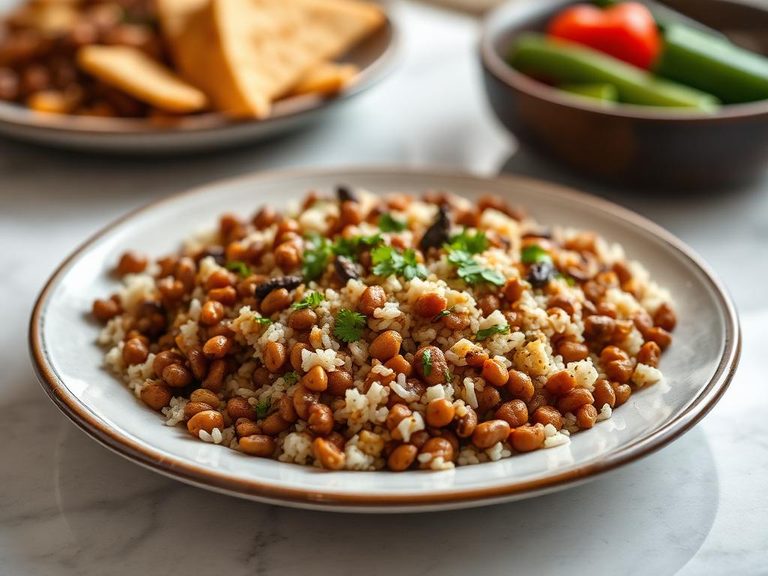
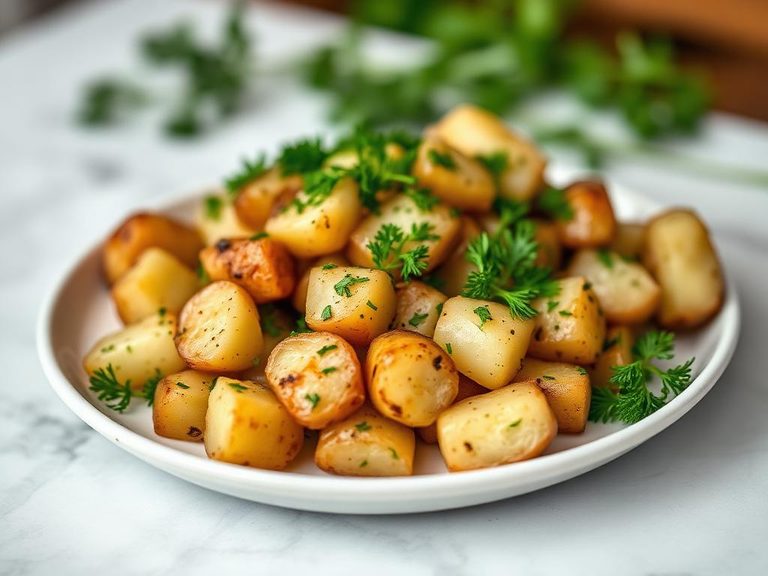
🍽️ Popular dishes
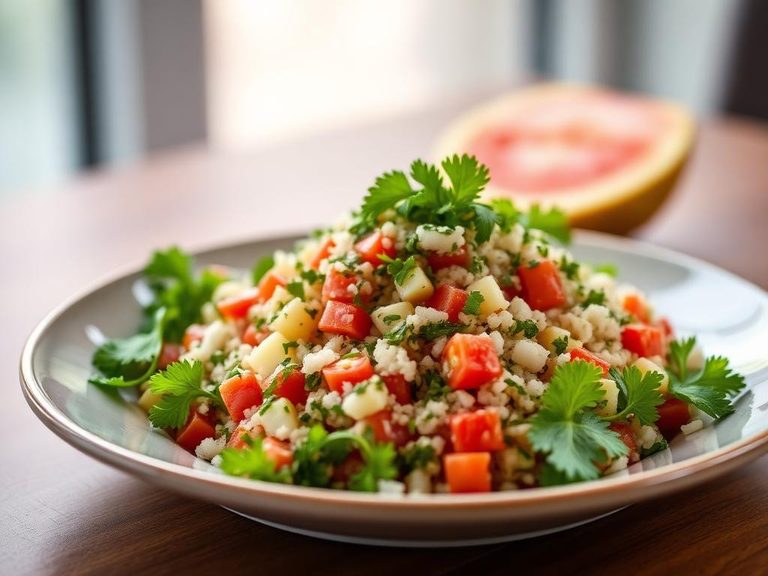
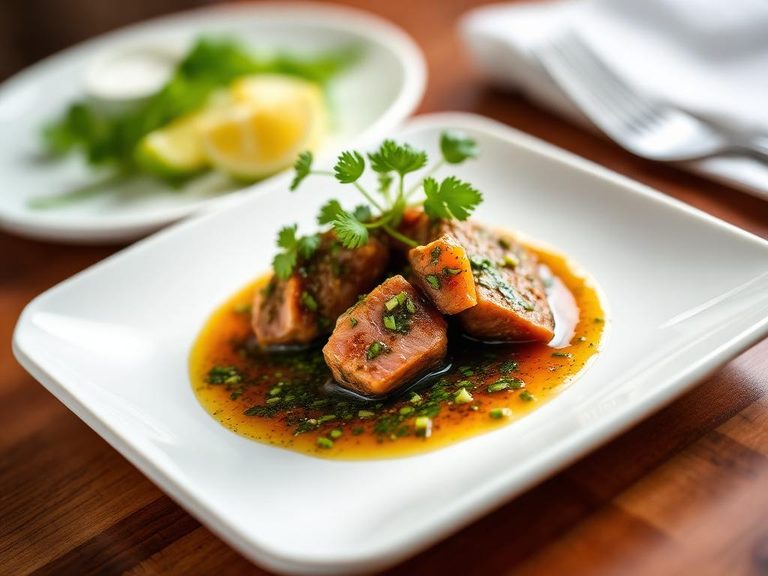
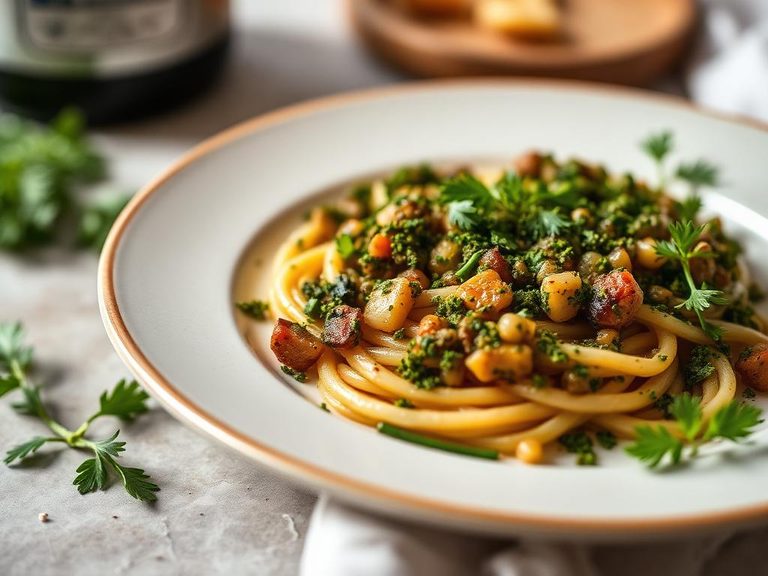
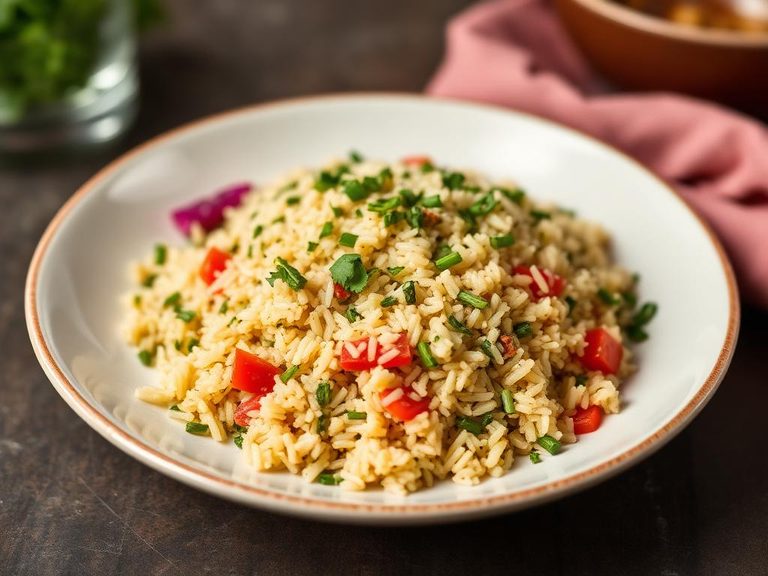
🌍 Where it's eaten
💡 Did you know?
Parsley was traditionally used in ancient Greek and Roman ceremonies to crown victors and adorn the dead, symbolizing both triumph and remembrance.
Full nutrition (USDA data · scales with serving)
| Water | 87.7 g |
| Energy | 36.0 kcal |
| Protein | 3.0 g |
| Total lipid (fat) | 0.79 g |
| Carbohydrate, by difference | 6.3 g |
| Fiber, total dietary | 3.3 g |
| Total Sugars | 0.85 g |
| Calcium, Ca | 138 mg |
| Iron, Fe | 6.2 mg |
| Magnesium, Mg | 50.0 mg |
| Phosphorus, P | 58.0 mg |
| Potassium, K | 554 mg |
| Sodium, Na | 56.0 mg |
| Zinc, Zn | 1.1 mg |
| Copper, Cu | 0.15 mg |
| Selenium, Se | 0.10 ug |
| Vitamin C, total ascorbic acid | 133 mg |
| Thiamin | 0.09 mg |
| Riboflavin | 0.10 mg |
| Niacin | 1.3 mg |
| Vitamin B-6 | 0.09 mg |
| Folate, total | 152 ug |
| Folic acid | 0.00 ug |
| Folate, food | 152 ug |
| Folate, DFE | 152 ug |
| Choline, total | 12.8 mg |
| Vitamin B-12 | 0.00 ug |
| Vitamin B-12, added | 0.00 ug |
| Vitamin A, RAE | 421 ug |
| Retinol | 0.00 ug |
| Carotene, beta | 5054 ug |
| Carotene, alpha | 0.00 ug |
| Cryptoxanthin, beta | 0.00 ug |
| Lycopene | 0.00 ug |
| Lutein + zeaxanthin | 5561 ug |
| Vitamin E (alpha-tocopherol) | 0.75 mg |
| Vitamin E, added | 0.00 mg |
| Vitamin D (D2 + D3) | 0.00 ug |
| Vitamin K (phylloquinone) | 1640 ug |
| Alcohol, ethyl | 0.00 g |
| Caffeine | 0.00 mg |
| Theobromine | 0.00 mg |
Fat & fatty acid profile (per 100g)
| Fatty acids, total saturated | 0.13 g |
| SFA 4:0 | 0.00 g |
| SFA 6:0 | 0.00 g |
| SFA 8:0 | 0.00 g |
| SFA 10:0 | 0.00 g |
| SFA 12:0 | 0.00 g |
| SFA 14:0 | 0.01 g |
| SFA 16:0 | 0.08 g |
| SFA 18:0 | 0.04 g |
| Fatty acids, total monounsaturated | 0.29 g |
| MUFA 16:1 | 0.01 g |
| MUFA 18:1 | 0.29 g |
| MUFA 20:1 | 0.00 g |
| MUFA 22:1 | 0.00 g |
| Fatty acids, total polyunsaturated | 0.12 g |
| PUFA 18:2 | 0.12 g |
| PUFA 18:3 | 0.01 g |
| PUFA 18:4 | 0.00 g |
| PUFA 20:4 | 0.00 g |
| PUFA 20:5 n-3 (EPA) | 0.00 g |
| PUFA 22:5 n-3 (DPA) | 0.00 g |
| PUFA 22:6 n-3 (DHA) | 0.00 g |
| Cholesterol | 0.00 mg |
Amino acid profile (per 100g)
Estimated from Parsley, fresh — USDA does not publish this profile for Parsley.
| Tryptophan | 0.04 g |
| Threonine | 0.12 g |
| Isoleucine | 0.12 g |
| Leucine | 0.20 g |
| Lysine | 0.18 g |
| Methionine | 0.04 g |
| Cystine | 0.01 g |
| Phenylalanine | 0.14 g |
| Tyrosine | 0.08 g |
| Valine | 0.17 g |
| Arginine | 0.12 g |
| Histidine | 0.06 g |
| Alanine | 0.20 g |
| Aspartic acid | 0.29 g |
| Glutamic acid | 0.25 g |
| Glycine | 0.14 g |
| Proline | 0.21 g |
| Serine | 0.14 g |
FAQ
What's the difference between flat-leaf (Italian) and curly parsley?
Flat-leaf parsley has a stronger, more robust flavor and is preferred for cooking. Curly parsley has a milder taste and is often used primarily as a decorative garnish.
How should I store fresh parsley to make it last?
Treat it like a bouquet of flowers: trim the stems, place upright in a jar with an inch of water, cover loosely with a plastic bag, and refrigerate. Change the water every few days.
Can I use parsley stems?
Yes! The stems contain even more flavor than the leaves. Finely chop them and add to stocks, sauces, or chimichurri for an extra herbaceous boost.
Nutrient density (calculated · NRF9.3)
Nutrient Rich Foods index: beneficial nutrients (protein, fiber, vitamins, minerals) minus saturated fat, added sugar & sodium, per 100 kcal.
NRF9.3 index — Fulgoni, Keast & Drewnowski, 2009. Computed from USDA nutrients.
Weight-loss friendliness (composite index)
Energy density 0.36 kcal/g · 33% calories from protein · 3.3 g fiber · 0.8 g sugar per 100 g.
Composite of energy density (Rolls et al., 1999), protein & fiber satiety, minus sugar. A calculated heuristic — ranks satiety-per-calorie, not a clinical measure.
Dietary load (calculated from USDA values)
Potential renal acid load. Positive = acid-forming, negative = alkaline-forming.
Sodium-to-potassium ratio: 0.10 (lower is better — aim for ≤ 1)
Sodium:potassium per WHO potassium guidance. Computed from USDA nutrients.