

Oil, ucuhuba butter
Whole food · Fats and Oils

Photo: Wikipedia
Ucuhuba butter is a rich, creamy vegetable fat derived from the seeds of the Brazilian Ucuhuba tree (Virola surinamensis). It has a pale yellow to off-white color and a smooth, solid texture at room temperature that melts easily on the skin or in the pan. Nutritionally, it is almost pure fat, providing 884 calories per 100g with no protein, carbohydrates, or fiber.
Calorie split: 0% protein · 0% carbs · 100% fat
↓ Full nutrition💚 Why it's loved
People love it for its mild, neutral flavor that doesn't overpower dishes, making it a versatile cooking medium. In its native regions, it's cherished for its cultural significance in traditional medicine and as a staple, sustainable fat source.
⚠️ Watch-outs & how to enjoy it better
Its high saturated fat content (about 80%) means it should be consumed in moderation, especially by those monitoring heart health. It is a very calorie-dense ingredient, so portion control is key. To counteract this, use it sparingly as a flavor enhancer or cooking fat, and balance meals with plenty of vegetables, lean proteins, and whole grains.
Key benefits
- High in beneficial oleic acid (omega-9), similar to olive oil.
- Rich in antioxidants like tocopherols (Vitamin E) that protect fats from oxidation.
- Contains myristic acid, which can enhance the absorption of certain nutrients.
- Traditionally used as a natural emollient for skin and hair care.
- Serves as a sustainable, plant-based alternative to animal fats or palm oil.
🍽️ Popular dishes
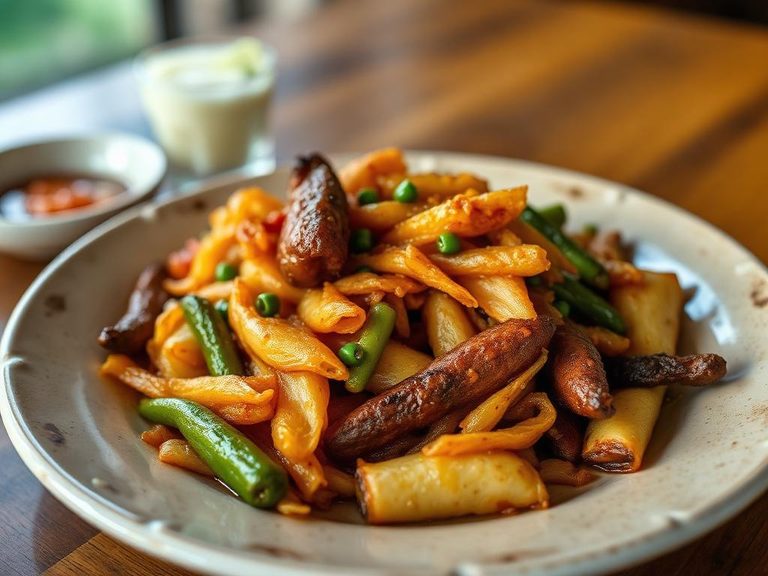
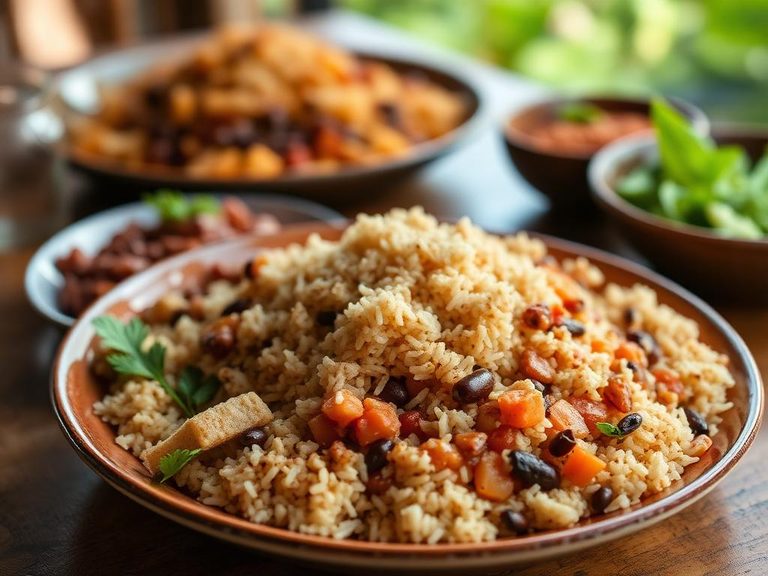
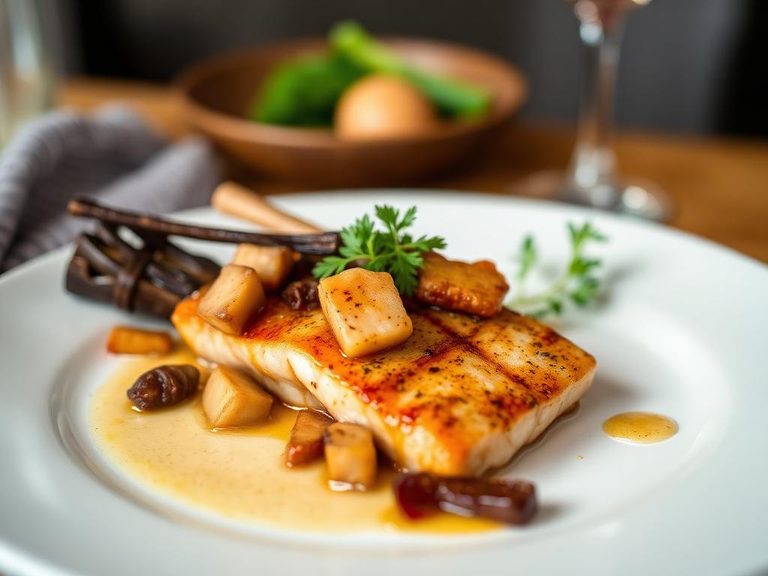
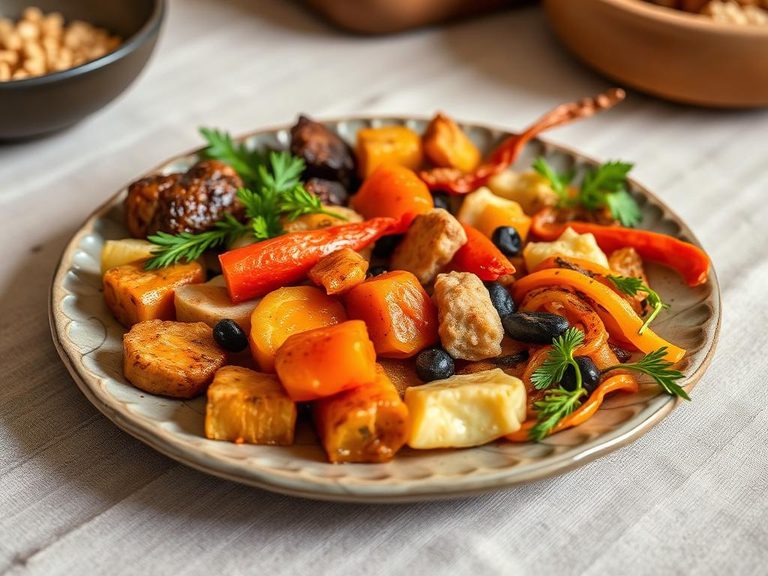
🌍 Where it's eaten
💡 Did you know?
The Ucuhuba tree is sometimes called the 'butter tree' because its seeds yield a fat that remains solid at tropical temperatures, unlike many other vegetable oils.
Full nutrition (USDA data · scales with serving)
| Water | 0.00 g |
| Energy | 884 kcal |
| Energy | 3699 kj |
| Protein | 0.00 g |
| Total lipid (fat) | 100 g |
| Ash | 0.00 g |
| Carbohydrate, by difference | 0.00 g |
| Fiber, total dietary | 0.00 g |
| Total Sugars | 0.00 g |
| Calcium, Ca | 0.00 mg |
| Iron, Fe | 0.00 mg |
| Magnesium, Mg | 0.00 mg |
| Phosphorus, P | 0.00 mg |
| Potassium, K | 0.00 mg |
| Sodium, Na | 0.00 mg |
| Zinc, Zn | 0.00 mg |
| Selenium, Se | 0.00 ug |
| Vitamin C, total ascorbic acid | 0.00 mg |
| Thiamin | 0.00 mg |
| Riboflavin | 0.00 mg |
| Niacin | 0.00 mg |
| Pantothenic acid | 0.00 mg |
| Vitamin B-6 | 0.00 mg |
| Folate, total | 0.00 ug |
| Folic acid | 0.00 ug |
| Folate, food | 0.00 ug |
| Folate, DFE | 0.00 ug |
| Vitamin B-12 | 0.00 ug |
| Vitamin A, RAE | 0.00 ug |
| Retinol | 0.00 ug |
| Carotene, beta | 0.00 ug |
| Carotene, alpha | 0.00 ug |
| Cryptoxanthin, beta | 0.00 ug |
| Vitamin A, IU | 0.00 iu |
| Lycopene | 0.00 ug |
| Lutein + zeaxanthin | 0.00 ug |
| Vitamin E (alpha-tocopherol) | 0.60 mg |
| Alcohol, ethyl | 0.00 g |
| Caffeine | 0.00 mg |
| Theobromine | 0.00 mg |
Fat & fatty acid profile (per 100g)
| Fatty acids, total saturated | 85.2 g |
| SFA 4:0 | 0.00 g |
| SFA 6:0 | 0.00 g |
| SFA 8:0 | 0.00 g |
| SFA 10:0 | 0.00 g |
| SFA 12:0 | 12.2 g |
| SFA 14:0 | 63.4 g |
| SFA 16:0 | 8.6 g |
| SFA 18:0 | 1.0 g |
| Fatty acids, total monounsaturated | 6.7 g |
| MUFA 16:1 | 0.00 g |
| MUFA 18:1 | 6.7 g |
| MUFA 20:1 | 0.00 g |
| MUFA 22:1 | 0.00 g |
| Fatty acids, total polyunsaturated | 2.9 g |
| PUFA 18:2 | 2.9 g |
| PUFA 18:3 | 0.00 g |
| PUFA 18:4 | 0.00 g |
| PUFA 20:4 | 0.00 g |
| PUFA 20:5 n-3 (EPA) | 0.00 g |
| PUFA 22:5 n-3 (DPA) | 0.00 g |
| PUFA 22:6 n-3 (DHA) | 0.00 g |
| Cholesterol | 0.00 mg |
| Phytosterols | 95.0 mg |
Amino acid profile (per 100g)
| Tryptophan | 0.00 g |
| Threonine | 0.00 g |
| Isoleucine | 0.00 g |
| Leucine | 0.00 g |
| Lysine | 0.00 g |
| Methionine | 0.00 g |
| Cystine | 0.00 g |
| Phenylalanine | 0.00 g |
| Tyrosine | 0.00 g |
| Valine | 0.00 g |
| Arginine | 0.00 g |
| Histidine | 0.00 g |
| Alanine | 0.00 g |
| Aspartic acid | 0.00 g |
| Glutamic acid | 0.00 g |
| Glycine | 0.00 g |
| Proline | 0.00 g |
| Serine | 0.00 g |
FAQ
Is ucuhuba butter the same as cocoa butter or shea butter?
No. While all are plant-based fats, they come from different plants. Ucuhuba butter comes from the Ucuhuba tree seed, cocoa butter from cacao beans, and shea butter from the nut of the African shea tree. Each has a unique fatty acid profile and melting point.
Can I use ucuhuba butter for high-heat cooking?
Yes, it has a relatively high smoke point, making it suitable for sautéing and frying. However, like any fat, it should not be heated to the point of smoking, which can degrade its quality and create harmful compounds.
Is it vegan and allergen-free?
Yes, it is 100% plant-derived and vegan. It is not a common allergen, but as with any new food, individuals with specific seed or nut allergies should exercise caution and consult a healthcare provider if unsure.
Nutrient density (calculated · NRF9.3)
Nutrient Rich Foods index: beneficial nutrients (protein, fiber, vitamins, minerals) minus saturated fat, added sugar & sodium, per 100 kcal.
NRF9.3 index — Fulgoni, Keast & Drewnowski, 2009. Computed from USDA nutrients.
Weight-loss friendliness (composite index)
Energy density 8.84 kcal/g · 0% calories from protein · 0.0 g fiber · 0.0 g sugar per 100 g.
Composite of energy density (Rolls et al., 1999), protein & fiber satiety, minus sugar. A calculated heuristic — ranks satiety-per-calorie, not a clinical measure.
Dietary load (calculated from USDA values)
Potential renal acid load. Positive = acid-forming, negative = alkaline-forming.
Sodium:potassium per WHO potassium guidance. Computed from USDA nutrients.