Sautéed forest game or fish
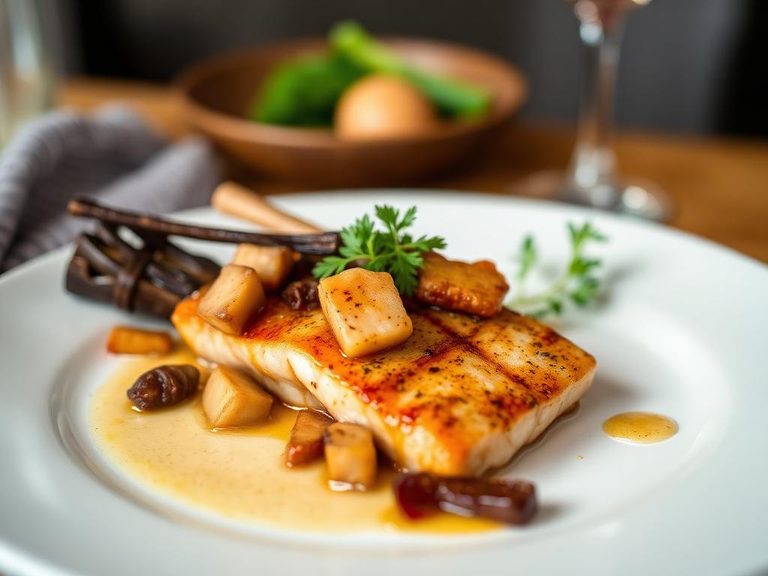
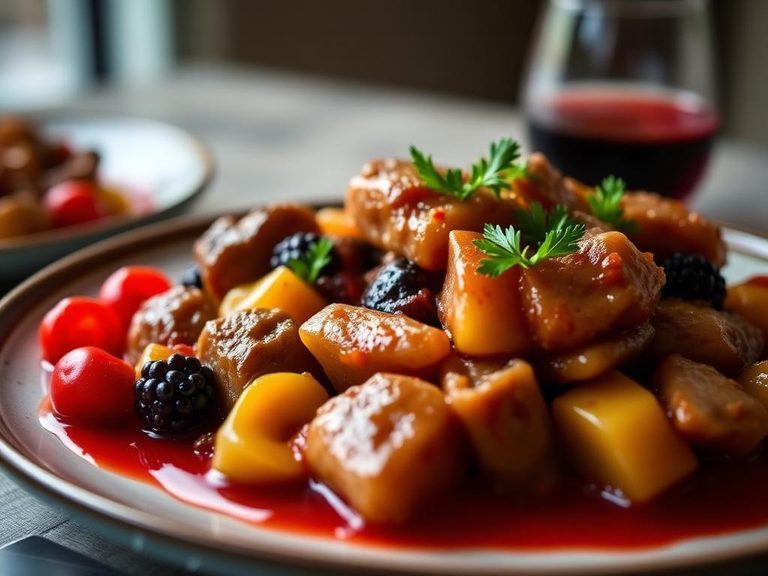
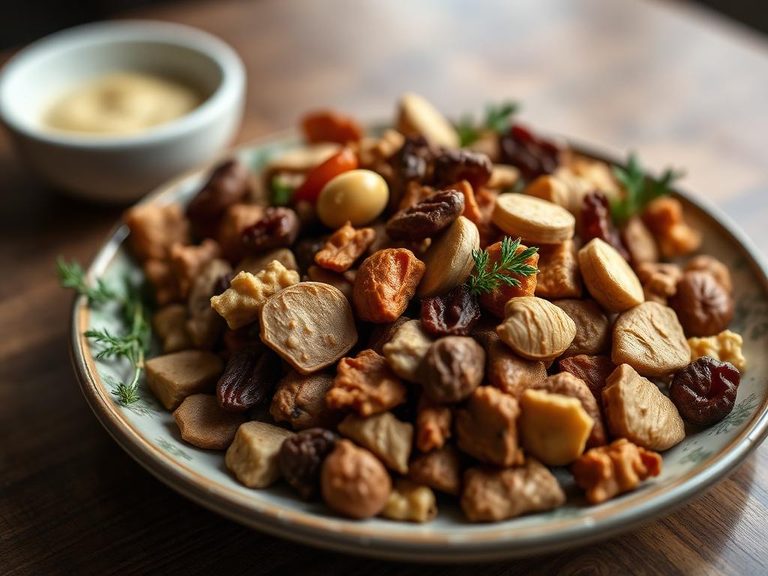
Sautéed forest game or fish is a rustic, pan-seared dish featuring lean meats like venison, wild boar, or freshwater fish such as trout, often cooked with wild mushrooms, herbs, and a splash of wine or stock. It originates from European forest regions, particularly Central and Eastern Europe, where foraging and hunting traditions are deeply rooted. The dish emphasizes simple, high-quality ingredients to highlight the natural flavors of the game or fish.
🍽️ Nutrition at a glance
This dish is typically high in protein and low in carbohydrates, making it a nutrient-dense option rich in iron, zinc, and omega-3 fatty acids (if using fish). A standard serving usually ranges from 300 to 400 calories, depending on the specific protein and added fats like butter or oil.
Nutrition breakdown
| Calories | 350 kcal |
| Protein | 35 g |
| Carbs | 8 g |
| Fat | 18 g |
| Fiber | 3 g |
| Sugar | 2 g |
| Sodium | 450 mg |
| Iron | 4.5 mg |
| Zinc | 6 mg |
| Potassium | 420 mg |
| Vitamin B12 | 2.8 mcg |
| Niacin (B3) | 8 mg |
| Phosphorus | 280 mg |
| Selenium | 22 mcg |
| Omega-3 fatty acids | 0.5 g |
Per 1 serving (150 g of cooked game or fish with 100 g of sautéed mushrooms and herbs) · estimated, varies by recipe
💡 What's interesting
Culturally, it reflects a connection to seasonal foraging and sustainable hunting practices, often associated with autumn or winter feasts. Nutritionally, wild game provides a leaner, more nutrient-rich alternative to farmed meats, with higher levels of conjugated linoleic acid (CLA) and antioxidants from wild plants.