

Oil, teaseed
Whole food · Fats and Oils

Photo: Wikipedia
Teaseed oil, also known as tea seed oil or camellia oil, is a golden-hued, light-bodied oil pressed from the seeds of the Camellia oleifera plant. It has a clean, subtly nutty, and slightly floral aroma with a smooth, non-greasy mouthfeel. Nutritionally, it is a pure fat source, providing 884 kcal per 100g and is prized for its high content of heart-healthy monounsaturated fats.
Calorie split: 0% protein · 0% carbs · 100% fat
↓ Full nutrition💚 Why it's loved
People love it for its delicate, clean flavor that enhances ingredients without overpowering them, and its remarkable versatility for everything from stir-frying to salad dressings. It holds a special place in Chinese and Japanese culinary traditions as a premium, everyday cooking oil.
⚠️ Watch-outs & how to enjoy it better
As a pure fat, it is extremely calorie-dense, and overconsumption can contribute to a caloric surplus. Those monitoring fat intake should practice strict portion control, using measured teaspoons for cooking or drizzling. Its mild flavor can be lost in very strong, spicy dishes.
Key benefits
- Rich in monounsaturated fats (oleic acid), similar to olive oil.
- Contains natural antioxidants like polyphenols and Vitamin E.
- High smoke point makes it stable for high-heat cooking.
- Traditional ingredient in East Asian cuisine for centuries.
🍽️ Popular dishes
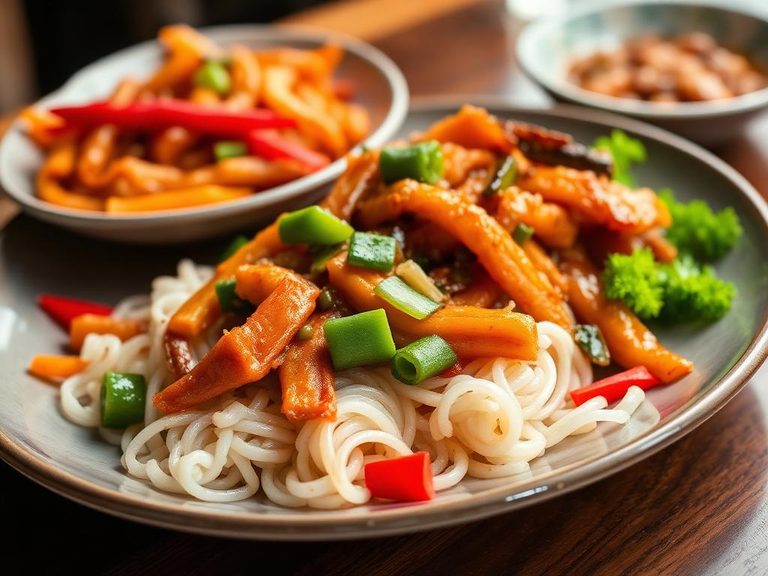
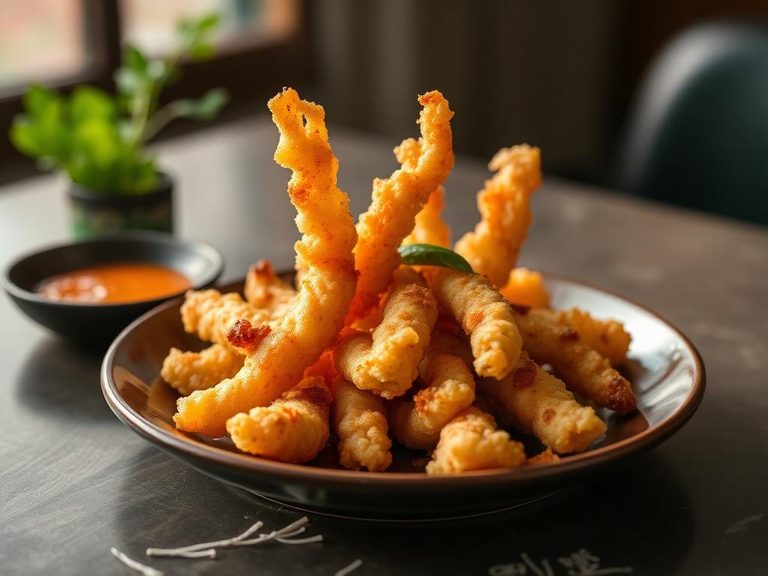
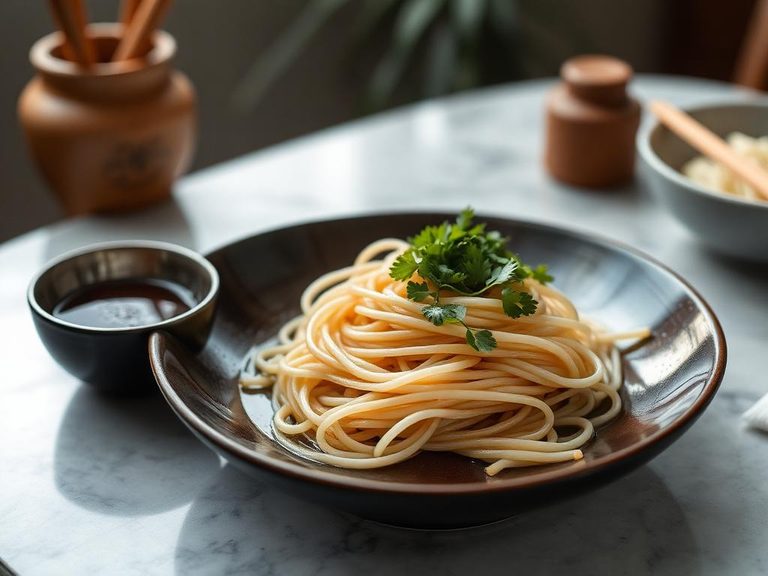
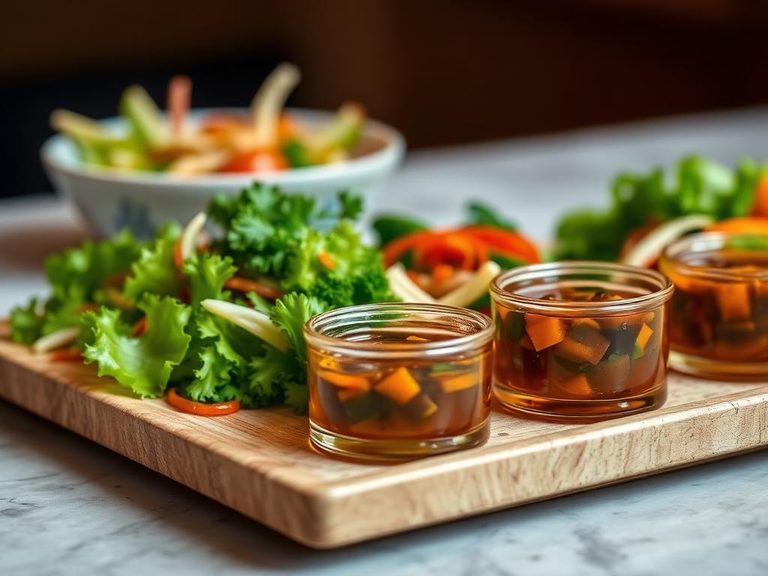
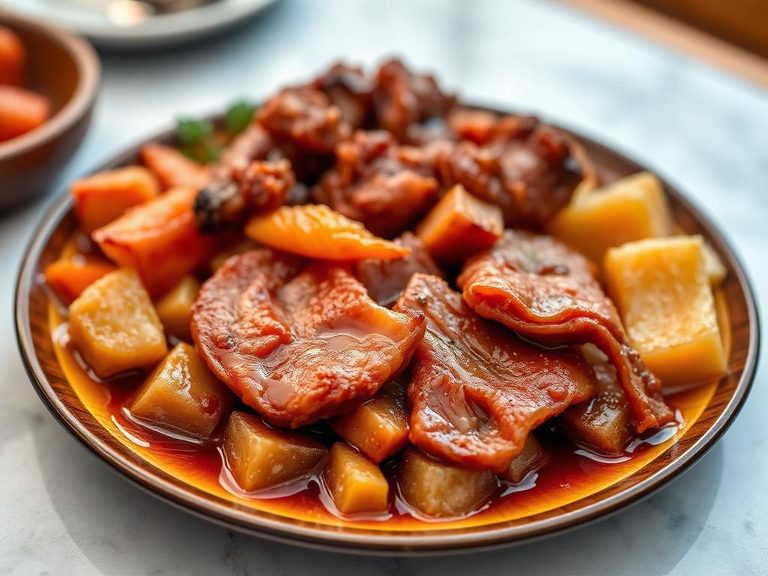
🌍 Where it's eaten
💡 Did you know?
Tea seed oil has been called 'the olive oil of the East' due to its similar fatty acid profile and historical use in traditional Chinese medicine for skin and heart health.
Full nutrition (USDA data · scales with serving)
| Water | 0.00 g |
| Energy | 884 kcal |
| Energy | 3699 kj |
| Protein | 0.00 g |
| Total lipid (fat) | 100 g |
| Ash | 0.00 g |
| Carbohydrate, by difference | 0.00 g |
| Fiber, total dietary | 0.00 g |
| Total Sugars | 0.00 g |
| Calcium, Ca | 0.00 mg |
| Iron, Fe | 0.00 mg |
| Magnesium, Mg | 0.00 mg |
| Phosphorus, P | 0.00 mg |
| Potassium, K | 0.00 mg |
| Sodium, Na | 0.00 mg |
| Zinc, Zn | 0.00 mg |
| Selenium, Se | 0.00 ug |
| Vitamin C, total ascorbic acid | 0.00 mg |
| Thiamin | 0.00 mg |
| Riboflavin | 0.00 mg |
| Niacin | 0.00 mg |
| Pantothenic acid | 0.00 mg |
| Vitamin B-6 | 0.00 mg |
| Folate, total | 0.00 ug |
| Folic acid | 0.00 ug |
| Folate, food | 0.00 ug |
| Folate, DFE | 0.00 ug |
| Vitamin B-12 | 0.00 ug |
| Vitamin A, RAE | 0.00 ug |
| Retinol | 0.00 ug |
| Carotene, beta | 0.00 ug |
| Carotene, alpha | 0.00 ug |
| Cryptoxanthin, beta | 0.00 ug |
| Vitamin A, IU | 0.00 iu |
| Lycopene | 0.00 ug |
| Lutein + zeaxanthin | 0.00 ug |
| Vitamin E (alpha-tocopherol) | 0.00 mg |
| Alcohol, ethyl | 0.00 g |
| Caffeine | 0.00 mg |
| Theobromine | 0.00 mg |
Fat & fatty acid profile (per 100g)
| Fatty acids, total saturated | 21.1 g |
| SFA 4:0 | 0.00 g |
| SFA 6:0 | 0.00 g |
| SFA 8:0 | 0.00 g |
| SFA 10:0 | 0.00 g |
| SFA 12:0 | 0.10 g |
| SFA 14:0 | 0.10 g |
| SFA 16:0 | 17.5 g |
| SFA 18:0 | 3.1 g |
| Fatty acids, total monounsaturated | 51.5 g |
| MUFA 16:1 | 0.50 g |
| MUFA 18:1 | 49.9 g |
| MUFA 20:1 | 1.0 g |
| MUFA 22:1 | 0.00 g |
| Fatty acids, total polyunsaturated | 23.0 g |
| PUFA 18:2 | 22.2 g |
| PUFA 18:3 | 0.70 g |
| PUFA 18:4 | 0.00 g |
| PUFA 20:4 | 0.00 g |
| PUFA 20:5 n-3 (EPA) | 0.00 g |
| PUFA 22:5 n-3 (DPA) | 0.00 g |
| PUFA 22:6 n-3 (DHA) | 0.00 g |
| Cholesterol | 0.00 mg |
| Phytosterols | 102 mg |
Amino acid profile (per 100g)
| Tryptophan | 0.00 g |
| Threonine | 0.00 g |
| Isoleucine | 0.00 g |
| Leucine | 0.00 g |
| Lysine | 0.00 g |
| Methionine | 0.00 g |
| Cystine | 0.00 g |
| Phenylalanine | 0.00 g |
| Tyrosine | 0.00 g |
| Valine | 0.00 g |
| Arginine | 0.00 g |
| Histidine | 0.00 g |
| Alanine | 0.00 g |
| Aspartic acid | 0.00 g |
| Glutamic acid | 0.00 g |
| Glycine | 0.00 g |
| Proline | 0.00 g |
| Serine | 0.00 g |
FAQ
How does teaseed oil differ from olive oil?
Both are high in monounsaturated fats, but teaseed oil has a lighter, nuttier flavor and a higher smoke point, making it slightly more versatile for high-heat Asian cooking methods like wok frying.
Is teaseed oil the same as tea tree oil?
No, they are completely different. Tea tree oil is an essential oil from the Melaleuca plant used topically and is not for consumption. Teaseed oil is a culinary oil from the Camellia plant.
What's the best way to store it?
Store it in a cool, dark place like a pantry. For long-term storage, refrigeration can help preserve its delicate flavor and prevent oxidation, especially in warm climates.
Nutrient density (calculated · NRF9.3)
Nutrient Rich Foods index: beneficial nutrients (protein, fiber, vitamins, minerals) minus saturated fat, added sugar & sodium, per 100 kcal.
NRF9.3 index — Fulgoni, Keast & Drewnowski, 2009. Computed from USDA nutrients.
Weight-loss friendliness (composite index)
Energy density 8.84 kcal/g · 0% calories from protein · 0.0 g fiber · 0.0 g sugar per 100 g.
Composite of energy density (Rolls et al., 1999), protein & fiber satiety, minus sugar. A calculated heuristic — ranks satiety-per-calorie, not a clinical measure.
Dietary load (calculated from USDA values)
Potential renal acid load. Positive = acid-forming, negative = alkaline-forming.
Sodium:potassium per WHO potassium guidance. Computed from USDA nutrients.