

Tea Oil Noodles
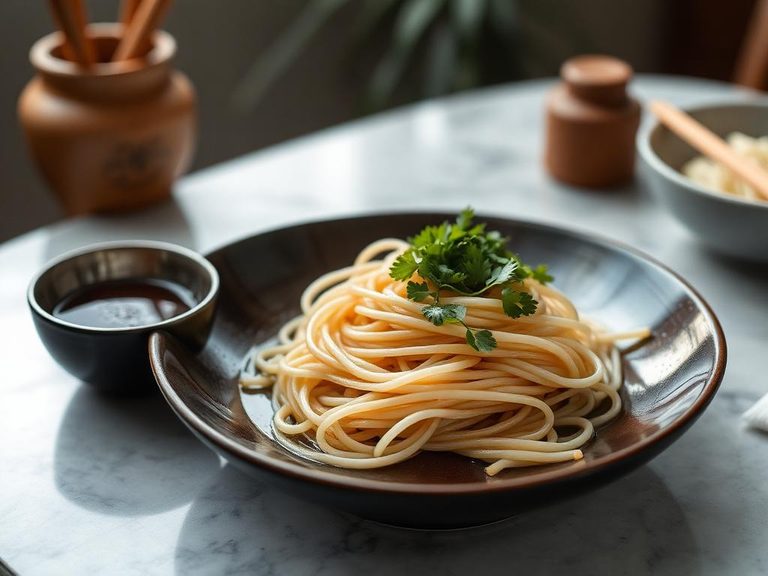
Tea Oil Noodles (茶油拌面) is a simple yet flavorful dish originating from regions in southern China, particularly Fujian and Jiangxi provinces. It consists of freshly cooked wheat noodles tossed in a fragrant blend of camellia oil (tea oil), light soy sauce, and often garnished with scallions or garlic. The dish is celebrated for its clean, nutty aroma and is a common comfort food or quick meal.
🍽️ Nutrition at a glance
This dish is primarily a source of carbohydrates from the noodles, with a moderate amount of healthy fats from the tea oil. It provides a good energy base and some B vitamins from the wheat, with a typical serving containing roughly 400-500 calories.
Nutrition breakdown
| Calories | 450 kcal |
| Protein | 10 g |
| Carbs | 65 g |
| Fat | 18 g |
| Fiber | 3 g |
| Sugar | 2 g |
| Sodium | 600 mg |
| Manganese | 1.5 mg |
| Selenium | 22 mcg |
| Thiamin (B1) | 0.3 mg |
| Niacin (B3) | 4 mg |
| Iron | 3 mg |
| Magnesium | 30 mg |
| Phosphorus | 100 mg |
| Vitamin E | 2 mg |
Per 1 serving (about 200g cooked noodles with 15ml oil and seasonings) · estimated, varies by recipe
💡 What's interesting
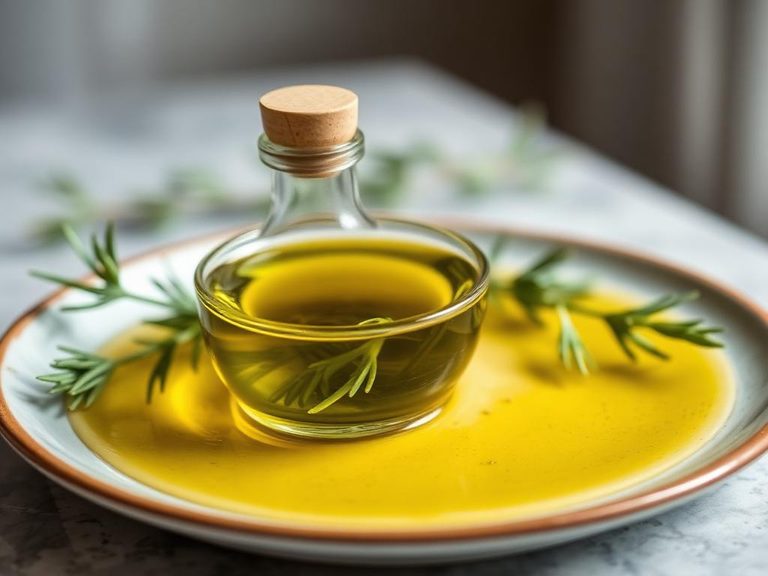
Camellia oil, the star ingredient, is a prized, high-smoke-point oil rich in oleic acid (similar to olive oil) and is considered a healthy, traditional cooking fat in Chinese cuisine. The dish's simplicity highlights the quality of the oil and the texture of the noodles.
🍽️ Related dishes


AI estimate may be inaccurate · Terms