

Oil, rice bran
Whole food · Fats and Oils

Photo: Wikipedia
Rice bran oil is the golden, nutty-flavored oil extracted from the hard outer layer of brown rice. It has a high smoke point and a clean, slightly sweet taste with a hint of nuttiness. Nutritionally, it's a pure fat source, celebrated for its balanced fatty acid profile and rich content of antioxidants like oryzanol.
Calorie split: 0% protein · 0% carbs · 100% fat
↓ Full nutrition💚 Why it's loved
Chefs and home cooks love it for its high smoke point, which makes it ideal for stir-frying and deep-frying without burning. Its mild, clean taste allows the flavors of the main ingredients to shine through.
⚠️ Watch-outs & how to enjoy it better
As a pure fat, it is very calorie-dense (884 kcal per 100g), so overuse can contribute to excess calorie intake. Those monitoring fat intake or managing certain health conditions should use it sparingly. Tip: Measure oil with a teaspoon instead of pouring freely, and use non-stick pans or cooking sprays to reduce the amount needed.
Key benefits
- High in heart-healthy monounsaturated and polyunsaturated fats.
- Contains natural antioxidants like gamma-oryzanol and vitamin E.
- High smoke point makes it stable for high-heat cooking.
- Neutral flavor profile doesn't overpower other ingredients.
🍽️ Popular dishes
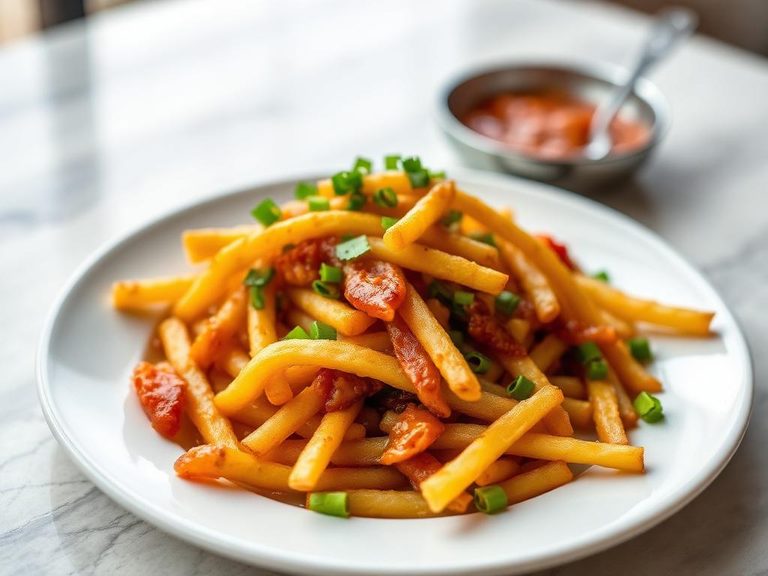
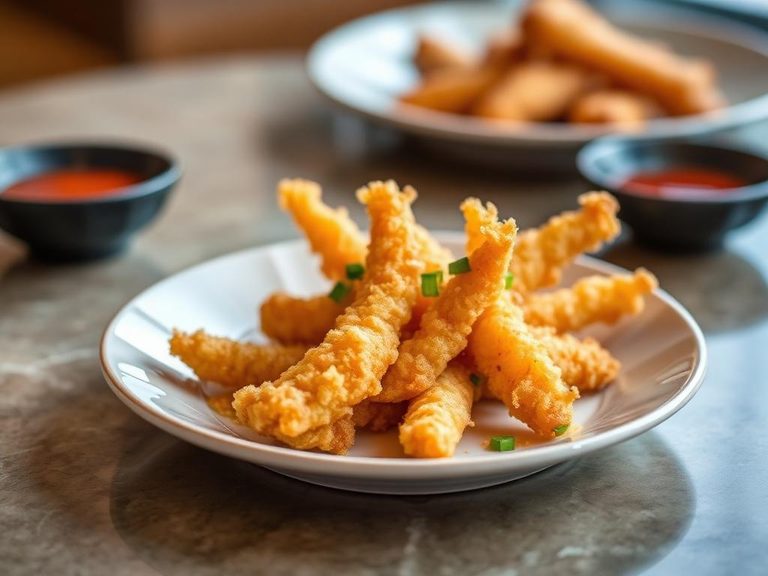
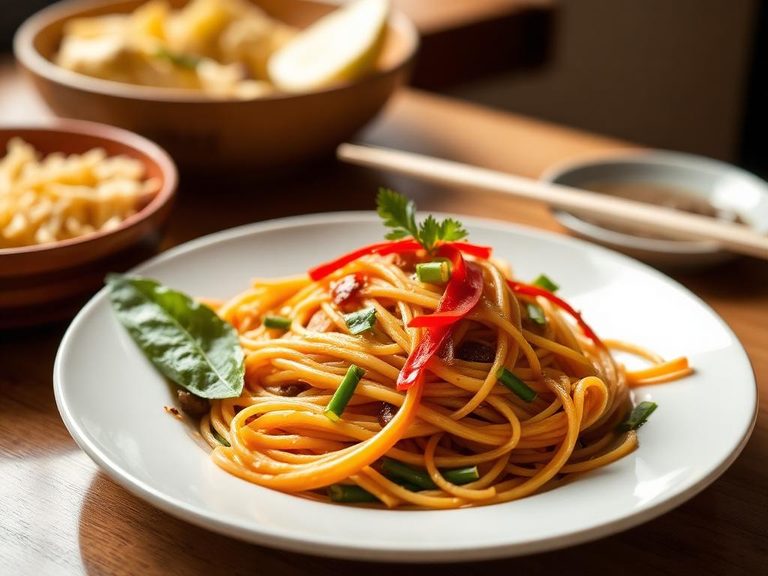
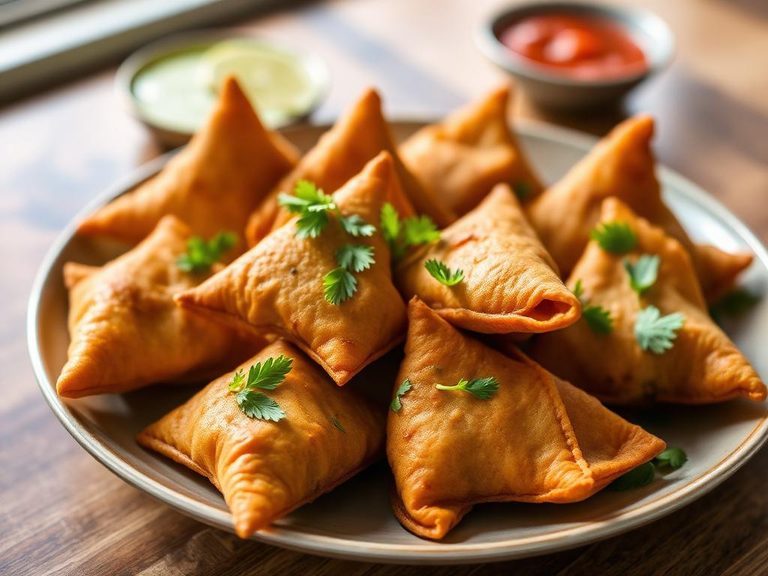

🌍 Where it's eaten
💡 Did you know?
Rice bran oil is the primary cooking oil in Japan, where it's known as 'nuka-abura' and is prized for making tempura exceptionally crisp.
Full nutrition (USDA data · scales with serving)
| Water | 0.00 g |
| Energy | 884 kcal |
| Energy | 3699 kj |
| Protein | 0.00 g |
| Total lipid (fat) | 100 g |
| Ash | 0.00 g |
| Carbohydrate, by difference | 0.00 g |
| Fiber, total dietary | 0.00 g |
| Total Sugars | 0.00 g |
| Calcium, Ca | 0.00 mg |
| Iron, Fe | 0.07 mg |
| Magnesium, Mg | 0.00 mg |
| Phosphorus, P | 0.00 mg |
| Potassium, K | 0.00 mg |
| Sodium, Na | 0.00 mg |
| Zinc, Zn | 0.00 mg |
| Selenium, Se | 0.00 ug |
| Vitamin C, total ascorbic acid | 0.00 mg |
| Thiamin | 0.00 mg |
| Riboflavin | 0.00 mg |
| Niacin | 0.00 mg |
| Pantothenic acid | 0.00 mg |
| Vitamin B-6 | 0.00 mg |
| Folate, total | 0.00 ug |
| Folic acid | 0.00 ug |
| Folate, food | 0.00 ug |
| Folate, DFE | 0.00 ug |
| Vitamin B-12 | 0.00 ug |
| Vitamin A, RAE | 0.00 ug |
| Retinol | 0.00 ug |
| Carotene, beta | 0.00 ug |
| Carotene, alpha | 0.00 ug |
| Cryptoxanthin, beta | 0.00 ug |
| Vitamin A, IU | 0.00 iu |
| Lycopene | 0.00 ug |
| Lutein + zeaxanthin | 0.00 ug |
| Vitamin E (alpha-tocopherol) | 32.3 mg |
| Vitamin K (phylloquinone) | 24.7 ug |
| Alcohol, ethyl | 0.00 g |
| Caffeine | 0.00 mg |
| Theobromine | 0.00 mg |
Fat & fatty acid profile (per 100g)
| Fatty acids, total saturated | 19.7 g |
| SFA 4:0 | 0.00 g |
| SFA 6:0 | 0.00 g |
| SFA 8:0 | 0.00 g |
| SFA 10:0 | 0.00 g |
| SFA 12:0 | 0.00 g |
| SFA 14:0 | 0.70 g |
| SFA 16:0 | 16.9 g |
| SFA 18:0 | 1.6 g |
| Fatty acids, total monounsaturated | 39.3 g |
| MUFA 16:1 | 0.20 g |
| MUFA 18:1 | 39.1 g |
| MUFA 20:1 | 0.00 g |
| MUFA 22:1 | 0.00 g |
| Fatty acids, total polyunsaturated | 35.0 g |
| PUFA 18:2 | 33.4 g |
| PUFA 18:3 | 1.6 g |
| PUFA 18:4 | 0.00 g |
| PUFA 20:4 | 0.00 g |
| PUFA 20:5 n-3 (EPA) | 0.00 g |
| PUFA 22:5 n-3 (DPA) | 0.00 g |
| PUFA 22:6 n-3 (DHA) | 0.00 g |
| Cholesterol | 0.00 mg |
| Phytosterols | 1190 mg |
Amino acid profile (per 100g)
| Tryptophan | 0.00 g |
| Threonine | 0.00 g |
| Isoleucine | 0.00 g |
| Leucine | 0.00 g |
| Lysine | 0.00 g |
| Methionine | 0.00 g |
| Cystine | 0.00 g |
| Phenylalanine | 0.00 g |
| Tyrosine | 0.00 g |
| Valine | 0.00 g |
| Arginine | 0.00 g |
| Histidine | 0.00 g |
| Alanine | 0.00 g |
| Aspartic acid | 0.00 g |
| Glutamic acid | 0.00 g |
| Glycine | 0.00 g |
| Proline | 0.00 g |
| Serine | 0.00 g |
FAQ
What is rice bran oil's smoke point?
It has a high smoke point of around 232°C (450°F), making it excellent for high-heat cooking methods like stir-frying and deep-frying.
Is rice bran oil healthy?
It's considered a healthy oil due to its favorable fat profile (high in monounsaturated fats) and natural antioxidants like oryzanol, which may support heart health.
How does it taste compared to other oils?
It has a mild, slightly nutty and sweet flavor that is less pronounced than olive or sesame oil, making it very versatile for various cuisines.
Nutrient density (calculated · NRF9.3)
Nutrient Rich Foods index: beneficial nutrients (protein, fiber, vitamins, minerals) minus saturated fat, added sugar & sodium, per 100 kcal.
NRF9.3 index — Fulgoni, Keast & Drewnowski, 2009. Computed from USDA nutrients.
Weight-loss friendliness (composite index)
Energy density 8.84 kcal/g · 0% calories from protein · 0.0 g fiber · 0.0 g sugar per 100 g.
Composite of energy density (Rolls et al., 1999), protein & fiber satiety, minus sugar. A calculated heuristic — ranks satiety-per-calorie, not a clinical measure.
Dietary load (calculated from USDA values)
Potential renal acid load. Positive = acid-forming, negative = alkaline-forming.
Sodium:potassium per WHO potassium guidance. Computed from USDA nutrients.