

Milk, malted, dry mix, not reconstituted
Common food

Photo: Wikipedia
This is a concentrated, powdered blend of malted barley, wheat flour, and milk solids, designed to be mixed with water or milk. It has a distinctively sweet, toasty, and malty flavor with a fine, sandy texture that dissolves into a creamy, opaque beverage. Nutritionally, it's a dense source of quick energy, providing nearly 372 calories and 73g of sugar per 100g, with no significant protein, fat, or fiber.
Calorie split: 0% protein · 100% carbs · 0% fat
↓ Full nutrition💚 Why it's loved
People cherish it for its nostalgic, comforting taste that evokes childhood and simpler times. Its versatility allows it to be enjoyed as a warm, soothing drink or used as a secret ingredient to add depth to cookies, cakes, and milkshakes.
⚠️ Watch-outs & how to enjoy it better
The extremely high sugar content (over 72g per 100g) can lead to rapid blood sugar spikes and is a concern for diabetics or those monitoring sugar intake. To counteract this, always mix it with unsweetened milk or water, be mindful of portion size, and avoid adding extra sugar. It also contains wheat and milk, making it unsuitable for those with gluten or dairy allergies.
Key benefits
- Provides a quick, concentrated source of carbohydrates for energy.
- Offers a distinctive, comforting malty-sweet flavor profile.
- Shelf-stable and convenient for long-term pantry storage.
- Can be used as a flavor enhancer in baking and desserts.
🍽️ Popular dishes
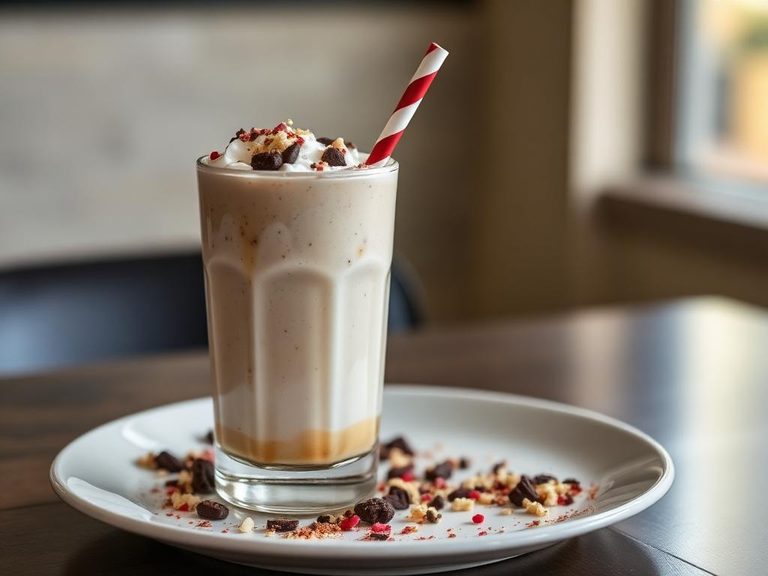

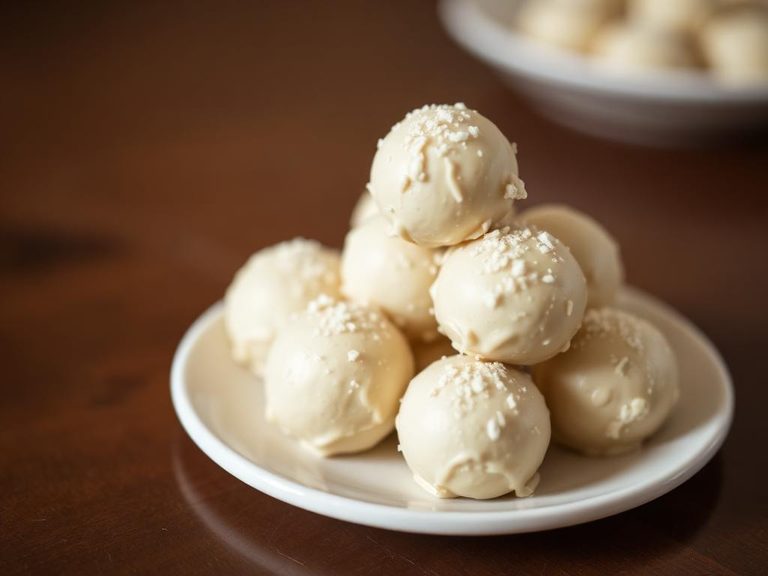
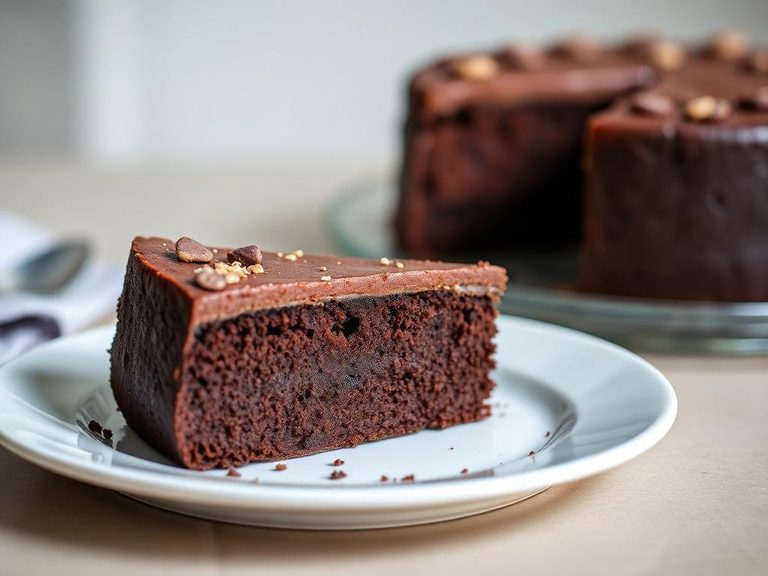
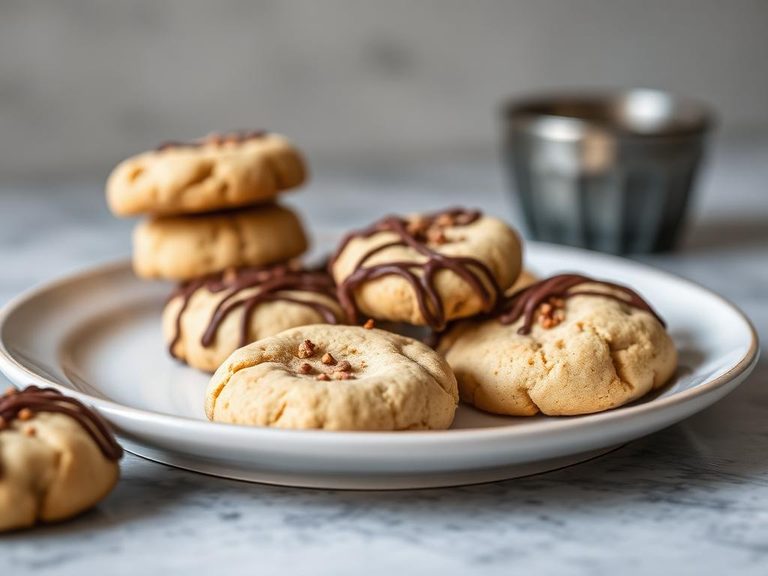

🌍 Where it's eaten
💡 Did you know?
The original 'malted milk' was invented in the 1870s by American Horlick's as a nutritional supplement for infants and invalids, not as a sweet beverage treat.
Full nutrition (USDA data · scales with serving)
| Water | 1.3 g |
| Energy | 372 kcal |
| Protein | 0.00 g |
| Total lipid (fat) | 0.00 g |
| Carbohydrate, by difference | 93.0 g |
| Fiber, total dietary | 0.00 g |
| Total Sugars | 72.7 g |
| Calcium, Ca | 909 mg |
| Iron, Fe | 16.4 mg |
| Magnesium, Mg | 218 mg |
| Phosphorus, P | 0.00 mg |
| Potassium, K | 0.00 mg |
| Sodium, Na | 530 mg |
| Zinc, Zn | 13.6 mg |
| Copper, Cu | 1.8 mg |
| Selenium, Se | 0.00 ug |
| Vitamin C, total ascorbic acid | 54.5 mg |
| Thiamin | 1.4 mg |
| Riboflavin | 0.00 mg |
| Niacin | 18.2 mg |
| Vitamin B-6 | 1.8 mg |
| Folate, total | 0.00 ug |
| Folic acid | 0.00 ug |
| Folate, food | 0.00 ug |
| Folate, DFE | 0.00 ug |
| Choline, total | 0.00 mg |
| Vitamin B-12 | 0.00 ug |
| Vitamin B-12, added | 0.00 ug |
| Vitamin A, RAE | 1365 ug |
| Retinol | 1365 ug |
| Carotene, beta | 0.00 ug |
| Carotene, alpha | 0.00 ug |
| Cryptoxanthin, beta | 0.00 ug |
| Lycopene | 0.00 ug |
| Lutein + zeaxanthin | 0.00 ug |
| Vitamin E (alpha-tocopherol) | 12.3 mg |
| Vitamin E, added | 12.3 mg |
| Vitamin D (D2 + D3) | 9.1 ug |
| Vitamin K (phylloquinone) | 0.00 ug |
| Alcohol, ethyl | 0.00 g |
| Caffeine | 0.00 mg |
| Theobromine | 0.00 mg |
Fat & fatty acid profile (per 100g)
| Fatty acids, total saturated | 0.00 g |
| SFA 4:0 | 0.00 g |
| SFA 6:0 | 0.00 g |
| SFA 8:0 | 0.00 g |
| SFA 10:0 | 0.00 g |
| SFA 12:0 | 0.00 g |
| SFA 14:0 | 0.00 g |
| SFA 16:0 | 0.00 g |
| SFA 18:0 | 0.00 g |
| Fatty acids, total monounsaturated | 0.00 g |
| MUFA 16:1 | 0.00 g |
| MUFA 18:1 | 0.00 g |
| MUFA 20:1 | 0.00 g |
| MUFA 22:1 | 0.00 g |
| Fatty acids, total polyunsaturated | 0.00 g |
| PUFA 18:2 | 0.00 g |
| PUFA 18:3 | 0.00 g |
| PUFA 18:4 | 0.00 g |
| PUFA 20:4 | 0.00 g |
| PUFA 20:5 n-3 (EPA) | 0.00 g |
| PUFA 22:5 n-3 (DPA) | 0.00 g |
| PUFA 22:6 n-3 (DHA) | 0.00 g |
| Cholesterol | 0.00 mg |
Amino acid profile (per 100g)
Estimated from Potatoes, mashed, prepared from granules, without milk, whole milk and margarine — USDA does not publish this profile for Milk.
| Tryptophan | 0.02 g |
| Threonine | 0.09 g |
| Isoleucine | 0.11 g |
| Leucine | 0.17 g |
| Lysine | 0.15 g |
| Methionine | 0.04 g |
| Cystine | 0.02 g |
| Phenylalanine | 0.10 g |
| Tyrosine | 0.09 g |
| Valine | 0.13 g |
| Arginine | 0.08 g |
| Histidine | 0.05 g |
| Alanine | 0.07 g |
| Aspartic acid | 0.25 g |
| Glutamic acid | 0.39 g |
| Glycine | 0.05 g |
| Proline | 0.15 g |
| Serine | 0.10 g |
FAQ
Is malted milk powder the same as protein powder?
No. Malted milk powder is primarily a carbohydrate and sugar source for flavor, with negligible protein. Protein powders are specifically formulated to be high in protein for muscle building and recovery.
Can I use it in baking?
Yes, it's a fantastic flavor enhancer. Add a tablespoon or two to cookie dough, cake batter, or brownie mix to impart a rich, malty depth that complements chocolate and vanilla.
What's the difference between malted milk powder and Horlicks/Ovaltine?
Malted milk powder is the base ingredient. Brands like Horlicks and Ovaltine are commercial mixes that include malted milk powder along with added sugar, cocoa, vitamins, and minerals.
Nutrient density (calculated · NRF9.3)
Nutrient Rich Foods index: beneficial nutrients (protein, fiber, vitamins, minerals) minus saturated fat, added sugar & sodium, per 100 kcal.
NRF9.3 index — Fulgoni, Keast & Drewnowski, 2009. Computed from USDA nutrients.
Weight-loss friendliness (composite index)
Energy density 3.72 kcal/g · 0% calories from protein · 0.0 g fiber · 72.7 g sugar per 100 g.
Composite of energy density (Rolls et al., 1999), protein & fiber satiety, minus sugar. A calculated heuristic — ranks satiety-per-calorie, not a clinical measure.
Dietary load (calculated from USDA values)
Potential renal acid load. Positive = acid-forming, negative = alkaline-forming.
Sodium:potassium per WHO potassium guidance. Computed from USDA nutrients.