

Milk, dry, reconstituted, whole
Common food

Photo: Wikipedia
Reconstituted whole milk powder is the creamy, shelf-stable revival of fresh milk, created by simply blending the dry powder with water. It delivers a rich, familiar dairy taste and smooth texture, making it a reliable staple when fresh milk isn't an option. Nutritionally, it provides a balanced mix of protein, fats, and carbohydrates, mirroring the profile of its fresh counterpart.
Calorie split: 21% protein · 31% carbs · 48% fat
↓ Full nutrition💚 Why it's loved
People love it for its comforting, classic dairy flavor and the unmatched convenience of having 'fresh' milk on hand anytime. It's a nostalgic ingredient for many, evoking memories of homemade hot cocoa, creamy oatmeal, and baking projects.
⚠️ Watch-outs & how to enjoy it better
The reconstitution process can sometimes yield a slightly less fresh taste or a subtle powdery texture compared to fresh milk. Those monitoring blood sugar should be mindful as it contains naturally occurring lactose (sugar), and individuals with dairy allergies or lactose intolerance must avoid it. To counteract potential blood sugar spikes, pair it with fiber-rich foods like oats or whole-grain toast.
Key benefits
- Excellent source of calcium and vitamin D for bone health
- Provides complete protein for muscle maintenance
- Long shelf life reduces food waste
- Convenient for travel, camping, or emergency preparedness
- Versatile base for both sweet and savory cooking
🍽️ Popular dishes

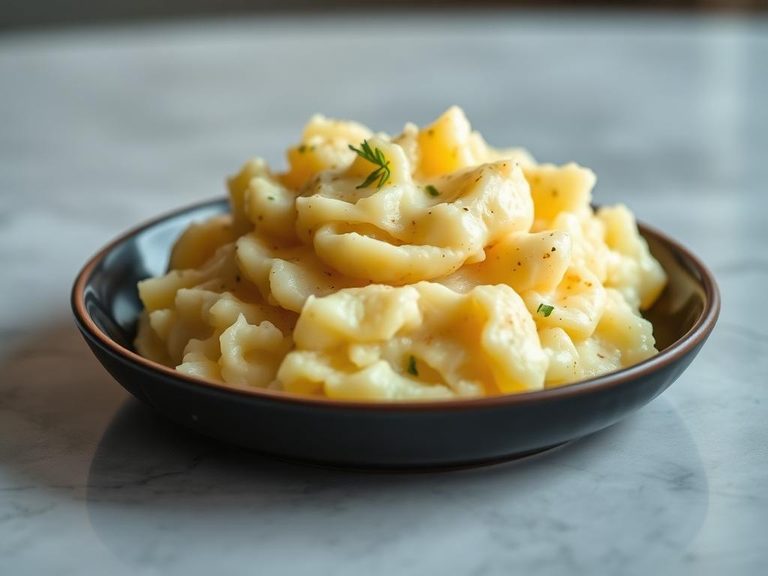
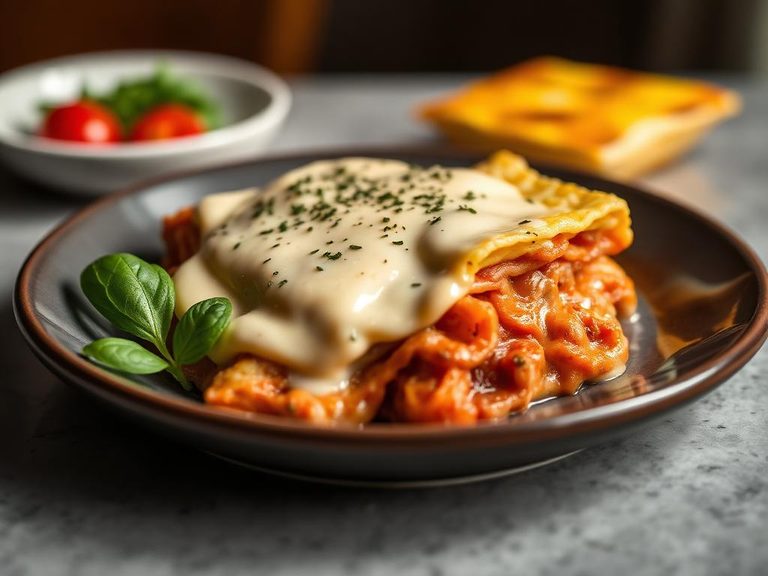
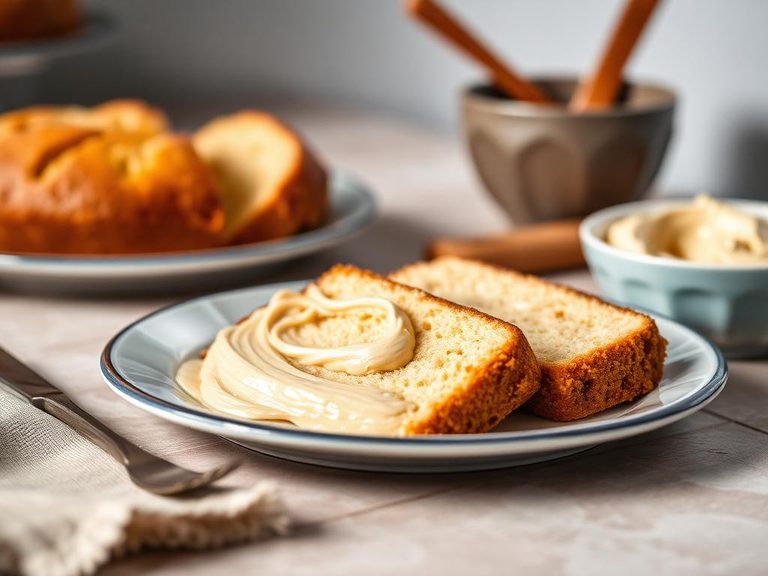
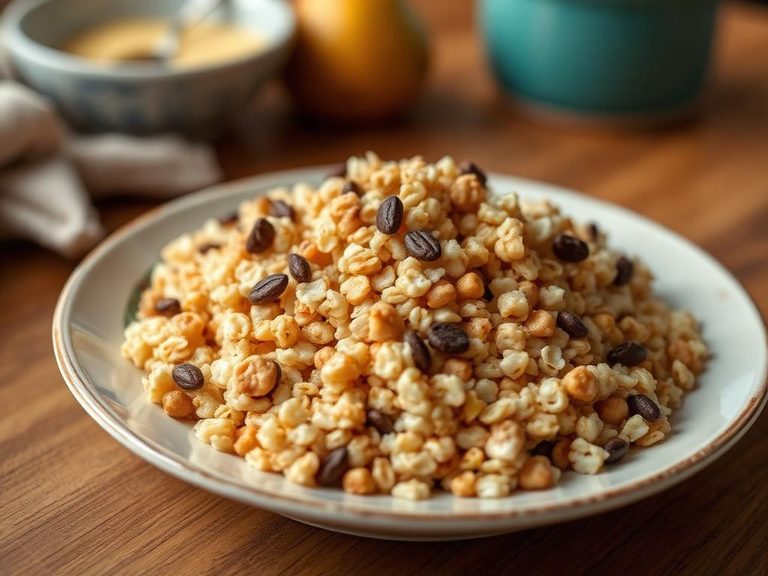

🌍 Where it's eaten
💡 Did you know?
The process of making milk powder was first patented in 1832, but it became a global staple during World War II, where it was a crucial, non-perishable source of nutrition for soldiers and civilians alike.
Full nutrition (USDA data · scales with serving)
| Water | 85.0 g |
| Energy | 76.0 kcal |
| Protein | 4.0 g |
| Total lipid (fat) | 4.1 g |
| Carbohydrate, by difference | 5.9 g |
| Fiber, total dietary | 0.00 g |
| Total Sugars | 5.9 g |
| Calcium, Ca | 142 mg |
| Iron, Fe | 0.07 mg |
| Magnesium, Mg | 14.0 mg |
| Phosphorus, P | 118 mg |
| Potassium, K | 203 mg |
| Sodium, Na | 60.0 mg |
| Zinc, Zn | 0.52 mg |
| Copper, Cu | 0.02 mg |
| Selenium, Se | 2.5 ug |
| Vitamin C, total ascorbic acid | 1.3 mg |
| Thiamin | 0.04 mg |
| Riboflavin | 0.18 mg |
| Niacin | 0.10 mg |
| Vitamin B-6 | 0.05 mg |
| Folate, total | 6.0 ug |
| Folic acid | 0.00 ug |
| Folate, food | 6.0 ug |
| Folate, DFE | 6.0 ug |
| Choline, total | 18.2 mg |
| Vitamin B-12 | 0.50 ug |
| Vitamin B-12, added | 0.00 ug |
| Vitamin A, RAE | 39.0 ug |
| Retinol | 39.0 ug |
| Carotene, beta | 8.0 ug |
| Carotene, alpha | 0.00 ug |
| Cryptoxanthin, beta | 0.00 ug |
| Lycopene | 0.00 ug |
| Lutein + zeaxanthin | 0.00 ug |
| Vitamin E (alpha-tocopherol) | 0.09 mg |
| Vitamin E, added | 0.00 mg |
| Vitamin D (D2 + D3) | 1.6 ug |
| Vitamin K (phylloquinone) | 0.30 ug |
| Alcohol, ethyl | 0.00 g |
| Caffeine | 0.00 mg |
| Theobromine | 0.00 mg |
Fat & fatty acid profile (per 100g)
| Fatty acids, total saturated | 2.6 g |
| SFA 4:0 | 0.13 g |
| SFA 6:0 | 0.04 g |
| SFA 8:0 | 0.04 g |
| SFA 10:0 | 0.09 g |
| SFA 12:0 | 0.09 g |
| SFA 14:0 | 0.43 g |
| SFA 16:0 | 1.1 g |
| SFA 18:0 | 0.43 g |
| Fatty acids, total monounsaturated | 1.2 g |
| MUFA 16:1 | 0.18 g |
| MUFA 18:1 | 0.94 g |
| MUFA 20:1 | 0.00 g |
| MUFA 22:1 | 0.00 g |
| Fatty acids, total polyunsaturated | 0.10 g |
| PUFA 18:2 | 0.07 g |
| PUFA 18:3 | 0.03 g |
| PUFA 18:4 | 0.00 g |
| PUFA 20:4 | 0.00 g |
| PUFA 20:5 n-3 (EPA) | 0.00 g |
| PUFA 22:5 n-3 (DPA) | 0.00 g |
| PUFA 22:6 n-3 (DHA) | 0.00 g |
| Cholesterol | 15.0 mg |
Amino acid profile (per 100g)
Estimated from Potatoes, mashed, prepared from granules, without milk, whole milk and margarine — USDA does not publish this profile for Milk.
| Tryptophan | 0.02 g |
| Threonine | 0.09 g |
| Isoleucine | 0.11 g |
| Leucine | 0.17 g |
| Lysine | 0.15 g |
| Methionine | 0.04 g |
| Cystine | 0.02 g |
| Phenylalanine | 0.10 g |
| Tyrosine | 0.09 g |
| Valine | 0.13 g |
| Arginine | 0.08 g |
| Histidine | 0.05 g |
| Alanine | 0.07 g |
| Aspartic acid | 0.25 g |
| Glutamic acid | 0.39 g |
| Glycine | 0.05 g |
| Proline | 0.15 g |
| Serine | 0.10 g |
FAQ
How do I reconstitute milk powder correctly?
The standard ratio is roughly 1 part milk powder to 4 parts water. For example, mix 1/4 cup (about 30g) of powder with 1 cup (240ml) of warm water, stirring or shaking until completely smooth.
Is reconstituted milk as nutritious as fresh milk?
Yes, when properly fortified. Most commercial milk powders have vitamins A and D added back after processing, making their nutritional profile virtually identical to fresh whole milk per serving.
Can I use it in all recipes that call for fresh milk?
Absolutely. It's a perfect 1:1 substitute in baking, sauces, and cooked dishes. For drinking or cold cereals, ensure it's fully dissolved and chilled for the best texture.
Nutrient density (calculated · NRF9.3)
Nutrient Rich Foods index: beneficial nutrients (protein, fiber, vitamins, minerals) minus saturated fat, added sugar & sodium, per 100 kcal.
NRF9.3 index — Fulgoni, Keast & Drewnowski, 2009. Computed from USDA nutrients.
Weight-loss friendliness (composite index)
Energy density 0.76 kcal/g · 21% calories from protein · 0.0 g fiber · 5.9 g sugar per 100 g.
Composite of energy density (Rolls et al., 1999), protein & fiber satiety, minus sugar. A calculated heuristic — ranks satiety-per-calorie, not a clinical measure.
Dietary load (calculated from USDA values)
Potential renal acid load. Positive = acid-forming, negative = alkaline-forming.
Sodium-to-potassium ratio: 0.30 (lower is better — aim for ≤ 1)
Sodium:potassium per WHO potassium guidance. Computed from USDA nutrients.