

Milk, dry, not reconstituted
Common food

Photo: Wikipedia
Milk powder is fresh milk with nearly all water removed, resulting in a fine, free-flowing powder that's intensely creamy and slightly sweet. It concentrates the natural lactose and protein of milk into a shelf-stable, versatile ingredient. Nutritionally, it's a powerhouse of protein and carbohydrates with virtually no fat.
Calorie split: 40% protein · 58% carbs · 2% fat
↓ Full nutrition💚 Why it's loved
People love it for its intense, sweet dairy flavor and incredible versatility—it instantly enriches smoothies, baked goods, and sauces without adding liquid. It's a staple in many cultures for making everything from candy to bread, offering pure milk taste in a convenient form.
⚠️ Watch-outs & how to enjoy it better
The high concentration of lactose (milk sugar) can cause digestive issues for lactose-intolerant individuals and may lead to rapid blood sugar spikes. It's also a common dairy allergen. To mitigate, pair it with a source of fat or protein (like nuts or whole grains) to slow sugar absorption, and use it in moderate portions within a balanced meal.
Key benefits
- Excellent source of high-quality protein (36g per 100g).
- Rich in calcium and phosphorus for bone health.
- Long shelf life without refrigeration.
- Convenient for baking, cooking, and emergency food storage.
- Provides a quick energy boost from natural milk sugars.
🍽️ Popular dishes
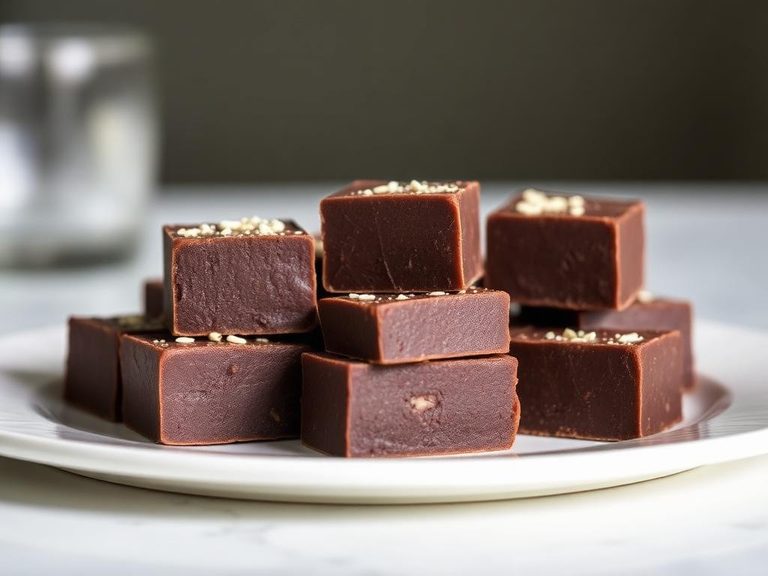
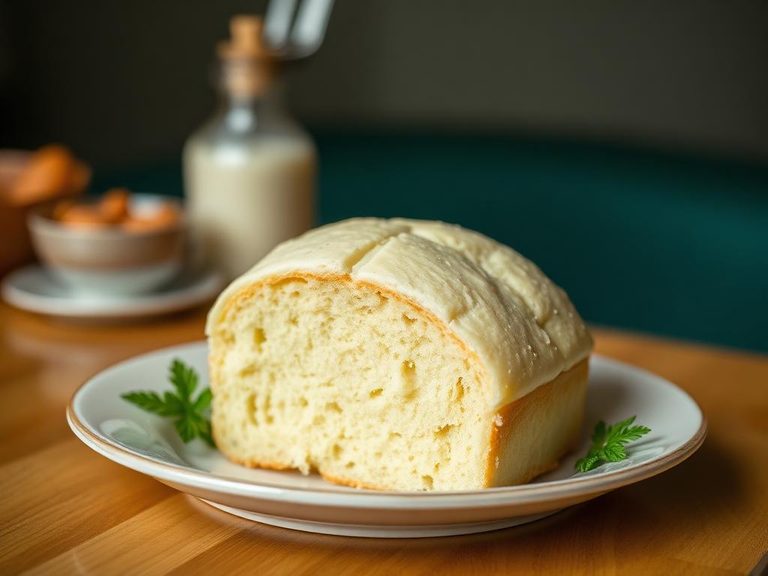
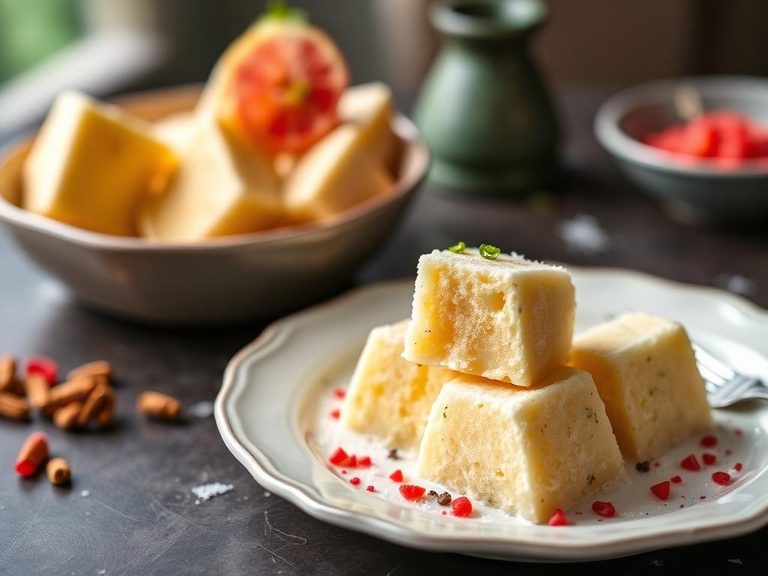
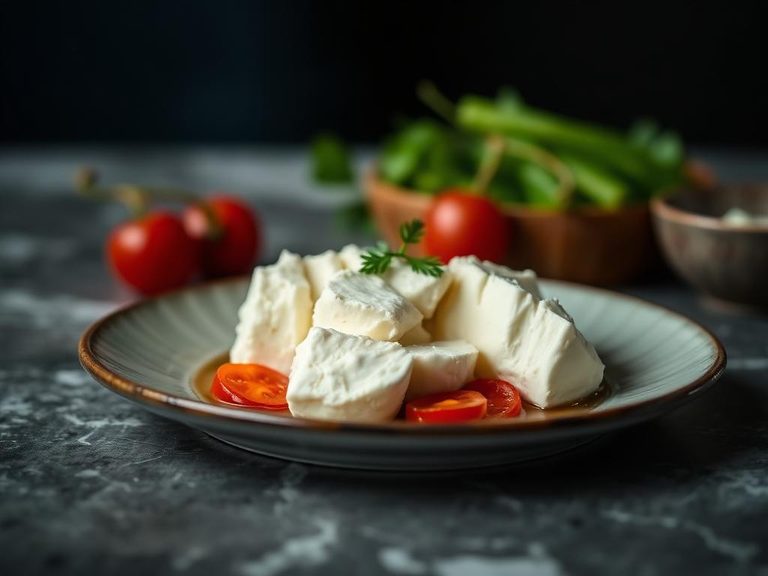

🌍 Where it's eaten
💡 Did you know?
The process of making powdered milk was perfected in the 19th century to preserve surplus milk for armies and long sea voyages, essentially inventing the first 'instant' dairy product.
Full nutrition (USDA data · scales with serving)
| Water | 3.2 g |
| Energy | 362 kcal |
| Protein | 36.2 g |
| Total lipid (fat) | 0.77 g |
| Carbohydrate, by difference | 52.0 g |
| Fiber, total dietary | 0.00 g |
| Total Sugars | 52.0 g |
| Calcium, Ca | 1257 mg |
| Iron, Fe | 0.32 mg |
| Magnesium, Mg | 110 mg |
| Phosphorus, P | 968 mg |
| Potassium, K | 1794 mg |
| Sodium, Na | 535 mg |
| Zinc, Zn | 4.1 mg |
| Copper, Cu | 0.04 mg |
| Selenium, Se | 27.3 ug |
| Vitamin C, total ascorbic acid | 6.8 mg |
| Thiamin | 0.41 mg |
| Riboflavin | 1.6 mg |
| Niacin | 0.95 mg |
| Vitamin B-6 | 0.36 mg |
| Folate, total | 50.0 ug |
| Folic acid | 0.00 ug |
| Folate, food | 50.0 ug |
| Folate, DFE | 50.0 ug |
| Choline, total | 169 mg |
| Vitamin B-12 | 4.0 ug |
| Vitamin B-12, added | 0.00 ug |
| Vitamin A, RAE | 653 ug |
| Retinol | 653 ug |
| Carotene, beta | 1.0 ug |
| Carotene, alpha | 0.00 ug |
| Cryptoxanthin, beta | 0.00 ug |
| Lycopene | 0.00 ug |
| Lutein + zeaxanthin | 0.00 ug |
| Vitamin E (alpha-tocopherol) | 0.00 mg |
| Vitamin E, added | 0.00 mg |
| Vitamin D (D2 + D3) | 11.0 ug |
| Vitamin K (phylloquinone) | 0.10 ug |
| Alcohol, ethyl | 0.00 g |
| Caffeine | 0.00 mg |
| Theobromine | 0.00 mg |
Fat & fatty acid profile (per 100g)
| Fatty acids, total saturated | 0.50 g |
| SFA 4:0 | 0.03 g |
| SFA 6:0 | 0.01 g |
| SFA 8:0 | 0.01 g |
| SFA 10:0 | 0.02 g |
| SFA 12:0 | 0.01 g |
| SFA 14:0 | 0.08 g |
| SFA 16:0 | 0.23 g |
| SFA 18:0 | 0.09 g |
| Fatty acids, total monounsaturated | 0.20 g |
| MUFA 16:1 | 0.02 g |
| MUFA 18:1 | 0.17 g |
| MUFA 20:1 | 0.00 g |
| MUFA 22:1 | 0.00 g |
| Fatty acids, total polyunsaturated | 0.03 g |
| PUFA 18:2 | 0.02 g |
| PUFA 18:3 | 0.01 g |
| PUFA 18:4 | 0.00 g |
| PUFA 20:4 | 0.00 g |
| PUFA 20:5 n-3 (EPA) | 0.00 g |
| PUFA 22:5 n-3 (DPA) | 0.00 g |
| PUFA 22:6 n-3 (DHA) | 0.00 g |
| Cholesterol | 20.0 mg |
Amino acid profile (per 100g)
Estimated from Potatoes, mashed, prepared from granules, without milk, whole milk and margarine — USDA does not publish this profile for Milk.
| Tryptophan | 0.02 g |
| Threonine | 0.09 g |
| Isoleucine | 0.11 g |
| Leucine | 0.17 g |
| Lysine | 0.15 g |
| Methionine | 0.04 g |
| Cystine | 0.02 g |
| Phenylalanine | 0.10 g |
| Tyrosine | 0.09 g |
| Valine | 0.13 g |
| Arginine | 0.08 g |
| Histidine | 0.05 g |
| Alanine | 0.07 g |
| Aspartic acid | 0.25 g |
| Glutamic acid | 0.39 g |
| Glycine | 0.05 g |
| Proline | 0.15 g |
| Serine | 0.10 g |
FAQ
How do I reconstitute milk powder?
The standard ratio is about 1 part powder to 4 parts water. For example, mix 1/4 cup (30g) powder with 1 cup (240ml) of cold or warm water and stir vigorously until completely dissolved.
Can I use it in place of fresh milk in recipes?
Yes, but you need to reconstitute it first. For baking, you can also add the dry powder directly to dry ingredients and increase the liquid in the recipe slightly. It adds a richer, creamier flavor than fresh milk.
What's the difference between whole milk powder and non-fat milk powder?
Whole milk powder retains the milk fat (about 26-28%), giving it a richer taste and creamier texture. Non-fat (skim) milk powder has had the fat removed, making it lower in calories but also less flavorful and harder to dissolve.
Nutrient density (calculated · NRF9.3)
Nutrient Rich Foods index: beneficial nutrients (protein, fiber, vitamins, minerals) minus saturated fat, added sugar & sodium, per 100 kcal.
NRF9.3 index — Fulgoni, Keast & Drewnowski, 2009. Computed from USDA nutrients.
Weight-loss friendliness (composite index)
Energy density 3.62 kcal/g · 40% calories from protein · 0.0 g fiber · 52.0 g sugar per 100 g.
Composite of energy density (Rolls et al., 1999), protein & fiber satiety, minus sugar. A calculated heuristic — ranks satiety-per-calorie, not a clinical measure.
Dietary load (calculated from USDA values)
Potential renal acid load. Positive = acid-forming, negative = alkaline-forming.
Sodium-to-potassium ratio: 0.30 (lower is better — aim for ≤ 1)
Sodium:potassium per WHO potassium guidance. Computed from USDA nutrients.