

Chocolate beverage powder, dry mix, not reconstituted
Common food

Photo: Wikipedia
A finely milled, sweetened powder designed to dissolve into a rich, comforting hot or cold chocolate drink. It delivers an intensely sweet, cocoa-forward flavor with a smooth, milky mouthfeel when prepared. Nutritionally, it is a concentrated source of quick energy, primarily from its very high sugar content.
Calorie split: 5% protein · 90% carbs · 5% fat
↓ Full nutrition💚 Why it's loved
People adore it for its instant gratification and nostalgic, comforting sweetness that evokes childhood memories. It's a beloved staple for its sheer convenience, transforming a mug of hot water or milk into a cozy, chocolatey treat in seconds.
⚠️ Watch-outs & how to enjoy it better
The extremely high sugar content (over 80g per 100g) can lead to rapid blood sugar spikes and crashes, making it unsuitable for those managing diabetes or seeking sustained energy. To counteract this, use a measured scoop, pair it with a source of protein or fat (like milk or nuts), or opt for a smaller portion mixed into a larger volume of liquid.
Key benefits
- Provides a quick source of energy from carbohydrates
- Convenient and shelf-stable for instant preparation
- Offers a consistent, familiar chocolate flavor
- Can be a comforting treat or morale booster
- Versatile base for both hot and cold beverages
🍽️ Popular dishes

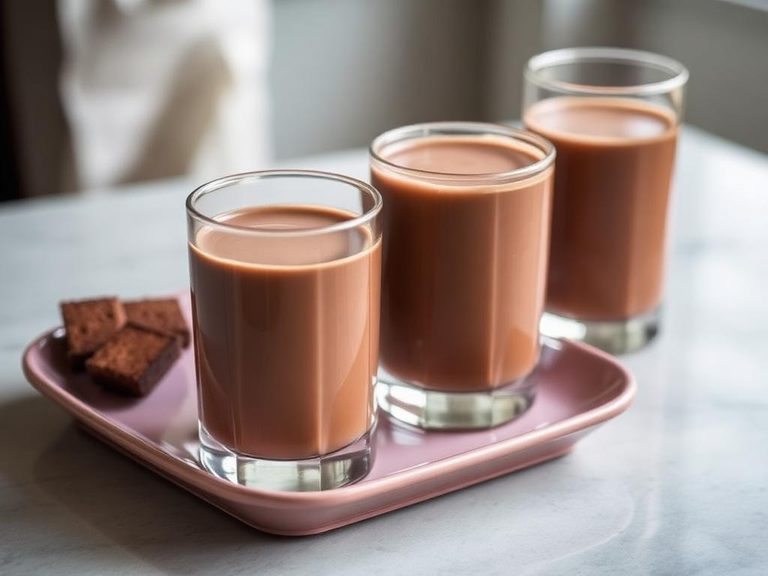
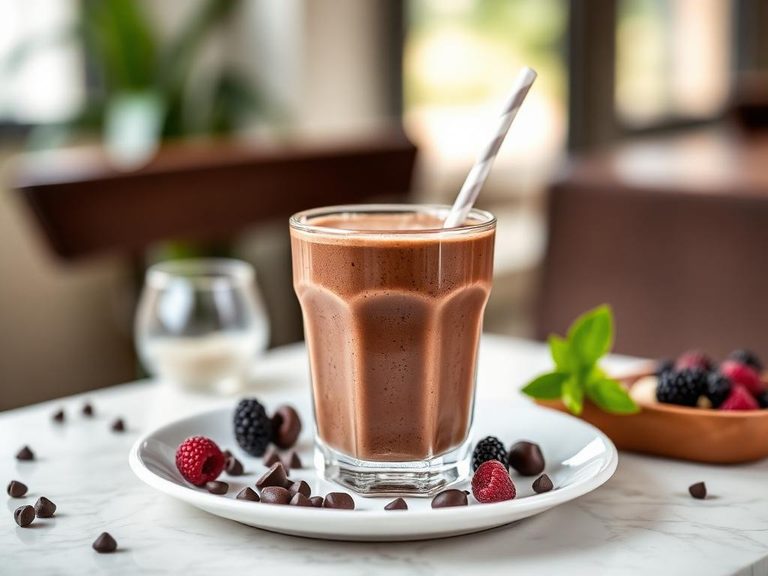
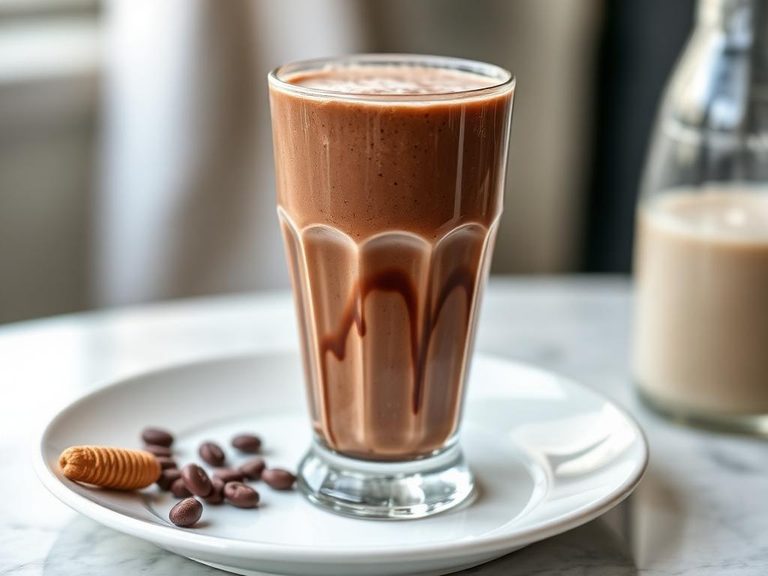

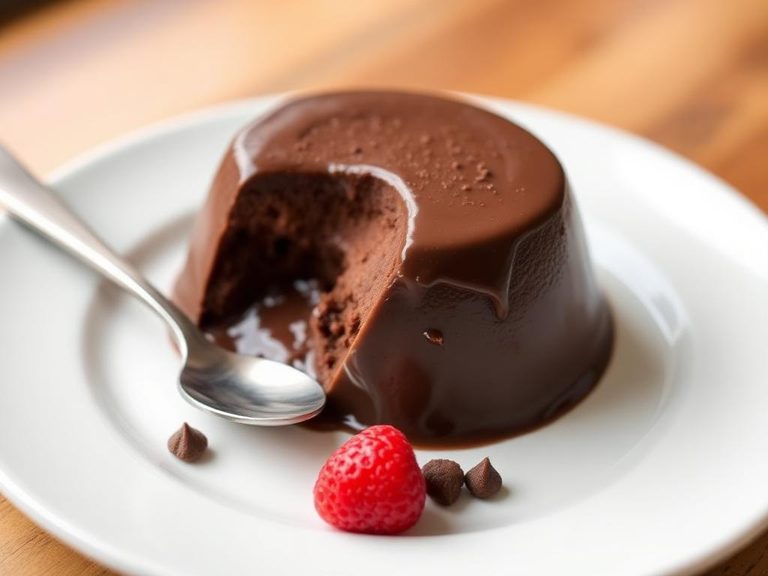
🌍 Where it's eaten
💡 Did you know?
The first commercially successful powdered chocolate drink mix was created in 1828 by Coenraad Johannes van Houten in Amsterdam, who patented the cocoa press that made it possible to separate cocoa butter from the bean, creating the fine powder base.
Full nutrition (USDA data · scales with serving)
| Water | 1.1 g |
| Energy | 400 kcal |
| Protein | 4.5 g |
| Total lipid (fat) | 2.3 g |
| Carbohydrate, by difference | 90.3 g |
| Fiber, total dietary | 4.5 g |
| Total Sugars | 81.8 g |
| Calcium, Ca | 455 mg |
| Iron, Fe | 0.00 mg |
| Magnesium, Mg | 53.0 mg |
| Phosphorus, P | 86.0 mg |
| Potassium, K | 280 mg |
| Sodium, Na | 136 mg |
| Zinc, Zn | 6.8 mg |
| Copper, Cu | 0.91 mg |
| Selenium, Se | 1.9 ug |
| Vitamin C, total ascorbic acid | 27.3 mg |
| Thiamin | 0.01 mg |
| Riboflavin | 0.06 mg |
| Niacin | 0.20 mg |
| Vitamin B-6 | 0.91 mg |
| Folate, total | 4.0 ug |
| Folic acid | 0.00 ug |
| Folate, food | 4.0 ug |
| Folate, DFE | 4.0 ug |
| Choline, total | 3.3 mg |
| Vitamin B-12 | 0.00 ug |
| Vitamin B-12, added | 0.00 ug |
| Vitamin A, RAE | 0.00 ug |
| Retinol | 0.00 ug |
| Carotene, beta | 0.00 ug |
| Carotene, alpha | 0.00 ug |
| Cryptoxanthin, beta | 0.00 ug |
| Lycopene | 0.00 ug |
| Lutein + zeaxanthin | 0.00 ug |
| Vitamin E (alpha-tocopherol) | 0.04 mg |
| Vitamin E, added | 0.00 mg |
| Vitamin D (D2 + D3) | 0.00 ug |
| Vitamin K (phylloquinone) | 0.90 ug |
| Alcohol, ethyl | 0.00 g |
| Caffeine | 8.0 mg |
| Theobromine | 277 mg |
Fat & fatty acid profile (per 100g)
| Fatty acids, total saturated | 2.3 g |
| SFA 4:0 | 0.00 g |
| SFA 6:0 | 0.00 g |
| SFA 8:0 | 0.00 g |
| SFA 10:0 | 0.00 g |
| SFA 12:0 | 0.00 g |
| SFA 14:0 | 0.01 g |
| SFA 16:0 | 1.1 g |
| SFA 18:0 | 1.2 g |
| Fatty acids, total monounsaturated | 0.00 g |
| MUFA 16:1 | 0.00 g |
| MUFA 18:1 | 0.00 g |
| MUFA 20:1 | 0.00 g |
| MUFA 22:1 | 0.00 g |
| Fatty acids, total polyunsaturated | 0.00 g |
| PUFA 18:2 | 0.00 g |
| PUFA 18:3 | 0.00 g |
| PUFA 18:4 | 0.00 g |
| PUFA 20:4 | 0.00 g |
| PUFA 20:5 n-3 (EPA) | 0.00 g |
| PUFA 22:5 n-3 (DPA) | 0.00 g |
| PUFA 22:6 n-3 (DHA) | 0.00 g |
| Cholesterol | 0.00 mg |
Amino acid profile (per 100g)
Estimated from Beverages, Malted drink mix, chocolate, powder, prepared with whole milk — USDA does not publish this profile for Chocolate beverage powder.
| Tryptophan | 0.07 g |
| Threonine | 0.14 g |
| Isoleucine | 0.17 g |
| Leucine | 0.27 g |
| Lysine | 0.14 g |
| Methionine | 0.07 g |
| Cystine | 0.02 g |
| Phenylalanine | 0.15 g |
| Tyrosine | 0.15 g |
| Valine | 0.19 g |
| Arginine | 0.09 g |
| Histidine | 0.08 g |
| Alanine | 0.11 g |
| Aspartic acid | 0.25 g |
| Glutamic acid | 0.68 g |
| Glycine | 0.08 g |
| Proline | 0.35 g |
| Serine | 0.12 g |
FAQ
Can I use this powder for baking?
Yes, it can be used in some recipes like brownies or cakes to add chocolate flavor and sweetness. However, you must adjust the sugar and liquid ratios in the recipe, as the mix is already very sweet and contains other additives.
Why does it sometimes clump when I add water?
The sugar and cocoa particles can form lumps if the liquid is too cool or if the powder is added all at once. To prevent this, mix the powder with a small amount of warm liquid to form a smooth paste first, then gradually whisk in the rest of the hot liquid.
Is this the same as pure cocoa powder?
No. This is a pre-mixed product containing sugar, cocoa, and often dairy powders, emulsifiers, and flavorings. Pure cocoa powder is unsweetened and contains no added ingredients, offering a more intense, bitter chocolate taste.
Nutrient density (calculated · NRF9.3)
Nutrient Rich Foods index: beneficial nutrients (protein, fiber, vitamins, minerals) minus saturated fat, added sugar & sodium, per 100 kcal.
NRF9.3 index — Fulgoni, Keast & Drewnowski, 2009. Computed from USDA nutrients.
Weight-loss friendliness (composite index)
Energy density 4.00 kcal/g · 5% calories from protein · 4.5 g fiber · 81.8 g sugar per 100 g.
Composite of energy density (Rolls et al., 1999), protein & fiber satiety, minus sugar. A calculated heuristic — ranks satiety-per-calorie, not a clinical measure.
Dietary load (calculated from USDA values)
Potential renal acid load. Positive = acid-forming, negative = alkaline-forming.
Sodium-to-potassium ratio: 0.49 (lower is better — aim for ≤ 1)
Sodium:potassium per WHO potassium guidance. Computed from USDA nutrients.