

Smoothies and Milkshakes
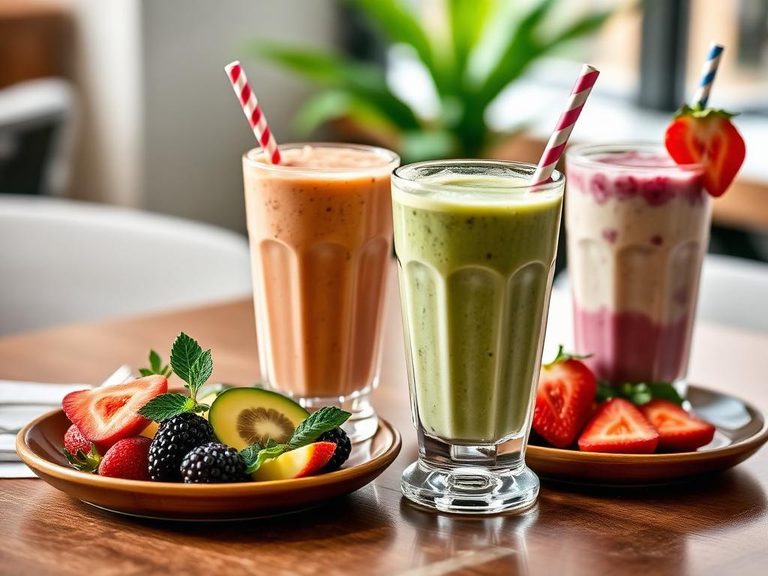
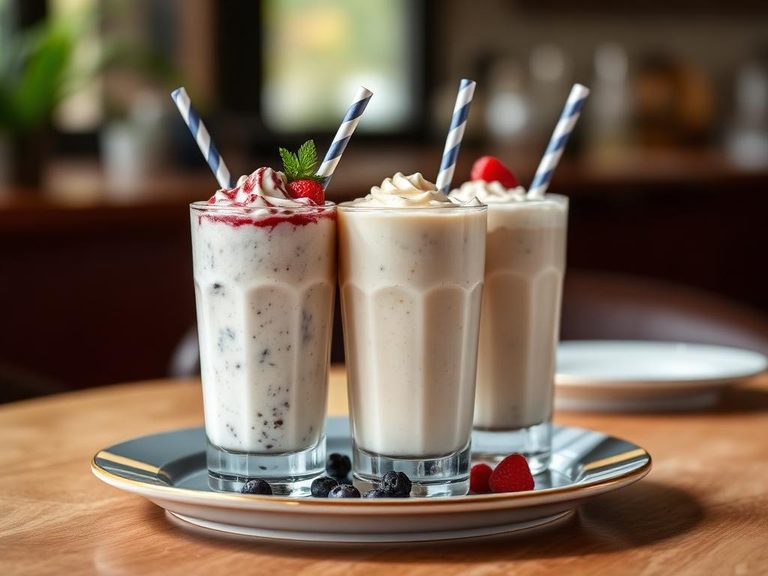
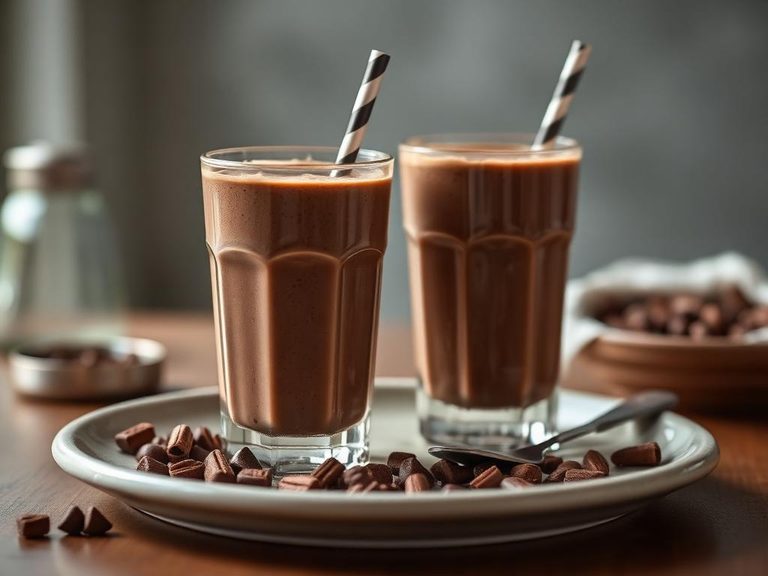
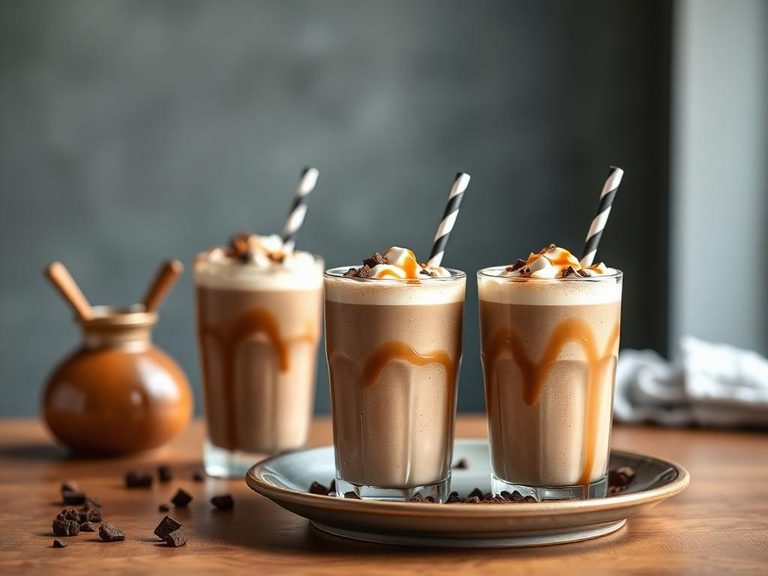
Smoothies and milkshakes are blended beverages that are popular worldwide, with smoothies typically made from fruits, vegetables, and a liquid base like juice or yogurt, while milkshakes are a richer treat made from milk, ice cream, and flavorings. Originating from different culinary traditions, smoothies have roots in health-focused cultures, whereas milkshakes are a classic American dessert.
🍳 View the full Smoothies and Milkshakes recipe →
🍽️ Nutrition at a glance
Milkshakes are generally high in fat and carbohydrates, providing a significant calorie boost, while smoothies can be nutrient-dense with vitamins and fiber, though their calorie count varies widely based on ingredients. A typical serving can range from 200 to 800 calories, with smoothies often offering more protein and vitamins if made with yogurt or greens.
Nutrition breakdown
| Calories | 250 kcal |
| Protein | 5 g |
| Carbs | 40 g |
| Fat | 8 g |
| Fiber | 2 g |
| Sugar | 30 g |
| Sodium | 100 mg |
| Calcium | 150 mg |
| Vitamin D | 2.5 mcg |
| Potassium | 350 mg |
| Vitamin C | 15 mg |
| Vitamin A | 100 mcg |
| Phosphorus | 120 mg |
| Magnesium | 30 mg |
| Iron | 0.5 mg |
Per 1 cup (240 g) · estimated, varies by recipe
💡 What's interesting
Culturally, milkshakes symbolize indulgence and nostalgia, often associated with diners and pop culture, while smoothies have become a global symbol of health and wellness trends. Nutritionally, smoothies can be customized to fit dietary needs, making them a versatile choice for everything from quick snacks to meal replacements.
🍽️ Related dishes


AI estimate may be inaccurate · Terms