Blended into milkshakes or smoothies
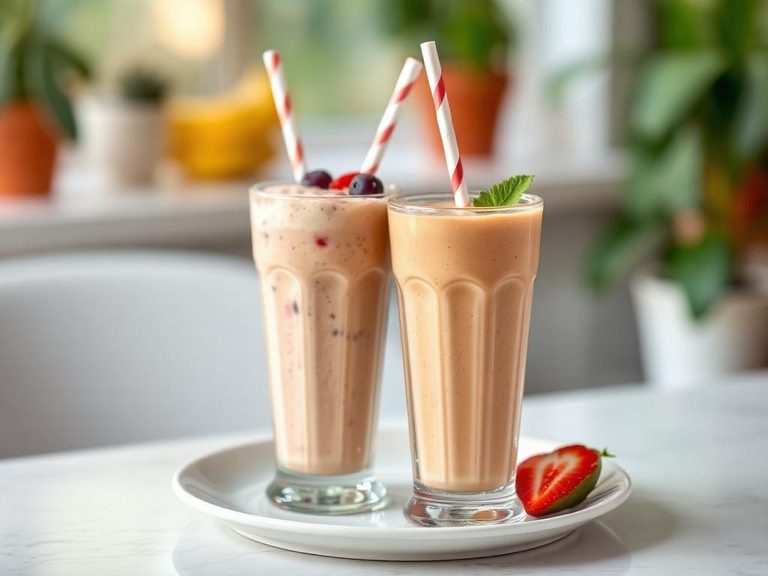
This is a versatile preparation method where various ingredients are blended with milk, ice cream, or yogurt to create a thick, creamy beverage. Common additions include fruits like bananas or strawberries, protein powders, nut butters, or even vegetables like spinach. While the concept of blending drinks has roots in early 20th-century soda fountains, the modern smoothie and milkshake culture is a global phenomenon, heavily popularized in the United States.
🍽️ Nutrition at a glance
Nutritional content varies widely, but these blended drinks are typically a significant source of carbohydrates from sugars (natural or added). Depending on the base and ingredients, they can also provide substantial fat and protein, along with key vitamins, minerals, and fiber. A standard serving can range from 200 to over 800 calories.
Nutrition breakdown
| Calories | 250 kcal |
| Protein | 8 g |
| Carbs | 45 g |
| Fat | 5 g |
| Fiber | 3 g |
| Sugar | 35 g |
| Sodium | 100 mg |
| Calcium | 250 mg |
| Potassium | 400 mg |
| Vitamin D | 2.5 mcg |
| Vitamin B12 | 0.9 mcg |
| Phosphorus | 200 mg |
| Magnesium | 30 mg |
| Vitamin A | 150 mcg |
| Iron | 0.5 mg |
Per 1 cup (240 g) · estimated, varies by recipe
💡 What's interesting
Culturally, these drinks sit at an interesting crossroads: the milkshake is often an indulgent treat associated with diners and nostalgia, while the smoothie is frequently marketed as a health-conscious, convenient meal replacement. Nutritionally, their unique advantage is their ability to easily incorporate a high density of diverse nutrients (like leafy greens or seeds) into a palatable, drinkable format.
🍽️ Related dishes
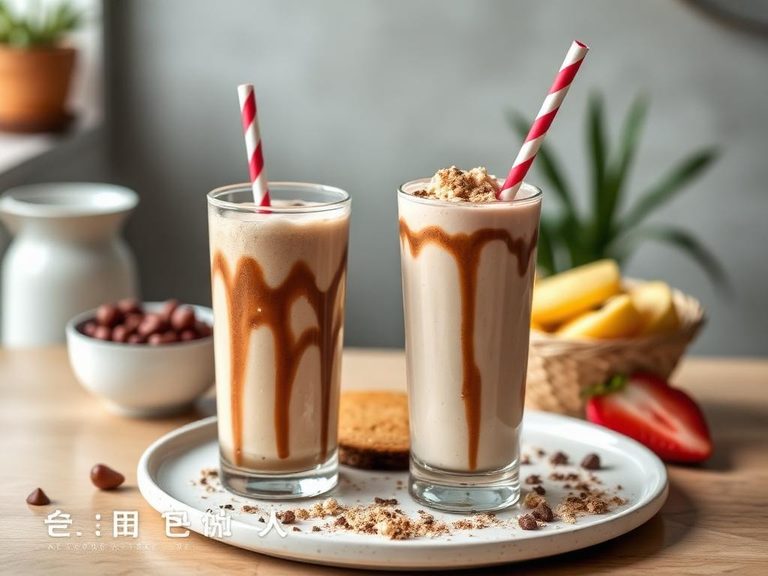 Blended into milkshakes for a malted flavor
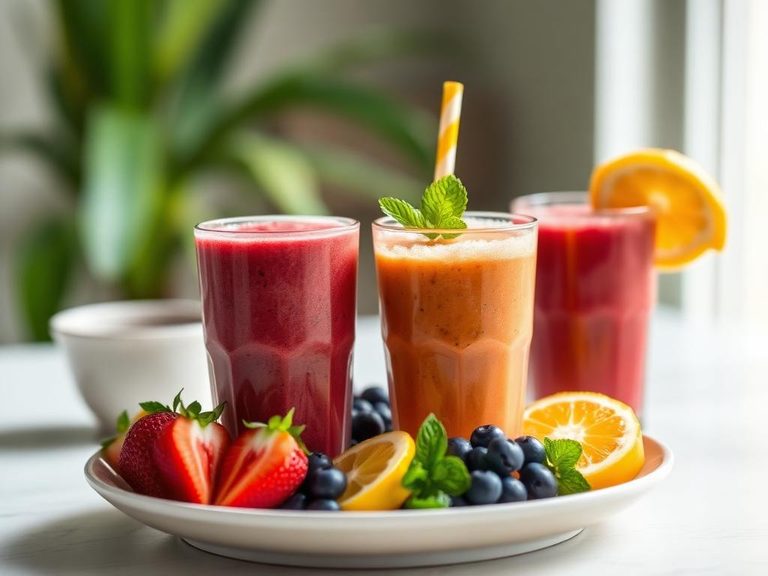 Blended into fruit smoothies
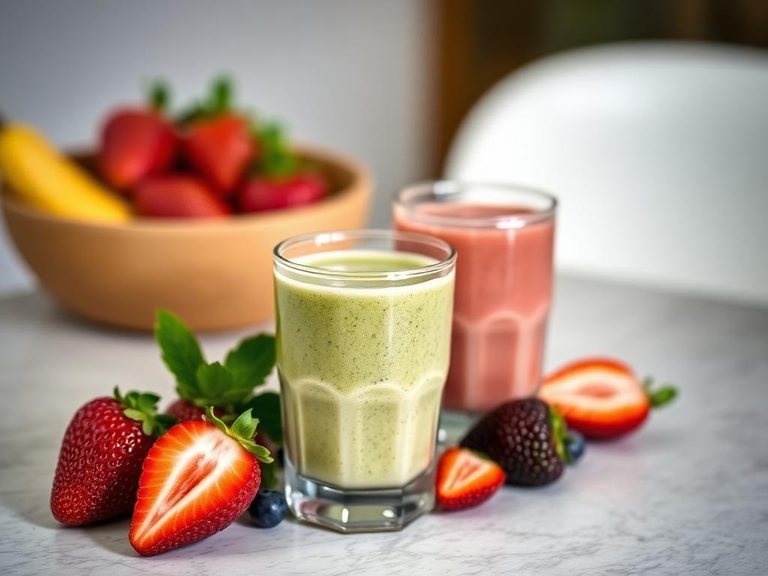 Blended into fruit smoothies for older toddlers
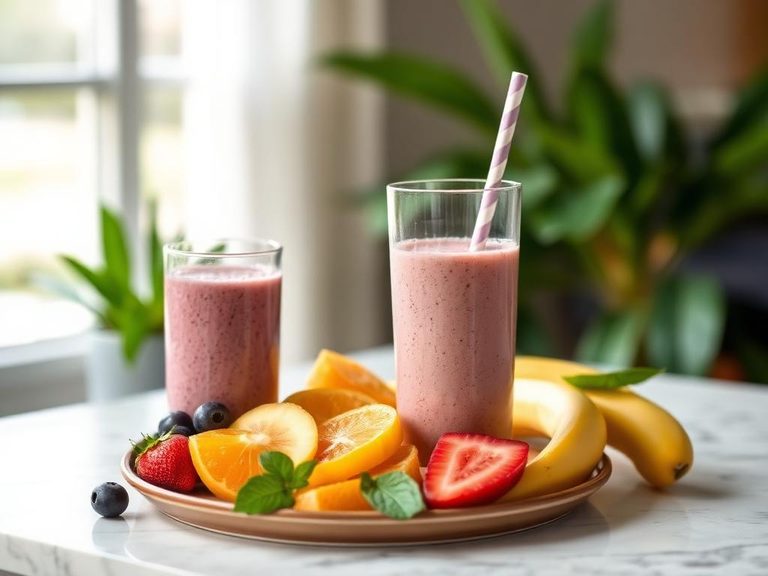 Blended into smoothies for added thickness and sweetness
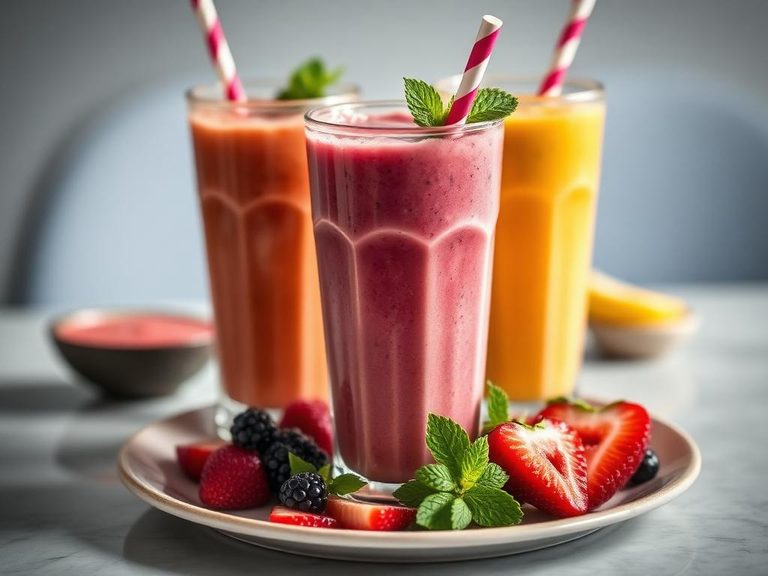 Blended into smoothies for toddlers
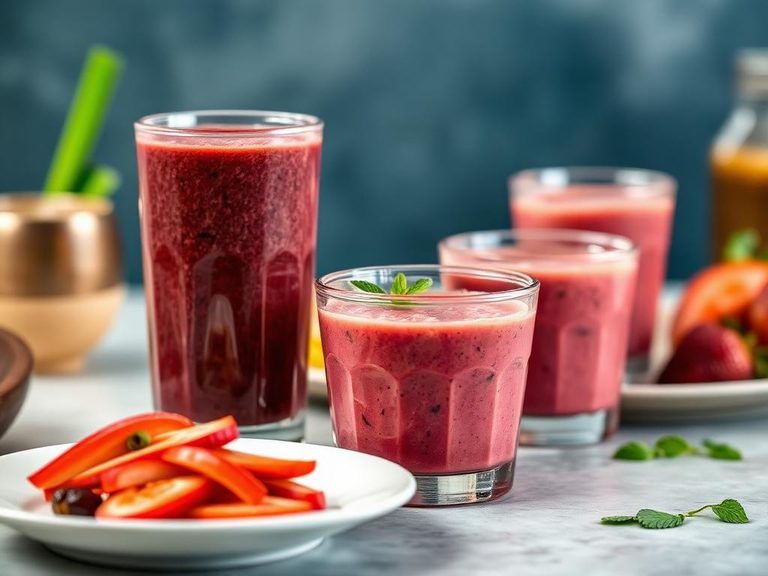 Blended into Smoothies or Sauces
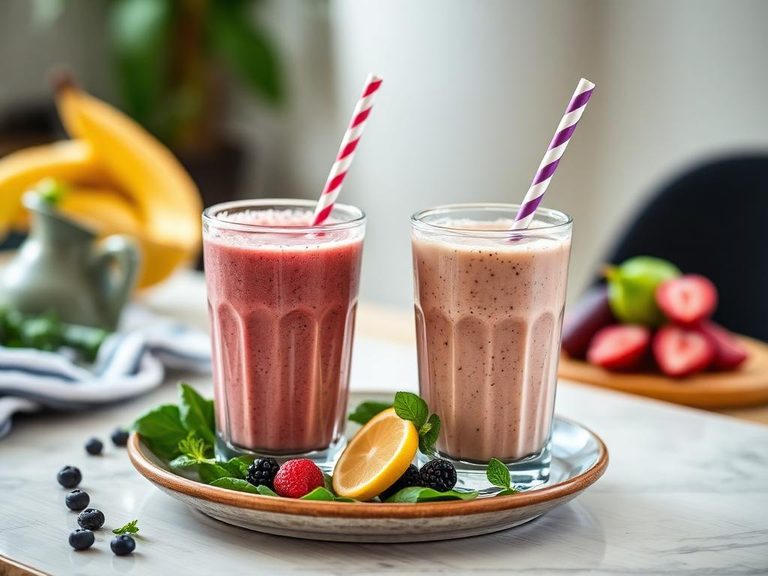 Blended into smoothies for a fiber boost
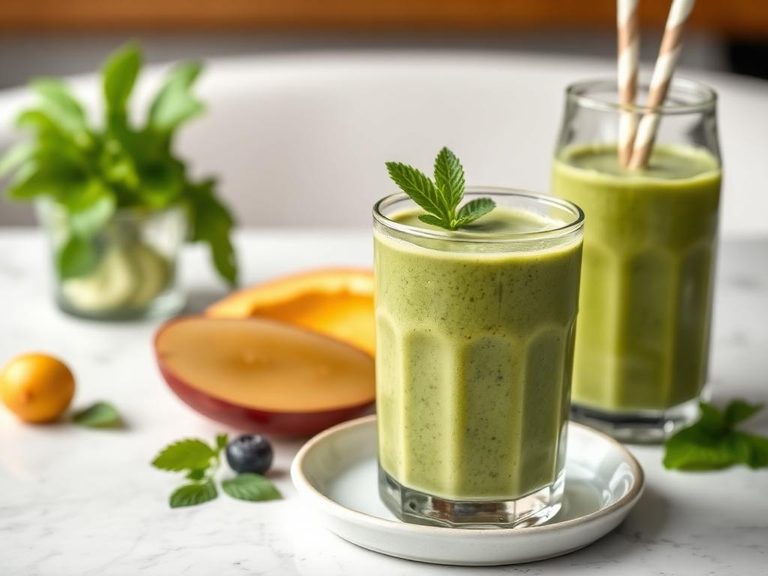 Blended into green smoothies