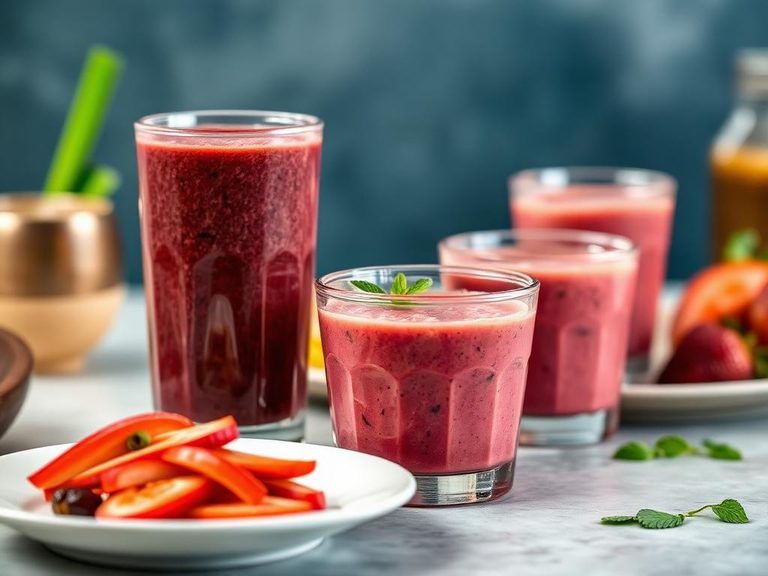
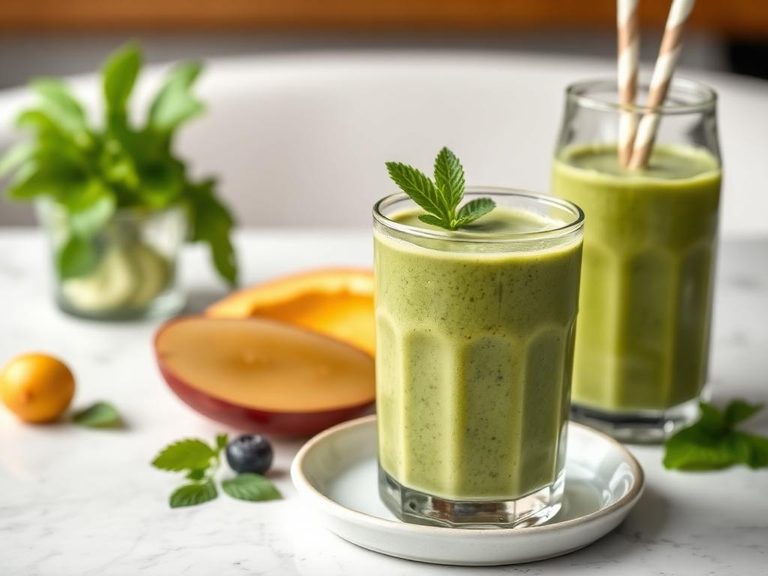
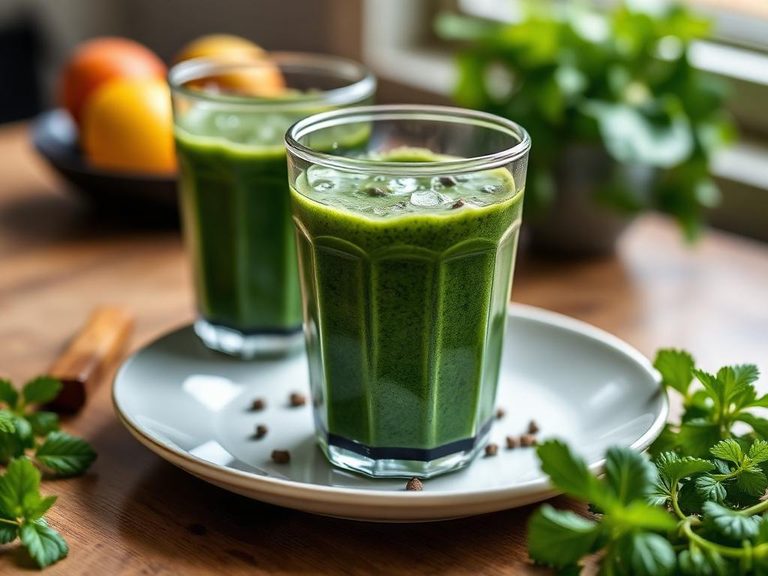
Blended into smoothies for a fiber boost
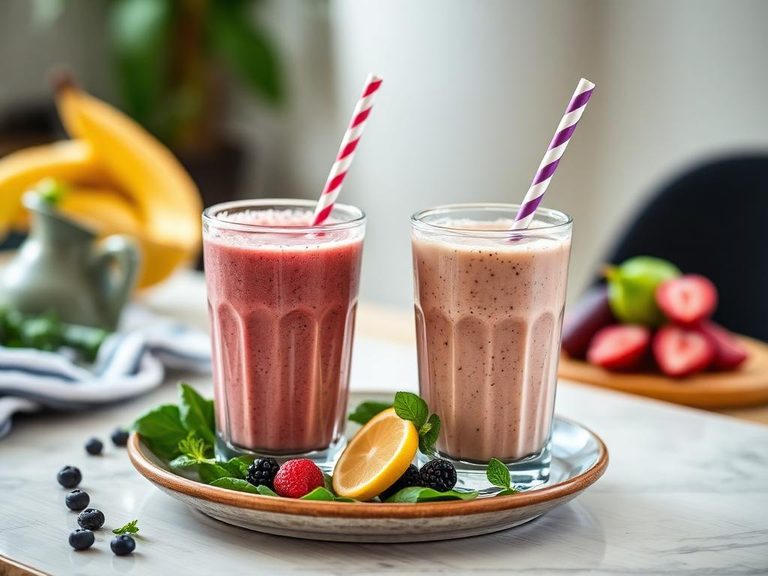
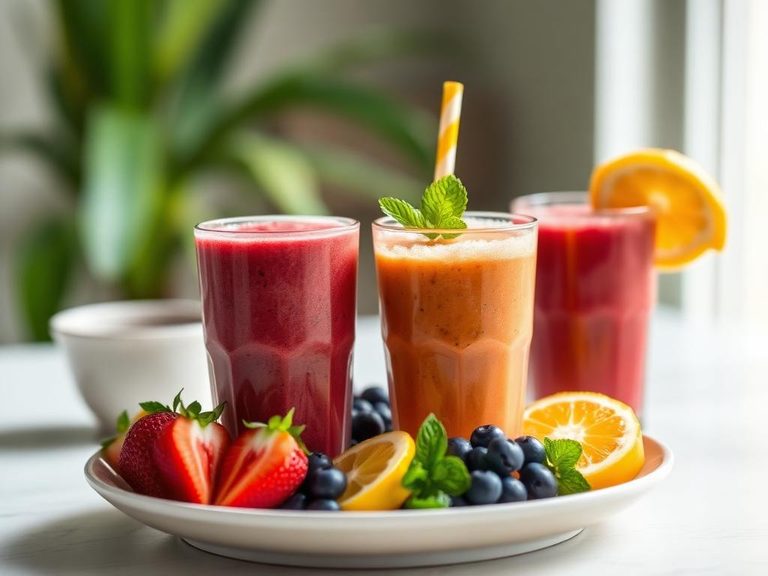
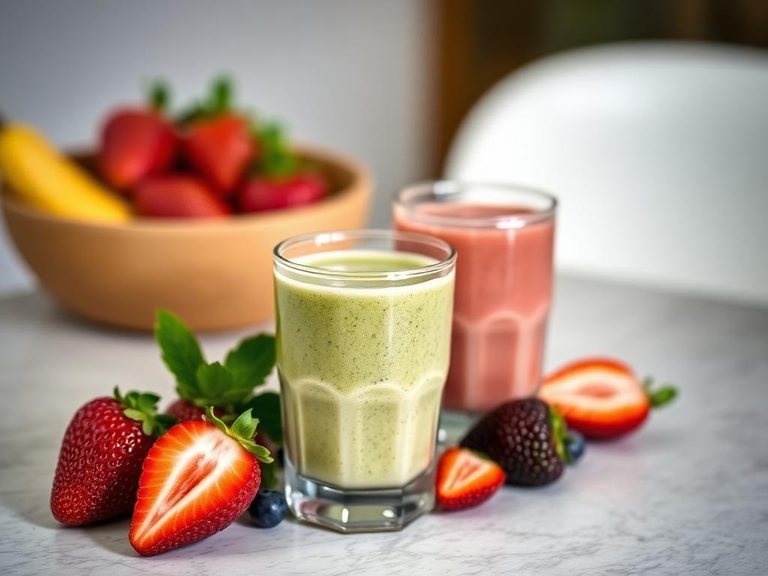
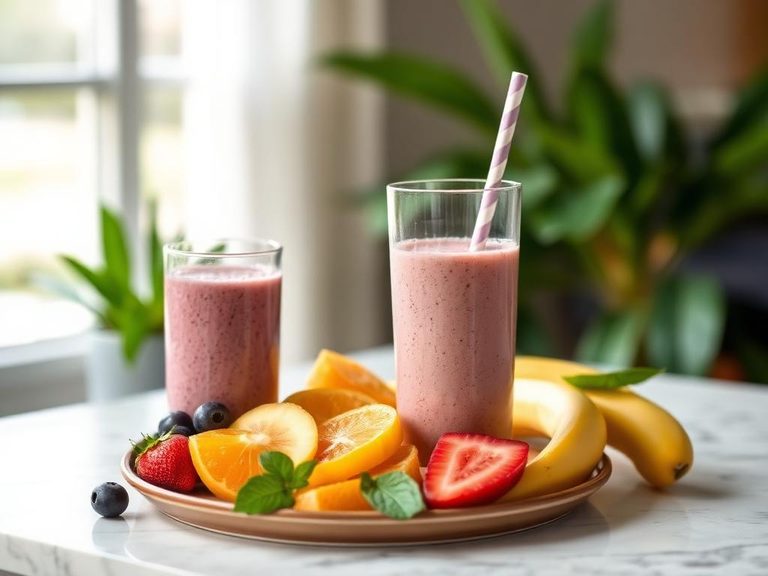
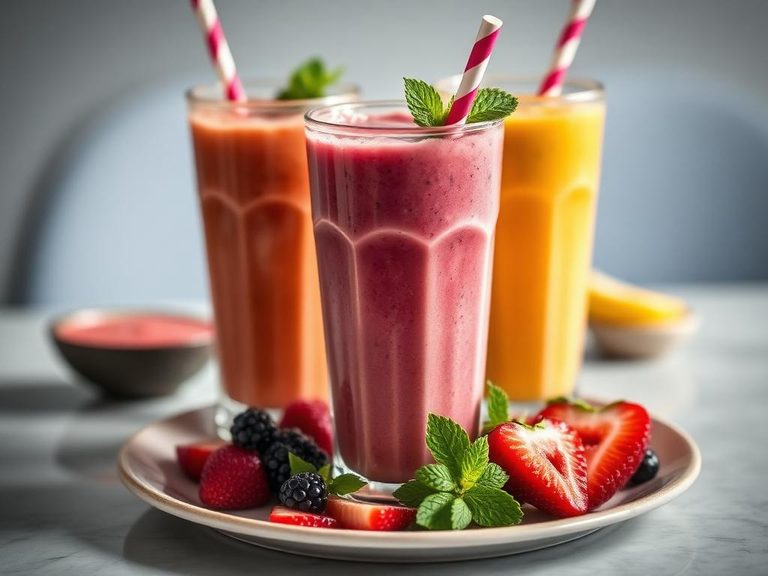
This is not a standalone dish but a popular preparation method where high-fiber ingredients like oats, chia seeds, flaxseeds, or leafy greens are blended into smoothies to increase their nutritional density and texture. It's a global practice, particularly popular in health-conscious communities in North America and Europe, transforming a simple fruit drink into a more substantial, gut-friendly meal or snack.
🍽️ Nutrition at a glance
This preparation is typically moderate in carbohydrates, low in fat, and can range from low to moderate in protein depending on the base ingredients. It is an excellent source of dietary fiber and provides key micronutrients like magnesium, manganese, and antioxidants, with a rough calorie range of 150-300 kcal per serving.
Nutrition breakdown
| Calories | 220 kcal |
| Protein | 6 g |
| Carbs | 40 g |
| Fat | 5 g |
| Fiber | 10 g |
| Sugar | 22 g |
| Sodium | 50 mg |
| Magnesium | 80 mg |
| Manganese | 1.5 mg |
| Phosphorus | 120 mg |
| Vitamin K | 30 mcg |
| Vitamin C | 15 mg |
| Potassium | 400 mg |
| Iron | 2 mg |
| Calcium | 100 mg |
Per 1 smoothie (400 g) · estimated, varies by recipe
💡 What's interesting
Culturally, it represents the modern fusion of convenience and nutrition, turning a quick beverage into a functional food. Nutritionally, the soluble fiber from ingredients like oats or chia can help slow sugar absorption and promote a feeling of fullness, which is unique for a drinkable format.