Blended into Smoothies or Sauces
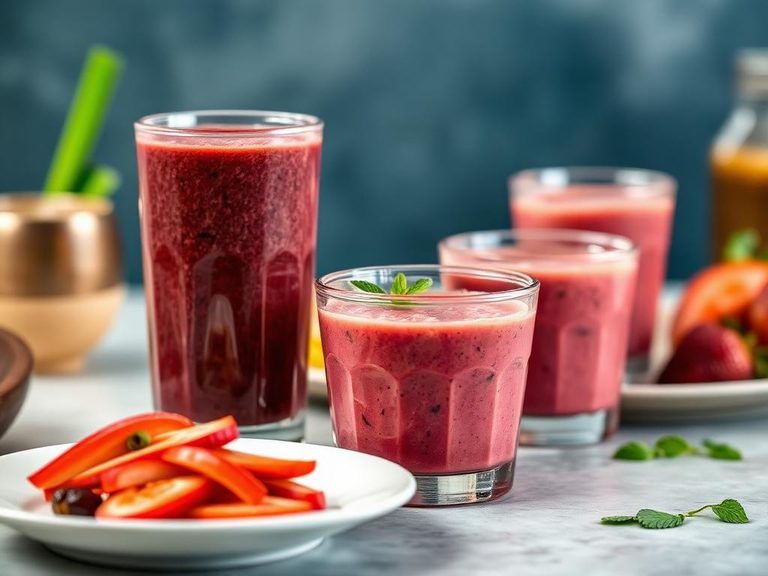
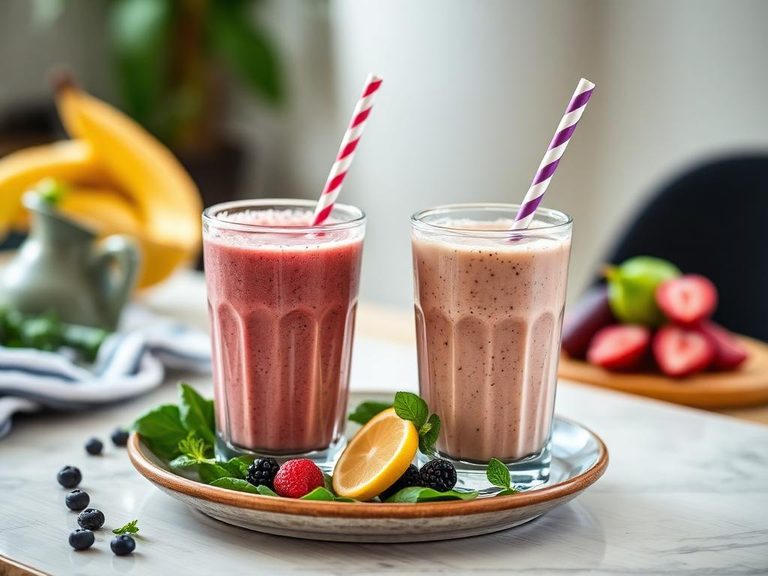
This isn't a single dish, but a versatile preparation method where a wide variety of ingredients—from fruits and vegetables to nuts and seeds—are blended into a smooth, homogenous liquid. The base typically consists of a liquid like water, milk, or yogurt combined with the primary ingredients, which can range from tropical mangoes and leafy spinach to savory tomatoes and garlic. This technique is used globally to create everything from refreshing smoothies to rich, creamy sauces.
🍽️ Nutrition at a glance
The nutritional profile is highly variable, depending entirely on the ingredients used. A fruit-based smoothie will be higher in carbohydrates and natural sugars, while a sauce made with nuts or avocado will be higher in healthy fats. These preparations are excellent vehicles for delivering concentrated vitamins, minerals, and fiber from whole foods.
Nutrition breakdown
| Calories | 150 kcal |
| Protein | 3 g |
| Carbs | 30 g |
| Fat | 3 g |
| Fiber | 5 g |
| Sugar | 20 g |
| Sodium | 40 mg |
| Vitamin C | 45 mg |
| Vitamin A | 300 mcg |
| Potassium | 400 mg |
| Magnesium | 40 mg |
| Folate | 80 mcg |
| Vitamin K | 25 mcg |
| Manganese | 0.5 mg |
| Iron | 1.5 mg |
Per 1 cup (240 g) · estimated, varies by recipe
💡 What's interesting
Blending is a culinary technique that unlocks nutrients by breaking down plant cell walls, making certain vitamins and antioxidants more bioavailable. Culturally, it represents a modern intersection of convenience and health, allowing for the easy incorporation of diverse global ingredients—like Brazilian açaí, Indian tamarind, or Japanese matcha—into daily meals.
🍽️ Related dishes
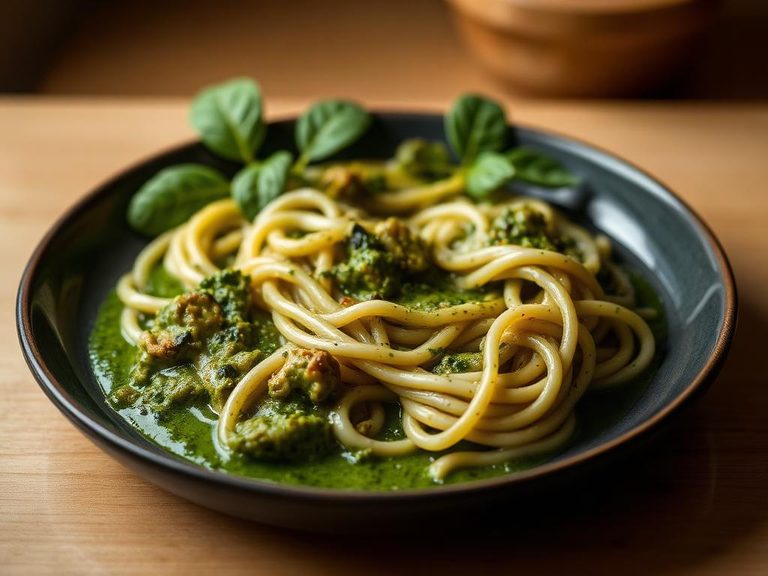 Blended into pesto or green sauces
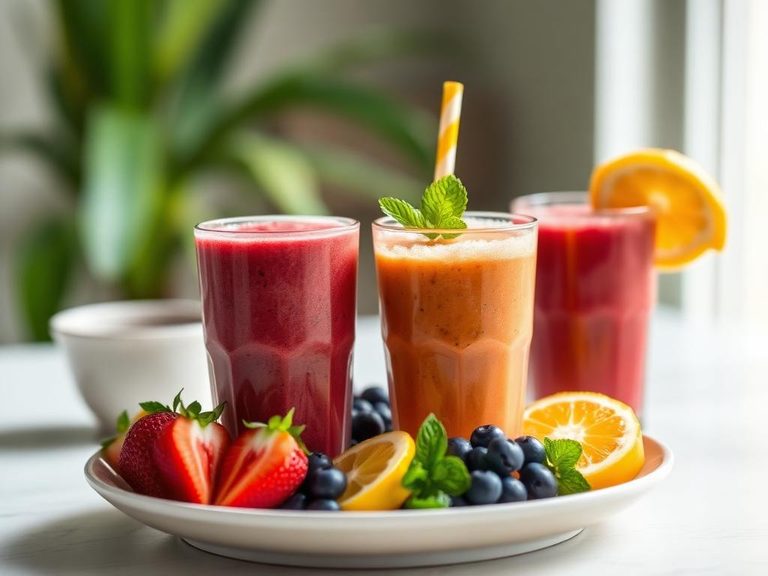 Blended into fruit smoothies
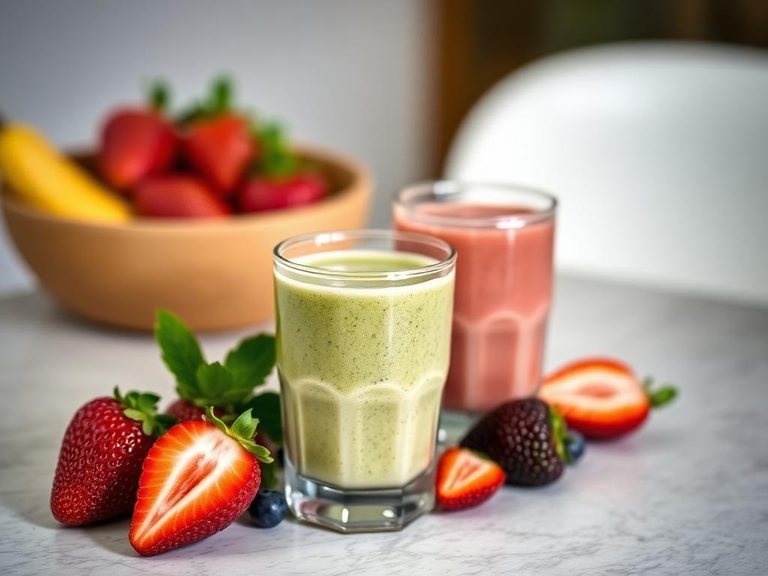 Blended into fruit smoothies for older toddlers
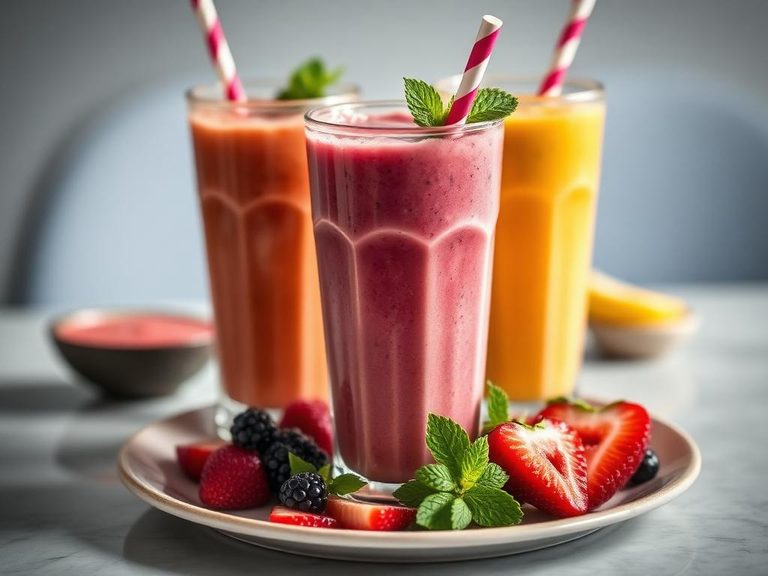 Blended into smoothies for toddlers
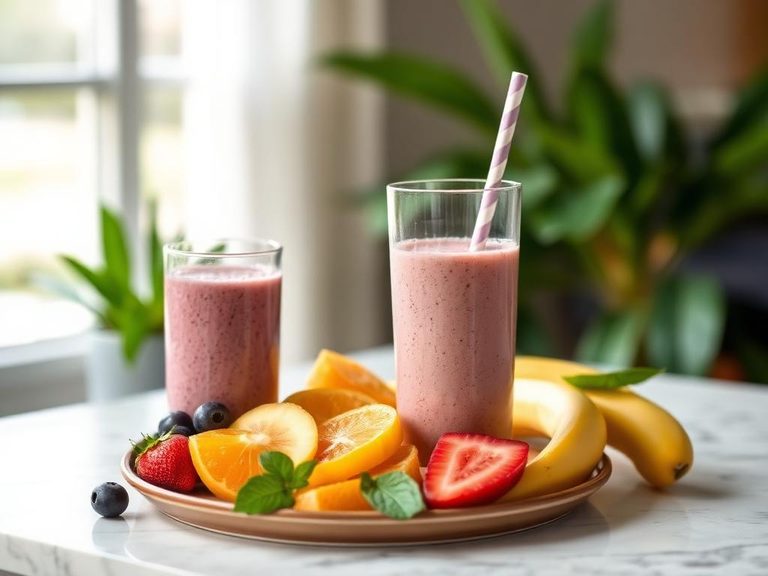 Blended into smoothies for added thickness and sweetness
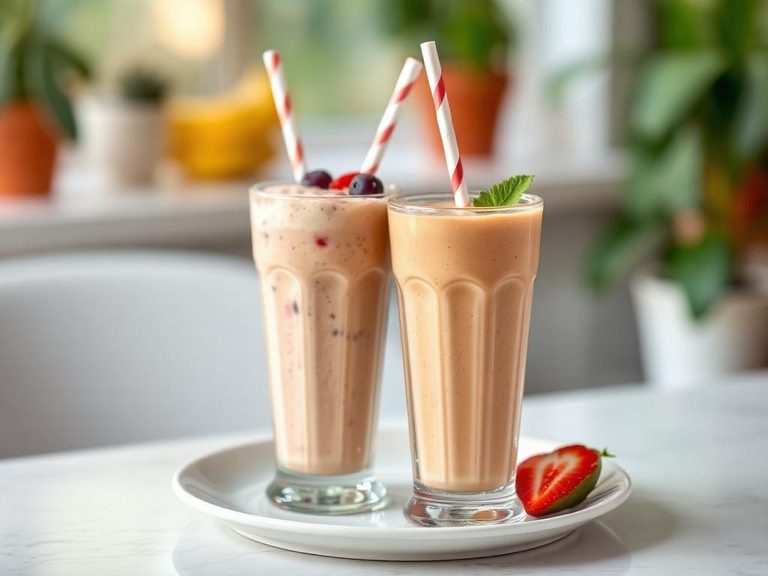 Blended into milkshakes or smoothies
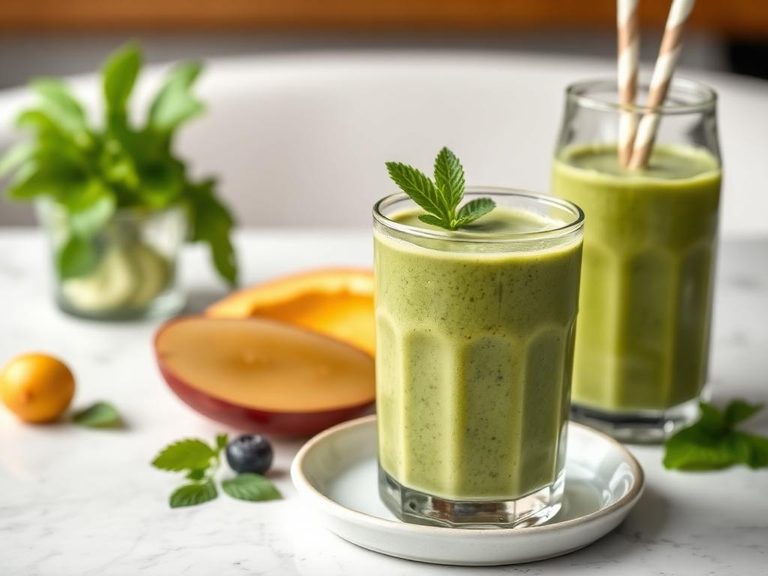 Blended into green smoothies
 Blended into smoothies for a fiber boost