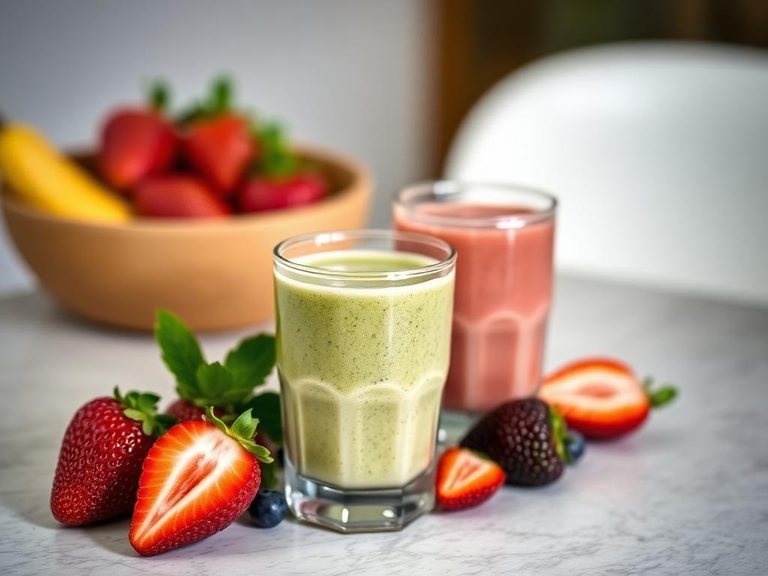
Blended into smoothies for added thickness and sweetness
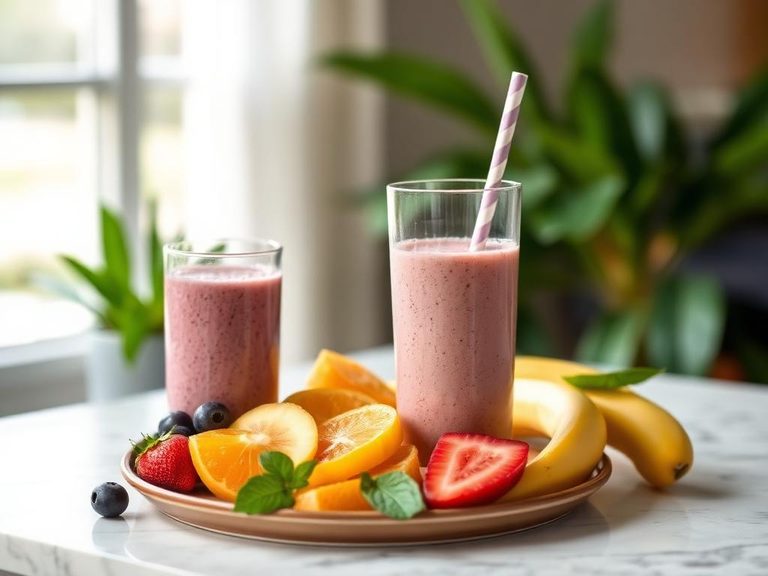
This refers to the common practice of adding frozen bananas to smoothies to create a naturally thick, creamy, and sweet texture without dairy. The primary ingredient is simply ripe bananas, which are peeled, sliced, frozen, and then blended with other liquids and fruits. This technique is a staple in health-focused kitchens and smoothie bars worldwide, originating from the simple home kitchen hack of using frozen fruit for texture.
🍽️ Nutrition at a glance
Frozen bananas are primarily a source of carbohydrates, providing natural sugars for quick energy and dietary fiber for digestion. They are a good source of potassium, vitamin B6, and vitamin C, with a typical half-banana serving (about 50-60 calories) adding minimal fat or protein to the smoothie.
Nutrition breakdown
| Calories | 105 kcal |
| Protein | 1.3 g |
| Carbs | 27 g |
| Fat | 0.4 g |
| Fiber | 3.1 g |
| Sugar | 14 g |
| Sodium | 1 mg |
| Potassium | 422 mg |
| Vitamin B6 | 0.4 mg |
| Vitamin C | 10.3 mg |
| Magnesium | 32 mg |
| Manganese | 0.3 mg |
| Folate | 24 µg |
| Phosphorus | 26 mg |
| Riboflavin | 0.1 mg |
Per 1 medium banana (118 g) · estimated, varies by recipe
💡 What's interesting
The magic lies in the banana's pectin, a soluble fiber that, when frozen and blended, creates a remarkably ice-cream-like consistency. Nutritionally, this method replaces added sugars and thickeners like yogurt or protein powder with a whole-food, plant-based alternative that enhances both texture and micronutrient content.
🍽️ Related dishes
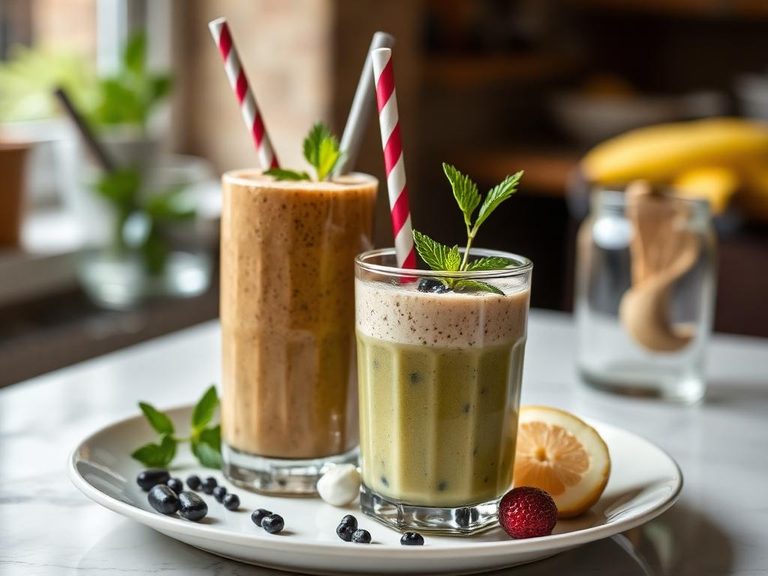 Added to smoothies for thickness
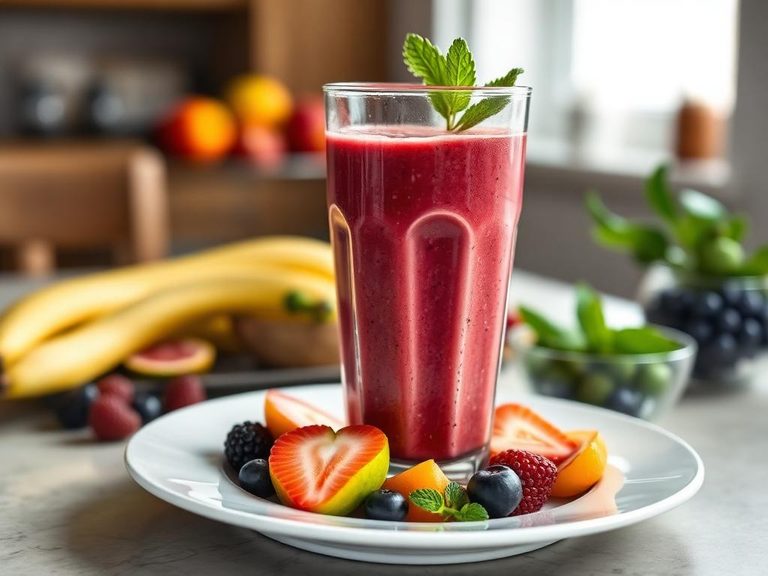 Blended into a fruit smoothie for thickness
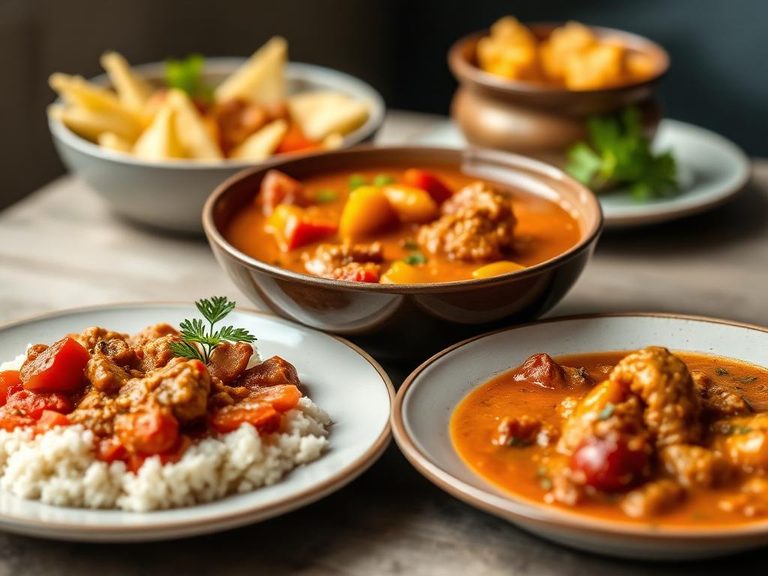 Added to stews or curries for sweetness and body
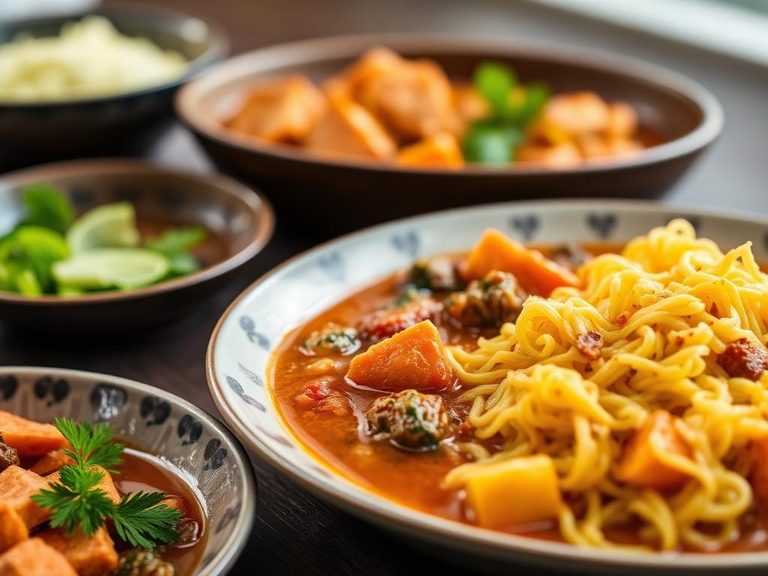 Added to stews or curries for thickening and sweetness
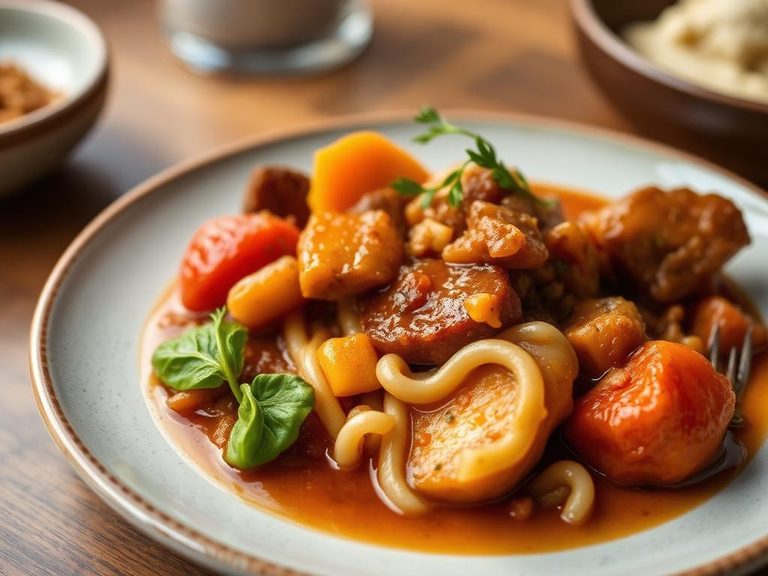 Added to stews or braises for sweetness
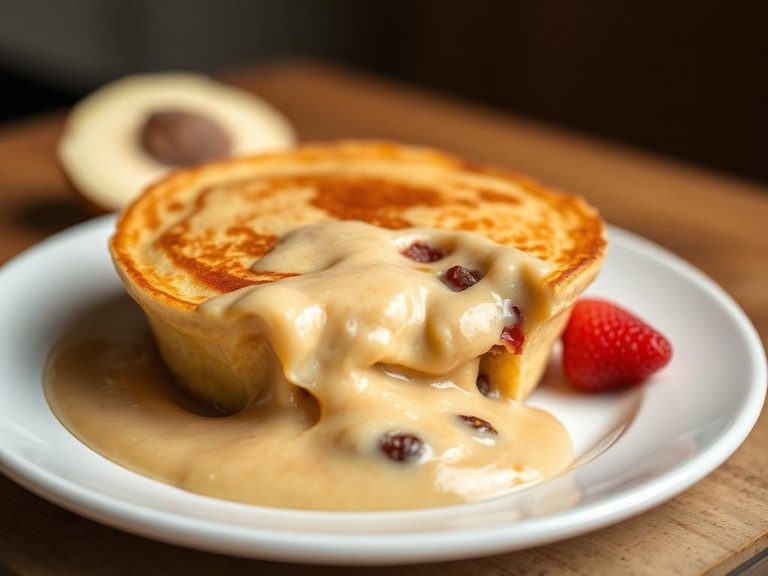 Mixed into pancake or muffin batter for natural sweetness.
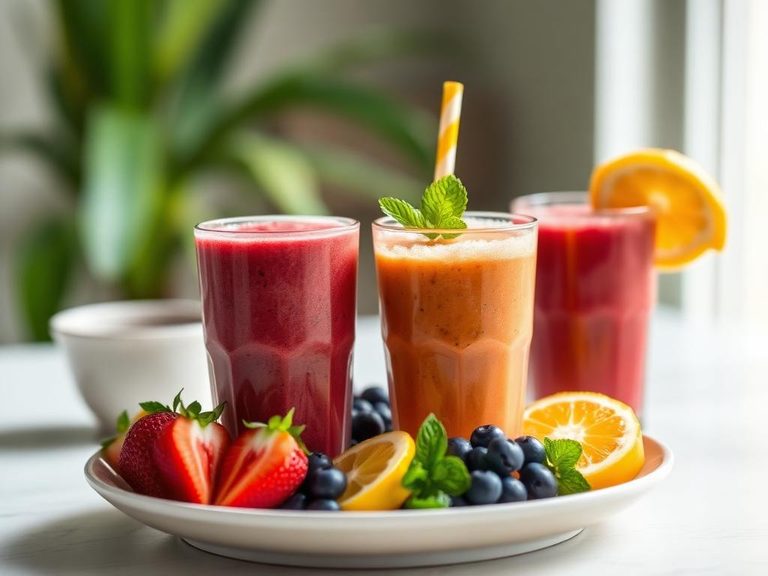 Blended into fruit smoothies
 Blended into fruit smoothies for older toddlers