Added to stews or braises for sweetness
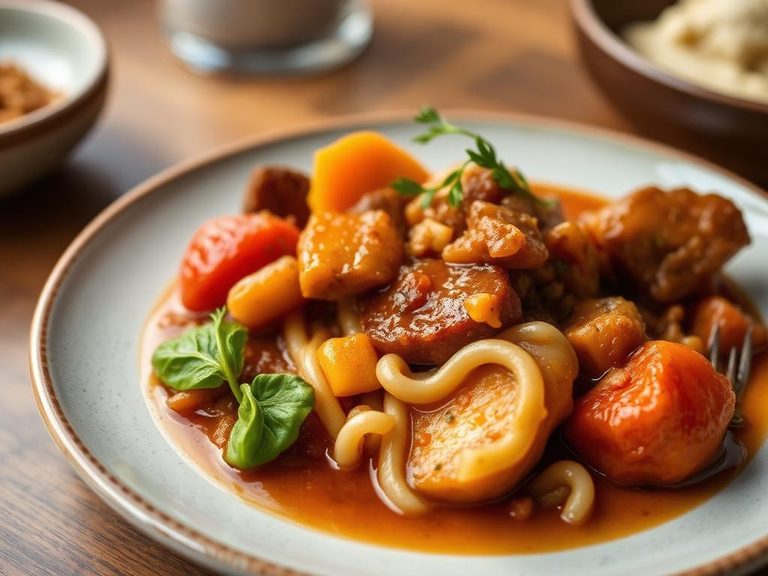
This is a naturally sweet, starchy root vegetable, most commonly a carrot, parsnip, or sweet potato, that is added to savory dishes like stews and braises to provide a deep, caramelized sweetness and body to the broth. It typically starts with a base of onions, celery, and garlic, with the sweet root vegetable being a key component. While the concept is universal, it's a foundational technique in many cuisines, from French mirepoix to the 'holy trinity' of Cajun cooking.
🍽️ Nutrition at a glance
This ingredient is primarily a source of complex carbohydrates and dietary fiber, with very little fat or protein. It is an excellent source of beta-carotene (which the body converts to Vitamin A), potassium, and antioxidants. A typical 1-cup serving of cooked, diced carrots contains roughly 80-90 calories.
Nutrition breakdown
| Calories | 82 kcal |
| Protein | 1.8 g |
| Carbs | 19.6 g |
| Fat | 0.5 g |
| Fiber | 5.3 g |
| Sugar | 8.1 g |
| Sodium | 88 mg |
| Vitamin A | 1328 mcg RAE |
| Potassium | 416 mg |
| Vitamin K1 | 16.9 mcg |
| Vitamin B6 | 0.2 mg |
| Biotin | 6.1 mcg |
| Manganese | 0.3 mg |
| Folate | 27 mcg DFE |
| Vitamin C | 6.1 mg |
Per 1 cup (156 g) cooked, diced carrots · estimated, varies by recipe
💡 What's interesting
The natural sugars in these vegetables (like sucrose in carrots or fructose in parsnips) undergo caramelization and Maillard reactions when sautéed or braised, creating hundreds of new flavor compounds that add incredible depth and umami to a dish without any added sugar.
🍽️ Related dishes
 Added to stews or curries for sweetness and body
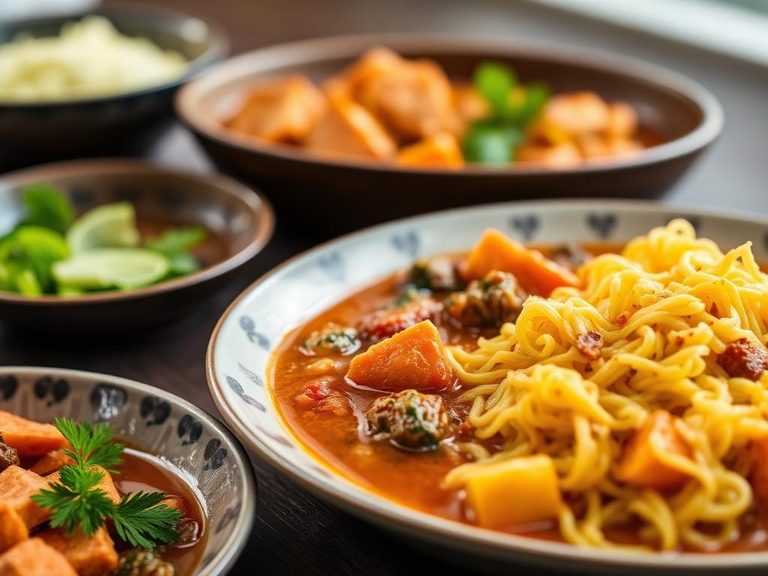 Added to stews or curries for thickening and sweetness
 Blended into smoothies for added thickness and sweetness
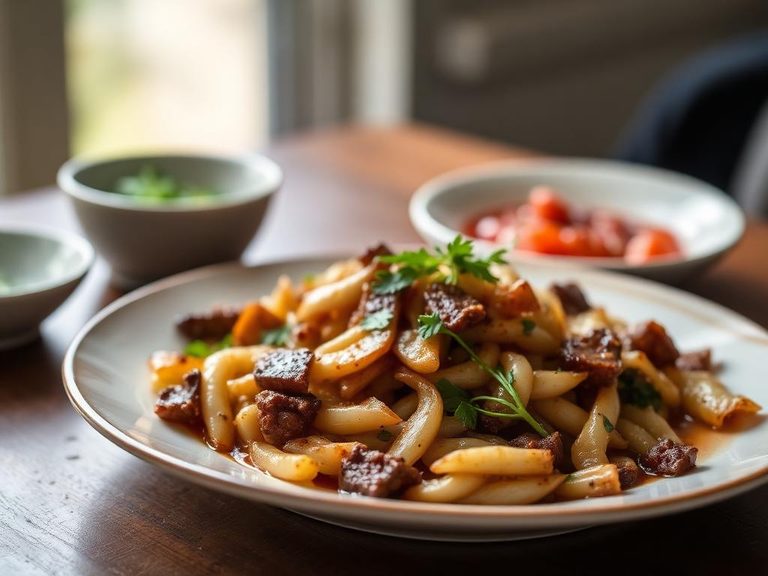 Sautéed as a base for sauces and braises
 Mixed into pancake or muffin batter for natural sweetness.
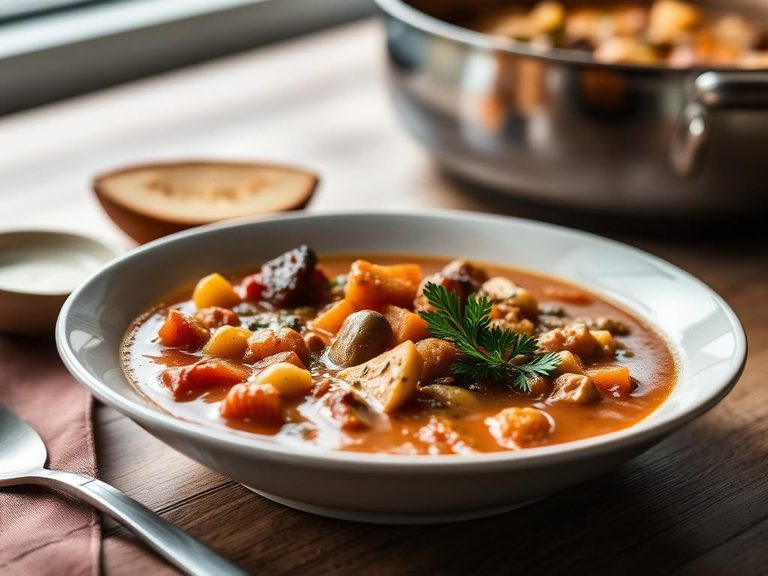 Added to stews or soups for richness
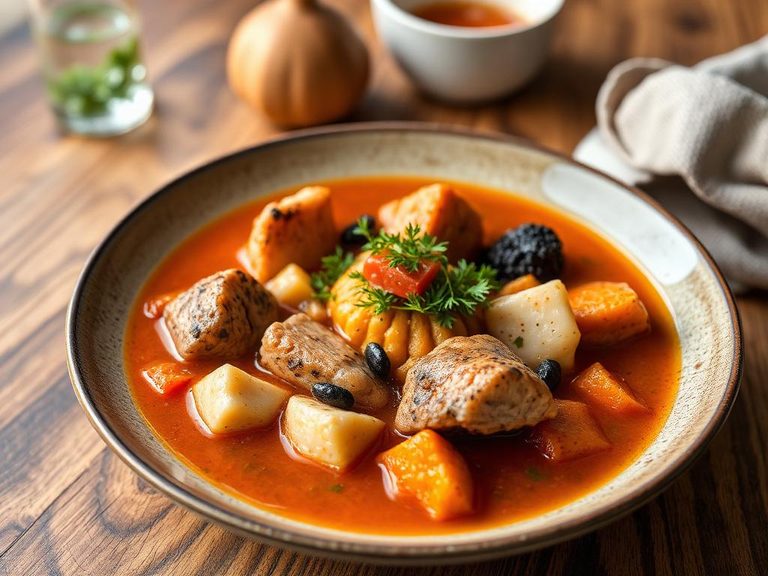 Added to fish stews or soups
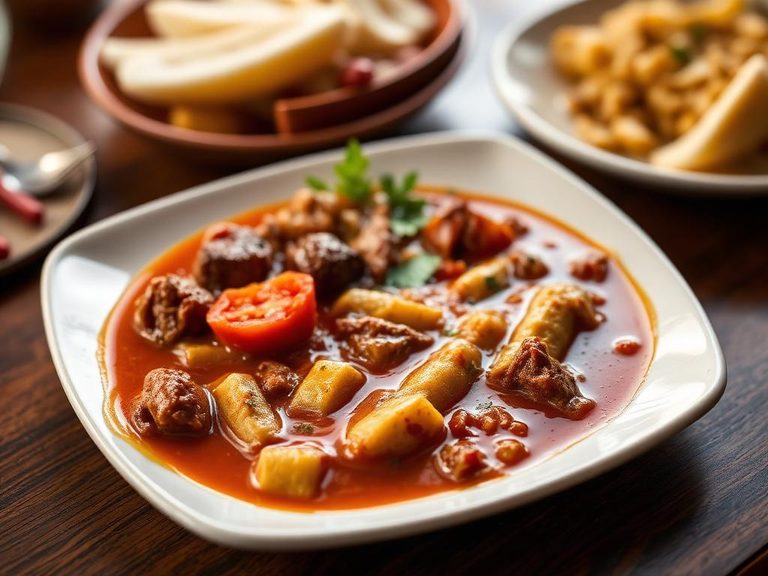 Added to soups or stews in West African cuisine