

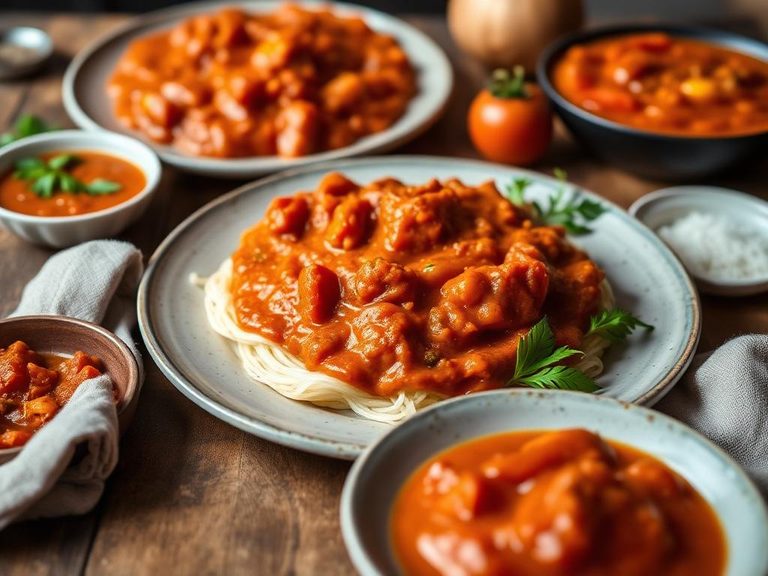
Sautéed as a base for sauces and braises
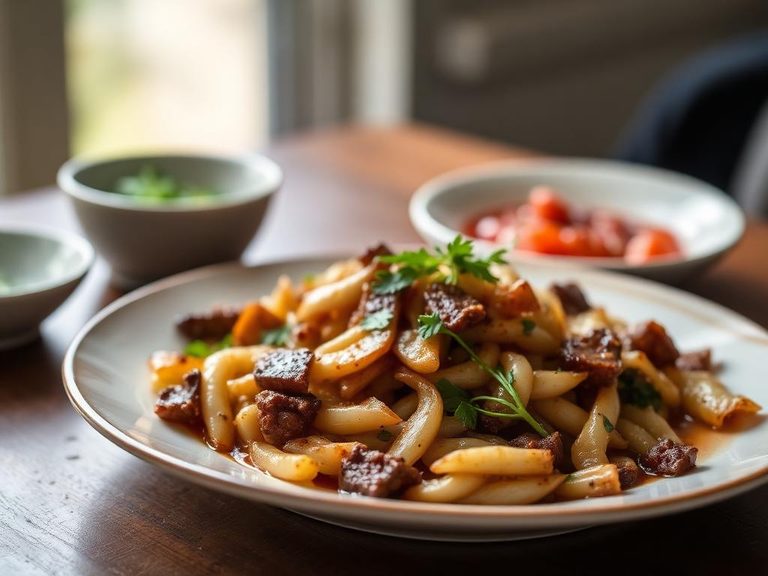
This is a foundational cooking technique, not a standalone dish, where aromatics like onions, carrots, and celery are slowly cooked in fat until soft and sweet. Known as a 'soffritto' in Italy, 'mirepoix' in France, or 'holy trinity' in Cajun cuisine, it forms the flavor base for countless sauces, stews, and braises worldwide.
🍳 View the full Sautéed as a base for sauces and braises recipe →
🍽️ Nutrition at a glance
The base itself is low in protein and relatively low in calories (around 50-80 calories per serving), but its primary nutritional contribution comes from the vitamins, minerals, and fiber in the vegetables. The final nutritional profile of the dish it's used in depends entirely on the main ingredients and cooking method.
Nutrition breakdown
| Calories | 40 kcal |
| Protein | 2.5 g |
| Carbs | 7 g |
| Fat | 0.5 g |
| Fiber | 3.5 g |
| Sugar | 2 g |
| Sodium | 10 mg |
| Vitamin K | 90 mcg |
| Folate | 130 mcg |
| Vitamin C | 12 mg |
| Vitamin A | 950 IU |
| Potassium | 400 mg |
| Manganese | 0.3 mg |
| Iron | 2.5 mg |
| Vitamin B6 | 0.15 mg |
Per 1 cup (150 g) · estimated, varies by recipe
💡 What's interesting
This technique is a universal culinary principle, with distinct regional variations that define entire cuisines. Nutritionally, the slow cooking process helps break down vegetable fibers, making nutrients more bioavailable and developing deep, complex flavors without relying on excessive salt or sugar.
🍽️ Related dishes
AI estimate may be inaccurate · Terms