Bread and cake batters
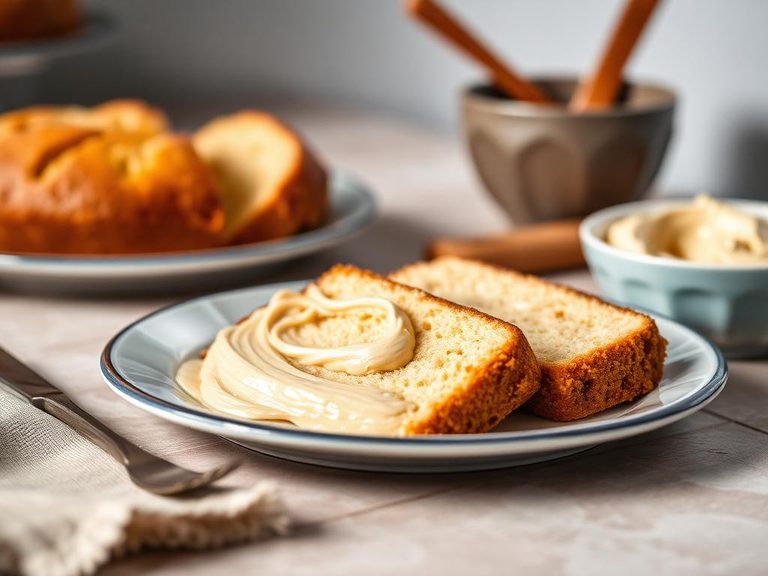
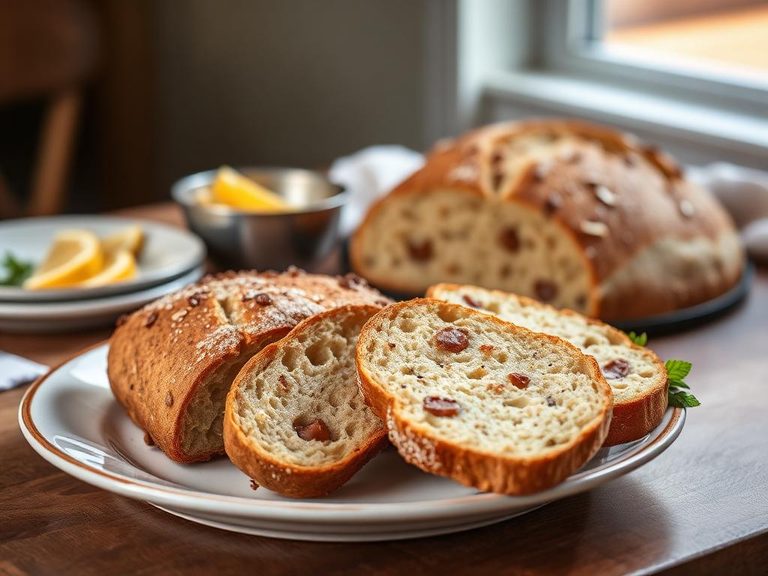
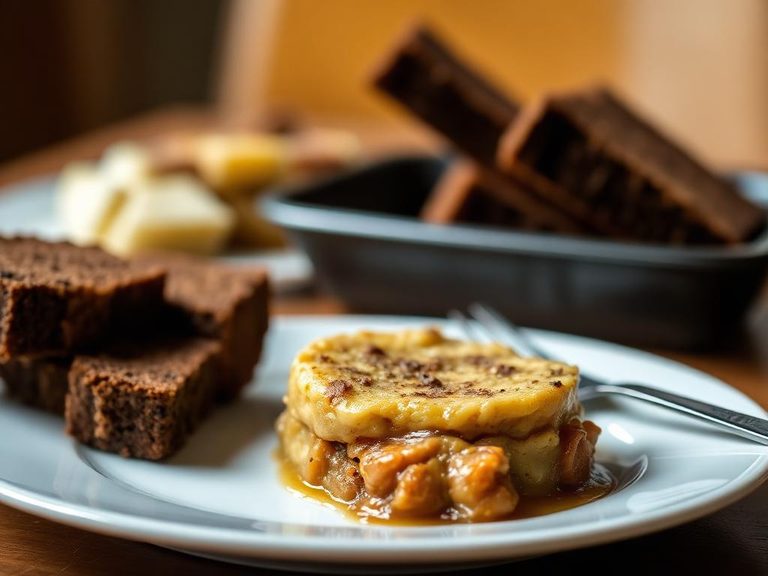
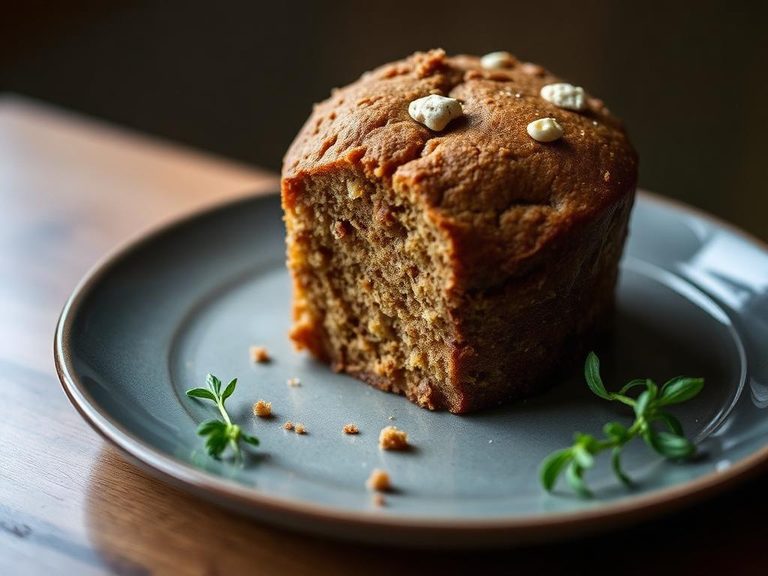
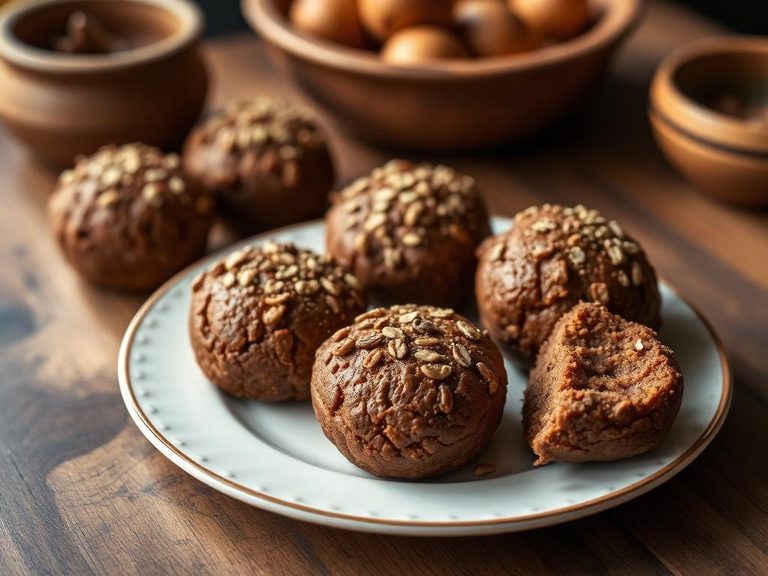
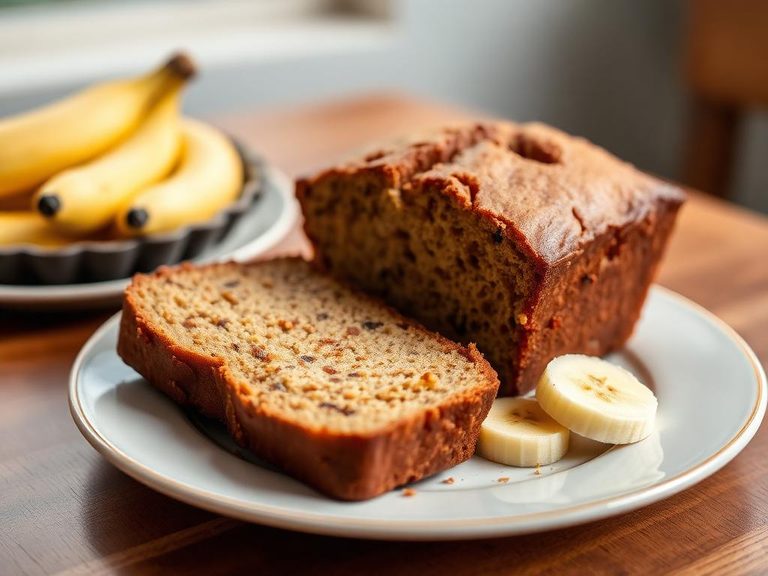
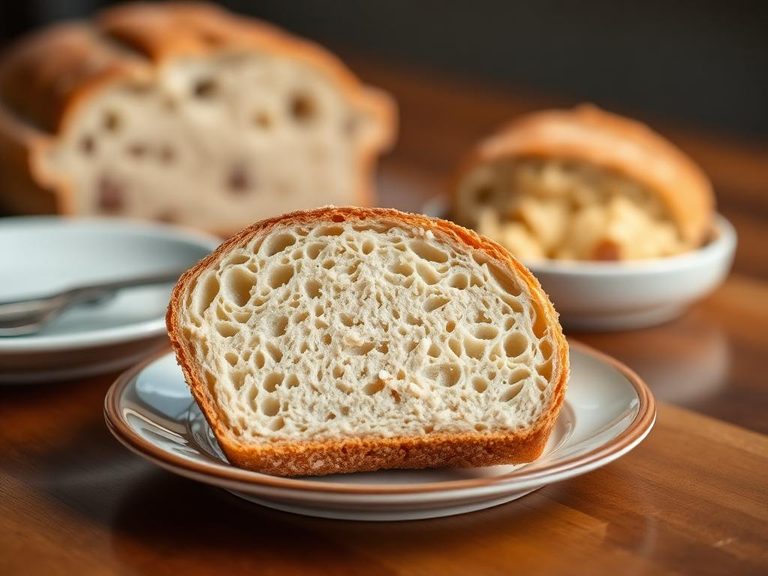
Bread and cake batters are foundational, versatile mixtures used to create a wide range of baked goods, from simple loaves to celebratory cakes. They are typically made from a base of flour, a liquid (like milk or water), eggs, and a fat source (such as butter or oil), with leavening agents and sweeteners added depending on the final product. While the concept is universal, specific recipes and techniques vary greatly across global cuisines.
🍽️ Nutrition at a glance
Batters are primarily a source of carbohydrates for energy, with significant fat content contributing to richness and moisture. They provide key nutrients like B vitamins from enriched flour and protein from eggs, with a typical raw serving containing roughly 150-250 kcal.
Nutrition breakdown
| Calories | 210 kcal |
| Protein | 3 g |
| Carbs | 30 g |
| Fat | 9 g |
| Fiber | 0.5 g |
| Sugar | 18 g |
| Sodium | 150 mg |
| Iron | 1.2 mg |
| Thiamin (B1) | 0.15 mg |
| Riboflavin (B2) | 0.12 mg |
| Niacin (B3) | 1.8 mg |
| Folate | 45 mcg |
| Calcium | 25 mg |
| Phosphorus | 40 mg |
| Selenium | 5 mcg |
Per 1/2 cup (120 g) of basic vanilla cake batter · estimated, varies by recipe
💡 What's interesting
The science of batter mixing is crucial; overmixing can develop too much gluten, leading to tough bread or dense cakes, while undermixing can result in poor structure. Nutritionally, the batter itself is not a finished dish, and its final profile depends entirely on the ingredients chosen and the baking process.