Traditional Indigenous nut cakes or breads
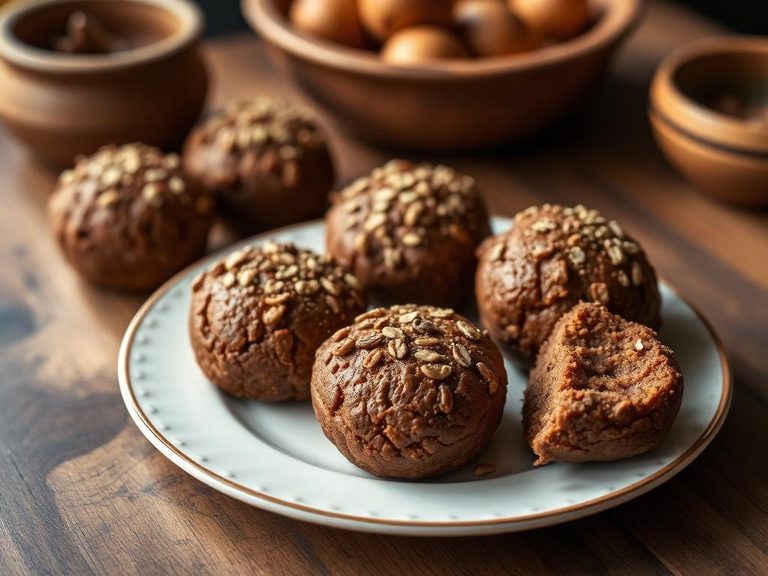
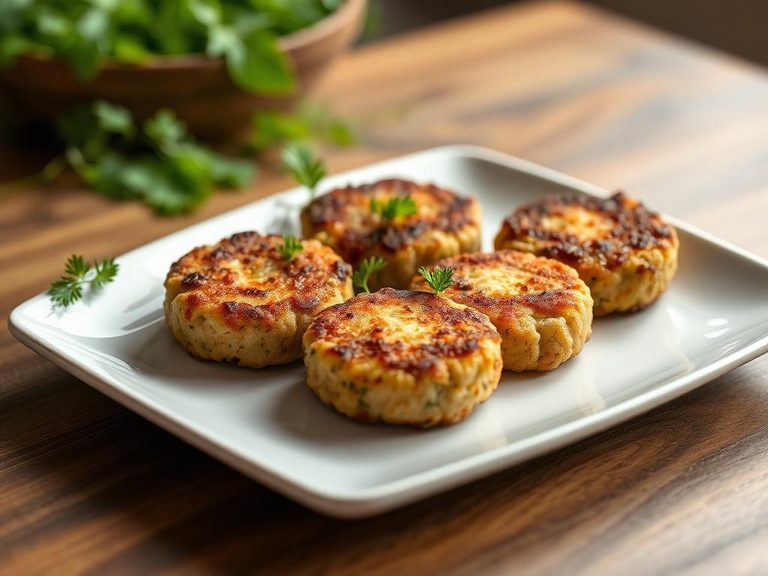
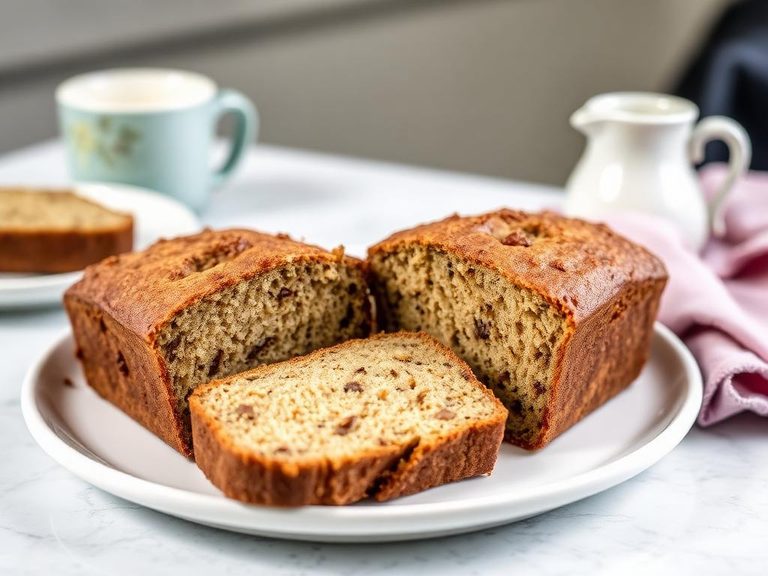
Traditional Indigenous nut cakes or breads are dense, unleavened baked goods made from ground nuts, seeds, and sometimes berries or plant-based binders. They originate from various Indigenous cultures across North America, particularly in regions where nuts like pine nuts, acorns, or hickory nuts are abundant.
🍽️ Nutrition at a glance
These cakes are typically high in healthy fats and protein from the nuts, with a moderate amount of carbohydrates, and provide essential minerals like magnesium and iron. A single serving can range from 250 to 400 calories, depending on the specific recipe and portion size.
Nutrition breakdown
| Calories | 320 kcal |
| Protein | 10 g |
| Carbs | 18 g |
| Fat | 24 g |
| Fiber | 4 g |
| Sugar | 3 g |
| Sodium | 5 mg |
| Magnesium | 100 mg |
| Iron | 2.5 mg |
| Phosphorus | 180 mg |
| Zinc | 2 mg |
| Vitamin E | 4 mg |
| Manganese | 1.2 mg |
| Copper | 0.5 mg |
| Selenium | 5 mcg |
Per 1 piece (80 g) · estimated, varies by recipe
💡 What's interesting
Culturally, these breads often hold ceremonial or seasonal significance, representing a connection to the land and traditional foodways. Nutritionally, they are a unique, whole-food source of sustained energy and micronutrients, often made without processed ingredients.