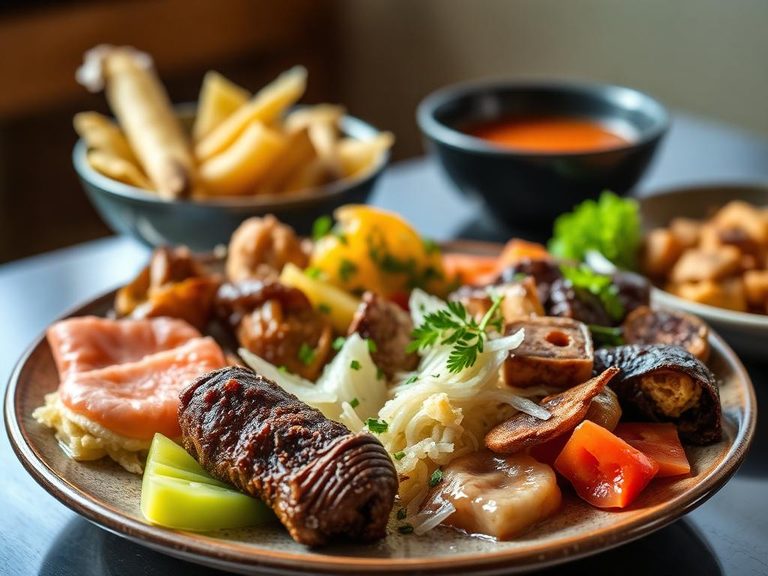
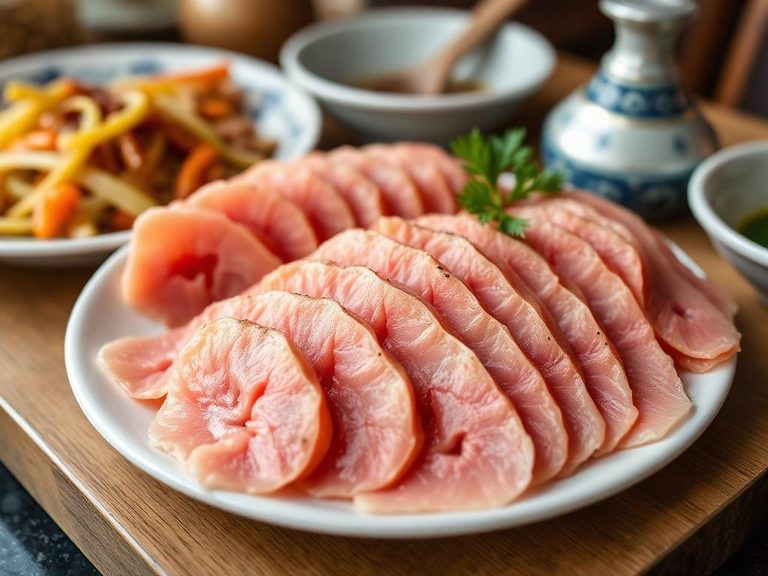
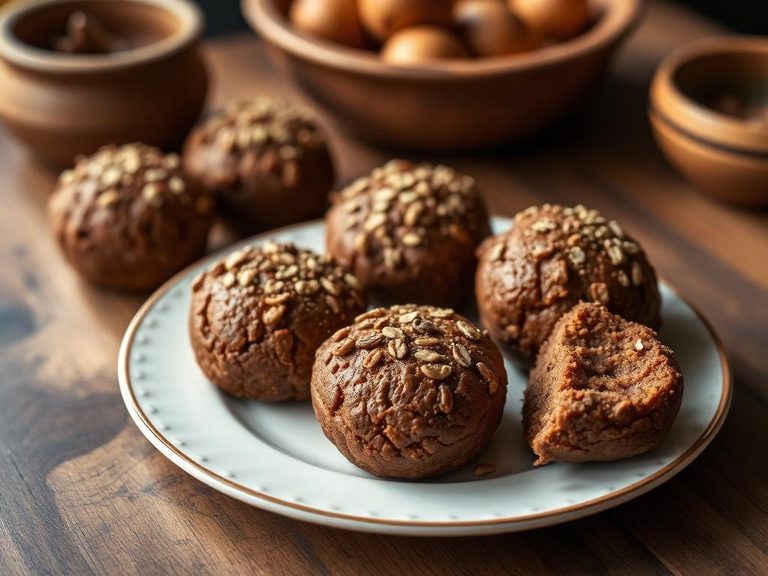
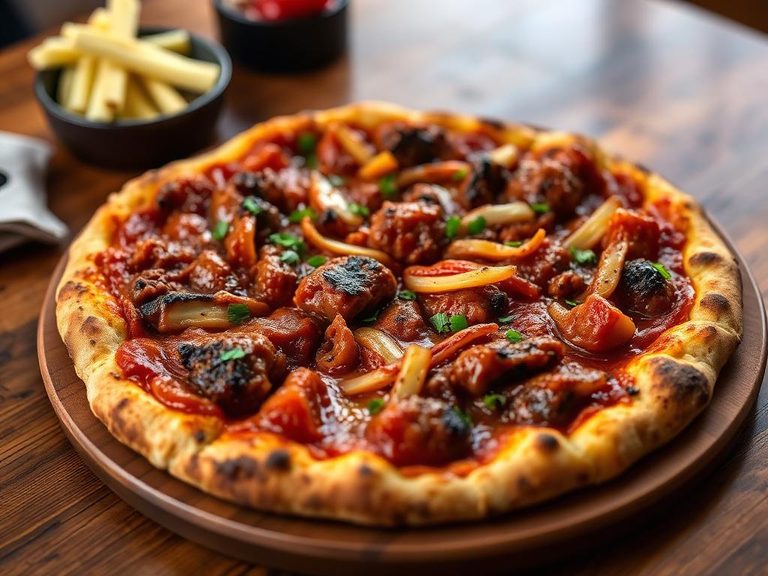
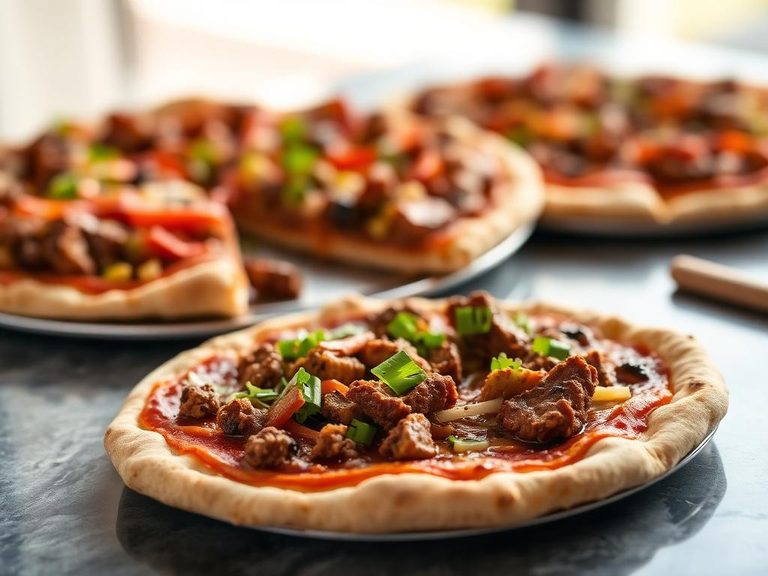
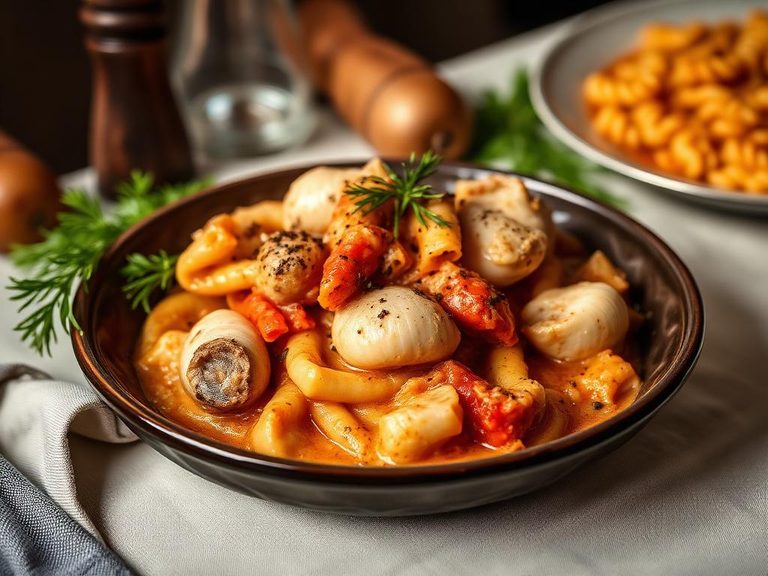
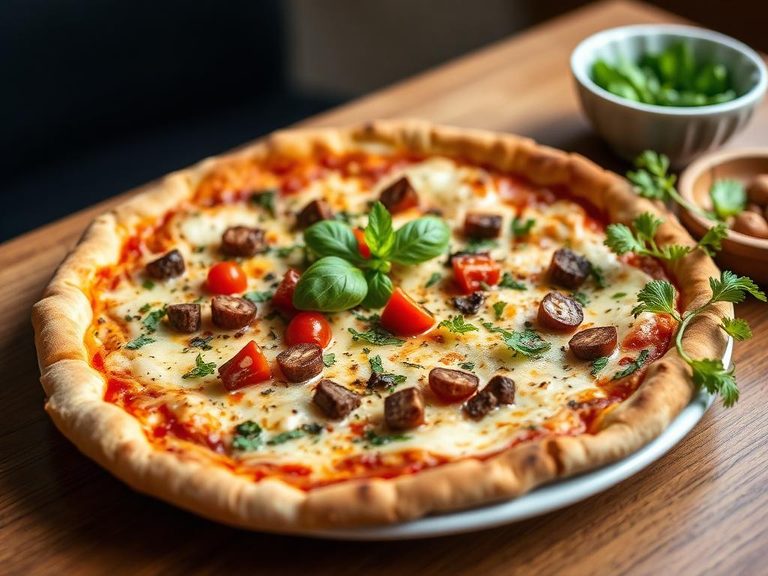
Served as part of a traditional indigenous feast
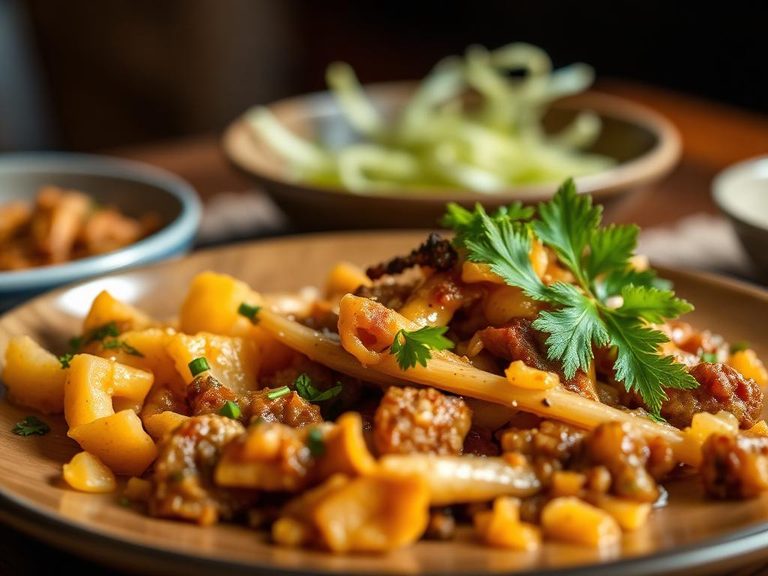
This is a traditional indigenous feast dish, often featuring a variety of locally sourced ingredients like wild game, fish, root vegetables, and foraged greens, prepared using methods like steaming in leaves or open-fire roasting. The specific composition varies greatly by region and season, reflecting the biodiversity of the land.
🍽️ Nutrition at a glance
The dish is typically high in protein and healthy fats from wild meats or fish, with complex carbohydrates from root vegetables. It provides a robust profile of iron, zinc, B vitamins, and omega-3 fatty acids, with a rough calorie range of 400-600 kcal per serving depending on the main protein.
Nutrition breakdown
| Calories | 520 kcal |
| Protein | 38 g |
| Carbs | 35 g |
| Fat | 24 g |
| Fiber | 6 g |
| Sugar | 4 g |
| Sodium | 480 mg |
| Iron | 6.5 mg |
| Zinc | 8.2 mg |
| Vitamin B12 | 12 µg |
| Omega-3 (EPA+DHA) | 1.2 g |
| Potassium | 780 mg |
| Magnesium | 95 mg |
| Vitamin A | 850 µg RAE |
| Selenium | 45 µg |
Per 1 plate (350 g) · estimated, varies by recipe
💡 What's interesting
Culturally, this feast embodies a deep connection to the land, seasonal cycles, and communal sharing, often prepared for ceremonies or significant gatherings. Nutritionally, it represents a balanced, whole-food diet that is naturally low in processed sugars and refined ingredients.